
The wedding band, a seemingly simple circle of metal, carries profound symbolic weight, representing eternal love, fidelity, and the unbreakable bond of marriage. Yet, beneath its emotional significance lies a tangible financial reality that every couple must navigate. Far from being a mere accessory, the wedding band represents a significant personal finance decision, impacting budgets, long-term financial planning, and even asset management within a new household. Understanding the financial implications, value drivers, and smart purchasing strategies for wedding bands is crucial for couples embarking on their marital journey, ensuring their symbol of commitment aligns with their financial goals and philosophies.
The Financial Significance of a Wedding Band
For most couples, a wedding band is one of the most significant jewelry purchases they will ever make, often second only to an engagement ring. While the primary driver is sentimental, the financial commitment involved demands careful consideration. It’s an expenditure that, while not typically viewed as an investment in the traditional sense, requires budgeting, potentially financing, and ongoing protection.
Beyond Sentiment: Understanding the Expense
Unlike many assets that appreciate over time, a wedding band typically depreciates in market value from its retail purchase price due to markups, labor costs, and the instant reduction in value once it becomes “used.” Its true enduring value is sentimental. However, the initial outlay can range from a few hundred to tens of thousands of dollars, making it a critical component of overall wedding expenses and early marital financial planning. Couples must view this purchase as a deliberate allocation of funds, understanding that the money spent here is money not available for other immediate needs or long-term financial goals like a down payment on a house, investments, or debt repayment.
Budgeting for Your Symbol of Commitment
Effective budgeting is paramount. Many couples allocate a specific portion of their total wedding budget to rings. This allocation should not be an arbitrary figure but rather a considered decision based on their combined financial situation, other financial priorities, and comfort level with spending. It’s essential to discuss expectations openly and honestly, researching average costs to set realistic parameters. Overspending on wedding bands can lead to immediate financial strain, potentially forcing couples into debt or delaying other important financial milestones. Conversely, smart budgeting allows for a beautiful, meaningful purchase without compromising financial stability.
Deconstructing the Cost: Factors Influencing Price
The price tag on a wedding band is a complex amalgamation of several key factors. Understanding these elements empowers couples to make informed decisions that balance desire with financial prudence.
Precious Metals: Gold, Platinum, Palladium, and Alternative Alloys
The choice of metal is often the most significant determinant of a wedding band’s base cost.
- Gold (10K, 14K, 18K, 24K): Available in yellow, white, and rose, gold’s price is directly tied to its purity (karatage) and the fluctuating market price of gold. Higher karatage means greater purity and generally a higher price, but also a softer metal.
- Platinum: Known for its rarity, density, and hypoallergenic properties, platinum is typically more expensive than gold. Its white luster and durability make it a popular premium choice.
- Palladium: A member of the platinum group, palladium offers a similar look and feel to platinum but has historically been less expensive. Its price has fluctuated significantly, at times surpassing platinum, so current market research is essential.
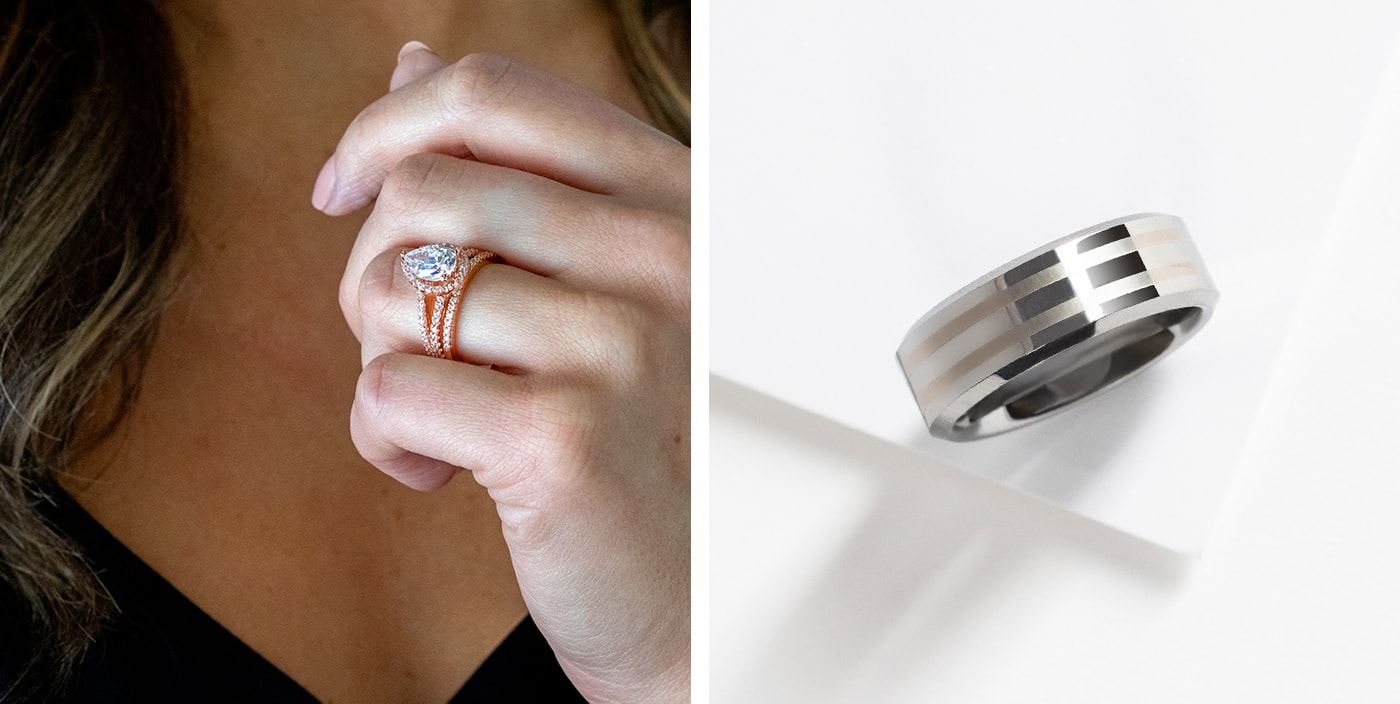
- Alternative Alloys: More affordable options include sterling silver (less durable for daily wear), titanium, tungsten, and stainless steel. These metals offer exceptional durability and unique aesthetics at a fraction of the cost of precious metals, making them excellent choices for budget-conscious couples or those seeking highly durable rings. Their cost is less tied to commodities markets and more to manufacturing processes.
Diamonds and Gemstones: Carat, Cut, Clarity, and Color
If the wedding band includes diamonds or other gemstones, these will significantly impact the price. The “4 Cs” of diamonds—carat weight, cut, clarity, and color—are the primary drivers of cost.
- Carat Weight: Refers to the diamond’s weight, not size, and is usually the most impactful factor on price.
- Cut: Determines a diamond’s sparkle and brilliance, arguably the most important of the 4 Cs for beauty. A superior cut commands a higher price.
- Clarity: Measures the absence of inclusions and blemishes. Flawless diamonds are rare and extremely expensive.
- Color: Graded from D (colorless) to Z (light yellow/brown). Colorless diamonds are more valuable.
Other gemstones, such as sapphires, rubies, or emeralds, also have their own valuation criteria based on rarity, size, quality, and origin. For couples on a budget, considering smaller stones, slightly lower clarity/color grades, or alternative gemstones can lead to substantial savings without sacrificing beauty.
Craftsmanship, Design, and Brand Premium
The complexity of the ring’s design and the brand selling it also play a significant role.
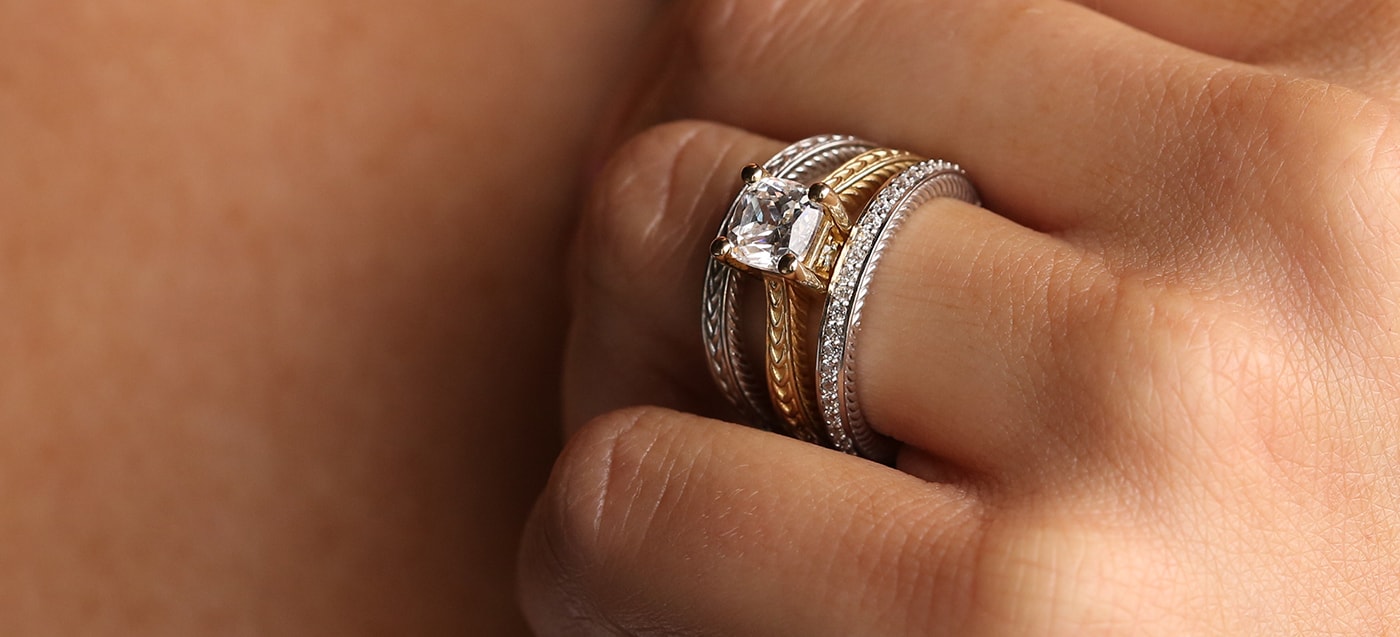
- Craftsmanship: Intricate designs, filigree work, pave settings, or custom-made bands require more labor and specialized skills, increasing their cost. A simple, plain band will naturally be less expensive than one with elaborate detailing.
- Design: Unique or proprietary designs can add to the price, reflecting the designer’s intellectual property and aesthetic vision.
- Brand Premium: Well-known luxury jewelry brands often charge a significant premium for their name, reputation, and perceived exclusivity. While this can provide assurance of quality and service, it’s a financial consideration that budget-savvy buyers might wish to avoid by exploring independent jewelers or smaller brands that offer comparable quality without the steep brand markup.

Customization and Engraving Costs
Personalization, while adding immense sentimental value, often comes with an additional cost. Custom design work involves labor from skilled artisans, including CAD design and specialized manufacturing techniques. Engraving, whether by hand or laser, also adds to the final price, depending on the length and complexity of the inscription. Couples should factor these desires into their budget from the outset.
Smart Spending Strategies for Wedding Bands
Navigating the wedding band market requires more than just knowing what drives cost; it demands strategic thinking to maximize value and align the purchase with personal financial goals.
Prioritizing Quality vs. Flash
It’s tempting to opt for the largest diamond or the most elaborate design. However, a financially savvy approach prioritizes quality, durability, and timelessness over ostentation. A well-crafted band of durable metal that will withstand daily wear for decades often represents better long-term value than a flashy but delicate piece requiring frequent repairs. Investing in a solid, high-quality band ensures longevity and minimizes future maintenance costs.
Exploring Alternative Materials and Designs
Don’t limit yourself to traditional gold and platinum with diamonds. As mentioned, alternative metals like titanium, tungsten, and stainless steel offer exceptional durability, unique aesthetics, and significantly lower price points. These are particularly popular for men’s bands and for couples with active lifestyles. Moreover, considering bands without diamonds or with smaller, strategically placed accent stones can dramatically reduce costs while maintaining elegance. Exploring vintage or estate jewelry can also yield unique, high-quality pieces at a more favorable price, as they avoid the retail markup of new items.
Timing Your Purchase for Optimal Value
Metal and gemstone markets are subject to fluctuations. While it’s difficult to perfectly time the market, being aware of general trends can be beneficial. Additionally, many jewelers offer sales during specific times of the year (e.g., holiday seasons, bridal expos). Planning your purchase to coincide with these events can lead to significant savings. Building a relationship with a trusted jeweler might also grant access to promotions or personalized offers.
Financing Options and Avoiding Debt Traps
Some jewelers offer in-house financing, and many couples consider using credit cards. While these options can provide flexibility, it’s crucial to understand the terms. High-interest financing can quickly inflate the actual cost of the ring, turning a meaningful purchase into a significant financial burden. If financing is necessary, explore options with 0% APR promotional periods or personal loans with low, fixed interest rates, ensuring you can comfortably repay the amount within the interest-free window or according to a sustainable payment plan. Ideally, saving up and paying cash upfront is the most financially prudent approach.
Protecting Your Investment: Insurance and Appraisal
Once purchased, a wedding band, particularly one of significant value, becomes an asset that requires protection. This aspect ties directly into personal finance and asset management within a household.
Why Insure Your Wedding Band?
Wedding bands are susceptible to loss, theft, or damage. Replacing a lost or stolen ring out-of-pocket can be financially devastating. Jewelry insurance provides peace of mind and financial protection. It typically covers loss, theft, damage, and sometimes even “mysterious disappearance.” Policies can be purchased as a rider on a homeowner’s or renter’s insurance policy or through specialized jewelry insurers. The cost of insurance is usually a small percentage of the ring’s appraised value annually, a worthwhile expense for protecting a valuable and sentimental item.
Understanding Appraisal and Valuation
Before insuring a wedding band, an appraisal is usually required. An appraisal is a professional assessment of the ring’s value by a certified gemologist. It details the metal type, carat weight, gemstone characteristics (4 Cs), design, and estimated retail replacement value. This document is crucial for insurance purposes, proving the ring’s worth to the insurer and ensuring adequate coverage. Appraisals should be updated periodically (e.g., every 3-5 years) to reflect changes in metal and gemstone market values, ensuring your coverage remains accurate. Without a recent appraisal, you risk being underinsured and suffering a financial loss if the ring needs to be replaced.
aViewFromTheCave is a participant in the Amazon Services LLC Associates Program, an affiliate advertising program designed to provide a means for sites to earn advertising fees by advertising and linking to Amazon.com. Amazon, the Amazon logo, AmazonSupply, and the AmazonSupply logo are trademarks of Amazon.com, Inc. or its affiliates. As an Amazon Associate we earn affiliate commissions from qualifying purchases.