
Tractors stand as the quintessential embodiment of robust engineering and technological adaptability in various sectors, most notably agriculture. At their core, these machines are mobile powerhouses, designed to provide the necessary force and traction to pull, push, propel, or power a diverse array of implements and attachments. Their utility extends far beyond simple locomotion, serving as central hubs for sophisticated technological systems that optimize efficiency, precision, and productivity across numerous applications. Understanding their purpose requires delving into the intricate technological systems that define their operation and ever-evolving capabilities.
The Core Technological Purpose: Power and Versatility
The fundamental role of a tractor is to act as a versatile, self-propelled engine platform. Its design integrates multiple power transfer mechanisms, allowing it to perform a multitude of tasks that would be impossible or incredibly inefficient with manual labor or less specialized machinery. This inherent versatility is a testament to its engineered complexity, combining brute force with finely tuned controls.

Engine Design and Power Output
At the heart of every tractor is its engine, predominantly a high-torque diesel engine, though electric and alternative fuel powertrains are emerging. These engines are engineered for sustained high-load operation, prioritizing torque over sheer horsepower in many agricultural applications. Torque, the rotational force, is crucial for pulling heavy loads and powering implements that require consistent rotational power, like ploughs or balers. Modern tractor engines incorporate advanced fuel injection systems, turbocharging, and emissions control technologies (such as selective catalytic reduction and diesel particulate filters) to maximize fuel efficiency, reduce environmental impact, and comply with increasingly stringent regulations. Electronic engine management systems continuously monitor and adjust parameters, optimizing performance under varying conditions and loads.
Power Take-Off (PTO) Systems
A critical technological feature enabling versatility is the Power Take-Off (PTO) system. The PTO is a splined drive shaft, typically located at the rear of the tractor, that mechanically transmits engine power to attached implements. This allows implements such as mowers, rotary tillers, balers, and sprayers to operate independently of the tractor’s traction. PTO systems are engineered to deliver precise rotational speeds (e.g., 540 RPM or 1000 RPM) and are often managed by sophisticated electronic controls to ensure smooth engagement and disengagement, protecting both the tractor and the implement from shock loads. Some advanced systems offer front PTOs and independent PTO clutches for enhanced flexibility.
Hydraulic Systems
Tractors are equipped with powerful hydraulic systems, which are instrumental for lifting, lowering, and controlling implements. These systems consist of a hydraulic pump, reservoir, control valves, and cylinders that convert fluid pressure into mechanical force. Hydraulic power is used for the three-point hitch (a standardized mechanism for attaching and controlling implements), remote hydraulic outlets for operating cylinders on implements (e.g., folding planters or adjusting ploughs), and power steering. Modern hydraulic systems feature electronic control units (ECUs) that allow for precise depth control, draft sensing (monitoring the resistance of an implement in the soil), and flow rate adjustments, enabling implements to operate optimally and consistently.
Drivetrain and Traction
The drivetrain of a tractor is engineered for maximum traction and power transfer to the ground. This often involves robust gearboxes, either manual synchromesh, power shift, or continuously variable transmissions (CVT), which allow operators to match engine speed and torque to specific tasks without interruption. Many modern tractors feature four-wheel drive (4WD) or articulated 4WD configurations to enhance traction on challenging terrain. Advanced traction control systems, often electronically managed, minimize wheel slip, thereby improving fuel efficiency and reducing soil compaction. For extreme conditions, tracked tractors (like crawler tractors) offer superior flotation and traction due to their larger ground contact area, reducing ground pressure.
Evolution of Tractor Technology: From Mechanical to Smart Farming
The trajectory of tractor development mirrors the broader history of technological innovation, moving from rudimentary mechanical power to highly sophisticated, digitally integrated smart machines. This evolution has transformed agricultural practices, making them more precise, efficient, and sustainable.
Early Mechanization and Mechanical Advancements
The earliest tractors, emerging in the late 19th and early 20th centuries, were steam-powered behemoths, followed by internal combustion engines. These initial machines replaced animal power, primarily for pulling ploughs and operating belt-driven threshing machines. Early advancements focused on improving engine reliability, developing pneumatic tires for better traction and ride comfort, and standardizing implement attachments like the three-point hitch, which revolutionized implement versatility and ease of use. The transition from steel wheels to rubber tires in the 1930s was a significant technological leap, improving speed, fuel efficiency, and reducing wear on roads.
Digital Integration and Precision Agriculture
The late 20th and early 21st centuries saw a paradigm shift with the integration of digital technologies. Global Positioning System (GPS) technology transformed tractors into precision instruments. GPS guidance systems enable highly accurate parallel passes, reducing overlap and input waste (fuel, fertilizer, pesticides). Auto-steer systems, often integrated with GPS, can guide the tractor with centimeter-level accuracy, freeing the operator to monitor implement performance. Variable Rate Technology (VRT) utilizes GPS and digital maps to apply inputs (seeds, fertilizer, chemicals) at varying rates across a field based on real-time needs, optimizing resource use and maximizing yields. These systems rely on sophisticated software algorithms and robust hardware capable of operating in demanding outdoor environments.
Sensor Technology and Data Analytics
Modern tractors are increasingly equipped with an array of sensors that collect vast amounts of data. Soil sensors can provide real-time information on nutrient levels and moisture content, informing precise application decisions. Yield monitors, integrated into harvesters, map crop yields across fields, offering insights into productivity variations. Telematics systems allow for remote monitoring of tractor performance, fuel consumption, engine diagnostics, and operational efficiency. This data, often transmitted wirelessly to cloud-based platforms, forms the backbone of data analytics in agriculture, enabling farmers to make informed decisions, optimize logistics, and predict maintenance needs. The ability to collect, process, and interpret this data is a key technological differentiator.
Automation and Robotics
The frontier of tractor technology lies in increasing levels of automation and robotics. Many tractors today feature semi-autonomous functions such as headland turn management, which automates complex turning maneuvers at the end of rows, and implement control systems that automatically adjust implement settings based on field conditions. The development of fully autonomous tractors, capable of operating without an on-board human operator, is rapidly progressing. These systems leverage advanced computer vision, LiDAR, radar, and sophisticated AI algorithms for navigation, obstacle detection, and task execution, promising to further enhance efficiency and address labor shortages.

Specialized Applications and Implement Technology
Tractors are not just vehicles; they are mobile power platforms designed to interface with a vast array of specialized implements. Each implement represents a specific technological solution to a particular task, drawing power and control from the tractor.
Tillage and Soil Preparation
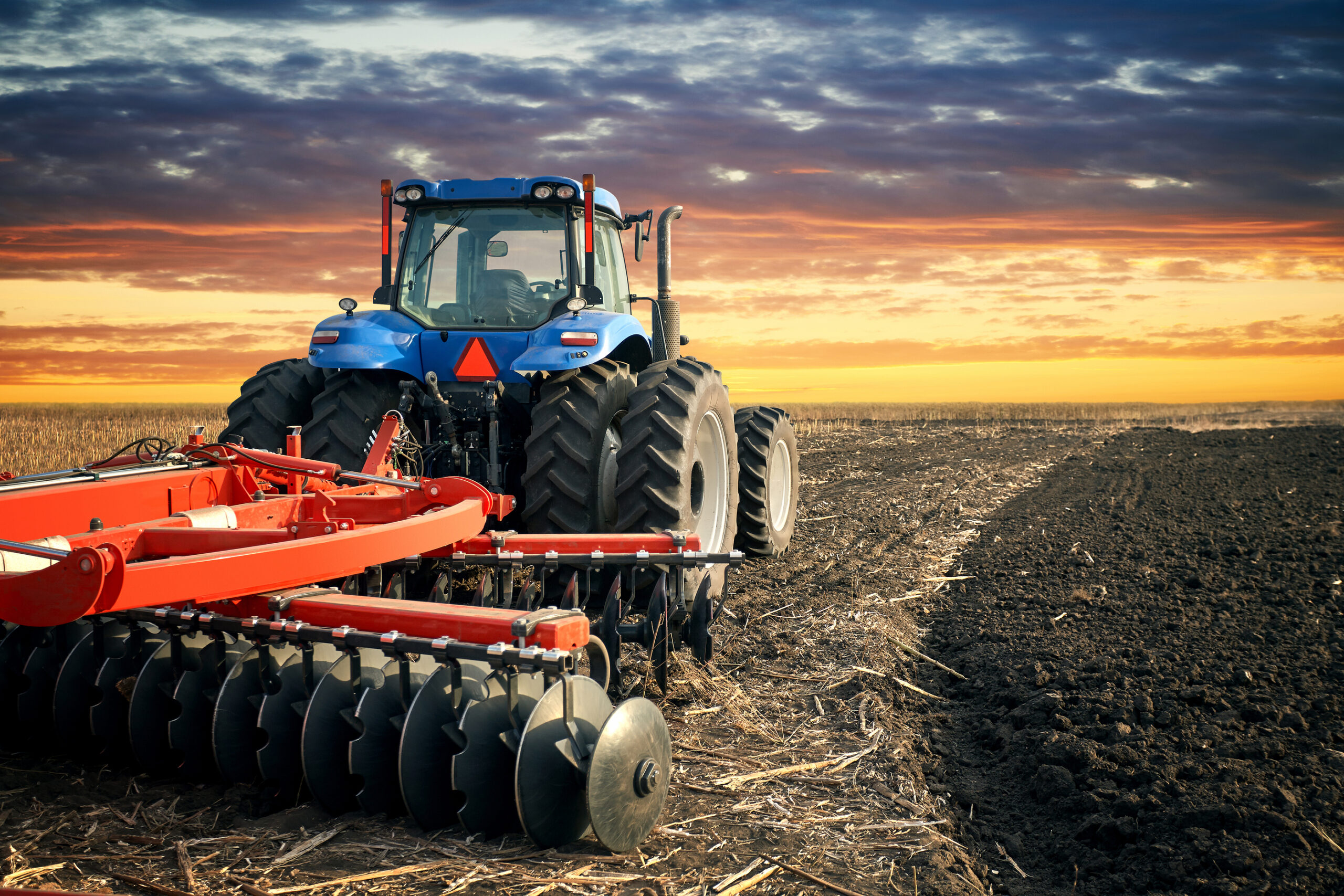
For soil preparation, tractors power various tillage implements. Ploughs turn over the soil, burying residues and aerating the earth. Harrows break up clods and level the soil surface. Cultivators prepare a fine seedbed. Each of these implements has specific engineering requirements for penetration depth, working width, and soil interaction, often managed by the tractor’s hydraulic and draft control systems. Minimum tillage and no-till implements, designed to disturb the soil as little as possible, represent a technological shift towards soil health and erosion prevention, requiring precise tractor control to operate effectively.
Planting and Seeding
Precision planters and seed drills, attached to tractors, are sophisticated machines designed to deposit seeds at exact depths and spacings. Modern planters incorporate vacuum or air pressure systems for singulation (ensuring only one seed is dropped at a time), electronic control for row shut-offs to prevent over-planting in irregularly shaped fields, and variable rate drive systems to adjust seeding density on the fly, dictated by GPS and prescription maps. This technology is critical for optimizing crop stand and maximizing yield potential.
Crop Care and Protection
Tractors are vital for crop care, powering sprayers and spreaders for applying fertilizers, herbicides, and pesticides. Advanced sprayers feature boom section control, automatically shutting off nozzles in areas already treated, and pulse width modulation (PWM) nozzles that maintain consistent spray patterns and droplet sizes across varying speeds. Robotic weeding solutions, either as tractor-mounted implements or independent units, use computer vision and AI to identify and remove weeds with mechanical tools or targeted micro-sprays, significantly reducing chemical usage.
Harvesting and Post-Harvest Operations
While combines are specialized self-propelled harvesting machines, tractors are extensively used for other harvesting and post-harvest tasks. Forage harvesters, balers (round or square), and potato diggers are common tractor-powered implements. Balers, for instance, utilize complex mechanical systems to compress and wrap hay or straw, with sensor technology often monitoring bale density and wrapping cycles. Post-harvest, tractors power grain carts for transport and various processing equipment.
Non-Agricultural Uses
The robust design and power capabilities of tractors extend their utility beyond agriculture. In construction, compact utility tractors (CUTs) and larger industrial tractors are used with front-end loaders, backhoes, and trenchers for excavation, material handling, and grading. Municipalities use them for landscaping, snow removal with specialized blowers or blades, and roadside maintenance. Forestry applications involve specialized tractors with winches and grapples for timber extraction. Their fundamental design as a mobile power source makes them adaptable to a wide range of heavy-duty tasks across multiple industries.
The Future of Tractor Technology: Connectivity and Sustainability
The future of tractor technology is poised for even greater integration of digital, autonomous, and sustainable solutions, driven by demands for increased efficiency, environmental stewardship, and precision.
Electrification and Alternative Fuels
A significant trend is the shift towards electrification and alternative fuels. Electric tractors, with battery-electric or hybrid powertrains, offer reduced emissions, lower noise, and potentially lower operating costs, particularly for lighter-duty or specialized tasks. Research and development are also exploring hydrogen fuel cells and advanced biofuels to power larger agricultural machinery, aiming for carbon-neutral operation. This involves designing highly efficient battery management systems, rapid charging infrastructure, and robust electric motors capable of delivering high torque.
Enhanced Connectivity and IoT
The Internet of Things (IoT) will increasingly connect tractors not only to cloud platforms but also to other machines and sensors across the farm. Machine-to-machine (M2M) communication will enable fleets of autonomous vehicles to coordinate tasks, share data in real-time, and optimize overall farm operations. Enhanced connectivity will facilitate predictive maintenance through constant data streaming, allowing for proactive servicing and minimizing downtime. This necessitates robust, secure wireless communication technologies and standardized data protocols.
Artificial Intelligence and Machine Learning
AI and Machine Learning (ML) will elevate tractor capabilities further. AI algorithms will process sensor data to make real-time decisions regarding optimal planting depth, fertilizer application rates, or even identifying individual plant health issues. ML models will learn from historical data to optimize routing, fuel consumption, and operational parameters, continuously improving efficiency. Predictive analytics, driven by AI, will forecast crop yields, weather impacts, and equipment failure probabilities, offering unparalleled decision support to operators and farm managers.
Ergonomics and Operator Interfaces
Even with increasing automation, the human operator remains crucial. Future tractors will feature highly advanced, ergonomic cabs with sophisticated digital displays, augmented reality interfaces, and intuitive controls designed to reduce fatigue and enhance situational awareness. Customizable user interfaces, voice commands, and biometric monitoring will improve the operator experience, transforming the cab into a high-tech command center for managing complex farming operations. These advancements focus on human-machine interaction, making sophisticated technology accessible and user-friendly.
In essence, the tractor is a dynamic technological platform, constantly evolving to meet the demands of an increasingly complex and data-driven world. Its utility is a direct function of its sophisticated engineering, its adaptability to diverse implements, and its capacity to integrate cutting-edge digital and autonomous technologies.
aViewFromTheCave is a participant in the Amazon Services LLC Associates Program, an affiliate advertising program designed to provide a means for sites to earn advertising fees by advertising and linking to Amazon.com. Amazon, the Amazon logo, AmazonSupply, and the AmazonSupply logo are trademarks of Amazon.com, Inc. or its affiliates. As an Amazon Associate we earn affiliate commissions from qualifying purchases.