
The quintessential “French hat” immediately conjures images of the beret, a soft, round, flat-crowned hat typically made of wool felt. While the beret is undeniably the most globally recognized emblem of French headwear, the nation’s rich sartorial history extends far beyond this single iconic piece. Understanding the diverse range of headwear associated with France, and more importantly, their profound impact on brand identity—from personal style to national image—offers a fascinating study in cultural marketing and design longevity. These hats are not mere accessories; they are powerful branding tools, embodying aspects of tradition, rebellion, luxury, and regional distinctiveness.
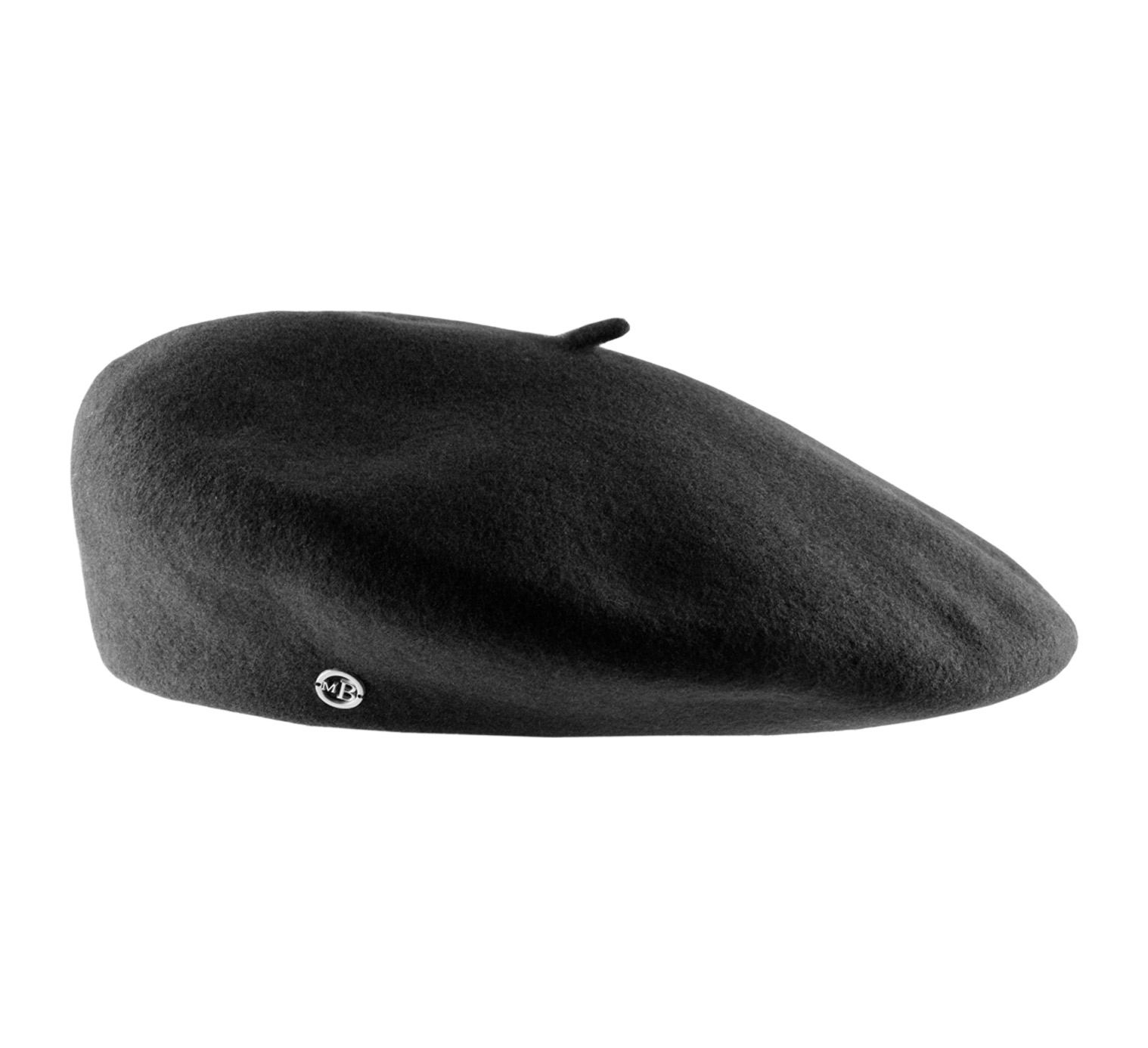
The Beret: An Icon of French Branding
The beret stands as a testament to the power of a simple design to transcend its utilitarian origins and become a global brand ambassador. Its journey from a practical item to a symbol steeped in cultural significance offers a compelling case study in branding evolution.
From Utility to Global Symbol
The beret’s roots are humble, tracing back to the shepherds and peasants of the Basque Country, a region straddling the Pyrenees mountains between France and Spain. Its soft, pliant wool construction offered warmth and protection from the elements, making it an ideal piece of workwear. As it gained popularity among artisans, artists, and intellectuals in the 19th century, particularly in Paris, the beret began to shed its purely functional image. It became associated with bohemianism, creativity, and a certain intellectual chic.
The 20th century cemented the beret’s status as a powerful identifier. Its adoption by the French military, notably the Chasseurs Alpins (mountain infantry) and later by resistance fighters during World War II, imbued it with connotations of bravery, patriotism, and a distinct French identity. This military association, alongside its prevalence in art and intellectual circles, transformed the beret into an easily recognizable, albeit sometimes stereotypical, shorthand for “Frenchness” globally. It became an instantly deployable element in visual branding, whether for tourism campaigns, film characters, or fashion editorials aiming to evoke a Gallic spirit. This widespread recognition made the beret a cornerstone of “Brand France,” an invaluable, non-verbal communication tool that speaks volumes about heritage and cultural depth.
Fashion’s Enduring Muse
Beyond its national and historical associations, the beret’s enduring appeal in the fashion world is a testament to its design versatility and its capacity to embody diverse brand narratives. Its simple, unadorned form provides a blank canvas for designers, allowing for countless reinterpretations that keep it fresh and relevant across generations.
From high fashion runways to street style, the beret has been consistently embraced and reinvented. Designers incorporate it into collections to evoke a sense of Parisian chic, intellectual sophistication, or avant-garde artistry. It can be styled to project elegance, playfulness, rebelliousness, or understated luxury. For the individual, wearing a beret becomes a personal branding statement—a choice to align oneself with a particular aesthetic, a cultural archetype, or a desired emotional resonance. Whether made of classic wool, luxurious cashmere, or adorned with embellishments, the beret allows for a nuanced expression of personal style, contributing to the wearer’s unique brand identity while tapping into a globally recognized cultural touchstone. Its continuous re-emergence in fashion cycles underscores its robust brand equity, proving it to be far more than a fleeting trend.
Beyond the Beret: Diverse Headwear and Their Branding Implications
While the beret reigns supreme, other French hats possess distinct branding implications, reflecting regional identities, historical professions, and the pinnacle of luxury craftsmanship. These pieces contribute to the multifaceted image of French fashion and culture.
The Breton Cap: Nautical Chic and Regional Identity
The “Miki hat,” also known as the “Bonnet docker” or simply the Breton cap, offers a compelling study in how professional workwear can evolve into a strong fashion statement and regional brand marker. Originating from the fishing communities of Brittany, this short, brimless wool cap was designed for practicality: it wouldn’t obstruct vision or be easily blown off in harsh maritime conditions. Its snug fit and robust material made it indispensable for sailors and fishermen.
Today, the Breton cap has transcended its utilitarian origins to become a symbol of rugged, understated cool. It embodies a distinct “nautical chic” that speaks to authenticity, tradition, and a connection to the sea. Fashion brands and individuals alike use it to evoke a sense of coastal living, adventurous spirit, and subtle rebellion against conventional headwear. This cap is a prime example of how specific regional identity can be leveraged into a broader lifestyle brand. It taps into a desire for authenticity and a connection to heritage, offering a distinct alternative to the more ubiquitous beret, and appealing to a different niche within the vast landscape of French-inspired style. Its minimalist design and strong cultural provenance make it a powerful, albeit niche, branding asset.
Haute Couture Hats: Crafting Exclusivity and Aspiration
At the apex of French fashion lies haute couture, where hats are not mere accessories but often breathtaking works of art that define a collection’s aesthetic and communicate the ultimate in luxury, craftsmanship, and artistic vision. Iconic Parisian millinery houses, such as Maison Michel (now part of Chanel’s Métiers d’Art), have historically crafted elaborate headpieces that elevate fashion to an artistic discipline.

These haute couture hats are designed not for everyday wear but for impact, aspiration, and the meticulous demonstration of a brand’s savoir-faire. They embody exclusivity, often handcrafted from rare materials with intricate techniques that represent hours of skilled labor. A unique haute couture hat acts as a powerful brand identifier for the fashion house that creates it, communicating its creative direction, technical prowess, and commitment to unparalleled quality. For clients, owning or wearing such a piece is the ultimate personal brand statement—a declaration of discerning taste, access to luxury, and an appreciation for art and heritage. These hats attract media attention, generate buzz, and reinforce the perception of French fashion as the global standard for luxury and innovation, serving as aspirational beacons that define the upper echelons of the industry’s brand hierarchy.
The Role of French Hats in Personal and Cultural Branding
The diverse array of French headwear plays a crucial role in shaping both individual identity and the broader image of France itself, demonstrating how tangible objects can become intangible brand assets.
Personal Style as a Brand Statement
In the realm of personal branding, a carefully chosen hat is more than a fashion item; it’s a non-verbal declaration of one’s identity, values, and aesthetic preferences. French hats, with their rich cultural associations, offer particularly potent tools for cultivating a distinct personal brand. Donning a beret can instantly signal an affinity for intellectualism, artistic leanings, or a timeless, understated elegance. A Breton cap might project a rugged, independent spirit or a connection to maritime heritage.
The act of selecting and wearing a specific French hat allows individuals to craft and communicate a desired self-image. It can convey sophistication, a touch of rebellion, a love for vintage aesthetics, or an allegiance to classic style. This strategic use of headwear contributes significantly to how one is perceived by others, acting as a visual shortcut to one’s personal brand narrative. It allows for differentiation in a crowded social landscape, helping to solidify a unique identity that resonates with specific audiences, whether in professional settings, social circles, or online presence. The hat becomes an extension of the self, a silent but powerful brand ambassador.
Cultural Diplomacy and National Image
Beyond individual expression, French hats, especially the beret, have been instrumental in shaping and promoting the “Brand France” on a global stage. They serve as potent symbols in cultural diplomacy, disseminated through various forms of media, tourism campaigns, and popular culture. The image of a stylish individual in a beret strolling along the Seine in Paris has become a romanticized and aspirational representation of French life.
This consistent visual branding helps to cement a desirable national image—one associated with elegance, art, sophisticated living, and revolutionary spirit. It influences perceptions of French cuisine, fashion, language, and overall lifestyle, drawing tourists and fostering international appreciation for French culture. In essence, these hats act as cultural ambassadors, subtly promoting soft power and reinforcing a positive global perception of the nation. They are woven into the fabric of international consciousness, effortlessly recalling the allure and distinctive character that define France’s enduring global brand.
Marketing and Design: Sustaining the Legacy
The longevity and continued relevance of French hats, particularly the beret, are not accidental. They are the result of inherent design principles and ongoing marketing efforts that ensure their perpetual appeal in a dynamic fashion landscape.
Design Principles in French Headwear
The enduring appeal of iconic French hats can be largely attributed to foundational design principles that prioritize simplicity, functionality, and timeless elegance. The beret, for instance, is characterized by its unadorned, circular form, offering a versatile silhouette that flatters a wide range of face shapes and personal styles. Its material—traditionally wool felt—speaks to durability, comfort, and natural breathability, aligning with a broader French aesthetic that values quality and practicality over ostentatious display. Similarly, the Breton cap, with its utilitarian, brimless design, champions functionality.
These design choices reflect a philosophy that emphasizes understated luxury and enduring style over fleeting trends. French headwear often avoids excessive ornamentation, relying instead on the inherent beauty of fine materials and meticulous craftsmanship. This commitment to classic, well-executed design ensures that these hats remain relevant across decades, offering a reliable sartorial choice that continually communicates sophistication and good taste. This adherence to core design values forms the bedrock of their strong brand identity, signifying authenticity and lasting value.
Modern Interpretations and Brand Reinvention
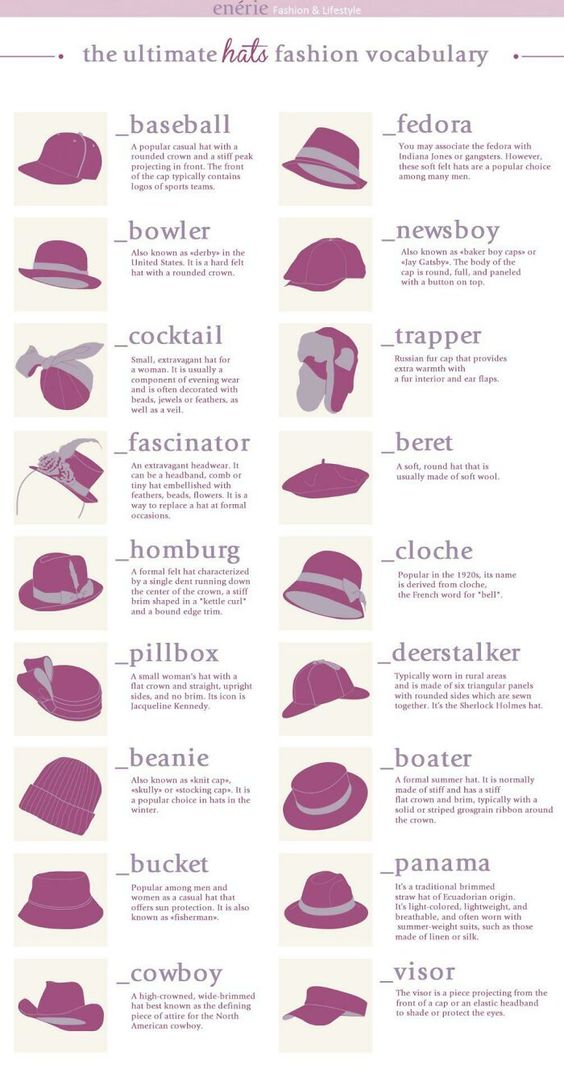
To sustain their legacy in a rapidly evolving market, traditional French hats undergo continuous reinterpretation by contemporary designers, fashion influencers, and mass-market brands. This process of brand reinvention is crucial for maintaining relevance and attracting new generations of consumers. Designers experiment with new materials, such as leather, sequins, or unconventional fabrics, giving the classic beret a fresh, modern edge. Sizes and proportions are altered, colors are updated to align with current palettes, and stylistic embellishments are introduced, ranging from embroidery to hardware.
Furthermore, social media and influencer culture play a pivotal role in showcasing these modern interpretations and integrating them into current trends. When a celebrity or influencer sports a reimagined French hat, it instantly gains visibility and desirability, connecting the traditional item with contemporary relevance. This continuous cycle of innovation, adaptation, and effective marketing ensures that French hats remain not just historical artifacts but dynamic, commercially viable products and powerful brand assets that resonate with diverse audiences, continually reinforcing their status as timeless icons of style.
aViewFromTheCave is a participant in the Amazon Services LLC Associates Program, an affiliate advertising program designed to provide a means for sites to earn advertising fees by advertising and linking to Amazon.com. Amazon, the Amazon logo, AmazonSupply, and the AmazonSupply logo are trademarks of Amazon.com, Inc. or its affiliates. As an Amazon Associate we earn affiliate commissions from qualifying purchases.