
Lending your address, even to a close friend or family member, might seem like a harmless favor, but it carries a surprisingly broad spectrum of financial risks that can severely impact your personal finance and long-term financial stability. From direct liabilities to insidious credit score damage, understanding these potential pitfalls is crucial before extending such a courtesy.
Unforeseen Financial Liabilities and Debt
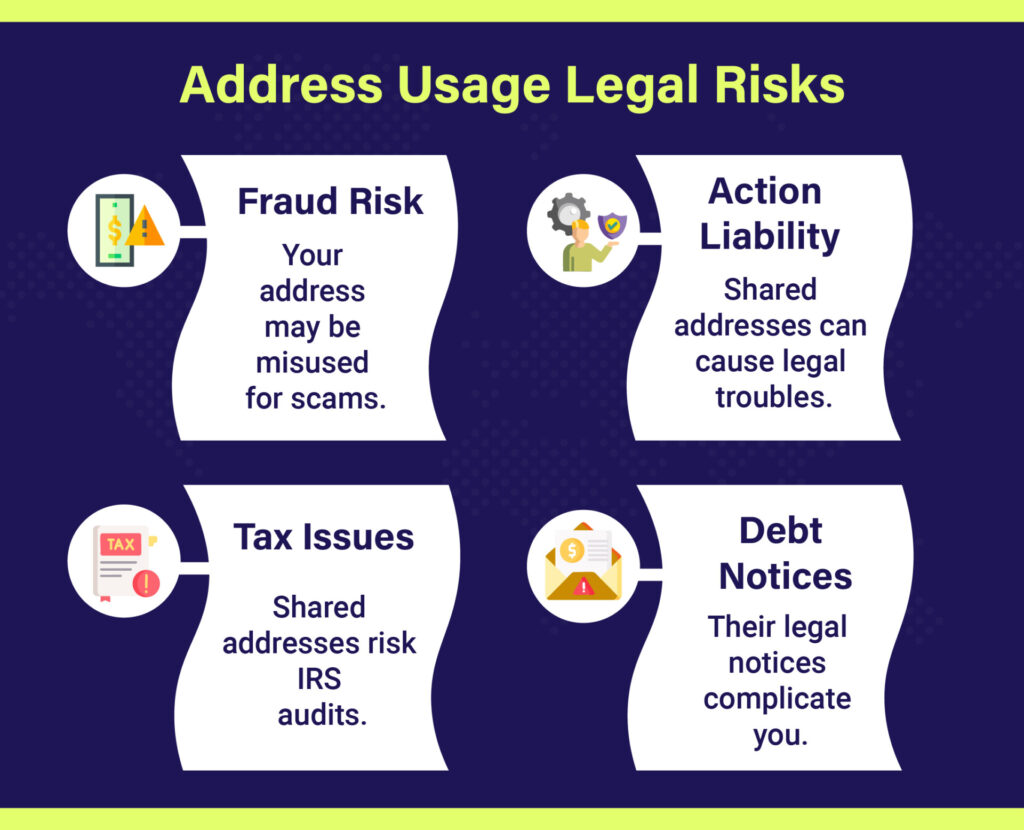
Allowing someone to use your address can inadvertently expose you to significant financial liabilities, potentially leaving you responsible for debts that aren’t yours or complicating your financial standing. The physical address is a cornerstone for many financial and legal transactions, making its shared use a high-stakes proposition.
Impact on Your Credit Score
One of the most immediate and damaging financial risks is the potential impact on your credit score. If the person using your address incurs debts that go unpaid, or if fraudulent accounts are opened using your address, the repercussions can be severe. Debt collection agencies often link individuals to addresses. If mail related to the other person’s unpaid bills, loans, or credit card debt arrives at your address, it could mistakenly be associated with you. This can lead to erroneous negative marks on your credit report, making it harder for you to secure loans, mortgages, or even favorable insurance rates in the future. Furthermore, if the individual provides your address when applying for credit, even if their name is on the application, the mere association of a troubled financial history with your residential address can flag issues during your own credit checks, especially if identity theft is involved.
Utility Bills and Other Services
It’s common for individuals moving or in temporary situations to use another’s address for setting up essential services. While seemingly innocuous, if the person fails to pay for utilities (electricity, gas, water, internet) registered at your address, you could be held liable. Utility companies often associate the service address with the account holder, and unpaid bills can lead to service disconnection for your property or, worse, a black mark on your credit history if the debt is sent to collections. Even if the account is in their name, the physical service is to your property, creating a direct nexus that can be difficult to disentangle, especially if you need to set up new services yourself later.
Undisclosed Business Activities
A less obvious but equally dangerous risk arises if the person uses your address to conduct undisclosed business activities. This could range from a small online venture to more significant operations. If their business racks up debts, faces legal challenges, or fails to pay taxes, your address could become embroiled in the financial and legal fallout. You might find yourself inadvertently liable for business debts, property liens, or subject to tax audits simply because your address is linked to their commercial endeavors. This can have serious implications for your property’s value, your personal finances, and even lead to complex legal battles to prove your non-involvement, incurring significant legal fees and stress.
Identity Theft and Fraudulent Activities
The physical address is a critical piece of personal information, often serving as a gateway for malicious actors to commit identity theft or other forms of financial fraud. Letting someone use your address, particularly if you don’t fully trust them or understand their intentions, opens numerous avenues for such risks.
Mail Fraud and Account Creation
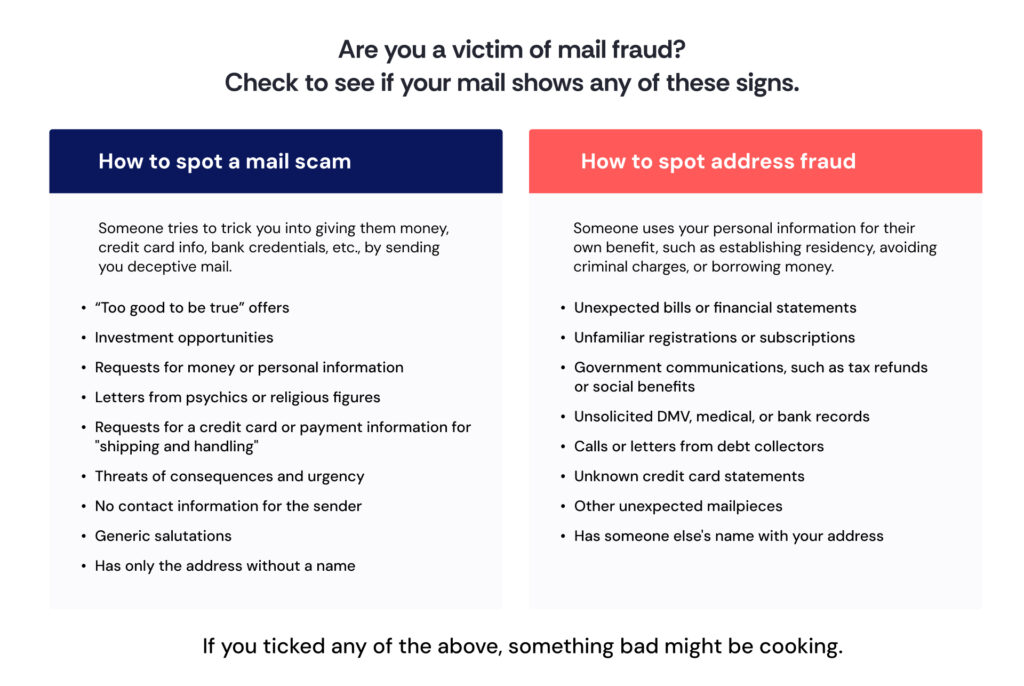
A physical address is fundamental for establishing identity and opening various financial accounts. An individual with illicit intentions, or even one facing severe financial distress, might leverage your address to commit mail fraud. This could involve diverting mail, opening credit cards, lines of credit, or loans in their name (or even yours, if they gain access to more of your personal details) but using your address for correspondence. This establishes a “paper trail” that links these fraudulent activities to your home. You might only discover this when collection notices start arriving or when your credit report shows unfamiliar accounts. The process of disputing these fraudulent accounts can be arduous, time-consuming, and emotionally draining, often requiring extensive documentation and legal assistance.
Establishing Residency for Fraud
Beyond direct financial fraud, using your address can enable other forms of fraudulent activities that, while not directly financial, can have significant financial and legal repercussions for you. For instance, someone might use your address to establish residency for purposes such as falsely claiming government benefits, securing specific in-state tuition rates, or even voter fraud. While these acts are committed by the other person, your address becomes the focal point of the investigation. Authorities investigating such fraud might involve you, requiring your cooperation, or even implicating you if they suspect you were aware of or complicit in the scheme. The legal and financial costs of proving your innocence, including potential fines and legal fees, can be substantial.
Package and Mail Interception
With an increased volume of mail and packages arriving at your address for another individual, the risk of interception—either accidental or intentional—rises. Important financial documents, new credit cards, bank statements, or even valuable packages intended for you could be mistakenly opened by the other person or stolen if left unattended. This not only poses a direct financial loss if valuable items are taken but also exposes sensitive financial information. If credit card details or bank statements fall into the wrong hands, it significantly increases your vulnerability to identity theft, leading to unauthorized transactions, compromised accounts, and the lengthy process of reclaiming your financial security.
Legal and Tax Implications
Beyond direct financial debts and fraud, allowing someone to use your address can entangle you in complex legal and tax issues, some of which may only surface years later. The address serves as a primary point of contact for legal and governmental entities, making its shared use a potential liability magnet.
Tax Evasion and Residency
If the individual using your address is doing so to establish residency in a jurisdiction with more favorable tax laws, or to simply evade their tax obligations, you could find yourself in a precarious position. For example, if they claim your address as their primary residence to avoid state income taxes elsewhere or to qualify for certain tax credits they aren’t legitimately entitled to, and these activities are uncovered by tax authorities, your address becomes part of their official record. You might receive inquiries from the IRS or state tax departments, or even become involved in an audit. Proving your non-involvement can be a lengthy, stressful, and expensive process, potentially requiring you to hire tax attorneys or accountants, incurring significant professional fees.
Legal Service and Subpoenas
The address is the primary point for legal service. If the person using your address is involved in a lawsuit, has outstanding warrants, or is subject to a court order, legal documents such as subpoenas, summonses, or other official notices will likely be sent to your residence. This can lead to uncomfortable or even alarming situations, such as process servers appearing at your doorstep, potentially disturbing your peace or raising concerns with neighbors. Worse, if official mail or service is successfully delivered to your address, it may be legally considered as “served” to the individual, even if you never passed it on. This could inadvertently place you in a position where you are compelled to provide information, appear in court, or explain why you failed to pass on critical legal documents, potentially drawing you into legal disputes that are not your own.
Property Tax and Insurance Issues
The presence and activities of another individual at your address can sometimes indirectly affect your property taxes and homeowner’s insurance. If the person is conducting undeclared business activities from your home, it could potentially change the perceived use of your property from purely residential to mixed-use. This change could lead to a reassessment of your property’s value for tax purposes, resulting in higher property tax bills. Similarly, your homeowner’s insurance policy is typically based on the property’s residential use and occupancy by specific individuals. If the presence of another person or their activities increases the risk profile of your property (e.g., increased foot traffic for a home-based business, or storing hazardous materials), your insurer might deny claims, cancel your policy, or significantly increase your premiums. Failing to disclose additional occupants could also void your insurance coverage in the event of a claim.
Damage to Personal Finance and Future Opportunities
The ripple effects of allowing someone to use your address can extend far beyond immediate financial liabilities, potentially hindering your ability to secure future financial opportunities and impacting your overall financial well-being.
Difficulty Obtaining Loans or Mortgages
A damaged credit score or a history of questionable financial activities linked to your address can severely impair your ability to obtain future financing. Lenders perform thorough background and credit checks for mortgages, car loans, and personal loans. If your address is associated with unpaid debts, fraudulent accounts, or legal issues due to someone else’s actions, even indirectly, these red flags can cause lenders to view you as a higher risk. This can lead to loan denials, higher interest rates, or more stringent collateral requirements, making it significantly more expensive or even impossible to achieve major financial goals like purchasing a home or financing an education.
Insurance Premium Hikes
Beyond homeowner’s insurance, other types of insurance, such as auto insurance, can also be affected. If the individual using your address also resides there and operates a vehicle, or if their presence increases the risk of theft or damage at your property, your overall insurance premiums could see an upward adjustment. Insurers evaluate risk based on various factors, including the number of occupants, their driving records (if applicable), and the perceived safety of the location. An increased risk profile, even if not directly tied to your actions, can translate into higher recurring expenses, eroding your disposable income.
Implications for Background Checks
In today’s interconnected world, an address is a key identifier used in various background checks. Future employers, landlords, or financial institutions often conduct comprehensive background investigations. If any adverse information—such as past evictions (if they used your address as a previous residence), criminal records (even if minor), or a history of financial irresponsibility—is linked to your address because of the person you allowed to use it, it could negatively impact your prospects. This might lead to denied job applications, rejected rental agreements, or even difficulties in certain professional licensing processes, stifling your career and housing opportunities.
Protecting Your Financial Well-being
Given the array of financial risks, exercising caution and implementing protective measures is paramount when considering allowing someone to use your address. Your financial future depends on it.
Clear Agreements and Boundaries
Even with the most trusted individuals, establishing clear, written agreements about the specific use of your address and outlining all financial responsibilities is crucial. This document should detail what mail they can receive, if any, who is responsible for specific bills, and a clear understanding that any financial or legal repercussions are solely their responsibility. While not a guarantee against all issues, it provides a legal framework and clarity.
Monitoring Your Credit
Regularly checking your credit reports from all three major bureaus (Equifax, Experian, TransUnion) is essential. Look for any unfamiliar accounts, inquiries, or negative marks. Enroll in credit monitoring services that alert you to suspicious activity. This proactive approach can help you identify and address potential fraud or erroneous entries before they cause significant damage.
Mail Management
Take control of your mail. If you must allow someone to receive mail at your address, consider establishing a clear system, such as a designated P.O. box for them, or ensuring all their mail is forwarded to a permanent address. Be vigilant about unfamiliar correspondence or bills, and immediately question any mail addressed to unknown individuals or businesses at your home. Consider adding a mail lock to your mailbox if possible.
Seeking Legal Counsel
If you suspect financial fraud, identity theft, or find yourself embroiled in legal or tax issues due to someone else using your address, do not hesitate to seek legal counsel. An attorney specializing in consumer law or financial fraud can guide you through the process of reporting fraud, disputing debts, and protecting your legal and financial interests. The upfront cost of legal advice can be significantly less than the long-term financial and emotional cost of inaction.
aViewFromTheCave is a participant in the Amazon Services LLC Associates Program, an affiliate advertising program designed to provide a means for sites to earn advertising fees by advertising and linking to Amazon.com. Amazon, the Amazon logo, AmazonSupply, and the AmazonSupply logo are trademarks of Amazon.com, Inc. or its affiliates. As an Amazon Associate we earn affiliate commissions from qualifying purchases.