
Serving on a city council is a significant commitment, demanding a unique blend of civic responsibility, community insight, and practical governance skills. While often seen through the lens of political engagement and local policy, the journey to becoming a city council member carries substantial financial dimensions that are critical for both aspiring candidates and the municipalities they aim to serve. These financial considerations range from explicit legal requirements and campaign finance regulations to the implicit economic sacrifices and the essential financial literacy demanded by the role itself.
The Financial Prerequisites for Public Office
Before delving into the broader economic landscape of public service, it’s crucial to understand the foundational financial prerequisites that aspiring city council members must often meet. These are not merely administrative hurdles but reflect a municipality’s interest in ensuring dedicated, financially responsible representation.

Residency and Taxpayer Status
A fundamental requirement in nearly all jurisdictions is residency within the city boundaries for a specified period prior to election. While seemingly straightforward, this requirement has direct financial implications. Candidates must typically prove their primary domicile, often through property deeds, rental agreements, utility bills, and tax records. For individuals considering a run, this means maintaining a consistent address and demonstrating a financial tie to the community through property taxes or other local financial contributions. Some cities may even have stipulations requiring property ownership, although this is less common for council positions than for other municipal roles. The underlying principle is to ensure that council members have a vested financial interest in the city’s well-being and are directly impacted by the fiscal policies they help enact. They are, in essence, fellow taxpayers sharing in the financial burdens and benefits of their community.
Campaign Finance Regulations and Transparency
The pursuit of a city council seat inevitably involves navigating a complex web of campaign finance laws. These regulations are designed to ensure transparency, prevent undue influence, and level the playing field, but they introduce significant financial management responsibilities for candidates. Aspiring council members must be prepared to:
- Fundraise: This often involves soliciting monetary contributions from individuals, businesses, and political action committees (PACs). Understanding the legal limits on contributions, the permissible sources of funds, and the disclosure requirements for each donation is paramount.
- Budget Management: Running a campaign, even for a local office, requires careful financial planning. Costs can include everything from campaign materials (signs, flyers), digital advertising, event venues, staff salaries, and legal fees. Candidates must develop a realistic budget and track expenditures meticulously.
- Financial Reporting: Compliance with campaign finance laws mandates regular, detailed financial reporting to local or state election commissions. This includes itemizing all contributions received and expenditures made, often with specific deadlines. Failure to comply can result in hefty fines, disqualification, or even criminal charges.
- Personal Financial Involvement: While campaigns are typically funded by contributions, candidates often make personal loans to their campaigns or cover initial expenses out of pocket. Understanding the rules for repayment and disclosure of these personal financial injections is critical.
The financial literacy required to manage campaign finances effectively is a de facto prerequisite, ensuring that candidates can adhere to the law and demonstrate fiscal responsibility even before taking office. This experience also provides valuable insight into the intricacies of public financial oversight.
The Economic Implications of Public Service
Beyond the initial hurdles of qualification and campaign funding, the role of a city council member itself presents a unique set of economic considerations that can significantly impact an individual’s personal finance and career trajectory.
Compensation and Its Variability
Unlike federal or state elected positions, compensation for city council members varies dramatically across municipalities, influenced by factors such as city size, population, budget, and the specific duties assigned.
- Part-time vs. Full-time: In many smaller cities and towns, a city council position is a part-time role, often paying a modest stipend or a per diem for meetings. This means individuals must typically maintain other employment to support themselves and their families. The financial sacrifice involved in dedicating significant time to council duties for minimal pay can be substantial.
- Salaried Positions: Larger cities may offer full-time, salaried positions with benefits packages comparable to other municipal employees. While these roles provide a stable income, the salary might still be less than what a candidate could earn in the private sector, particularly for professionals with specialized skills.
- Benefits: Compensation can also include health insurance, retirement plans, and other benefits, which contribute to the overall financial attractiveness of the role. However, these benefits are not universal and vary widely.
Aspiring council members must carefully assess the financial implications of the compensation offered versus their personal financial needs and obligations. For many, serving is a decision rooted in civic duty rather than financial gain, requiring careful personal financial planning to manage the transition.
Personal Financial Sacrifices and Opportunities
Taking on a city council role invariably involves a recalculation of personal finances and potential career adjustments.
- Loss of Private Sector Income: Many candidates leave or reduce their hours in private sector jobs, resulting in a direct loss of income. For entrepreneurs or those in highly demanding professions, the time commitment required by council duties can make continuing their previous career challenging or impossible.
- Increased Expenses: Public service can also lead to increased personal expenses. While some travel and representation costs might be reimbursed, council members often incur out-of-pocket expenses for community engagement, networking, and unforeseen costs associated with their public profile.
- Public Scrutiny: With a public profile comes heightened scrutiny of personal finances. Past financial decisions, tax history, and business dealings can become subjects of public interest, requiring a level of transparency not typically expected in private life.
- Networking and Future Opportunities: Conversely, serving on a city council can open doors to valuable networking opportunities, enhance one’s professional reputation, and provide experience in governance and public policy that can be leveraged for future career advancement, whether in public service, non-profit, or related private sector roles. The personal brand built through effective public service can have significant long-term financial value.

Financial Acumen as an Unstated Requirement
While not always listed as an explicit legal requirement, a strong understanding of financial principles and municipal finance is an indispensable asset for any effective city council member. The core function of local government often revolves around fiscal management and economic decision-making.
Budget Oversight and Fiscal Responsibility
City council members play a pivotal role in the financial health of their municipality. Their responsibilities include:
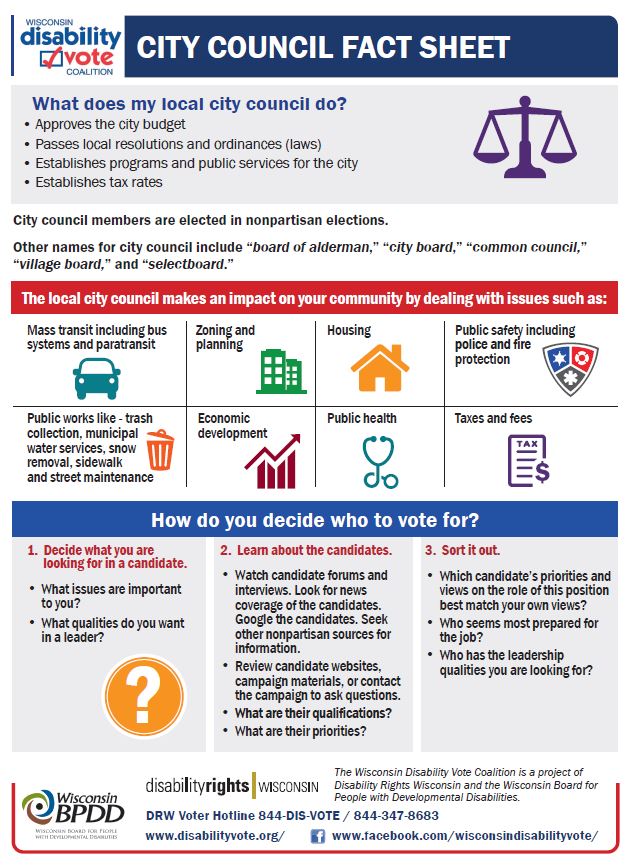
- Budget Approval: The annual city budget is the single most important financial document. Council members are tasked with reviewing, debating, and approving this budget, which allocates taxpayer money to various departments and services. This requires understanding revenue sources (taxes, fees, grants), expenditure categories, and long-term financial projections.
- Taxation and Revenue Policy: Decisions regarding property taxes, sales taxes, business licenses, and other revenue-generating mechanisms directly impact residents and local businesses. Council members must weigh the need for public services against the economic burden on constituents.
- Debt Management: Cities often issue bonds to finance large capital projects (e.g., infrastructure, public buildings). Council members must understand municipal bond markets, debt service requirements, and the long-term financial implications of borrowing.
- Auditing and Accountability: Ensuring that public funds are spent efficiently and ethically involves oversight of city departments, reviewing audit reports, and holding city management accountable for fiscal stewardship.
Without a foundational understanding of these financial concepts, council members risk making uninformed decisions that could have detrimental long-term consequences for the city’s financial stability and the well-being of its residents.
Economic Development and Policy Making
Beyond direct budget oversight, city council members are instrumental in shaping the local economy through various policy decisions.
- Business Incentives: Attracting and retaining businesses often involves offering financial incentives, such as tax abatements, grants, or infrastructure improvements. Council members must evaluate the return on investment for such incentives, ensuring they genuinely benefit the local economy and job creation without unduly burdening taxpayers.
- Zoning and Land Use: Decisions on zoning and land use, while seemingly regulatory, have profound economic impacts. They influence property values, development potential, and the types of businesses and residences that can operate in different areas, thereby affecting tax revenues and economic growth.
- Infrastructure Investment: Investing in roads, public transportation, water systems, and broadband internet are critical for economic vitality. Council members must prioritize these investments based on financial feasibility, long-term economic benefits, and community needs.
- Financial Literacy Education: Some council members even champion initiatives related to personal finance education for residents, recognizing the broader economic health of the community stems from the financial stability of its citizens.
These responsibilities highlight that financial acumen is not merely a desirable trait but an essential skill set for effective city council leadership.
Navigating Financial Disclosure and Ethics
Integrity and transparency are cornerstones of public service, and they are particularly pertinent in the realm of financial conduct for city council members. Strict ethical guidelines and financial disclosure requirements are in place to prevent conflicts of interest and maintain public trust.
Transparency and Conflict of Interest
Upon taking office, city council members are typically required to file detailed financial disclosure statements. These statements typically require the reporting of:
- Sources of Income: All significant sources of income for the council member and often their immediate family.
- Investments: Holdings in stocks, bonds, mutual funds, and other financial instruments.
- Real Estate Holdings: Ownership of property, both within and outside the city.
- Business Interests: Any ownership stakes or directorships in private businesses.
- Liabilities: Significant debts or loans.
The purpose of these disclosures is to identify potential conflicts of interest. For example, a council member who owns significant property in an area targeted for redevelopment might have a conflict when voting on related zoning changes. Ethical guidelines and city charters often mandate recusal from votes or discussions where a direct financial conflict exists. The financial transparency required is a critical mechanism for ensuring accountability and safeguarding the public interest over personal financial gain.
Building Trust Through Financial Integrity
Adhering to financial ethics is not just about avoiding legal repercussions; it’s about building and maintaining public trust. Any perception of impropriety, even if unintentional, can erode confidence in local government. Council members must always act with the highest degree of financial integrity, understanding that their financial decisions and disclosures are under constant public and media scrutiny. This includes:
- Avoiding Improper Gifts: Refusing gifts or favors that could be construed as attempts to influence official decisions.
- Using Public Resources Wisely: Ensuring that public funds and resources are used solely for public purposes and not for personal benefit.
- Promoting Fair Practices: Advocating for procurement processes and contract awards that are competitive, transparent, and serve the best financial interests of the city.
In conclusion, while the visible “requirements” to be a city council member often revolve around age, residency, and citizenship, the financial underpinnings of the role are pervasive and profound. From the economic commitment of candidacy and the careful management of campaign funds to the significant responsibilities of municipal fiscal oversight and strict ethical financial conduct, an understanding and aptitude for financial matters are not just beneficial but, in many ways, an unstated but essential requirement for effective public service at the city level.
aViewFromTheCave is a participant in the Amazon Services LLC Associates Program, an affiliate advertising program designed to provide a means for sites to earn advertising fees by advertising and linking to Amazon.com. Amazon, the Amazon logo, AmazonSupply, and the AmazonSupply logo are trademarks of Amazon.com, Inc. or its affiliates. As an Amazon Associate we earn affiliate commissions from qualifying purchases.