
Silver half dollars represent a unique intersection of intrinsic metal value and historical numismatic significance, making their worth a multifaceted calculation for collectors and investors alike. Understanding their true value extends beyond merely knowing the current price of silver; it encompasses an appreciation for their historical context, rarity, and condition. For those looking to invest in precious metals or diversify their financial portfolio, silver half dollars offer a tangible asset with both commodity and collectible appeal.
The Intrinsic Value: Understanding Silver Content
The foundational worth of any silver coin, including half dollars, begins with its precious metal content, often referred to as its “melt value.” This value fluctuates directly with the spot price of silver on global markets. However, not all silver half dollars contain the same amount or percentage of silver, a critical distinction for valuation.
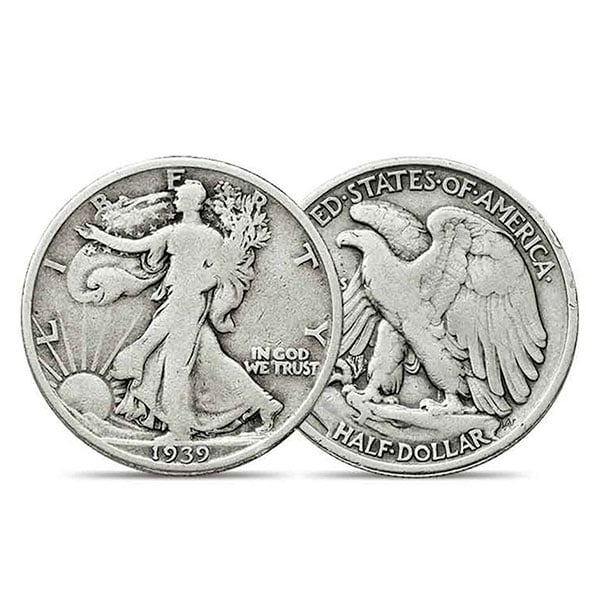
Pre-1965 90% Silver Half Dollars
The most sought-after silver half dollars for their bullion content are those minted prior to 1965. These coins, including the Barber half dollar (1892-1915), the Walking Liberty half dollar (1916-1947), and the Franklin half dollar (1948-1963), were struck with a composition of 90% silver and 10% copper. Each of these coins contains approximately 0.36169 troy ounces of pure silver.
For instance, a single 90% silver half dollar, weighing 12.5 grams (or 0.401875 troy ounces) with 90% purity, contains 0.36169 troy ounces of pure silver. To determine its melt value, one would multiply this silver content by the current spot price of silver per troy ounce. This consistent silver content makes them a straightforward way to invest in physical silver, often sold and bought in rolls or bags by their “face value” equivalent in silver weight.
1965-1970 40% Silver Half Dollars
A significant change occurred with the introduction of the Kennedy half dollar series in 1964. While the 1964 Kennedy half dollar maintained the 90% silver composition, subsequent issues from 1965 to 1970 saw a dramatic reduction in silver content. These half dollars were composed of 40% silver and 60% copper, often referred to as “junk silver” due to their lower purity, though they still hold intrinsic value.
A 40% silver Kennedy half dollar weighs 11.5 grams (or 0.37 troy ounces) and contains approximately 0.1479 troy ounces of pure silver. While less valuable on a per-coin basis than their 90% counterparts, these coins still offer a way to accumulate silver at a potentially lower entry price point. Their melt value is calculated similarly: silver content multiplied by the current spot price.
Key Factors Determining Silver Melt Value
- Spot Price of Silver: This is the most dynamic factor. The melt value of any silver half dollar directly correlates with the real-time market price of silver. Investors should track commodity markets for current prices.
- Coin Weight and Purity: As detailed above, the specific weight and percentage of silver in a coin dictate its raw silver content. It’s crucial to correctly identify the mint year and series to ascertain the correct purity level.
- Dealer Premiums: When buying or selling, dealers will typically charge a premium above the melt value to cover their operational costs, storage, and profit margins. Conversely, when selling, you may receive slightly less than the exact melt value. Understanding these premiums is vital for assessing actual transaction worth.
Beyond Melt Value: Numismatic Worth
While intrinsic silver content provides a baseline, many silver half dollars command a value far exceeding their melt worth due to their appeal to coin collectors. This “numismatic value” is driven by factors entirely separate from the precious metal market.
Rarity and Mintage Figures
The scarcity of a particular coin significantly impacts its collector value. Low mintage figures, especially combined with high demand, can drive prices skyward. Key dates are specific years and mint marks where a coin series had a significantly lower production run. For example, some Walking Liberty half dollars from specific mints (like the 1921-D or 1921-S) are considerably rarer and more valuable than others. Varieties, such as errors or specific die variations, can also create rarity. Researching mintage figures for each year and mint mark within a series is crucial for identifying potential numismatic treasures.
Condition and Grading
The physical condition of a coin is paramount in determining its numismatic worth. Coins are graded on a standardized scale, most commonly the Sheldon scale from 1 to 70 (e.g., MS-65 for Mint State, PR-69 for Proof).
- Circulated vs. Uncirculated: Coins that have been used in commerce (“circulated”) show wear and tear, which reduces their value. Uncirculated coins, also known as “Mint State” (MS), retain their original luster and detail and are significantly more valuable.
- Specific Grades: Within uncirculated coins, minor differences in luster, strike quality, and freedom from marks can lead to substantial value differences. For instance, an MS-65 Walking Liberty half dollar will be worth much more than an MS-60.
- Professional Grading: For high-value coins, professional grading services like PCGS (Professional Coin Grading Service) or NGC (Numismatic Guaranty Corporation) authenticate and encapsulate coins with an assigned grade. This process provides buyer confidence and often enhances a coin’s market value. The cost of grading can be a worthy investment for potentially valuable pieces.
Historical Significance and Collector Demand

Beyond physical attributes, a coin’s place in history or its aesthetic appeal can boost its desirability. The Walking Liberty half dollar, for example, is widely considered one of the most beautiful U.S. coin designs, contributing to its enduring popularity among collectors. Coins from specific historical periods or those associated with significant events may also carry a premium. Strong collector demand for a particular series or type will naturally increase its market price, regardless of its raw metal value.
Identifying and Valuing Your Silver Half Dollars
Accurately assessing the worth of your silver half dollars requires a systematic approach combining identification with market research.
A Guide to Popular Silver Half Dollar Series
- Barber Half Dollar (1892-1915): Known for its Liberty head design. Generally valuable in higher grades, with some key dates commanding significant premiums.
- Walking Liberty Half Dollar (1916-1947): Widely admired for its artistic design. Many dates are common in circulated grades, but uncirculated specimens and certain key dates (e.g., 1916-S, 1921, 1921-D, 1921-S, 1938-D) are highly prized.
- Franklin Half Dollar (1948-1963): Features Benjamin Franklin. No major rarities, but high-grade examples and full bell lines (a grading detail on the Liberty Bell) can add numismatic value.
- Kennedy Half Dollar (1964-Present): The 1964 issue is 90% silver. 1965-1970 issues are 40% silver. Later issues are clad (copper-nickel) and hold no silver value. Aside from the 1964 90% silver issues, early proofs (pre-1970) and some limited special issues hold collector interest, but generally less numismatic value compared to older series.
Research Tools and Resources
- Coin Price Guides: Publications like “A Guide Book of United States Coins” (the “Red Book”) are essential for estimated values, mintage figures, and key dates. Online databases from PCGS and NGC also offer robust price guides.
- Online Marketplaces and Auction Records: Websites like eBay (completed listings), Heritage Auctions, Stacks and Bowers, and other numismatic auction sites provide real-world transaction data, offering a glimpse into what specific coins are actually selling for.
- Online Coin Forums and Communities: Engaging with experienced collectors can provide valuable insights and identification assistance.
- Authorized Dealers: Reputable coin dealers often have extensive knowledge and can help identify and provide estimates. They can also be a trusted avenue for buying and selling.
The Role of Professional Appraisals
For inherited collections, significant finds, or uncertain high-value coins, a professional appraisal from a certified numismatist is highly recommended. Appraisers can accurately identify, grade, and value coins, providing a detailed assessment that considers both melt and numismatic factors. While there’s a fee for this service, it can provide invaluable peace of mind and accurate market positioning, especially for insurance purposes or estate planning.
Investing in Silver Half Dollars: A Portfolio Perspective
Beyond their allure as collectibles, silver half dollars can serve a strategic role within an investment portfolio, particularly for those interested in precious metals and tangible assets.
Diversification and Precious Metals
Including silver half dollars in a portfolio offers diversification away from traditional paper assets like stocks and bonds. Precious metals like silver are often seen as a hedge against inflation and economic uncertainty. Unlike silver bullion bars or rounds, silver half dollars carry the added potential for numismatic appreciation, offering a dual path to value growth. This duality can provide a more robust investment profile compared to pure bullion, assuming careful selection of coins with strong numismatic potential.
Potential for Appreciation and Downside Risks
The value of silver half dollars can appreciate in two ways: through an increase in the spot price of silver and/or through an increase in their numismatic value due to rarity, demand, or market trends. Historically, certain rare coins have seen substantial appreciation over decades.
However, risks exist. The spot price of silver is volatile and can decline. Numismatic values can also be subjective and influenced by collector trends, economic downturns, or even new discoveries that impact perceived rarity. Liquidity can also be a factor; selling rare coins at their full market value may take time, particularly compared to more liquid investments. Investors must perform due diligence and consider their risk tolerance.

Storage and Security Considerations
Physical silver, whether in coin or bullion form, requires secure storage. Options include:
- Home Safe: Suitable for smaller collections, but ensure it’s fireproof and secured.
- Bank Safe Deposit Box: Offers enhanced security against theft and fire, though access can be limited.
- Specialized Precious Metals Depositories: For larger investments, these facilities offer high-security storage, often insured, but incur ongoing fees.
Proper handling is also crucial. Always hold coins by their edges to prevent oils from your skin from damaging their surfaces, which can drastically reduce numismatic value. Using non-PVC, inert coin holders or slabs is essential for long-term preservation. Insurance should also be considered for significant collections, covering both loss and damage.
Ultimately, the worth of silver half dollars is a dynamic figure, a blend of their inherent silver content and the unique story, artistry, and scarcity each coin embodies. For the savvy investor and discerning collector, they represent not just a piece of currency, but a tangible asset with both historical depth and potential financial upside.
aViewFromTheCave is a participant in the Amazon Services LLC Associates Program, an affiliate advertising program designed to provide a means for sites to earn advertising fees by advertising and linking to Amazon.com. Amazon, the Amazon logo, AmazonSupply, and the AmazonSupply logo are trademarks of Amazon.com, Inc. or its affiliates. As an Amazon Associate we earn affiliate commissions from qualifying purchases.