
The unassuming ladybug, often seen as a charming garden visitor, holds a surprisingly significant place in the economic landscape, particularly within agriculture and sustainable business models. Beyond their aesthetic appeal, these small beetles represent a powerful, cost-effective, and ecologically sound asset, translating directly into tangible financial benefits for individuals and enterprises alike. Understanding their utility from a purely economic perspective reveals their profound impact on operational costs, revenue streams, investment opportunities, and long-term financial stability.
The Unsung Economic Heroes of Agriculture
For centuries, farmers have grappled with the relentless financial drain of pest infestations. Ladybugs, as natural predators, offer an elegant solution that directly impacts the bottom line, reducing expenditures and enhancing productivity. Their role extends far beyond simple pest control; they are a cornerstone of financially prudent agricultural practices.
Significant Savings on Pest Control Costs
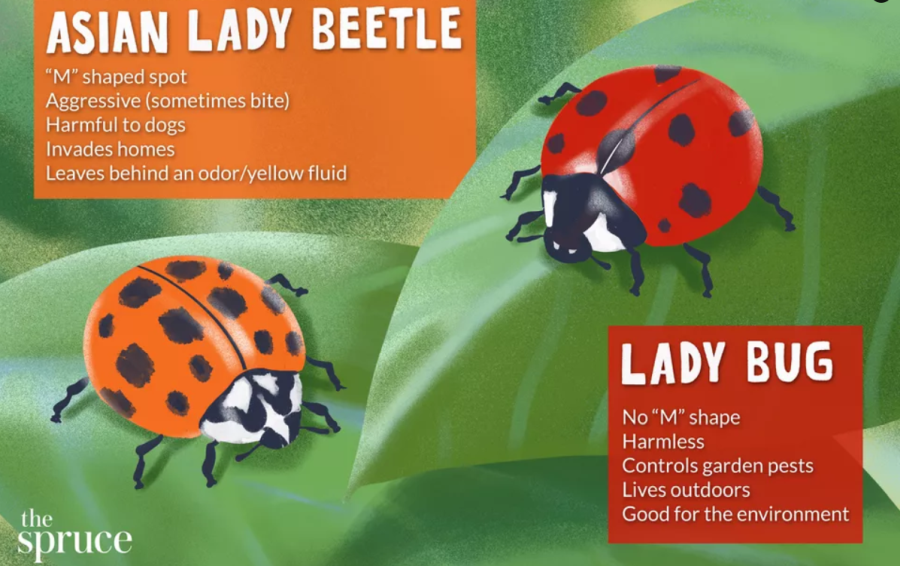
One of the most immediate and quantifiable financial benefits of ladybugs is their ability to drastically cut down on the need for chemical pesticides. Traditional pest management relies heavily on synthetic insecticides, which are not only expensive to purchase and apply but also carry associated costs such as specialized equipment, labor for application, and regulatory compliance. A single ladybug can consume up to 5,000 aphids in its lifetime, along with other destructive soft-bodied insects like mealybugs, scale insects, and mites. This natural predation significantly reduces pest populations, thereby mitigating the economic losses that would otherwise occur due to crop damage.
For large-scale agricultural operations, the annual expenditure on chemical pesticides can run into hundreds of thousands, if not millions, of dollars. By integrating ladybugs into an ecological pest management strategy, farms can see substantial reductions in these recurring costs. This saving is not a one-time event; it’s a recurring benefit that contributes to improved profit margins year after year, offering a reliable return on the minimal “investment” of fostering a conducive environment for these beneficial insects or even purchasing them for release.
Boosting Crop Yields and Quality
Pest infestations lead to diminished crop yields, reduced market value due to cosmetic damage, and in severe cases, complete crop failure. When pests decimate leaves, stems, or fruits, the quantity and quality of marketable produce decline, directly impacting a farm’s revenue. Ladybugs, by effectively controlling these destructive populations, safeguard crops from such damage.
By ensuring healthier plants, ladybugs indirectly contribute to higher yields and superior product quality. Healthier plants are more resilient, produce larger and more aesthetically pleasing fruits or vegetables, and often possess better nutritional profiles. For growers, this translates into premium pricing opportunities and stronger market positions. Consumers are increasingly willing to pay more for high-quality, blemish-free produce, especially if it’s grown with sustainable or organic practices. Thus, the financial impact isn’t just about saving money on inputs, but also about maximizing income through increased output and enhanced marketability.
Investing in Ecological Sustainability: A Smart Financial Move
In an era where environmental consciousness is growing, integrating natural solutions like ladybugs into business models is not just good for the planet; it’s a shrewd financial strategy that caters to evolving consumer demands and regulatory landscapes.
Organic Farming and Premium Market Access
The demand for organic produce has surged globally, creating a lucrative market segment. Organic certification often prohibits or severely restricts the use of synthetic pesticides, making natural pest control methods indispensable. Ladybugs are perfectly aligned with organic farming principles, offering a certified-organic solution to pest management.
Farmers who adopt ladybug-based strategies can achieve organic certification more readily, gaining access to premium organic markets where produce commands higher prices. This allows businesses to tap into a growing consumer base willing to pay a premium for food produced without harmful chemicals. The price difference between conventional and organic produce can be substantial, representing a significant uplift in revenue potential for operations that strategically leverage natural predators like ladybugs. This positions businesses as forward-thinking and environmentally responsible, appealing to a segment of consumers whose purchasing decisions are influenced by ethical and ecological considerations.
Reduced Environmental Impact, Enhanced Brand Value
Beyond direct financial savings and increased revenue, the use of ladybugs contributes to a broader financial benefit: enhanced brand value and reduced long-term liabilities. Chemical pesticide use carries risks of environmental contamination, soil degradation, and harm to non-target species, which can lead to regulatory fines, legal challenges, and reputational damage. By minimizing chemical inputs, businesses reduce these potential financial liabilities.
Furthermore, a commitment to sustainable practices, evidenced by the embrace of biological pest control, significantly boosts a company’s brand image. In today’s market, corporate social responsibility and environmental stewardship are powerful differentiators. Businesses known for their eco-friendly approaches can attract more discerning customers, foster greater brand loyalty, and even appeal to impact investors looking for sustainable enterprises. This enhanced brand equity can translate into increased sales, better stakeholder relations, and a stronger competitive advantage in the marketplace.
Ladybugs as a Niche Market and Income Generator
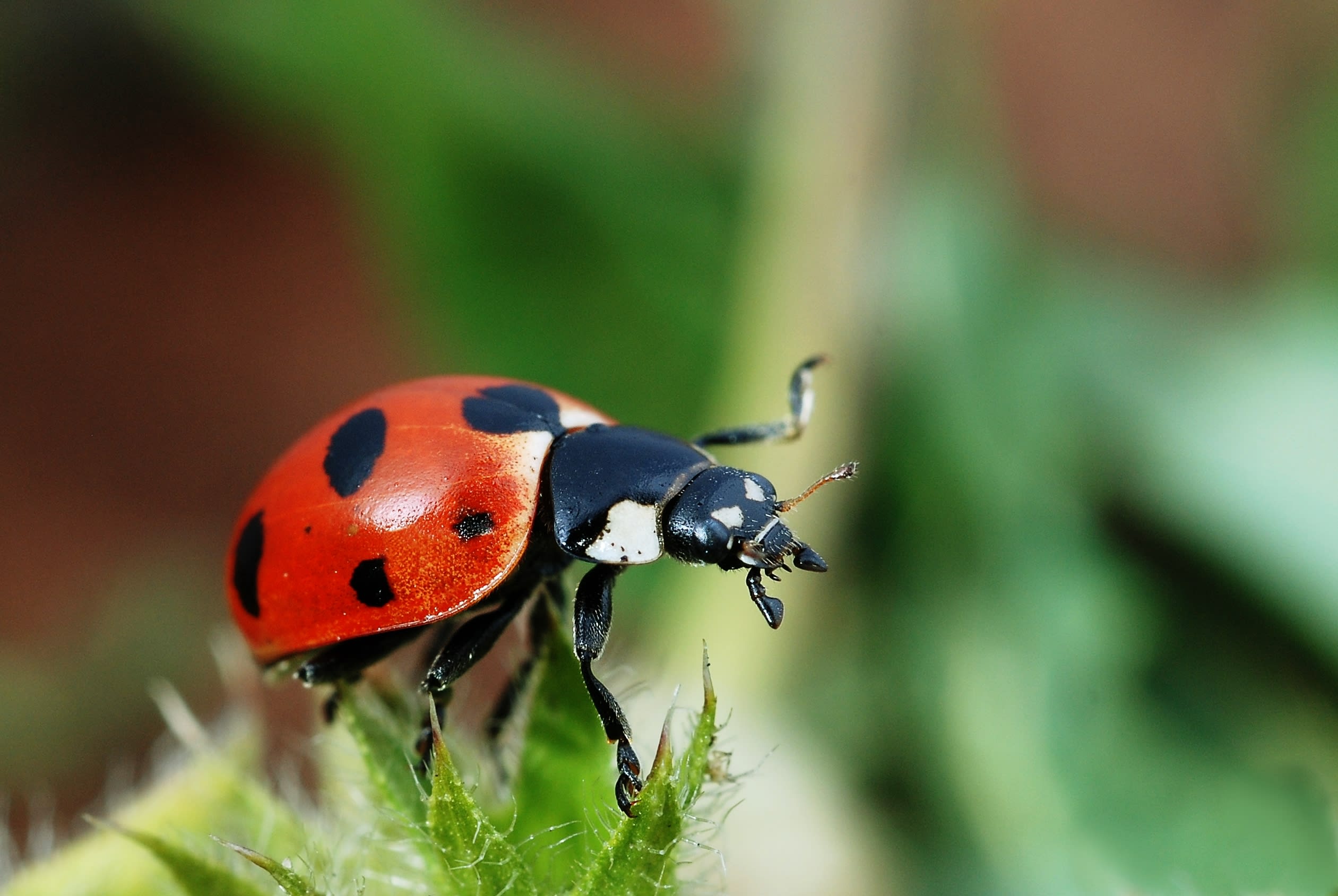
The economic utility of ladybugs extends beyond their direct application in pest control. They themselves can become a commodity, creating new revenue streams and supporting ancillary industries within the green economy.
Commercial Breeding and Distribution Opportunities
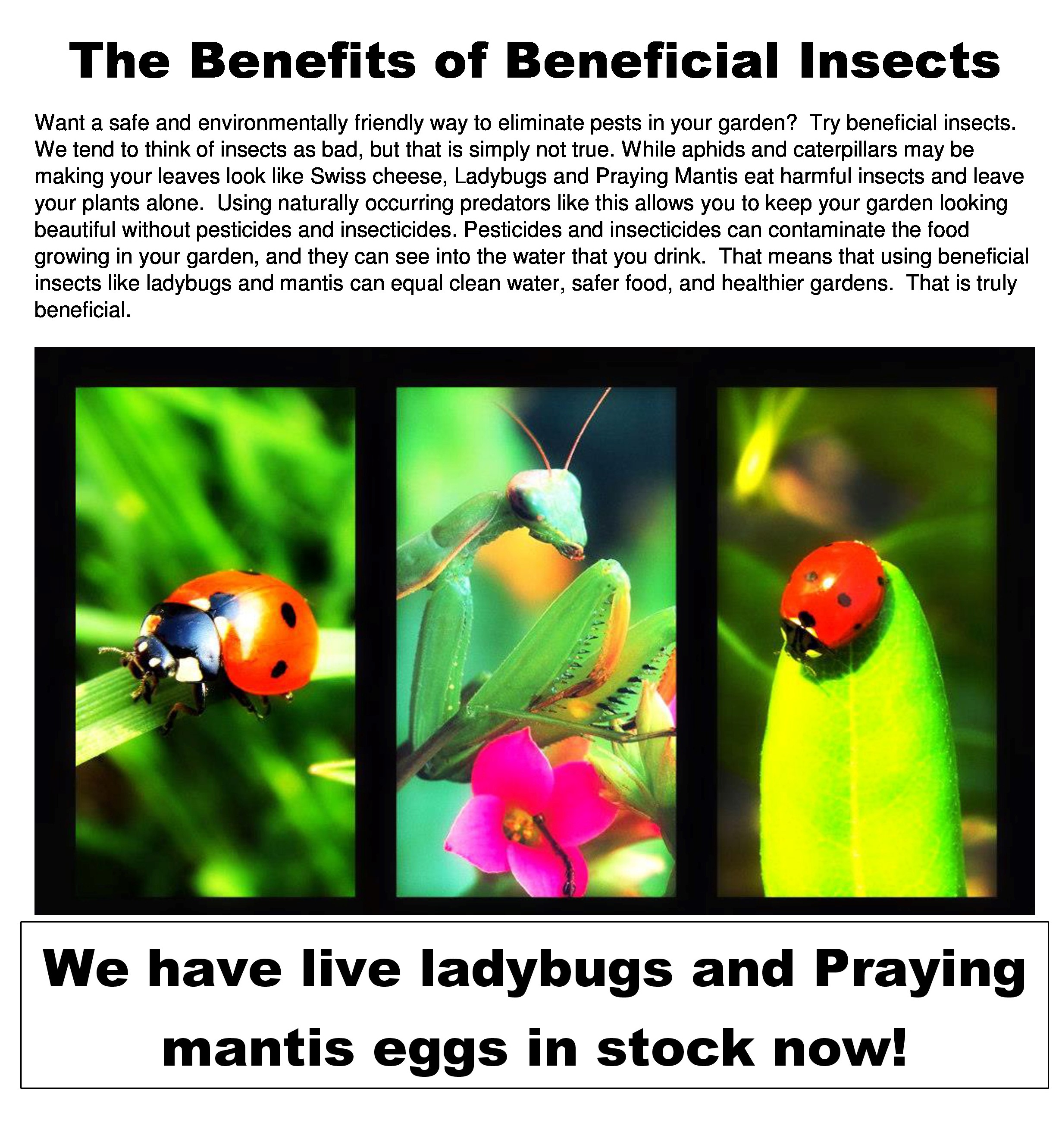
The demand for beneficial insects, including ladybugs, for agricultural and horticultural pest control is a growing niche market. Commercial insectaries specialize in breeding and distributing ladybugs to farmers, gardeners, and even urban dwellers seeking eco-friendly pest solutions. These businesses represent a viable income-generating opportunity, capitalizing on the increasing shift towards sustainable practices.
Starting and operating a commercial ladybug breeding facility requires specific knowledge and capital, but it offers a unique venture in the bio-control industry. Revenue is generated through the sale of live ladybugs, often in bulk, to a diverse clientele ranging from large-scale agricultural operations to individual home gardeners. This segment of the market underscores the direct financial value of ladybugs as a product rather than just a service.
Supporting Ancillary Green Industries
The widespread adoption of ladybugs and other beneficial insects supports a network of related industries. This includes businesses that design and sell habitats for beneficial insects, companies that provide consulting services for integrated pest management (IPM) strategies, and even educational programs focused on sustainable agriculture.
For instance, companies manufacturing “insect hotels” or specialized planting guides that encourage ladybug populations contribute to this ecosystem. Financial advisors specializing in agricultural investments might highlight the economic benefits of such biodiverse farms. These ancillary services and products create additional income streams and job opportunities, demonstrating the broader economic ripple effect of integrating natural solutions like ladybugs into our economic framework.
Risk Mitigation and Long-Term Financial Stability
Financial stability for agricultural businesses is often at the mercy of environmental factors and pest outbreaks. Ladybugs offer a form of natural insurance, mitigating risks and contributing to a more predictable and resilient financial future.
Building Resilience Against Pests
Relying solely on chemical pesticides can lead to resistance development in pest populations over time, rendering treatments less effective and necessitating the development of new, often more expensive, chemicals. This creates an unpredictable and escalating cost burden. Ladybugs, as a natural predator, do not suffer from such resistance issues. They offer a self-sustaining, long-term solution that evolves with pest populations, providing consistent control without the risk of diminishing efficacy.
By integrating ladybugs, businesses build resilience into their pest management strategy, reducing dependency on a single, potentially fragile, chemical solution. This diversified approach hedges against the financial risks associated with pest resistance and the volatility of pesticide markets, fostering greater long-term financial stability for agricultural enterprises.
The Cost of Biodiversity Loss vs. Preservation
The economic costs of biodiversity loss are immense, impacting everything from pollination services to natural pest control. Preserving beneficial insects like ladybugs is an investment in ecological capital that pays dividends in the form of ecosystem services. Destroying these natural assets through indiscriminate pesticide use ultimately imposes greater financial burdens in the long run, necessitating artificial (and often expensive) interventions to replace lost natural functions.
Financial foresight demands a recognition of the value of natural capital. Encouraging ladybug populations is an act of preserving a critical component of agricultural ecosystems, thereby safeguarding future productivity and mitigating the hidden costs of ecological degradation. This proactive approach to environmental management translates into avoided costs and sustained natural asset value, critical components of any robust long-term financial plan.
Financial Tools and Strategies for Integrated Pest Management
For businesses and individuals seeking to leverage the financial benefits of ladybugs, several strategies and tools can be employed within the “Money” context:
- Cost-Benefit Analysis: Conduct a thorough financial analysis comparing the long-term costs and benefits of chemical pest control versus biological control using ladybugs. Factor in direct material costs, labor, regulatory compliance, potential yield increases, and market premiums.
- Budget Allocation for Bio-control: Allocate specific budget lines for purchasing beneficial insects or for creating habitats that attract them (e.g., planting specific companion crops). View this as an investment in sustainable infrastructure rather than a mere expense.
- Accessing Green Financing: Explore financial incentives, grants, or loans available for sustainable agriculture or eco-friendly business practices. Many financial institutions and government programs support initiatives that reduce chemical use and promote biodiversity.
- Crop Insurance and Risk Management: Understand how sustainable pest management strategies, like those employing ladybugs, might impact crop insurance premiums or qualify for specific risk mitigation programs designed for eco-conscious farms.
- Market Research for Organic Premiums: Continuously research market demand and pricing for organic or sustainably produced goods to ensure optimal pricing strategies that capitalize on the quality and ethical appeal of ladybug-protected produce.
In conclusion, the humble ladybug is far more than a charming insect; it is a significant economic actor. Its ability to reduce costs, boost revenues, foster new markets, and mitigate financial risks positions it as an invaluable asset within the sphere of sustainable finance and agricultural economics. Recognizing and strategically utilizing “what ladybugs are good for” translates directly into smart financial decisions and a more resilient economic future.
aViewFromTheCave is a participant in the Amazon Services LLC Associates Program, an affiliate advertising program designed to provide a means for sites to earn advertising fees by advertising and linking to Amazon.com. Amazon, the Amazon logo, AmazonSupply, and the AmazonSupply logo are trademarks of Amazon.com, Inc. or its affiliates. As an Amazon Associate we earn affiliate commissions from qualifying purchases.