
The question “What are Hummels worth?” resonates with countless individuals inheriting these beloved ceramic figurines or those who have collected them over decades. Once a cornerstone of the collectibles market, M.I. Hummel figurines, based on the innocent artwork of Sister Maria Innocentia Hummel, enjoyed immense popularity, particularly from the 1970s through the 1990s. Today, however, their monetary value is a complex landscape, heavily influenced by market shifts, rarity, condition, and the ever-evolving tastes of collectors. Understanding the financial intricacies of Hummel values requires a deep dive into the factors that define their worth in the contemporary market.
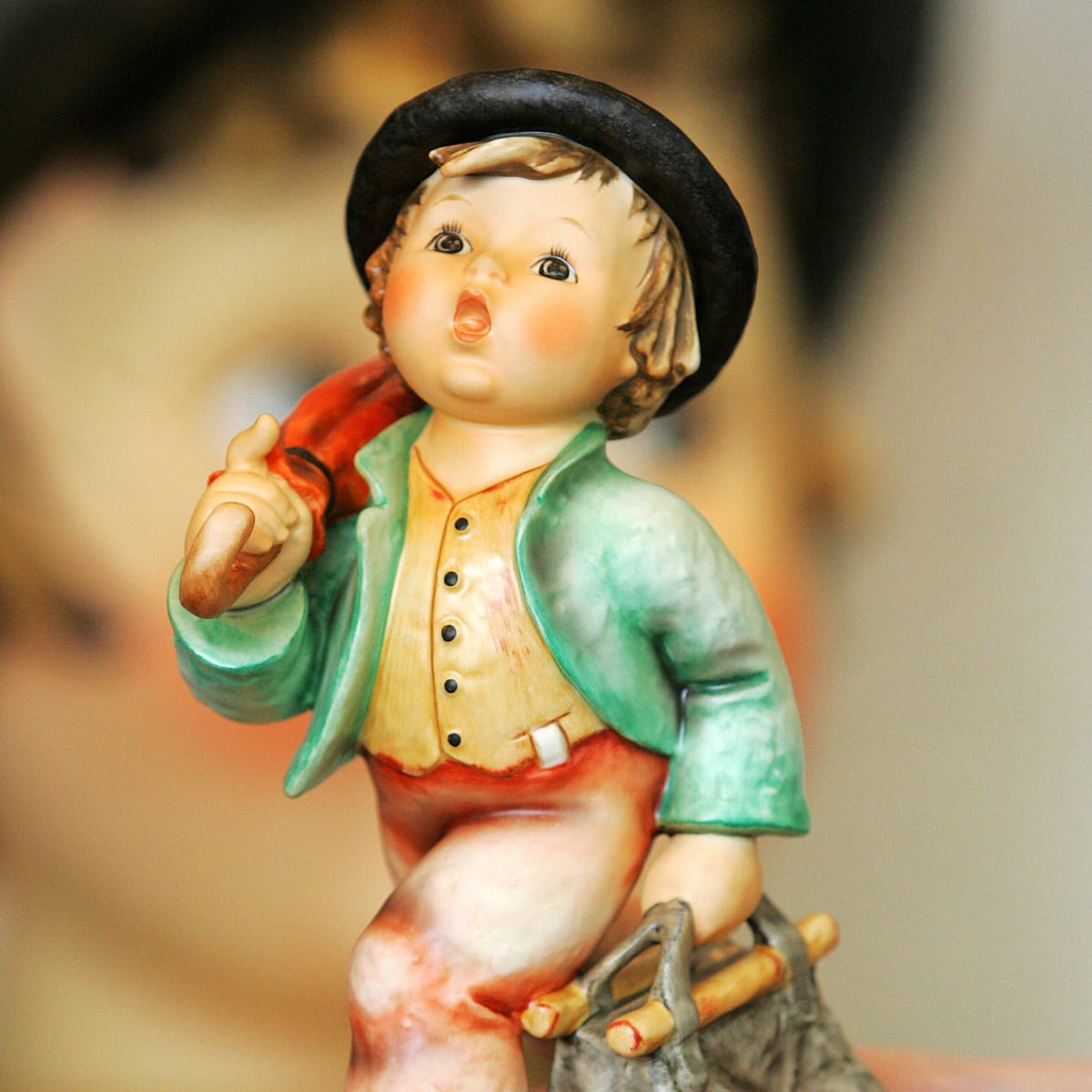
Understanding the Collectibles Market for Hummels
For much of the latter half of the 20th century, Hummel figurines were considered prime investments, treasured for their quaint charm and perceived appreciating value. Families often acquired them as gifts, heirlooms, or deliberate investments, with each piece carrying a story and a hope for future returns. The company, Goebel Porzellan, skillfully cultivated this market by introducing new designs, retiring older ones, and creating limited editions, all of which fueled collector demand and secondary market speculation.
The appeal of Hummels stemmed from their sentimental connection, depicting rosy-cheeked children in idyllic pastoral settings, often engaged in innocent activities. This nostalgic imagery resonated deeply, making them popular decorative items and gifts. However, like many other mass-produced collectibles of the era—such as Precious Moments, Beanie Babies, or collector plates—the Hummel market experienced a significant downturn in the early 21st century. Changing demographics, a move away from traditional decorative styles, and an oversupply stemming from peak production years contributed to a substantial re-evaluation of their market worth. While the collecting fervor has cooled, certain Hummels continue to hold notable value, making identification and appraisal critical for anyone assessing their collection.
Factors Influencing Hummel Value
Determining the precise value of a Hummel figurine is not a one-size-fits-all assessment. Several key factors interplay to dictate a piece’s worth in the current market:
- Rarity: This is arguably the most significant driver of value. Limited editions, prototypes, pre-production samples, “factory errors,” or figurines that had extremely short production runs are inherently rarer and command higher prices. Conversely, mass-produced pieces from the peak years (1970s-1990s), even if retired, often have diminished value due to their abundance.
- Condition: Pristine condition is paramount. Figurines free of chips, cracks, crazing, repairs, or significant paint loss will always be worth considerably more than damaged pieces. The presence of the original box and documentation (certificates of authenticity) can also add value, signifying careful preservation.
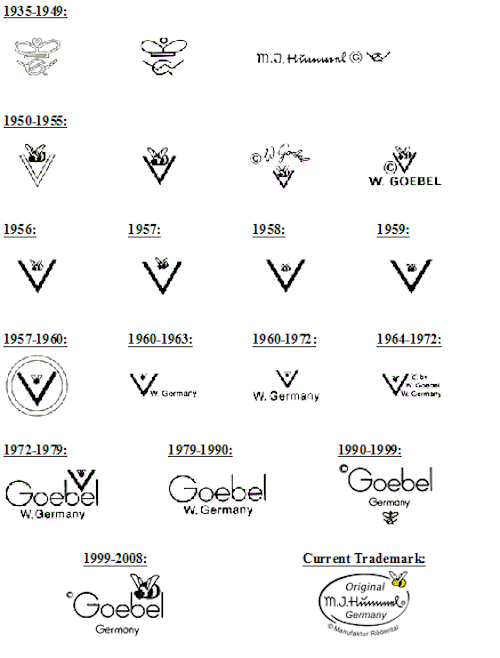
- Markings and Signatures: The Goebel trademark, particularly the “Full Bee” or “Stylized Bee” marks used in earlier periods (1950s-early 1970s), often indicates greater age and potential value. Pieces personally signed by Sister Maria Innocentia Hummel are exceedingly rare and highly sought after by serious collectors. Special edition numbers or artist marks can also influence value.
- Subject Matter and Size: Certain themes or figurines are more popular than others. Larger, more intricate, or multi-figure pieces often require more skilled craftsmanship and materials, translating to higher initial retail prices and potentially greater secondary market value if they are also rare. Specific popular early designs, regardless of size, can also retain value.
- Age: Generally, older Hummels, particularly those produced before 1960, tend to hold more value than newer ones. The earliest pieces, some dating back to the 1930s, are exceedingly rare and can fetch significant sums if in excellent condition.
- Originality and Authenticity: Ensuring a Hummel is an authentic Goebel product is crucial. While many reproductions are easily identifiable, careful inspection is always necessary. Authenticity significantly impacts perceived value.
The Current State of the Hummel Market
The Hummel market has undergone a dramatic transformation. The speculative boom of the late 20th century, where figurines were often bought with the expectation of significant appreciation, has largely ended. Today, most common Hummel figurines, particularly those produced in large quantities during the 1970s, 80s, and 90s, often sell for a fraction of their original retail price or for very modest amounts, sometimes as low as $10-$50. This can be disappointing for individuals who invested heavily or inherited extensive collections, only to find that their monetary worth has significantly depreciated.
This decline is attributable to several factors. The demographic that actively collected Hummels has aged, and younger generations often do not share the same aesthetic preferences or collecting habits. Furthermore, the sheer volume of production during their peak popularity means there is a vast supply of many designs, far outstripping the current demand. The internet also played a role, by increasing transparency in pricing and making it easier for buyers to find comparable items, driving prices down.
However, it would be incorrect to state that all Hummels are worthless. A discerning eye, combined with market knowledge, can still identify pieces that command respectable, and sometimes substantial, prices. The “sweet spot” for sellers and buyers today lies in understanding these nuances and focusing on truly rare, exceptional pieces rather than common examples. While the broad market for everyday Hummels has softened considerably, the niche for specific, highly collectible examples remains robust among dedicated enthusiasts and institutional collectors.
Identifying Potentially Valuable Hummels
While the majority of Hummels may not be fetching high prices, specific characteristics can indicate a potentially valuable piece:
- The “Full Bee” Mark: Figurines bearing the “Full Bee” mark (TMK-1, TMK-2, and some TMK-3 variations, generally from 1950-1959) are among the earliest and often the most sought-after. These older pieces were produced in smaller quantities and represent a different era of craftsmanship.
- M.I. Hummel Signature: Pieces bearing the actual signature of Sister Maria Innocentia Hummel are extremely rare. She signed only a very limited number of pieces during her lifetime, making these items exceptionally valuable to collectors.
- Limited Editions, Prototypes, and Samples: Any Hummel designated as a limited edition, a prototype (a test piece never widely released), or a pre-production sample will have significantly higher rarity and thus, often higher value. These are typically identifiable by specific markings or documentation.
- Large and Complex Scenes: Figurines that depict large, intricate scenes with multiple figures or elaborate bases tend to be rarer and more valuable, especially if they are also older. Their complexity made them more expensive to produce and less common.
- Unusual or Discontinued Pieces: Figurines with very short production runs, those that were discontinued quickly due to production challenges, or pieces with unusual design elements can be more difficult to find and therefore more valuable.
- “Goebel Germany” Exclusivity: Older pieces that were exclusively produced for the German market, and not widely exported, can also carry a premium due to their scarcity in other regions.
Strategies for Valuing and Selling Your Hummels
For those looking to understand the monetary worth of their Hummel collection or considering selling, a structured approach is essential. Realistic expectations are paramount, given the current market climate.
Professional Appraisals
For large or potentially highly valuable collections, a professional appraisal by an expert in Goebel Hummels can be a worthwhile investment. Appraisers provide an unbiased estimate of value based on current market trends, condition, and rarity. Look for appraisers accredited by reputable organizations who specialize in collectibles or ceramics. Be prepared that an appraisal fee is usually charged regardless of the collection’s eventual market value.
Online Resources and Databases
For most collections, readily available online resources offer a cost-effective way to gauge value:
- Completed Auction Results: Websites like eBay (filtering by “Sold Items”), LiveAuctioneers, and Heritage Auctions provide access to historical sales data. This is arguably the most accurate indicator of true market value, showing what real buyers are willing to pay. Search for your specific Hummel by name and mold number.
- Hummel Price Guides: Several online databases and printed price guides exist, offering cataloged information on mold numbers, production years, and estimated values. While these can provide a starting point, remember that published values may not always reflect actual sale prices, especially in a fluctuating market.
- Collector Forums and Groups: Online communities dedicated to Hummel collecting can offer insights, advice, and sometimes even direct opportunities to connect with buyers. These groups often have experienced members who can help identify rare pieces.
Selling Platforms
Once you have an idea of your Hummel’s value, selecting the right selling platform is crucial to maximize your return:
- Online Marketplaces (e.g., eBay): Ideal for individual pieces or smaller collections. Detailed descriptions, high-quality photos, and careful packaging are vital. Be prepared for shipping costs and platform fees.
- Specialized Auction Houses: For exceptionally rare or valuable Hummels, a reputable auction house specializing in fine art or collectibles can reach a dedicated buyer base. They handle marketing, authentication, and logistics, but charge a commission.
- Antique Dealers/Consignment Shops: These can be convenient for smaller numbers of common pieces, offering a quick sale. However, dealers need to make a profit, so the price offered will be below retail or auction value. Consignment might offer a slightly better return but takes longer.
- Online Hummel Retailers/Specialists: Some businesses specialize solely in buying and selling Hummels. They might offer competitive prices for desirable pieces, but again, need to factor in their overheads.
Maximizing Your Return
To ensure you get the best possible price for your Hummels, consider these tips:
- Documentation and Provenance: Keep all original boxes, certificates of authenticity, and any purchase receipts. These verify the figurine’s origin and can add to its appeal.
- High-Quality Photography: For online listings, clear, well-lit photos from multiple angles are indispensable. Highlight any unique markings or features, as well as any imperfections.
- Detailed Descriptions: Be meticulously honest about the figurine’s condition, including any chips, cracks, or repairs. Provide the full mold number, trademark, and size.
- Strategic Timing: While there isn’t a universally “best” time to sell, being aware of seasonal buying trends (e.g., gift-giving holidays) or collector conventions might occasionally present opportunities.

Beyond Monetary Value: The Intrinsic Worth of Collectibles
While the focus on “what are Hummels worth” is inherently financial, it’s important to acknowledge that the value of collectibles extends beyond market price. For many, Hummels represent cherished memories, family heirlooms, or simply the joy of collecting art.
The sentimental value attached to a Hummel, perhaps a gift from a grandparent or a piece commemorating a special occasion, often far outweighs its fluctuating market price. These items become tangible links to the past, holding stories and emotional significance that no financial appraisal can capture. For dedicated collectors, the thrill of the hunt, the completion of a series, or the aesthetic pleasure derived from displaying their collection is its own reward, irrespective of investment potential.
In an era where many traditional collectibles have seen their financial peaks recede, the emphasis for new collectors or those inheriting pieces might shift from pure investment to appreciation for craftsmanship, history, and personal connection. Understanding that most Hummels today are valued more for their nostalgic appeal and artistic merit than as appreciating financial assets can help temper expectations and allow for enjoyment of these charming figurines for what they truly are: delightful pieces of cultural history.
aViewFromTheCave is a participant in the Amazon Services LLC Associates Program, an affiliate advertising program designed to provide a means for sites to earn advertising fees by advertising and linking to Amazon.com. Amazon, the Amazon logo, AmazonSupply, and the AmazonSupply logo are trademarks of Amazon.com, Inc. or its affiliates. As an Amazon Associate we earn affiliate commissions from qualifying purchases.