
Golden raisins, often perceived simply as a lighter-hued alternative to their traditional dark counterparts, hold a distinct and significant position within the global agri-food economy. Their unique processing, market positioning, and consumer appeal create specific financial dynamics and entrepreneurial opportunities that are worth exploring for anyone engaged in or considering ventures in the food industry, e-commerce, or agricultural commodities. Understanding “what golden raisins are” extends beyond their botanical origins to encompass their economic value, market impact, and potential as a driver for income and investment.
Golden Raisins: A Premium Product in the Agri-Food Economy
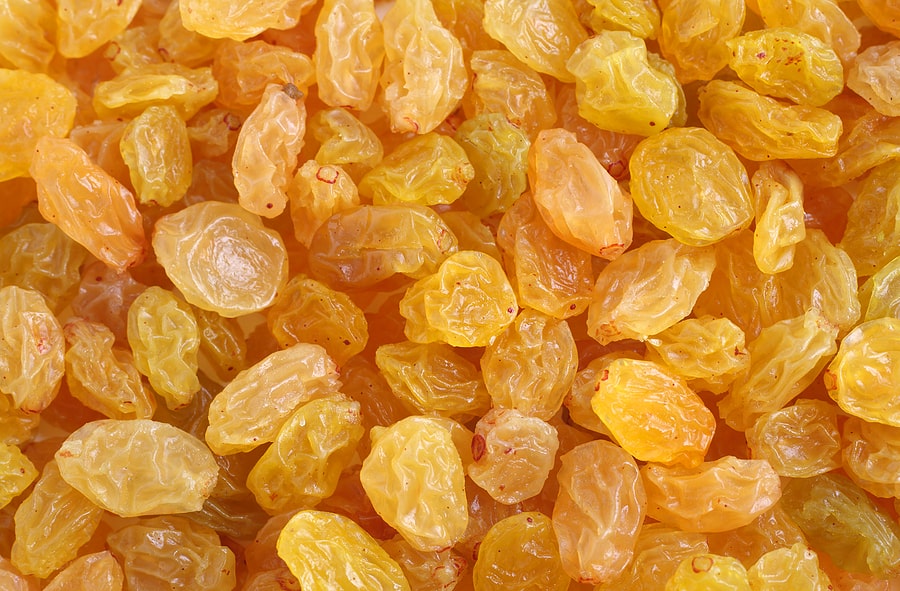
At their core, golden raisins are dried grapes, primarily Thompson Seedless, that undergo a specialized drying process designed to preserve their lighter color and often a slightly more delicate flavor profile compared to sun-dried dark raisins. While regular raisins are typically dried directly under the sun, allowing natural caramelization and oxidation to darken their skins, golden raisins are usually mechanically dried with a sulfur dioxide treatment. This process inhibits browning, resulting in the characteristic golden hue and a plumper, often juicier texture. This differentiation is crucial for their commercial standing.

From a financial standpoint, this unique processing translates into several key factors:
- Production Costs: The controlled drying environment and sulfur dioxide treatment often involve higher initial capital expenditure and operational costs compared to simple sun-drying methods. This directly impacts the farm-gate price and subsequent wholesale costs.
- Market Segmentation: The distinct appearance and texture allow golden raisins to occupy a premium niche. They appeal to consumers and culinary professionals seeking specific aesthetic qualities for baking, gourmet dishes, or snack mixes where appearance is a critical factor. This premium positioning enables higher retail price points.
- Value Proposition: Beyond aesthetics, the perceived “premium” quality often aligns with consumer trends towards higher-quality ingredients, specialty foods, and health-conscious snacking. Businesses leveraging golden raisins can articulate a strong value proposition based on superior ingredient quality and sensory experience.
For entrepreneurs, understanding this premium positioning is fundamental. It dictates marketing strategies, pricing structures, and the types of distribution channels most effective for maximizing profitability. Entering this market segment requires recognizing the consumer’s willingness to pay more for perceived quality and differentiation.
Market Dynamics: Supply, Demand, and Pricing Strategies
The market for golden raisins is influenced by a complex interplay of agricultural factors, global trade policies, consumer preferences, and economic conditions. Navigating these dynamics is essential for any business aiming to profit from this commodity.
Understanding Consumer Demand for Premium Ingredients
Consumer demand for golden raisins is often driven by several factors:
- Culinary Applications: Chefs and home cooks often prefer golden raisins for their visual appeal in baked goods (e.g., oatmeal cookies, fruitcakes), savory dishes (e.g., tagines, pilafs), and salads. This demand creates a steady market in the food service and retail sectors.
- Snacking Trends: As consumers increasingly seek healthier snack options, dried fruits, including golden raisins, fit the bill. Their natural sweetness and portability make them attractive, particularly in premium snack mixes or individually packaged portions.
- Ingredient Awareness: A growing segment of consumers is more aware of ingredient origins and processing methods. While sulfur dioxide might be a concern for some, others appreciate the specific qualities it helps preserve, often viewing it as a mark of quality control in processing.
Businesses can capitalize on these trends by conducting thorough market research to identify specific demographics and culinary niches where golden raisins resonate most strongly. This allows for targeted marketing and product development, such as creating gourmet snack packs or sourcing organic golden raisins for a premium, health-conscious market.
Supply Chain Dynamics and Global Trade
The primary producers of golden raisins include the United States (California), Turkey, and South Africa. Geographic concentration of production can lead to supply vulnerabilities due to weather patterns, agricultural diseases, or changes in trade agreements.
- Agricultural Volatility: Crop yields can fluctuate significantly year-to-year, directly impacting global supply and, consequently, prices. Smart procurement strategies involve diversifying sources or hedging against price increases through forward contracts.
- Logistics and Transportation: As a non-perishable commodity, golden raisins are relatively stable for long-distance shipping. However, transportation costs, customs duties, and import regulations significantly affect landed costs for international trade. Businesses must factor these into their financial models.
- Exchange Rates: For international traders, currency fluctuations can turn a profitable deal into a loss. Implementing currency hedging strategies or operating with multi-currency accounts can mitigate these risks.
Understanding the global supply chain, from agricultural production to processing, packaging, and distribution, is critical for competitive sourcing and pricing. Businesses that can efficiently manage these elements gain a significant financial advantage.
Unlocking Business Potential: E-commerce and Niche Markets
The digital economy offers unprecedented opportunities for leveraging specialty products like golden raisins into profitable ventures. E-commerce platforms and strategic niche marketing can transform a commodity into a brand.
E-commerce Strategies for Specialty Food Sales
Selling golden raisins online presents a direct path to market with lower overheads than traditional brick-and-mortar retail.
- Direct-to-Consumer (DTC) Models: Establishing an online store (e.g., Shopify, WooCommerce) allows businesses to sell directly to consumers, bypassing intermediaries and capturing higher profit margins. This requires robust digital marketing, search engine optimization (SEO), and a seamless e-commerce experience.
- Marketplace Selling: Leveraging platforms like Amazon, eBay, or specialty food marketplaces provides access to vast customer bases. While commission fees apply, these platforms handle much of the traffic generation and payment processing, making them ideal for startups or businesses testing the waters.
- Subscription Boxes: Curated snack or baking ingredient subscription boxes can feature golden raisins, providing recurring revenue and building customer loyalty. This model emphasizes convenience and discovery for consumers.
Successful e-commerce ventures prioritize high-quality product photography, compelling descriptions highlighting the unique benefits of golden raisins, and efficient fulfillment strategies. Customer reviews and testimonials play a vital role in building trust and driving sales in the online space.
Identifying Target Markets and Value Propositions
Effective business growth hinges on precise market targeting and a clear value proposition.
- Health and Wellness Niche: Position golden raisins as a natural, energy-rich snack for athletes, hikers, or health-conscious individuals. Emphasize their fiber content, natural sugars, and antioxidant properties (if applicable and substantiated).
- Gourmet Food Enthusiasts: Target bakers, home chefs, and foodies who appreciate premium ingredients. Highlight the specific culinary applications where golden raisins excel, perhaps even offering recipe suggestions.
- Bulk Buyers: Cater to small businesses, restaurants, bakeries, or co-ops that require larger quantities. Offer competitive wholesale pricing and reliable supply.
Crafting a unique value proposition involves more than just selling the product; it’s about selling a solution or an experience. For instance, a brand could emphasize sustainable sourcing, unique packaging, or a commitment to quality that sets their golden raisins apart from generic offerings.
Financial Management for Golden Raisin Ventures
Sound financial management is the bedrock of any successful food business. This involves meticulous cost analysis, strategic pricing, and understanding profit margins.
Cost Analysis: Production vs. Wholesale Procurement
Whether a business produces golden raisins or sources them wholesale, a detailed cost analysis is imperative.
- Production Costs: For cultivators, this includes land costs, irrigation, labor, harvesting, processing (drying, sulfur treatment), packaging materials, and transportation to market. Understanding fixed vs. variable costs is essential for scalability.
- Wholesale Procurement: For resellers, costs include the purchase price per pound/kilogram, freight, customs duties, warehousing, quality control checks, repackaging, and administrative overheads.
- Hidden Costs: Don’t overlook costs such as waste, returns, marketing expenses, payment processing fees, and insurance. These can significantly erode profitability if not accounted for.
Accurate cost tracking allows businesses to identify inefficiencies, negotiate better prices with suppliers, and make informed decisions about inventory management.
Setting Competitive Prices and Maximizing Margins
Pricing golden raisins strategically requires balancing competitiveness with profitability.
- Cost-Plus Pricing: Adding a desired profit margin to the total cost. While simple, it might not always align with market demand or perceived value.
- Value-Based Pricing: Setting prices based on the perceived value to the customer, particularly relevant for premium or specialty products. If customers perceive high quality and uniqueness, they may tolerate higher prices.
- Competitive Pricing: Analyzing competitors’ prices and positioning one’s own product accordingly. This requires continuous market monitoring.
Maximizing margins involves not only smart pricing but also efficient operations. Reducing waste, optimizing packaging, and negotiating favorable shipping rates directly contribute to higher profitability. Offering different pack sizes (e.g., bulk for food service, smaller pouches for snacks) can also capture different price points and expand market reach.
Investment Perspectives: From Commodity to Brand
Beyond direct sales, golden raisins can feature in broader investment strategies, from agricultural commodities to brand equity.
Beyond Retail: B2B Opportunities and Food Service
While direct retail is visible, significant financial opportunities exist in the business-to-business (B2B) sector.
- Food Manufacturers: Supplying golden raisins as an ingredient to bakeries, cereal producers, snack bar manufacturers, or confectionery companies. This often involves larger volumes and long-term contracts.
- Wholesale Distribution: Acting as a distributor for golden raisins, connecting growers/processors with smaller retailers, food service providers, or institutional buyers. This requires strong logistics and sales networks.
- Ingredient Sourcing for Health Brands: Partnering with health food companies looking for specific, high-quality, or ethically sourced dried fruit ingredients for their product lines.
These B2B channels can offer more stable and larger revenue streams, though they often require different sales and marketing approaches than direct-to-consumer models.
Value-Added Products and Brand Development
The ultimate financial leverage often comes from moving beyond selling a raw commodity to creating value-added products and building a strong brand.
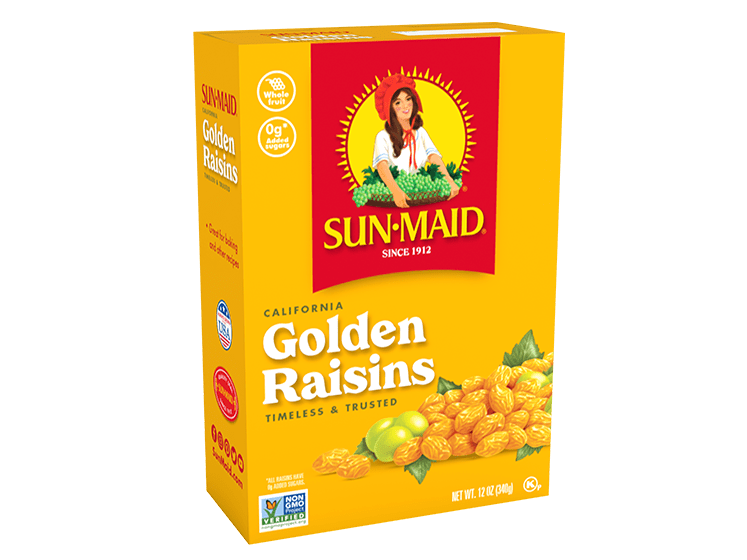
- Branded Snacking: Developing a brand of golden raisin-based snack packs, potentially flavored or mixed with other ingredients (nuts, seeds). This allows for higher margins and direct consumer engagement.
- Gourmet Food Products: Incorporating golden raisins into specialty jams, chutneys, granola, or artisan baked goods. The unique characteristics of golden raisins can elevate the entire product line.
- Licensing and Partnerships: For established brands, opportunities might arise for licensing agreements or co-branding initiatives that expand market reach without significant capital outlay.
Investing in brand identity, quality control, and innovative product development transforms golden raisins from a mere agricultural product into a valuable asset with greater market resilience and higher profit potential. For investors, this shift from commodity to branded product represents a more attractive long-term opportunity, as brand equity often commands a premium.
aViewFromTheCave is a participant in the Amazon Services LLC Associates Program, an affiliate advertising program designed to provide a means for sites to earn advertising fees by advertising and linking to Amazon.com. Amazon, the Amazon logo, AmazonSupply, and the AmazonSupply logo are trademarks of Amazon.com, Inc. or its affiliates. As an Amazon Associate we earn affiliate commissions from qualifying purchases.