
The gilet, often simply referred to as a bodywarmer or vest, is an item of clothing that has transcended its utilitarian origins to become a versatile staple in both personal and corporate wardrobes. Far more than just a piece of fabric without sleeves, the gilet embodies a fascinating intersection of design, functionality, and identity, influencing how individuals and organizations project their image. Understanding “what are gilets” requires delving into their distinctive design, their historical evolution, and their profound impact on brand expression and personal style.
The Anatomy of a Gilet: Design and Functional Form
At its core, a gilet is a sleeveless jacket or vest, typically worn as an outer layer over other clothing. Its defining characteristic is the absence of sleeves, which differentiates it from a full jacket while providing core warmth and unhindered arm movement. This fundamental design principle is the bedrock of its enduring appeal and adaptability.

Core Design Elements
Gilets come in an astonishing array of designs, each tailored to specific functions, aesthetics, and target demographics. Common design elements include:
- Materials: The choice of material is crucial, dictating the gilet’s warmth, weight, and texture. Down or synthetic insulation fills are prevalent for warmth-focused gilets, often encased in durable, water-resistant nylon or polyester shells. Fleece gilets offer softness and breathability, while wool or tweed versions lean towards classic, sophisticated aesthetics. Technical fabrics featuring moisture-wicking, windproofing, or stretch properties cater to active lifestyles. The tactile experience and visual appeal of these materials contribute significantly to a gilet’s brand perception.
- Collar Styles: Collars vary from low-profile stand-up styles that offer neck protection without bulk, to more traditional fold-down collars that lend a tailored look. Hooded gilets, though less common, provide additional protection against the elements, often seen in more casual or outdoor-focused designs. The collar helps frame the face and adds another layer of design detail that can align with a brand’s overall aesthetic.
- Fastenings: Zippers are the most common fastening for their ease of use and secure closure, often accompanied by storm flaps for added weather protection. Buttons, snaps, or toggles appear on more fashion-forward or traditional designs, contributing to a specific stylistic narrative. The quality and finish of these fastenings are subtle indicators of a product’s overall craftsmanship and brand positioning.
- Pockets: Practicality is a hallmark of the gilet, and well-placed pockets are essential. These range from handwarmer pockets, often fleece-lined for comfort, to chest pockets for small essentials, and internal pockets for security. The design, number, and accessibility of pockets are key considerations for usability, reinforcing the gilet’s functional brand identity.
Functional Versatility and Aesthetic Adaptability
The gilet’s sleeveless design offers a unique balance: it provides core insulation without restricting arm movement, making it ideal for activities ranging from hiking and cycling to golfing or simply navigating urban environments. This functional versatility positions gilets across multiple market segments, from outdoor apparel to smart-casual wear. Aesthetically, gilets effortlessly layer over shirts, sweaters, or even light jackets, adapting to various temperatures and style preferences. This layering potential makes them a highly adaptable piece for transitional weather, allowing for easy adjustment to comfort levels while maintaining a cohesive look. This adaptability is a key selling point for brands, highlighting the gilet’s role in a flexible, modern wardrobe.
Gilets as a Statement: Personal and Corporate Identity
Beyond its functional attributes, the gilet serves as a powerful medium for expressing identity—both individual and organizational. Its prominence in diverse settings speaks to its capacity to convey specific brand messages and personal styles.
Shaping Personal Style and Branding
For individuals, the gilet is a strategic garment in crafting a personal brand. A sleek, minimalist gilet from a high-end designer brand can communicate sophistication and an appreciation for understated luxury. A rugged, insulated gilet from an outdoor performance brand signals an active lifestyle and an adventurous spirit. Collegiate-branded gilets foster a sense of belonging and allegiance. The choice of color, material, fit, and brand logo on a gilet contributes significantly to the wearer’s projected image. It allows for a subtle yet impactful declaration of values, affiliations, and aesthetic preferences without the full commitment of a jacket. This makes the gilet a deliberate choice for individuals aiming to curate their visual identity.
Corporate Uniforms and Brand Representation
In the corporate world, gilets have found a firm footing as a practical and effective element of employee uniforms and promotional wear. Companies frequently leverage gilets for several reasons:
- Brand Visibility: With prominent space for embroidered or printed logos on the chest or back, gilets offer excellent brand visibility. Employees wearing branded gilets at events, client meetings, or in the workplace become walking advertisements, reinforcing brand recognition.
- Professional Yet Approachable Image: A well-designed corporate gilet strikes a balance between professional attire and a more approachable, comfortable look. This is particularly valuable in sectors like technology, hospitality, logistics, or field services where a full suit might be too formal, but a polished appearance is still crucial.
- Team Cohesion and Identity: Uniform gilets foster a sense of unity and team spirit among employees. They create a visual cohesion that can enhance internal morale and present a unified front to external stakeholders, reinforcing the corporate identity.
- Practicality and Comfort: For employees working in varied indoor/outdoor environments or those requiring freedom of movement, gilets offer practical warmth without bulk. This enhances employee comfort, which in turn can contribute to productivity and job satisfaction.
Brands often select gilet styles and colors that align with their corporate identity guidelines, using them as a tangible extension of their brand values—be it innovation, reliability, or a commitment to employee well-being.
From Utility to Fashion Icon: A Design Evolution
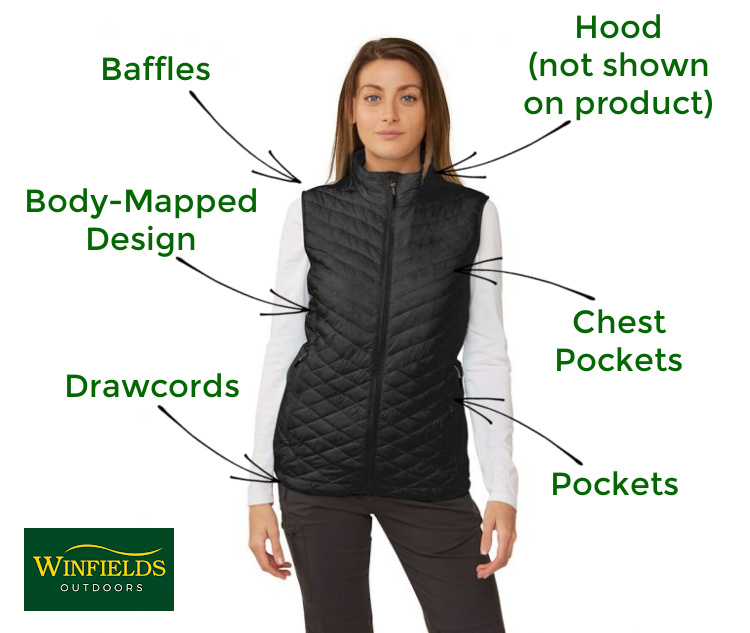
The gilet’s journey from a purely functional item to a significant fashion piece is a testament to its adaptive design and its ability to absorb and reflect evolving cultural trends.
Historical Roots and Practicality
The origins of the gilet can be traced back to historical waistcoats and sleeveless jackets worn for practicality, warmth, and as part of formal attire. Throughout centuries, various forms of sleeveless garments served different purposes, from military uniforms demanding freedom of movement to working-class attire requiring durability. Early versions were primarily functional, made from robust materials like wool or canvas, and designed to protect the wearer’s core without impeding their arms during labor or activity. This initial focus on utility established a foundational design principle that continues to resonate today.
Modern Interpretations and High Fashion
The mid-20th century saw the gilet begin its transformation into a more widespread fashion item. The advent of synthetic insulation, particularly down and polyester fills, revolutionized its design, making it lighter, warmer, and more packable. This innovation allowed brands to position gilets not just for utility but also for leisure and sport.
In contemporary fashion, gilets run the gamut from highly technical performance wear to luxury runway pieces. Designers have experimented with diverse fabrics, cuts, and embellishments, integrating gilets into haute couture collections. Puffa gilets, for instance, have seen cyclical resurgence, often styled oversized or with unexpected textures, demonstrating their versatility. Quilted gilets maintain a classic, preppy aesthetic, while sleeveless denim or leather vests evoke edgier, rebellious connotations. This design evolution underscores the gilet’s chameleon-like ability to adapt to varying stylistic currents, making it a relevant piece for an ever-changing fashion landscape.
Marketing the Gilet: Market Positioning and Consumer Appeal
The diverse nature of gilets presents unique opportunities and challenges for marketing and brand positioning. Successful brands understand how to segment the market and communicate the specific value propositions of their gilet offerings.
Targeting Diverse Demographics
Gilets are not a one-size-fits-all product, and their marketing reflects this. Brands targeting outdoor enthusiasts emphasize durability, insulation technology, and weather resistance, often showcasing gilets in rugged landscapes. Fashion brands, conversely, highlight silhouette, fabric luxury, and styling versatility, often featuring gilets in urban or high-fashion editorial contexts. Corporate apparel providers focus on customizable branding options, bulk purchasing, and the professional image conveyed by their gilets. This segmented approach allows brands to speak directly to the specific needs and desires of their target consumers, reinforcing a distinct brand identity.
Sustainable and Ethical Branding in Gilet Production
In an era of increasing consumer awareness, sustainability and ethical practices have become critical marketing differentiators. Brands producing gilets are increasingly highlighting their use of recycled materials, responsibly sourced down, animal-free synthetic alternatives, and fair labor practices. Marketing messages often emphasize transparency in the supply chain and the long-term durability of their products as an antidote to fast fashion. A gilet from a brand committed to sustainability resonates with consumers who prioritize ethical consumption, thus enhancing the brand’s reputation and attracting a values-aligned customer base. This shift reflects a broader trend in brand strategy towards aligning product design and marketing with social and environmental responsibility.
The Enduring Appeal: Why Gilets Remain Relevant
The gilet’s persistent popularity is not merely a fleeting trend but a testament to its inherent value proposition. Its strategic design and adaptable nature ensure its continued relevance across various sectors.
Adaptability to Trends
One of the gilet’s greatest strengths is its ability to adapt without losing its core identity. While specific styles—like oversized puffer gilets or slim-fit quilted versions—come and go in terms of peak popularity, the fundamental concept of a sleeveless outer layer remains constant. This allows brands to continually innovate with materials, colors, and features, keeping the gilet fresh and appealing in an ever-evolving market.
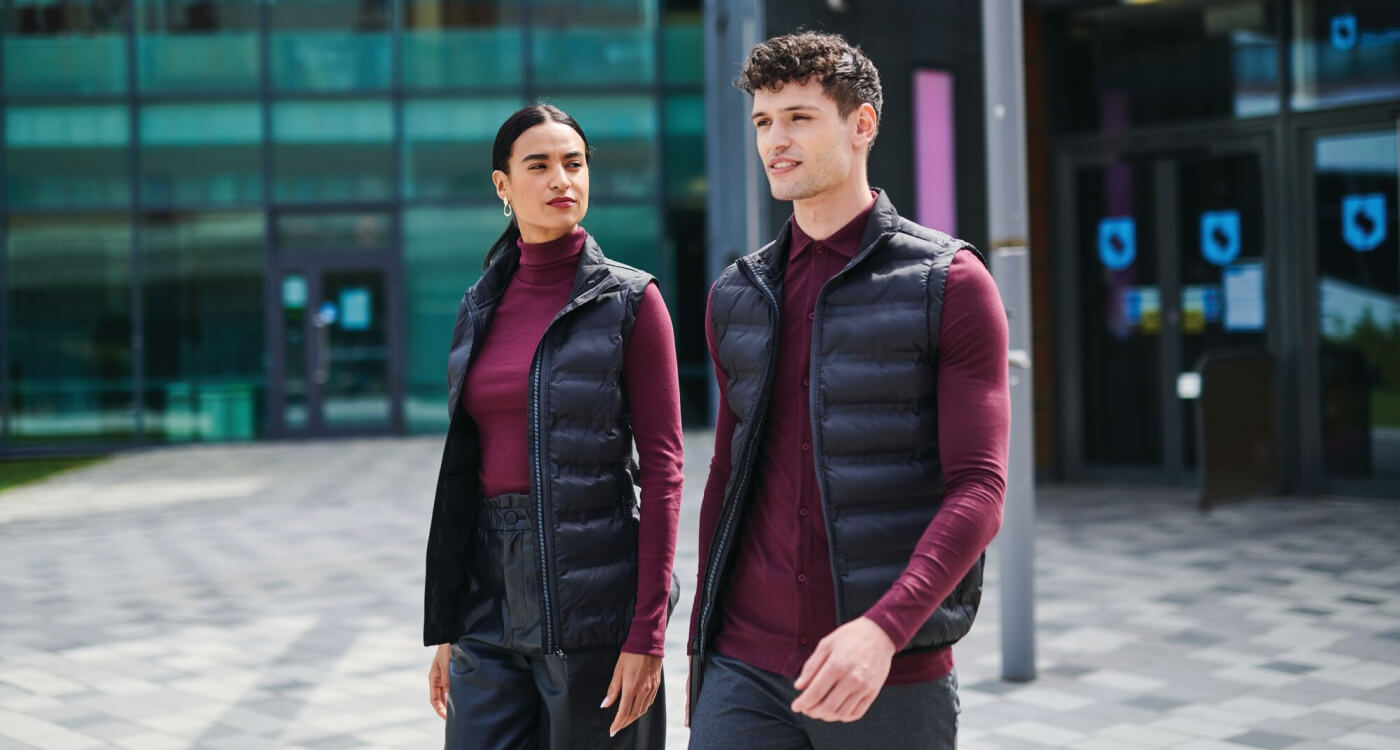
A Symbol of Practical Elegance
Ultimately, the gilet embodies a unique blend of practicality and elegance. It offers warmth and freedom of movement without compromising on style or professionalism. Whether worn for a brisk walk in the park, a casual business meeting, or as part of a distinctive corporate uniform, the gilet effectively communicates a sense of purposeful style. It’s a smart design choice for brands looking to equip their customers or employees with a garment that is both functional and contributes positively to their overall image. Its ongoing presence in fashion, corporate branding, and everyday utility confirms its status as a remarkably versatile and enduring design icon.
aViewFromTheCave is a participant in the Amazon Services LLC Associates Program, an affiliate advertising program designed to provide a means for sites to earn advertising fees by advertising and linking to Amazon.com. Amazon, the Amazon logo, AmazonSupply, and the AmazonSupply logo are trademarks of Amazon.com, Inc. or its affiliates. As an Amazon Associate we earn affiliate commissions from qualifying purchases.