
Understanding ETG Tests: More Than Just a Chemical Marker
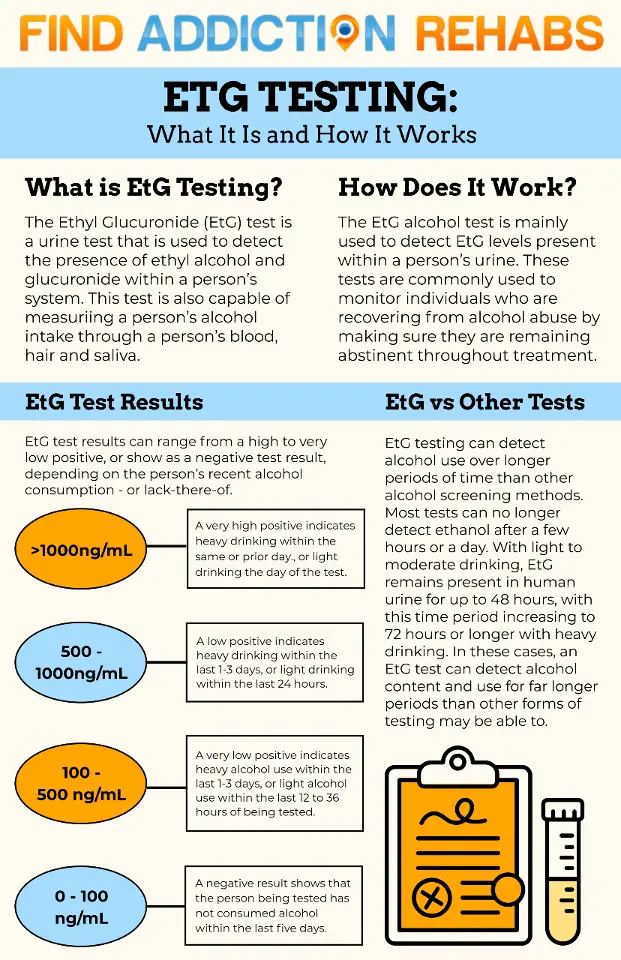
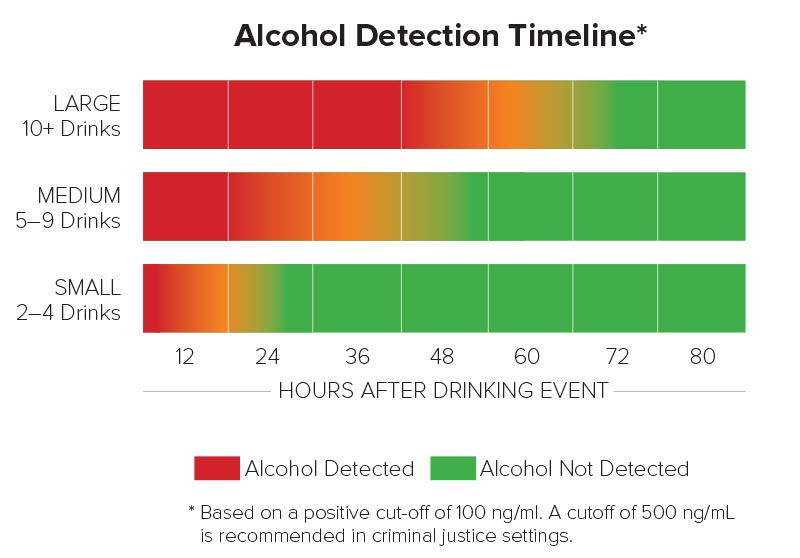
Ethyl Glucuronide (EtG) tests are advanced forensic tools used to detect the recent consumption of alcohol. Unlike traditional blood or breath tests that measure active alcohol in the system, an EtG test identifies a direct metabolite of ethanol, which can remain detectable in the body, primarily urine, for a significantly longer period—often up to 80 hours or more after alcohol intake, depending on consumption levels and individual metabolism. While the science behind EtG tests is rooted in biochemistry, their implications extend far beyond the laboratory, profoundly impacting personal finance, employment stability, and legal standing. For individuals navigating complex financial landscapes, understanding these tests is not merely a matter of scientific curiosity but a critical component of risk management and personal financial planning.
The Science Behind the Test and its Financial Weight
When alcohol is consumed, the liver metabolizes it into various substances. EtG is one such non-oxidative metabolite, formed by the conjugation of ethanol with glucuronic acid. This process makes EtG a highly specific biomarker for alcohol ingestion. Because it’s not an active alcohol compound, its presence indicates that alcohol was consumed, even if the person is no longer intoxicated. The sensitivity and extended detection window of EtG tests are precisely what give them such substantial financial weight. A positive result, even from minimal or incidental exposure, can trigger severe consequences, from job loss and legal penalties to increased insurance premiums and the denial of professional licenses—each carrying a direct and often significant financial cost.
When and Why These Tests Are Used: Contexts with Financial Stakes
EtG tests are deployed in various settings where the abstinence from alcohol is a condition of employment, legal agreement, or personal responsibility. The primary contexts include:
- Probation and Parole: Individuals under court supervision often face mandatory, unannounced EtG testing. A positive result can lead to probation revocation, resulting in further legal fees, fines, and potential incarceration, all of which impose significant financial burdens and disrupt income generation.
- Employment Screening and Workplace Policy: Many employers, particularly in safety-sensitive industries (e.g., transportation, healthcare, manufacturing), use EtG tests as part of pre-employment screening or random drug and alcohol testing. A failed test can mean immediate job termination, forfeiture of severance, and difficulty securing future employment, directly impacting income and long-term career prospects.
- Family Court and Child Custody Cases: In situations involving child welfare, a parent’s sobriety is often paramount. EtG tests can be ordered to confirm abstinence, and a positive result can lead to loss of custody, increased legal fees, and mandatory rehabilitation programs, all with substantial financial implications.
- Professional Licensing Boards: Certain professions (e.g., doctors, nurses, pilots) require strict adherence to sobriety for licensure. EtG tests can be used to monitor compliance, and a failed test can result in the suspension or revocation of a license, effectively cutting off an individual’s professional income stream.
- Insurance Underwriting: While less common for routine policies, in specific high-risk scenarios, or after certain incidents, EtG testing could influence life insurance or health insurance premium adjustments, reflecting a perceived higher risk profile.
In each of these scenarios, the presence of EtG isn’t just a chemical finding; it’s a financial trigger, potentially leading to a cascade of economic setbacks that can take years to recover from.
The Financial Stakes of an ETG Test
The financial implications of a positive EtG test are multifaceted and can have a devastating impact on an individual’s economic stability and future prospects. Understanding these potential costs is crucial for anyone whose personal or professional life intersects with such testing protocols.
Employment and Income Security: How a Failed Test Can Devastate Your Finances
For many, employment is the primary source of income and financial security. A failed EtG test can directly threaten this foundation. In workplaces with zero-tolerance policies or those requiring strict sobriety, a positive result often leads to immediate termination. This loss of income creates an instant financial crisis, impacting loan repayments, rent/mortgage, daily expenses, and savings. Beyond immediate job loss, a stained employment record can make future job searches significantly more challenging, leading to prolonged periods of unemployment or underemployment. Some industries maintain databases of individuals who have failed drug or alcohol tests, further restricting future opportunities. The loss of benefits, such as health insurance, retirement contributions, and paid time off, also represents a substantial financial blow, potentially increasing out-of-pocket medical costs and delaying retirement savings.
Legal and Judicial Costs: Fines, Court Fees, and Attorney Expenses
For individuals subject to legal oversight (e.g., probation, parole, family court orders), a positive EtG test can be deemed a violation, triggering a cascade of legal expenses. This can include court fines, administrative fees for hearings, and the inevitable cost of legal representation. Retaining an attorney to contest a positive result, negotiate terms, or represent one in a violation hearing can quickly accumulate thousands, if not tens of thousands, of dollars. These legal expenditures often come at a time when income might be reduced or eliminated, exacerbating financial strain and potentially leading to debt accumulation.
Insurance Implications: Life, Health, and Auto Premiums
While not always a direct consequence, a history of failed EtG tests or related alcohol-related incidents can affect insurance rates. Life insurance providers assess risk based on lifestyle factors; a documented history of alcohol misuse (which a positive EtG test could indicate, especially if part of a broader pattern) could lead to higher premiums or even denial of coverage. Similarly, health insurance plans might impose higher deductibles or restrict coverage for certain conditions if there’s an established pattern of alcohol-related issues. In some cases, repeated incidents could even influence auto insurance premiums, particularly if the tests are linked to DUI/DWI offenses, which demonstrably raise insurance costs significantly due to increased risk.

Professional Licensing and Business Operations: Impact on Self-Employment and Business Owners
For licensed professionals (e.g., doctors, lawyers, pilots, truckers), a positive EtG test can jeopardize their ability to practice their profession. Licensing boards often have stringent sobriety requirements, and a violation can result in license suspension or revocation. This directly translates to a complete loss of professional income, often for an extended period, requiring expensive rehabilitation programs to even petition for reinstatement. For self-employed individuals or business owners, the impact can be even broader. Beyond personal income loss, a damaged professional reputation due to alcohol-related incidents can deter clients, affect business contracts, and ultimately threaten the viability of their entire enterprise. The costs associated with reputation repair, legal defense for the business, and potential loss of intellectual property or client base are immense.
The Economic Cost of Prevention and Compliance
Navigating the landscape of EtG testing requires a proactive approach to prevent adverse financial outcomes. This involves understanding the costs associated with maintaining sobriety and complying with testing requirements.
Investing in Sobriety: Rehabilitation, Counseling, and Support Programs
For individuals struggling with alcohol, the most impactful preventative measure is often investment in sobriety itself. While rehabilitation programs, counseling, and support groups like Alcoholics Anonymous can involve direct financial costs, viewing these as an investment can be transformative. Inpatient rehabilitation can range from several thousands to tens of thousands of dollars, and outpatient therapy can also accrue significant costs over time. However, these expenses must be weighed against the far greater financial devastation caused by job loss, legal fees, and health issues resulting from alcohol misuse. Many financial advisors would argue that investing in mental and physical health, especially sobriety, is one of the most prudent long-term financial decisions, preserving income potential and reducing future contingent liabilities. Health insurance may cover some of these costs, but understanding one’s policy benefits is crucial.
The Price of Diligence: Understanding Test Sensitivity and False Positives
EtG tests are highly sensitive, and this sensitivity, while beneficial for detection, also carries a potential financial risk: false positives or positives from incidental exposure. For instance, the use of alcohol-based hand sanitizers, certain foods, or even proximity to alcohol vapors (e.g., at a party where alcohol is served but not consumed by the individual) can, in rare circumstances, lead to detectable levels of EtG. Challenging a positive test result involves re-testing, legal consultations, and potentially expert witness testimony, all of which incur significant costs. The financial diligence required includes understanding what might trigger a positive result and taking extreme precautions to avoid any exposure if one is subject to EtG testing. This can mean avoiding social situations, carefully reading ingredient labels, and maintaining rigorous personal hygiene practices.
Financial Planning for Contingencies: Building a Safety Net
Given the high stakes, financial planning for potential contingencies related to EtG tests is a prudent strategy. This includes building an emergency fund sufficient to cover several months of living expenses in case of job loss or income disruption. Legal savings, earmarked for potential attorney fees or court costs, can provide a crucial buffer. Furthermore, some individuals might explore income protection insurance, which provides a portion of one’s income if they become unable to work due to specific circumstances, though policy terms regarding alcohol-related incidents must be carefully reviewed. Proactive financial planning acknowledges the risk and prepares for the worst-case scenario, mitigating the immediate financial shock should an adverse event occur.
Managing Your Financial Risk Associated with ETG Tests
For anyone subject to EtG testing, or operating in an environment where such tests are a possibility, actively managing the associated financial risks is paramount. This involves informed decision-making, strategic budgeting, and seeking expert advice.
Informed Decision-Making: Knowing Your Rights and Obligations
The first step in managing financial risk is to be thoroughly informed. Understand the specific policies regarding EtG testing in your workplace, probation terms, or professional licensing requirements. Know the detection windows, potential factors influencing results (such as incidental exposure), and the appeal process for a positive test. Being aware of your contractual obligations and legal rights can empower you to make decisions that protect your financial standing. For instance, if a job offer is contingent on an EtG test, understanding the implications before accepting can guide your choices. If you are on probation, clarity on testing frequency and consequences for violations helps in strict adherence, preventing costly legal battles.
Budgeting for Wellness: Allocating Resources for a Healthy Lifestyle
A positive EtG test often signals a deeper issue with alcohol consumption, which itself has long-term financial consequences on health, productivity, and personal relationships. Therefore, budgeting for a healthy lifestyle—one that minimizes or eliminates alcohol consumption—is a direct investment in financial security. This might involve allocating funds for gym memberships, healthy food choices, stress management techniques, or non-alcoholic social activities. While these might seem like minor expenses, they contribute to overall well-being and reduce the likelihood of costly alcohol-related issues. For those recovering from alcohol dependency, budgeting for therapy, support groups, or medication becomes a critical line item that safeguards their income and assets by ensuring sustained sobriety.
Seeking Professional Guidance: Legal and Financial Advisors
When faced with a positive EtG test or navigating a situation where such tests are a constant threat to your financial stability, seeking professional guidance is advisable. A legal advisor specializing in employment law or criminal defense can provide crucial insights into your rights, assist in challenging results, or negotiate more favorable terms. This legal expertise, though an upfront cost, can save significantly more in fines, lost wages, or legal penalties. Simultaneously, a financial advisor can help assess the impact of potential income loss, adjust your budget, explore insurance options, or create a contingency plan for future financial stability. These professionals offer objective advice and strategic planning that can be invaluable in mitigating the substantial financial risks associated with EtG tests. Their insights can turn a potentially devastating event into a manageable challenge, safeguarding your financial future.
aViewFromTheCave is a participant in the Amazon Services LLC Associates Program, an affiliate advertising program designed to provide a means for sites to earn advertising fees by advertising and linking to Amazon.com. Amazon, the Amazon logo, AmazonSupply, and the AmazonSupply logo are trademarks of Amazon.com, Inc. or its affiliates. As an Amazon Associate we earn affiliate commissions from qualifying purchases.