
The Unspoken Language of Brand: Why Animal Symbolism Matters
Brands are in a perpetual quest to forge deeper, more meaningful connections with their audience, transcending mere transactional relationships to embed themselves in the emotional fabric of consumers’ lives. In this pursuit, symbolism stands as an immensely powerful, often subconscious, tool. Among the most potent forms of symbolism is the use of animals. From the majestic roar of a lion representing strength and leadership to the agile swiftness of a cheetah denoting speed and efficiency, animals serve as universal archetypes. They embody a broad spectrum of human traits, values, and aspirations, enabling brands to communicate complex ideas instantly and emotionally, bypassing the need for lengthy explanations.
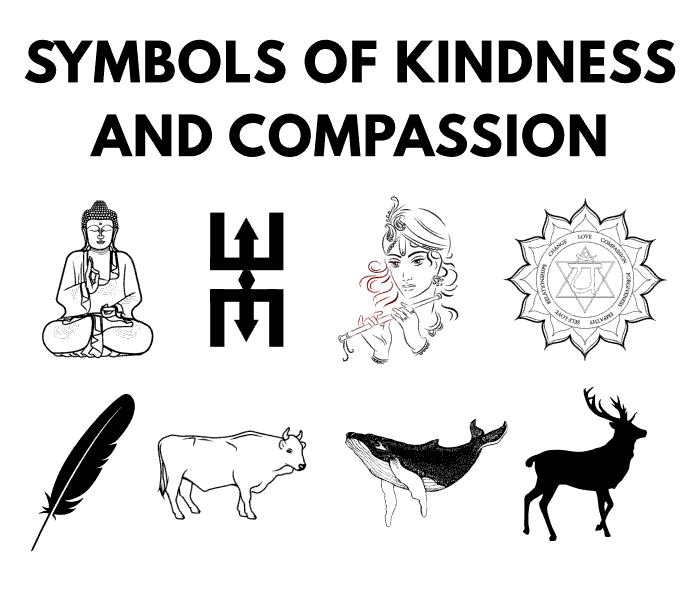
More Than Just a Mascot: The Emotional Leverage of Animal Archetypes
The strategic selection of an animal symbol for a brand is never an arbitrary act. It’s a deliberate decision, deeply rooted in semiotics, cultural understanding, and psychological resonance. When a brand chooses an animal, it’s not merely picking an appealing creature; it’s adopting a narrative, inheriting a set of associations, and leveraging a pre-existing emotional resonance that consumers already hold. This is particularly crucial when a brand aims to communicate an abstract, yet vitally important, quality like kindness.
Kindness, as a brand attribute, speaks volumes about a company’s ethos, its approach to customer service, its engagement with the community, and even the integrity behind its products or services. It suggests trustworthiness, empathy, genuine concern for well-being, and a human-centric approach to business. For brands in sectors ranging from healthcare and financial services to consumer goods and non-profits, conveying kindness can be a cornerstone of their identity and a key differentiator in a crowded marketplace. Therefore, identifying which animal best encapsulates this profound human value is not just a creative exercise but a crucial strategic endeavor in brand identity development and messaging. It allows brands to imbue their identity with an immediate, relatable, and deeply felt sense of compassion, inviting consumers to connect on a more personal and trusting level.
Decoding Empathy: Animals That Symbolize Kindness in Branding
When a brand endeavors to embody kindness, certain animals intuitively spring to mind, each bringing its own unique nuances to the concept. Their perceived gentle nature, social behaviors, or even mythological associations contribute to their suitability as symbols for compassionate brands seeking to communicate care, empathy, and positive intent.
The Elephant: Gentle Giant of Community and Memory
Elephants are perhaps one of the most widely recognized symbols of kindness, wisdom, and community. Their complex matriarchal societies, strong familial bonds, and well-documented instances of empathy towards injured or grieving herd members make them compelling figures. They are celebrated for their “gentle giant” persona, their protective nature towards their young, and their incredible memory, which can be interpreted as a deep-rooted understanding and care for their environment and kin. For a brand, an elephant can symbolize a long-standing commitment to community, ethical practices, and a gentle, yet strong and unwavering, presence in the market. It suggests a brand that cares deeply for its ‘herd’—its customers, employees, and stakeholders—and acts with thoughtfulness, responsibility, and a sense of enduring support. Brands focused on sustainability, multi-generational family values, or long-term financial relationships often find the elephant to be a profoundly compelling emblem, conveying reliability coupled with compassion.
The Dolphin: Playful Intelligence and Altruistic Spirit
Dolphins are celebrated for their exceptional intelligence, playful nature, and remarkable social behavior. Stories of dolphins guiding lost ships, protecting swimmers from sharks, and assisting distressed companions are abundant across cultures and throughout history, solidifying their image as altruistic and benevolent creatures of the sea. Their collaborative hunting techniques and complex communication methods speak to a highly evolved sense of community, mutual support, and innovative problem-solving. For a brand, the dolphin can represent innovation driven by empathy, a customer-centric approach that is both intelligent and caring, and a spirit of joyful collaboration. Brands in wellness, communication services, or those that emphasize fluidity, adaptability, and positive interaction might find the dolphin to be an ideal representation of kindness through helpfulness, intelligent design, and joyful engagement. Their ability to navigate complex social dynamics with grace and a friendly disposition makes them a powerful symbol for brands aiming to foster positive, intuitive user experiences.
The Dog: Unconditional Loyalty and Companionship
Few animals embody unconditional love and loyalty as profoundly as the dog. Known affectionately as “man’s best friend,” dogs are celebrated for their unwavering devotion, their innate ability to comfort, and their joyous companionship. Their very presence often evokes feelings of warmth, security, and selfless affection. In a branding context, the dog is an incredibly powerful symbol for trustworthiness, fidelity, and a genuine, unpretentious form of kindness. A brand adopting a dog as its symbol immediately communicates reliability, approachability, and a steadfast commitment to being a constant, supportive presence in its customers’ lives. This resonates strongly with brands in pet care, home security, family-oriented products, or any service where trust, unwavering support, and a friendly, accessible demeanor are paramount. The dog’s universal appeal and its immediate association with positive human-animal bonds make it an effective and relatable symbol of caring.
The Dove: Emblem of Peace and Gentle Purity
The dove, with its soft cooing and graceful flight, is almost universally recognized as a symbol of peace, purity, and gentleness. From ancient myths and religious texts to modern iconography, the dove signifies hope, tranquility, and a serene form of kindness that seeks harmony and understanding. While perhaps less about active, heroic altruism, the dove’s symbolism leans into a gentle, non-aggressive, and comforting kindness that soothes and reassures. For brands, especially those in wellness, spirituality, eco-friendly products, or non-profit organizations focused on peace, reconciliation, or mental well-being, the dove provides an immediate visual cue for their core values. It suggests a brand that brings calm, offers gentle solutions, and operates with integrity and a pure, unblemished intention, often appealing to consumers seeking solace, ethical consumption, or a sense of inner peace.
Strategic Integration: Weaving Animal Kindness into Your Brand Fabric
Once a brand identifies an animal that authentically aligns with its desired expression of kindness, the next critical step is to strategically integrate this symbolism across all brand touchpoints. This isn’t merely about incorporating an image into a logo; it’s about embedding the core essence of that animal’s kindness into the brand’s very DNA, ensuring that the promise of kindness is consistently delivered and experienced.
Visual Identity and Logo Design
The most apparent application of animal symbolism is in the brand’s visual identity. A meticulously designed logo incorporating the chosen animal can instantly convey the brand’s kind nature. For example, a stylized, elegant elephant in a healthcare brand’s logo could suggest gentle, wise care and robust support, while a friendly, slightly anthropomorphic dog for a financial service might signal trustworthiness, approachability, and loyalty. Beyond the animal itself, the aesthetic choices—colors, typography, lines, and overall design—should further reinforce the gentle, caring message. Soft color palettes, rounded edges, fluid lines, and approachable fonts can complement the animal’s symbolism, creating a cohesive visual language that speaks volumes about the brand’s kind and compassionate disposition without uttering a single word.
Marketing Campaigns and Storytelling
Beyond static visuals, the inherent characteristics and known behaviors of the chosen animal can profoundly inspire the narrative and emotional appeal of marketing campaigns. A brand could craft storytelling campaigns that mirror the elephant’s community spirit in its corporate social responsibility (CSR) initiatives, or highlight the dog’s unwavering loyalty in its customer service testimonials. Advertising can depict scenarios where the brand acts with the same empathy, helpfulness, or protective nature as its animal counterpart, perhaps using mascots or animated characters. This narrative-driven approach helps consumers understand and deeply feel the brand’s kindness, making it relatable, memorable, and emotionally resonant. Engaging content that subtly showcases these attributes builds a powerful emotional connection, demonstrating rather than just stating that the brand is truly kind.
Corporate Social Responsibility (CSR) and Partnerships
For brands genuinely serious about embodying kindness, their chosen animal symbol can provide a clear framework for their CSR efforts. Partnering with animal welfare organizations that protect the chosen species (e.g., elephant conservation groups, dolphin rescue foundations, dog shelters) can powerfully reinforce the brand’s commitment to its values beyond mere rhetoric. Such initiatives provide tangible, impactful proof of the brand’s kindness, aligning its actions with its symbolic representation. This not only significantly enhances brand reputation and credibility but also fosters a deeper sense of purpose among employees and resonates profoundly with ethically conscious consumers who seek brands that contribute positively to the world.
Internal Culture and Employee Engagement
True brand kindness extends inward, permeating the organization’s internal culture. The values represented by the chosen animal can be seamlessly woven into the brand’s operational philosophy and employee engagement strategies. For instance, an organization using the dolphin as its symbol might actively encourage collaborative team environments, foster open communication, and promote supportive peer relationships. A “dog-friendly” workplace policy, robust employee wellness programs, or initiatives that demonstrate genuine care for employees’ well-being reflect the loyalty, companionship, and nurturing associated with dogs. When employees internalize and embody these values, they become authentic ambassadors of the brand’s kindness, ensuring that the promise of kindness is consistently delivered at every customer interaction, from the first touchpoint to ongoing support.
Authenticity and Resonance: Selecting the Right Animal for Your Brand’s Kindness
Choosing the right animal to represent kindness for your brand is not merely about aesthetic appeal or superficial charm; it’s a critical strategic decision that demands careful consideration of authenticity, cultural context, and target audience perception. A misstep in this process can lead to mixed messages, consumer skepticism, or even a complete misinterpretation of the brand’s intended values.
Aligning with Core Brand Values
The primary consideration in selecting an animal symbol for kindness is whether the animal’s inherent and perceived qualities genuinely align with the brand’s fundamental values and mission. If a brand prides itself on robust, no-nonsense efficiency and delivers kindness through reliable, swift service, then a fluffy bunny, while often seen as gentle, might not be the most appropriate fit for its specific brand of kindness. Conversely, a wellness brand focused on gentle healing, holistic care, or serenity would find a dove or a slow-moving, tranquil animal far more appropriate. The chosen animal must feel like an organic, natural extension of what the brand truly stands for, not just a superficial or tacked-on addition. This deep alignment ensures that the symbol resonates authentically with both internal stakeholders and external audiences.
Understanding Target Audience Perception
Different cultures and specific demographics may have vastly varying interpretations and associations with animal symbolism. What signifies kindness and benevolence in one cultural context might not in another, or might even carry unintended negative connotations. Therefore, thorough research into the target audience’s existing associations with potential animal symbols is absolutely crucial. Does the intended audience perceive elephants as majestic and kind, or potentially dangerous and wild? Does a dog evoke loyalty and warmth, or perhaps a nuisance or a symbol of untamed nature in certain regions? The goal is to select an animal that resonates positively and intuitively communicates the desired message of kindness to the specific consumer group. This also involves considering the animal’s current public image—is it endangered, widely loved, or subject to controversy? Ignoring these nuances can lead to a disconnect.
Standing Out from the Pack: Avoiding Clichés and Ensuring Distinctiveness
While some animals are universally associated with kindness, a brand must also consider its distinctiveness in the marketplace. If every competitor in a particular industry uses a dove to convey gentleness, how can a new brand stand out while still effectively communicating similar values? This might involve exploring a unique artistic rendering of a common symbol, crafting a fresh narrative angle around its characteristics, or even delving into less obvious but still fitting animal choices. For example, a red panda, known for its adorable, gentle, and somewhat shy demeanor, could symbolize a gentle, nurturing kindness in a unique way for a brand focusing on comfort or quiet care, offering a refreshing and memorable take on “cute” and “kind.” The pursuit of distinctiveness ensures that the brand’s message of kindness cuts through the market noise, making it memorable and unique.

Consistency Across All Touchpoints
Finally, once the ideal animal symbol is chosen, its associated message of kindness must be consistently applied and expressed across all brand touchpoints—from product packaging and website design to customer service interactions, social media presence, and corporate communications. Inconsistency can dilute the message, confuse consumers, and undermine the brand’s authenticity. When the brand consistently embodies the kindness it symbolically represents, through its visuals, its voice, its actions, and its employee behavior, it builds a powerful, authentic identity that fosters trust, cultivates deep customer loyalty, and establishes a profound emotional connection with its audience, ultimately driving long-term brand equity and success in the marketplace.
aViewFromTheCave is a participant in the Amazon Services LLC Associates Program, an affiliate advertising program designed to provide a means for sites to earn advertising fees by advertising and linking to Amazon.com. Amazon, the Amazon logo, AmazonSupply, and the AmazonSupply logo are trademarks of Amazon.com, Inc. or its affiliates. As an Amazon Associate we earn affiliate commissions from qualifying purchases.