
The digital landscape, while offering unprecedented connectivity and convenience, also harbors sophisticated threats, with phishing reigning as one of the most pervasive and dangerous. A phisher’s primary objective is simple: to manipulate you into clicking a malicious link, opening an infected attachment, or divulging sensitive information. Their tactics are a blend of social engineering and technical trickery, constantly evolving to bypass even the most vigilant users and advanced security measures. Understanding the psychological hooks and technical disguises they employ is the first line of defense in protecting your digital security.
Understanding the Phishing Landscape
Phishing attacks are fundamentally about deception. They exploit human psychology – our trust, our fear, our curiosity, and our desire for convenience – to trick us into performing an action that compromises our security. The sheer volume and variety of phishing attempts make them a persistent challenge, targeting individuals, businesses, and government entities alike. From generic spam campaigns to highly personalized spear-phishing attacks, the goal remains consistent: to gain unauthorized access to data, financial accounts, or network systems. The underlying technology often involves spoofed sender addresses, deceptively crafted URLs, and seemingly legitimate email or message templates that mimic trusted entities. As digital interactions become more commonplace across every aspect of life, the attack surface for phishers continues to expand, necessitating a deep understanding of their methodologies to build robust digital resilience.
The Lure of Urgency and Fear
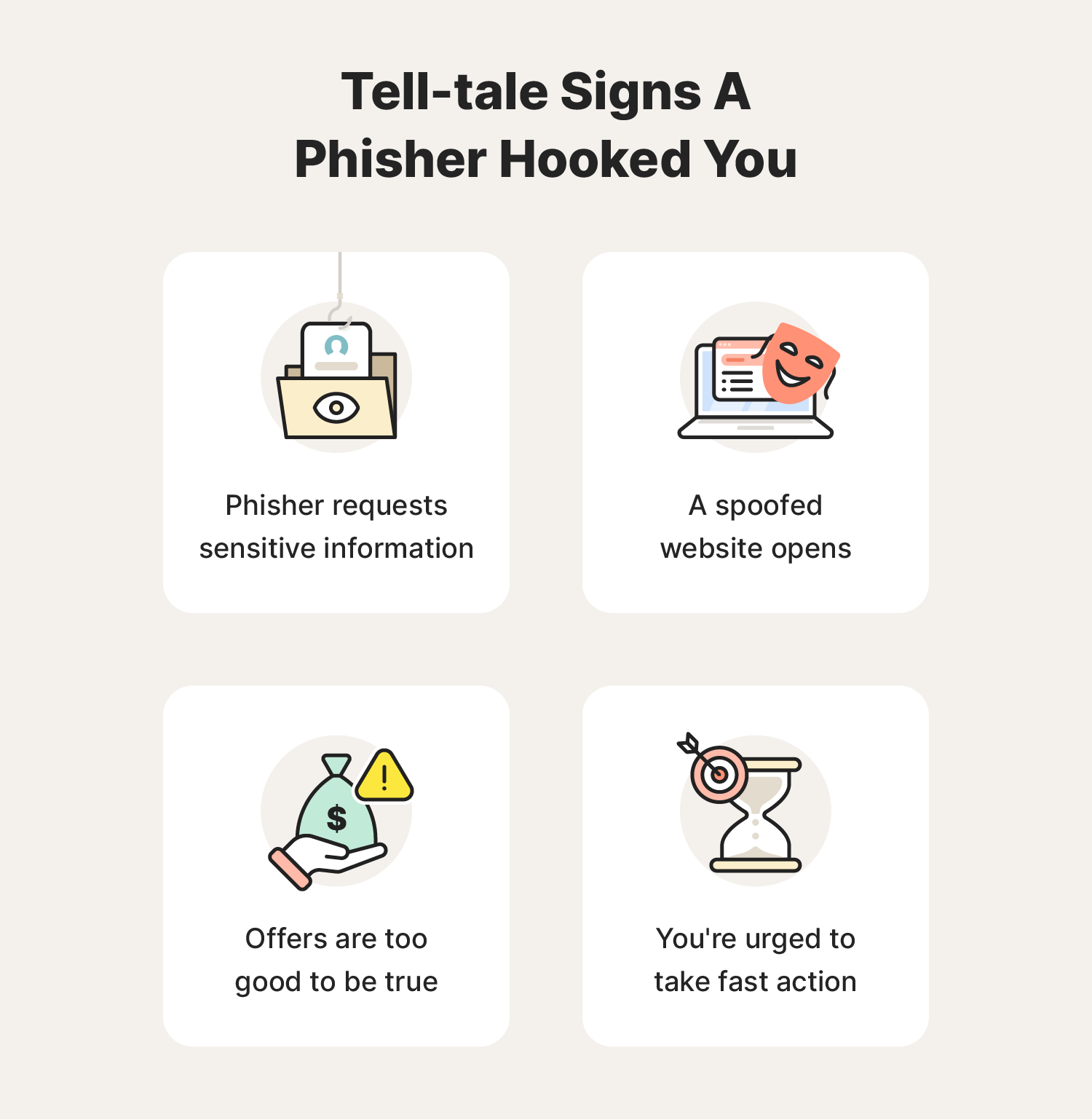
One of the most effective psychological ploys phishers employ is creating a sense of urgency or fear. By leveraging immediate threats or impending deadlines, they bypass rational thought, prompting an emotional, hasty reaction. This tactic is designed to make the recipient feel that they must act now to avoid severe consequences, often before they have a chance to scrutinize the message’s legitimacy.
Account Compromise Alerts
Phishers frequently pose as your bank, email provider, social media platform, or other critical online services, claiming that your account has been compromised or suspicious activity has been detected. Messages like “Urgent: Your account has been accessed from an unknown location,” “Security alert: Unauthorized login attempt,” or “Verify your account immediately to prevent lockout” are common. These messages invariably include a link, presented as a “security verification” or “change password” portal, which leads to a fake login page designed to steal your credentials.
Impending Service Deactivation
Another common tactic involves threatening the deactivation of a critical service. This could range from your internet provider warning of service interruption due to billing issues, to a cloud storage provider threatening to delete your files unless you “upgrade” or “verify” your account details. “Your subscription is about to expire,” “Payment declined – update billing info now,” or “Your account will be suspended within 24 hours” are typical subject lines that aim to create panic and prompt a quick click to a malicious site.
Legal Threats and Penalties
More aggressive phishing attempts can involve fabricated legal threats or claims of penalties. These might masquerade as government agencies, law enforcement, or tax authorities, alleging unpaid taxes, traffic violations, or even criminal activity. The message will demand immediate action, often a payment or verification of personal details, to avoid fines, arrest, or further legal action. The fear of legal repercussions can be a powerful motivator, leading individuals to click links or provide information without proper verification.
Exploiting Trust and Authority
Beyond urgency, phishers skillfully exploit our inherent trust in familiar brands, institutions, and authoritative figures. By impersonating entities we regularly interact with or hold in high regard, they lend an air of legitimacy to their malicious communications, making it harder for recipients to discern the deception.
Familiar Brands and Institutions
This is perhaps the most widespread form of phishing. Attackers meticulously replicate the logos, branding, and even communication styles of popular companies like Amazon, Apple, Microsoft, PayPal, or major banks. The content might involve fake order confirmations, delivery notifications, “prize winnings,” or requests to “verify” recent purchases. The sheer volume of legitimate communications from these brands often helps malicious emails blend in, increasing the chances of a user falling victim. A link purporting to be a tracking number or an invoice download can lead to a credential-harvesting site or malware download.
Internal Communications Mimicry
Within organizational settings, phishers often target employees by mimicking internal communications. This could be an email seemingly from IT support asking to “validate network credentials,” HR circulating a “new policy document,” or even an executive requesting an urgent wire transfer (“whaling” or “business email compromise”). These attacks are particularly dangerous because they leverage the established trust hierarchy within a company, making employees more likely to comply with requests that appear to come from authority figures or necessary departments. The links might lead to fake internal portals designed to capture login details for corporate systems.
Government and Tax Scams
Government agencies and tax authorities hold significant authority, making them prime targets for impersonation. Phishers send emails or messages pretending to be from entities like the IRS, local tax offices, or social security administrations. These often claim tax refunds are pending, or that there are discrepancies requiring immediate action. The links provided direct users to fraudulent websites designed to collect sensitive personal information, including social security numbers, dates of birth, and financial account details, under the guise of “verification” or “claim processing.”
Temptation and Opportunism
Phishers also capitalize on human desires for benefits, curiosity, or convenience, luring targets with promises of rewards, intriguing content, or simplified processes. These opportunistic attacks play on our inclinations to seek advantages or explore new information, turning these natural impulses into vectors for compromise.
Irresistible Offers and Giveaways
The allure of something for nothing is a powerful motivator. Phishing emails frequently promise incredible deals, exclusive discounts, lottery winnings, or free gifts. “You’ve won a new iPhone!”, “Claim your free gift card now!”, or “Exclusive discount for loyal customers!” are common bait. These messages invariably include a link that, when clicked, will ask for personal information to “process” the prize or direct you to a scam website designed to steal financial or personal data. The perceived high value of the reward often overshadows any skepticism.
Invoice and Payment Requests
Many phishing schemes exploit business processes, particularly invoicing and payment. Attackers send fake invoices for services never rendered or products never ordered, hoping that in the rush of daily operations, an accounts payable department or individual will process the payment without due diligence. These invoices often come with attached documents that are malicious or include links to fraudulent payment portals. Similarly, phishers might send fake payment notifications, requiring you to click a link to “confirm receipt” or “view transaction details,” leading to credential theft.
“Check out this photo/video” Scams
Curiosity is a strong human trait, and phishers are adept at exploiting it. Messages like “Is this you in this photo?”, “You won’t believe this video!”, or “Someone posted something about you” are designed to pique interest and provoke a click. These often appear to come from a friend or acquaintance whose account has already been compromised, adding an extra layer of perceived trustworthiness. The links usually lead to malicious sites that either install malware, phish for social media credentials, or direct users to adult content sites that attempt to extract personal information.
Sophistication in Attack Vectors
As users become more aware of traditional email phishing, attackers continuously refine their methods, employing more sophisticated attack vectors that extend beyond standard email. These advanced techniques aim to bypass traditional security filters and exploit new communication channels.
Spear Phishing and Whaling
While traditional phishing casts a wide net, spear phishing is a highly targeted attack. Phishers conduct extensive research on their target – often through social media or publicly available information – to craft personalized messages that appear incredibly legitimate. They might know your job title, colleagues’ names, recent projects, or even personal interests. Whaling is an even more specialized form of spear phishing targeting high-profile individuals, such as executives (CEOs, CFOs), aiming to trick them into authorizing large financial transfers or revealing sensitive corporate data. The personalization makes these attacks exceptionally difficult to detect without careful scrutiny.
Smishing and Vishing
Phishing isn’t limited to email. “Smishing” refers to phishing attempts conducted via SMS messages (text messages). These often involve fake delivery notifications, urgent banking alerts, or enticing offers, all containing malicious links. “Vishing,” or voice phishing, involves fraudsters making phone calls, pretending to be from banks, tech support, or government agencies. They use social engineering to pressure individuals into revealing personal information or performing actions like transferring money or granting remote access to their computers. Both smishing and vishing leverage the immediacy and personal nature of phone communication to create a sense of urgency and trust.
Watering Hole Attacks
A watering hole attack is a highly sophisticated method where attackers identify a website frequently visited by their target group (e.g., an industry-specific forum, a supplier’s website, or a legitimate news portal). They then compromise this legitimate website by injecting malicious code or a redirection link. When unsuspecting users from the target group visit the now-compromised site, they are redirected to a phishing page or unknowingly download malware. This method is insidious because the initial point of contact is a trusted site, bypassing many traditional email-based defenses.
Safeguarding Against the Click
Protecting yourself from phishing attempts requires a combination of vigilance, critical thinking, and robust technical defenses. There is no single magic bullet, but rather a multi-layered approach to digital security.
Vigilance and Critical Thinking
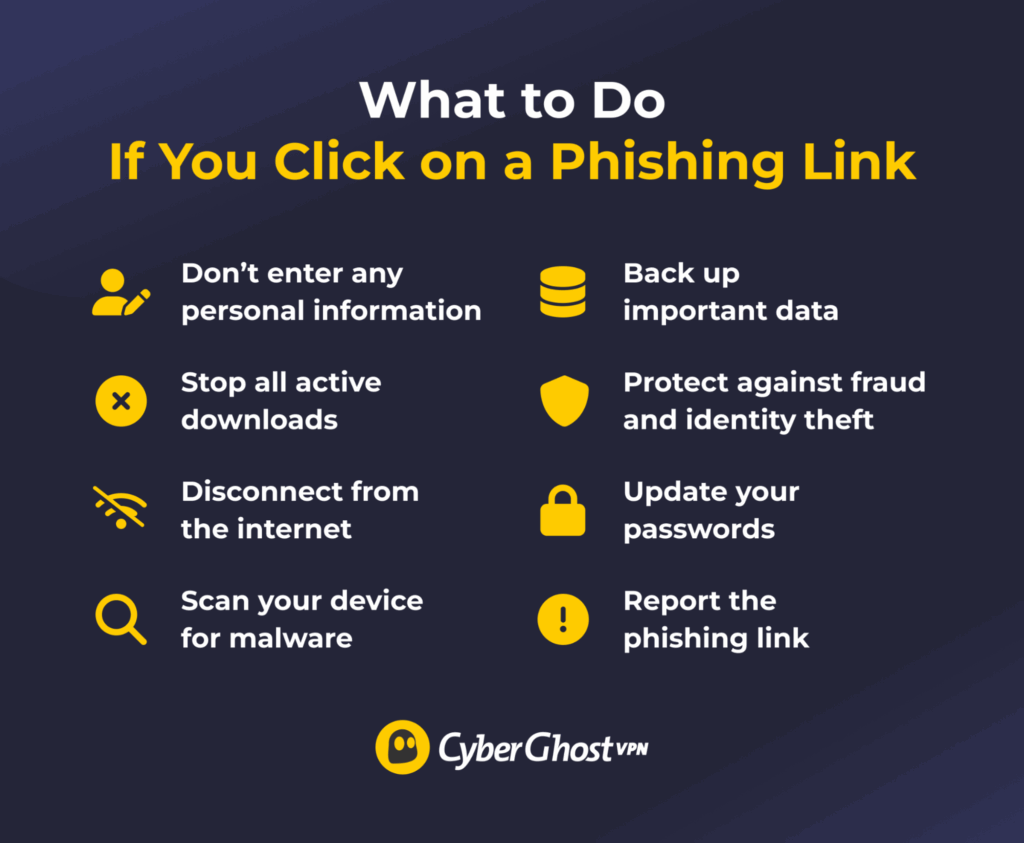
The most crucial defense is an educated and skeptical mindset. Always scrutinize the sender’s email address – not just the display name. Look for subtle misspellings, unusual domains, or discrepancies. Hover over links without clicking to preview the URL; if it doesn’t match the expected legitimate domain, it’s likely malicious. Be wary of generic greetings, poor grammar, or unusual phrasing. If a message evokes strong emotions like fear or excessive excitement, pause and verify its legitimacy through an independent channel (e.g., by calling the company using a number from their official website, not one provided in the suspicious email).
Technical Defenses
Implementing and maintaining technical safeguards is essential. Use robust email filters that can detect and block known phishing attempts. Keep your operating system, web browsers, and all software up to date to patch known vulnerabilities that phishers might exploit. Employ strong, unique passwords for all accounts and enable multi-factor authentication (MFA) wherever possible, as it adds an extra layer of security even if your password is stolen. Consider using reputable antivirus and anti-malware software that includes real-time protection against malicious websites and downloads.
Continuous Education
The threat landscape is constantly evolving, meaning continuous education is vital. Stay informed about the latest phishing trends and common tactics. Many organizations offer security awareness training that can help users recognize and report phishing attempts. Regularly reviewing security best practices and sharing knowledge with peers can strengthen collective defense. By fostering a culture of cybersecurity awareness, individuals and organizations can significantly reduce their susceptibility to falling victim to the persistent and ever-adapting techniques of phishers.
aViewFromTheCave is a participant in the Amazon Services LLC Associates Program, an affiliate advertising program designed to provide a means for sites to earn advertising fees by advertising and linking to Amazon.com. Amazon, the Amazon logo, AmazonSupply, and the AmazonSupply logo are trademarks of Amazon.com, Inc. or its affiliates. As an Amazon Associate we earn affiliate commissions from qualifying purchases.