
Understanding the specific type of grass that forms your lawn is a fundamental step toward effective lawn care and management. Far from a mere curiosity, accurate grass identification allows for tailored fertilization, watering schedules, pest control, and mowing practices, all of which contribute to a healthier, more resilient turf. In the digital age, technology offers an array of powerful tools and resources that simplify this once-daunting task, transforming what used to require expert botanical knowledge into an accessible process for any homeowner or groundskeeper. Leveraging software, AI, and digital gadgets empowers users to quickly and precisely identify their lawn’s composition, ensuring optimal care and a vibrant outdoor space.

Leveraging Digital Tools for Precise Grass Identification
The advent of smartphones and artificial intelligence has revolutionized many aspects of daily life, and lawn care is no exception. A suite of digital tools now exists to help pinpoint your grass type with remarkable accuracy, turning your mobile device into a sophisticated botanical identifier.
The Rise of Plant Identification Apps
Dedicated plant identification applications represent the forefront of accessible grass identification. These apps typically utilize a smartphone’s camera to capture images of the grass in question, then employ advanced image recognition algorithms to cross-reference the visual data with vast botanical databases. Within seconds, users receive potential matches, often accompanied by detailed information about each grass type, including its growth habits, ideal climate, and care requirements. Popular examples often feature extensive libraries covering hundreds, if not thousands, of plant species, making them invaluable for both common and less familiar grass varieties. Their user-friendly interfaces guide individuals through the process, prompting for multiple angles or close-ups to enhance accuracy.
AI and Image Recognition: A Game Changer
The core technology behind these identification apps is artificial intelligence, specifically machine learning models trained on enormous datasets of plant images. These AI systems learn to recognize subtle differences in leaf blade shape, ligule presence, auricle characteristics, growth patterns, and seed heads—features that are crucial for differentiating between similar grass species. As more users submit images and verify identifications, the AI models continuously learn and improve their accuracy, creating a dynamic and evolving identification engine. This iterative learning process ensures that the collective knowledge of users contributes to a more robust and reliable identification system for everyone. The sophistication of AI means it can often pick up on nuances that a human eye might miss without specialized training, providing an objective analysis based purely on visual data.
Choosing the Right App: Features to Look For
When selecting a grass identification app, consider several key features to ensure you get the most out of the technology:
- Database Scope and Accuracy: Look for apps with extensive databases that specifically include common lawn grasses relevant to your region. Reviews often indicate the accuracy of the identification engine.
- User Interface and Ease of Use: An intuitive design makes the process straightforward, even for those less technologically inclined. Clear instructions on how to photograph the grass are essential.
- Offline Capability: Some apps allow for basic identification even without an internet connection, which can be useful in areas with poor reception.
- Additional Information: Beyond just identification, valuable apps provide care tips, growth zones, pest and disease information, and even links to further resources.
- Community Features: Some apps integrate social features, allowing users to share identifications, ask questions, and learn from a community of fellow enthusiasts or experts.
- Subscription vs. Free: While many offer a free tier, premium subscriptions often unlock advanced features, higher accuracy, and an ad-free experience. Evaluate if the added benefits justify the cost.
Beyond the App: Advanced Digital Diagnostics and Resources
While smartphone apps provide a quick and convenient first line of identification, the technological ecosystem offers deeper dives into grass diagnostics and community-driven knowledge. For more complex cases or a desire for comprehensive understanding, these resources prove invaluable.
Online Databases and Digital Keys
Many university extension offices, agricultural departments, and botanical gardens maintain extensive online databases and digital identification keys. These resources are often developed by horticulturists and agronomists and offer a more granular approach to identification. Digital keys typically guide users through a series of questions about specific grass characteristics (e.g., “Is the leaf blade folded or rolled in the bud?,” “Does it have rhizomes or stolons?”). Each answer leads to the next question until a definitive identification is reached. These platforms are incredibly powerful because they leverage expert knowledge and provide detailed botanical illustrations, high-resolution photographs, and scientific descriptions that surpass what most consumer apps can offer. They are particularly useful when dealing with less common varieties or when an app’s AI yields ambiguous results.
Smart Home & IoT Lawn Devices
The Internet of Things (IoT) is increasingly integrating with home and garden management, offering innovative ways to monitor and potentially identify aspects of your lawn. While not direct grass identifiers, smart lawn sensors and irrigation systems can indirectly assist by providing data on soil moisture, nutrient levels, and light exposure—factors that significantly influence which grass types thrive in a given area. Some advanced systems are beginning to incorporate miniature cameras or spectral analysis tools that could, in the future, contribute to automated grass health monitoring and potentially identification by detecting specific growth patterns or leaf characteristics indicative of certain species. These devices, connected to central hubs or mobile apps, create a holistic digital ecosystem for lawn management, where identification can become one data point among many for optimized care.
Forums and Online Communities
Beyond formalized databases, online forums, social media groups, and specialized communities dedicated to lawn care and horticulture offer a collaborative digital space for grass identification. Platforms like Reddit, dedicated gardening forums, and Facebook groups allow users to post images of their grass and solicit opinions from a diverse group of enthusiasts and professionals. While not always providing instant or scientifically validated answers, these communities can offer valuable insights, confirm app-based identifications, or suggest alternative possibilities. The collective experience of thousands of members often means that even challenging identifications can be solved through shared knowledge and anecdotal evidence. Furthermore, these communities are excellent for learning about regional variations, common local issues, and best practices for specific grass types.
The Technical Side of Manual Identification (Using Digital Resources)

Even with the most advanced digital tools, a basic understanding of grass anatomy and the ability to observe key features remains paramount. Technology, in this context, enhances and streamlines the traditional manual identification process.
Understanding Key Botanical Features Digitally
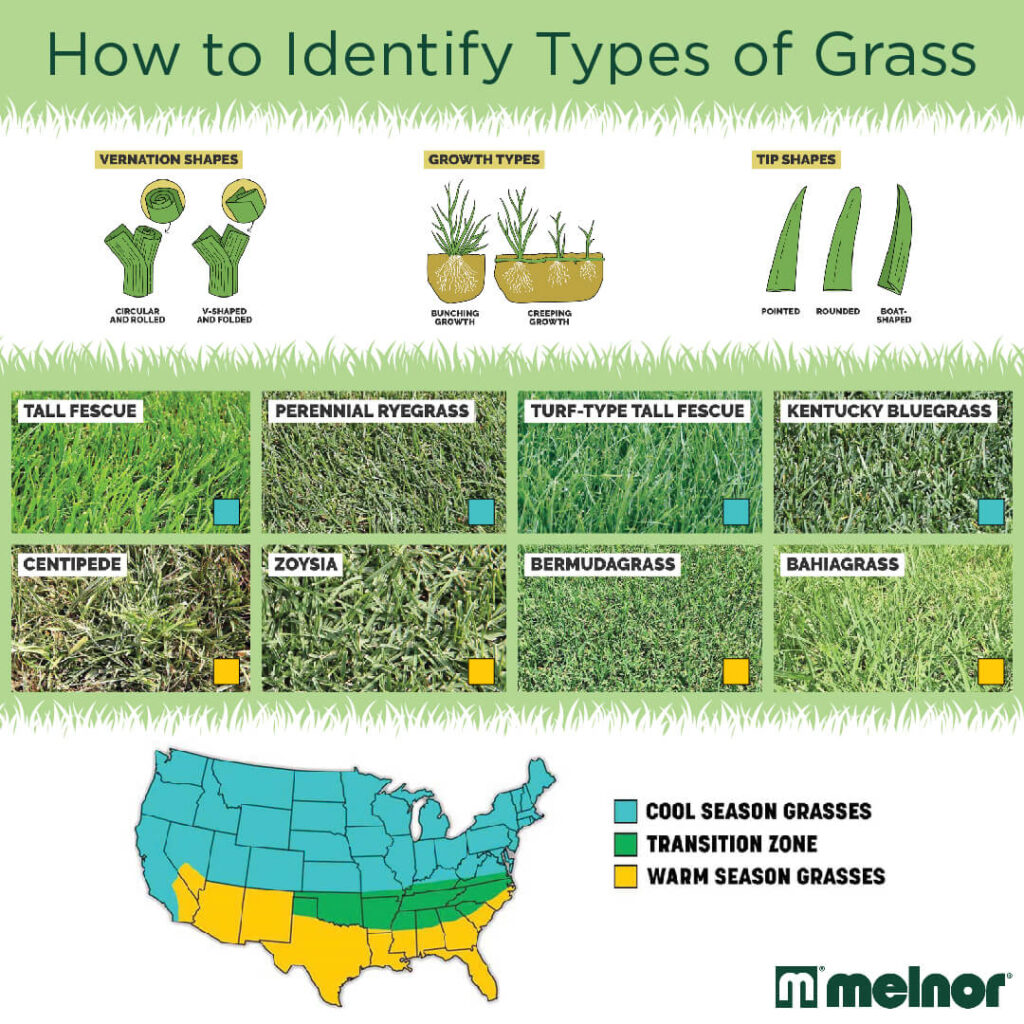
Successful grass identification, whether manual or digitally assisted, hinges on recognizing specific botanical structures. Digital resources provide excellent visual aids for learning these features:
- Ligule: The small appendage where the leaf blade meets the sheath. Digital guides offer clear illustrations of its various forms (membranous, hairy, absent).
- Auricles: Claw-like appendages at the base of the leaf blade, which can be long, short, or absent. High-resolution images in online databases are crucial for discerning these.
- Leaf Blade: Observe its width, shape (flat, folded, rolled), texture (smooth, ribbed), and color. Digital magnifiers or close-up photography are invaluable here.
- Sheath: The lower part of the leaf that encloses the stem. Note if it’s open or closed, rounded or flattened.
- Rhizomes/Stolons: Underground (rhizomes) or above-ground (stolons) horizontal stems that spread the grass. Digital illustrations and videos help visualize these structures without extensive digging.
- Seed Head/Inflorescence: If present, its structure is a definitive identifier. Online galleries provide extensive examples.
By familiarizing yourself with these features through detailed digital diagrams and photographs, you empower yourself to make more informed observations, which in turn leads to more accurate results from identification apps or keys.
High-Resolution Photography for Detailed Analysis
Your smartphone’s camera is a powerful tool for capturing the intricate details necessary for grass identification. Good photography is critical for input into AI apps or for sharing on online forums.
- Macro Mode: Utilize your phone’s macro capabilities (or an external clip-on macro lens) to capture extreme close-ups of ligules, auricles, and leaf blade textures.
- Good Lighting: Ensure ample, even lighting to minimize shadows and reveal true colors and textures. Natural daylight is often best.
- Multiple Angles: Photograph the grass from several perspectives: a general overview of the lawn, a close-up of a single blade, the base of the plant, and any seed heads.
- Scale Reference: Including a coin or ruler in some photos can help convey scale, which can be useful for online community analysis.
The quality of your photographic input directly correlates with the accuracy of identification from AI tools, making digital photography a foundational technical skill for modern grass identification.
Digital Microscopes and Magnifiers
For the truly dedicated, small, portable digital microscopes or magnifiers, often connecting via USB to a computer or wirelessly to a smartphone, can reveal details invisible to the naked eye. These gadgets can magnify leaf cross-sections, intricate ligule structures, or even cellular patterns, providing a level of detail that can resolve ambiguities between very similar grass species. While perhaps overkill for routine identification, they represent the pinnacle of accessible digital tooling for in-depth botanical examination, allowing enthusiasts to perform near-lab-grade analysis from their backyard.
Practical Application and Ongoing Digital Management
Identifying your grass type is not merely an academic exercise; it’s the first step in a strategic approach to lawn care. Technology continues to play a vital role in integrating this identification into ongoing management practices.
Documenting Your Grass Type for Future Reference
Once identified, digitally document your grass type. This can be as simple as a note in your phone, a dedicated spreadsheet, or even within a lawn care app. Include the species, cultivar (if known), date of identification, and any supporting photos. This digital record serves as a crucial reference point for purchasing new seed, troubleshooting problems, or communicating with lawn care professionals. A historical digital log allows you to track changes over time and learn what works best for your specific lawn.
Integrating Identification with Smart Lawn Care Systems
The identification of your grass type becomes particularly powerful when integrated with smart lawn care systems. Many modern smart irrigation controllers, for example, allow you to input your specific grass type. This information, combined with local weather data and soil sensor readings, enables the system to optimize watering schedules automatically, ensuring your grass receives the precise amount of water it needs to thrive without waste. Similarly, some lawn care planning apps allow you to input your grass type to receive customized fertilization schedules, mowing height recommendations, and pest management alerts tailored to your specific turf. This digital synergy transforms raw identification data into actionable, automated care strategies.
Staying Updated with Digital Agronomy Resources
The field of agronomy and horticulture is constantly evolving, with new research, grass varieties, and best practices emerging regularly. Leveraging digital platforms to stay informed is crucial for long-term lawn health. Subscribe to email newsletters from university extension offices, follow reputable lawn care blogs, or join professional horticulture online groups. These digital channels provide timely updates on everything from new disease resistant cultivars to sustainable watering techniques. Continual learning, facilitated by digital resources, ensures that your knowledge base remains current, allowing you to adapt your lawn care strategies based on the latest scientific advancements relevant to your identified grass type.
In conclusion, the question “how do I know what grass I have?” is thoroughly answered by the pervasive integration of technology into our daily lives. From the convenience of AI-powered smartphone apps to comprehensive online databases, specialized digital tools, and collaborative online communities, the resources available today empower individuals to accurately identify their lawn grass. This initial technical insight then paves the way for smarter, more efficient, and ultimately more successful lawn care, transforming your turf from a mystery into a well-understood and thriving ecosystem.
aViewFromTheCave is a participant in the Amazon Services LLC Associates Program, an affiliate advertising program designed to provide a means for sites to earn advertising fees by advertising and linking to Amazon.com. Amazon, the Amazon logo, AmazonSupply, and the AmazonSupply logo are trademarks of Amazon.com, Inc. or its affiliates. As an Amazon Associate we earn affiliate commissions from qualifying purchases.