
In the vast and competitive landscape of modern commerce and personal identity, the quest for a “rare name” transcends mere curiosity; it becomes a strategic imperative for differentiation and distinctiveness. For brands, whether corporate entities, products, services, or individuals building a personal brand, a rare name isn’t just a quirky identifier; it’s a foundational asset, a unique flag planted in the minds of consumers and stakeholders. This rarity, however, is not simply about obscurity, but about strategic uniqueness that confers a competitive edge, enhances memorability, and carves out an unmistakable presence.
The Strategic Quest for Uniqueness in Branding
At its core, branding is the art and science of differentiation. In an era saturated with choices, names serve as the initial handshake, the first impression, and often the enduring mental anchor for what a brand represents. The challenge for marketers, entrepreneurs, and individuals alike is to unearth or create a name that stands apart—a truly rare name—amidst millions of existing trademarks, domain names, and personal identities.
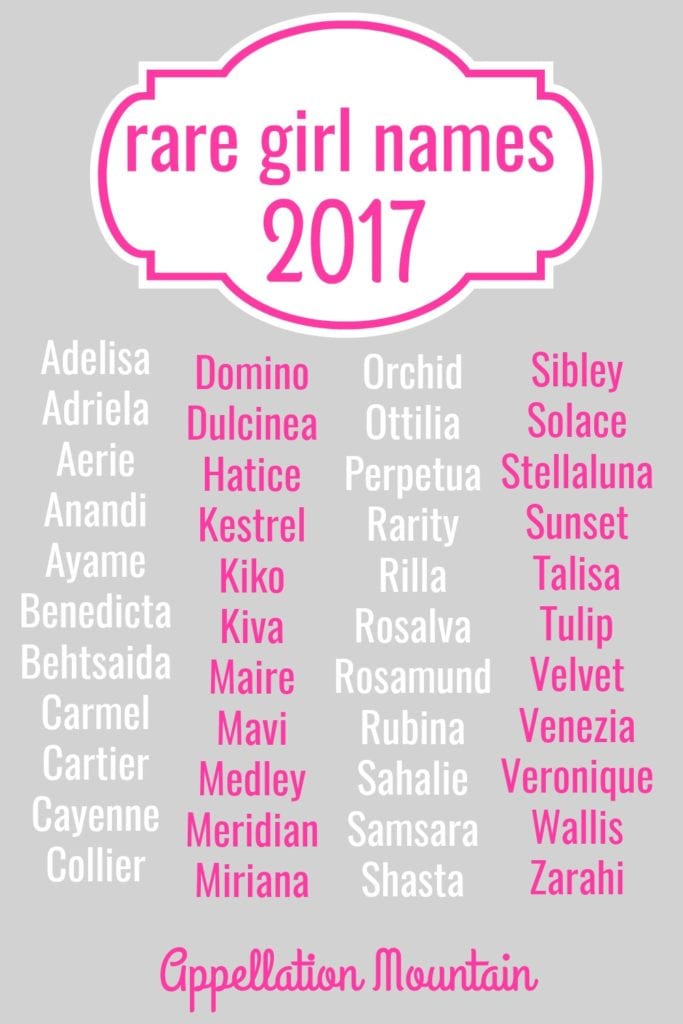
The pursuit of a rare name is not an aesthetic indulgence but a hard-nosed business decision. A generic or easily confusable name risks dilution, trademark challenges, and, critically, a failure to resonate with the target audience. Brands strive for rarity because it underpins several critical strategic objectives:
Beyond Novelty: The Value Proposition of a Rare Brand Name
A rare brand name, when chosen effectively, brings a multitude of advantages that go far beyond mere novelty. It acts as a powerful catalyst for brand success, shaping perception and fostering loyalty.
- Differentiation and Competitive Advantage: In crowded markets, a rare name immediately sets a brand apart from its competitors. It creates a distinct mental space, making it easier for consumers to identify, recall, and choose. This distinctiveness is invaluable, allowing a brand to avoid being lumped in with generic offerings and instead stand out as a unique entity with its own value proposition.
- Memorability and Recall: Human psychology dictates that the unusual is often more memorable. A rare name, if pronounceable and evocative, is more likely to stick in a consumer’s mind than a common or descriptive one. This enhanced recall significantly reduces marketing friction, as brand recognition becomes more effortless and organic. It simplifies word-of-mouth marketing and ensures that advertising investments yield higher returns in terms of brand salience.
- Protection: Trademarkability and Domain Availability: Perhaps one of the most practical and pressing reasons to seek a rare name is for intellectual property protection. Common names are often already trademarked, leading to costly legal battles or the need to pivot. A rare, unique name drastically increases the likelihood of securing robust trademark protection, establishing exclusive rights to its use. Concurrently, it makes it easier to find and acquire matching domain names and social media handles, essential for establishing a cohesive and accessible digital presence.
- Building a Unique Brand Identity and Narrative: A truly rare name can serve as a potent foundation for a brand’s narrative. It can hint at innovation, exclusivity, mystery, or a rich backstory, allowing brand strategists to weave compelling tales around the name itself. This narrative depth strengthens emotional connections with consumers, fostering a sense of belonging and loyalty that extends beyond functional benefits. It empowers the brand to build a unique persona and voice that resonates deeply with its audience.
Navigating the Naming Landscape: Tactics for Discovering Rarity
Finding or creating a rare name requires a blend of creativity, linguistic insight, and strategic foresight. The process is often iterative, involving extensive research, brainstorming, and validation.
Linguistic Innovation and Neologisms
One of the most effective ways to achieve rarity is through the creation of entirely new words, or “neologisms.” Brands like “Google,” “Xerox,” and “Kodak” were once coined terms that had no pre-existing meaning, allowing their creators to imbue them with unique brand associations from the ground up. This approach offers unparalleled distinctiveness but requires careful consideration of pronounceability, memorability, and the potential for misinterpretation across different cultures and languages. Combining parts of existing words, prefixes, or suffixes in novel ways can also yield fresh, rare names that feel familiar yet unique.
Cultural Borrowing and Historical Revival
Another fruitful avenue involves drawing inspiration from other languages, mythologies, or historical periods. Names that are common in one culture might be rare and exotic in another, offering a sense of intrigue and sophistication. Similarly, reviving archaic words or names from forgotten lore can imbue a brand with a sense of gravitas, heritage, or timelessness. However, this tactic demands extreme sensitivity and thorough research to ensure the chosen name does not carry unintended negative connotations, is not offensive, and genuinely resonates with the target audience in its new context. The goal is respectful adaptation, not cultural appropriation.
Strategic Abstraction
Abstract names, which do not directly describe the product or service, offer significant potential for rarity. Brands such as “Apple” (for computers) or “Nike” (named after the Greek goddess of victory) derive their power from their ability to evoke broader concepts, feelings, or aspirations rather than literal functions. These names require more marketing effort initially to build associations but offer immense flexibility for brand extension and evolution, as they are not tied to a specific product or industry. Their rarity comes from their unexpectedness and poetic distance from the brand’s core offering.
Leveraging Technology and Data
In the digital age, technology plays an indispensable role in the quest for rare names. Sophisticated naming tools, AI-powered generators, and extensive databases of trademarks and domain names can accelerate the discovery process. These tools can help identify available names, assess phonetic appeal, check for linguistic associations, and even simulate consumer reactions. Data analytics can provide insights into which name structures or sound patterns tend to be more memorable or appealing to specific demographics, refining the search for a truly effective and rare identifier.

The Pitfalls and Perils of Pursuing Rarity
While the pursuit of a rare name is strategic, it is not without its challenges. An overly rare or poorly conceived name can inadvertently hinder brand success.
Obscurity vs. Clarity
The line between rare and obscure can be perilously thin. A name that is too difficult to pronounce, spell, or understand can create unnecessary friction for consumers. If a rare name requires constant explanation or leads to miscommunication, its distinctiveness becomes a detriment rather than an asset. The goal is to be unique and memorable, not indecipherable. Ease of use, particularly in an age dominated by voice search and quick digital interactions, is paramount.
Cultural Sensitivity and Misinterpretation
When drawing from diverse linguistic or cultural sources, there is a significant risk of misinterpretation or accidental offense. A name that sounds rare and intriguing in one language might have an undesirable or even vulgar meaning in another. Brands must conduct extensive due diligence and cultural checks to avoid alienating potential customers or causing international public relations crises. Global branding requires a nuanced understanding of local contexts.
Scalability and Future-Proofing
A rare name must be able to grow with the brand. A name that is too niche or descriptive of a specific current offering might become limiting if the brand decides to expand its product line or pivot its services. The rarest name is one that maintains its uniqueness and relevance across future innovations and market shifts, offering a broad enough canvas for brand evolution without losing its core identity.
Securing and Cultivating Your Rare Name as a Brand Asset
Once a rare and compelling name has been identified, the work is far from over. Transforming it from a mere word into a powerful brand asset requires diligent legal work and consistent brand cultivation.
Legal Fortification: The Critical Role of Trademark Registration
The rarity of a name is best preserved through robust legal protection. Prompt and thorough trademark registration in all relevant jurisdictions is non-negotiable. This process legally grants the brand exclusive rights to use the name for specified goods and services, preventing competitors from encroaching on its unique identity. Ongoing monitoring and enforcement are also crucial to safeguard against infringement and dilution, ensuring the name’s rarity remains intact and legally defensible.
Digital Domain Capture: Securing Domain Names and Social Media Handles
In today’s digital-first world, a rare name must have a corresponding rare digital footprint. Securing the primary domain name (.com, .org, country-specific TLDs) and consistent social media handles across all relevant platforms is essential. This not only reinforces brand consistency but also prevents cybersquatting and ensures that consumers can easily find and engage with the brand online. A rare name without a matching digital presence loses much of its strategic value.
Consistent Brand Storytelling: Infusing the Name’s Uniqueness into all Brand Communications
The chosen rare name must be consistently woven into the fabric of all brand communications. Every piece of marketing collateral, every product description, every customer interaction should subtly or overtly reinforce the uniqueness and meaning behind the name. This consistent storytelling helps to build strong mental associations, imbuing the name with brand values, personality, and promises, ultimately elevating it from a simple identifier to a resonant symbol of the brand’s essence.

Evolving Meaning: How a Rare Name Gains Depth and Recognition Over Time Through Brand Efforts
Finally, the true power of a rare name is realized not at its inception, but through its consistent and strategic use over time. While initially it might simply be a unique word, through sustained marketing efforts, positive customer experiences, and consistent delivery of value, the rare name gradually accumulates meaning, reputation, and equity. It transcends its literal definition to become a shorthand for quality, innovation, trust, or whatever attributes the brand consistently embodies. The rarest name, therefore, is not just found; it is meticulously built and nurtured into an invaluable, singular asset that stands testament to a brand’s enduring legacy.
aViewFromTheCave is a participant in the Amazon Services LLC Associates Program, an affiliate advertising program designed to provide a means for sites to earn advertising fees by advertising and linking to Amazon.com. Amazon, the Amazon logo, AmazonSupply, and the AmazonSupply logo are trademarks of Amazon.com, Inc. or its affiliates. As an Amazon Associate we earn affiliate commissions from qualifying purchases.