
The world of ammunition, a marvel of miniaturized engineering, is broadly categorized by two primary ignition systems: centerfire and rimfire. While both serve the fundamental purpose of propelling a projectile, their underlying technological designs, manufacturing processes, and resultant performance characteristics diverge significantly. Understanding these distinctions is crucial for appreciating the intricate mechanics and application-specific optimizations inherent in modern cartridge design.
The Engineering of Ignition: A Core Distinction
At the heart of any firearm cartridge’s operation is its primer – the component responsible for initiating the propellant charge. When struck by a firing pin, the primer’s sensitive chemical compound detonates, generating a small flame that ignites the main powder charge. The method by which this primer is integrated into the cartridge case defines whether it is a centerfire or rimfire design, leading to a cascade of engineering implications.
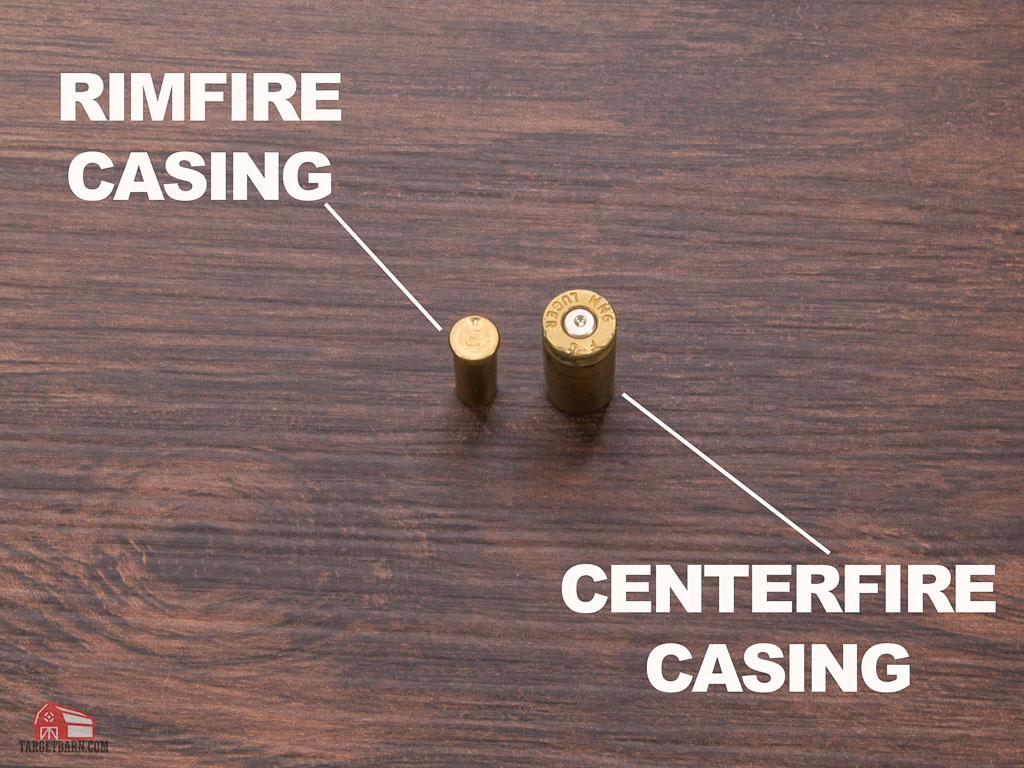
Anatomy of a Cartridge
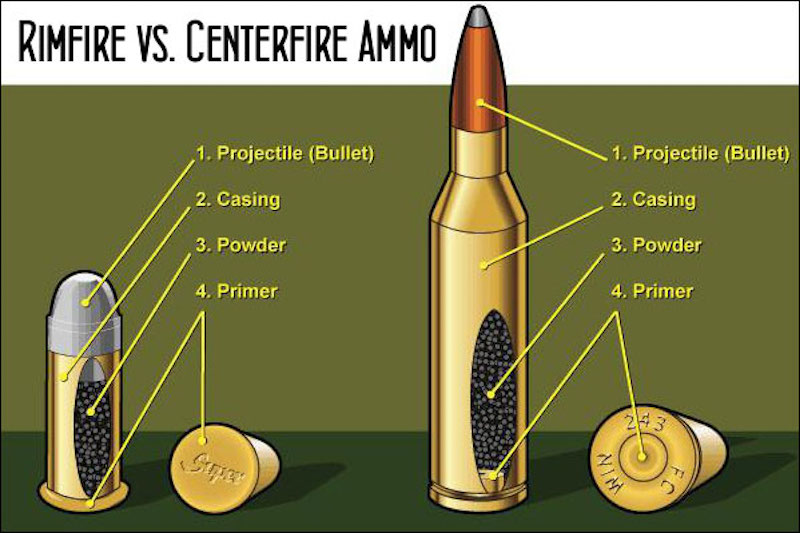
Before delving into the specifics, it’s essential to visualize the standard cartridge components:
- Projectile (Bullet): The part that exits the barrel.
- Casing (Shell): A metallic container holding all other components, typically brass, steel, or aluminum.
- Propellant (Powder): A combustible chemical compound that, upon ignition, rapidly produces gases to propel the bullet.
- Primer: A small, self-contained explosive device designed to ignite the propellant.
The technological divergence begins precisely with the primer and its integration into the casing.
The Ignition Principle
The fundamental principle of ignition remains constant: mechanical energy from a firing pin converts into chemical energy (detonation), which then becomes thermal energy (flame) to ignite the main propellant. However, the location of the primer compound within the cartridge’s base dictates the design of both the ammunition itself and the firearm’s firing mechanism. This design choice influences factors like reliability, pressure capacity, reloadability, and manufacturing complexity.
Deconstructing Rimfire Ammunition
Rimfire ammunition represents an earlier, simpler technological approach to cartridge ignition. Its design integrates the primer compound directly into the hollow rim of the cartridge case.
Design and Functionality
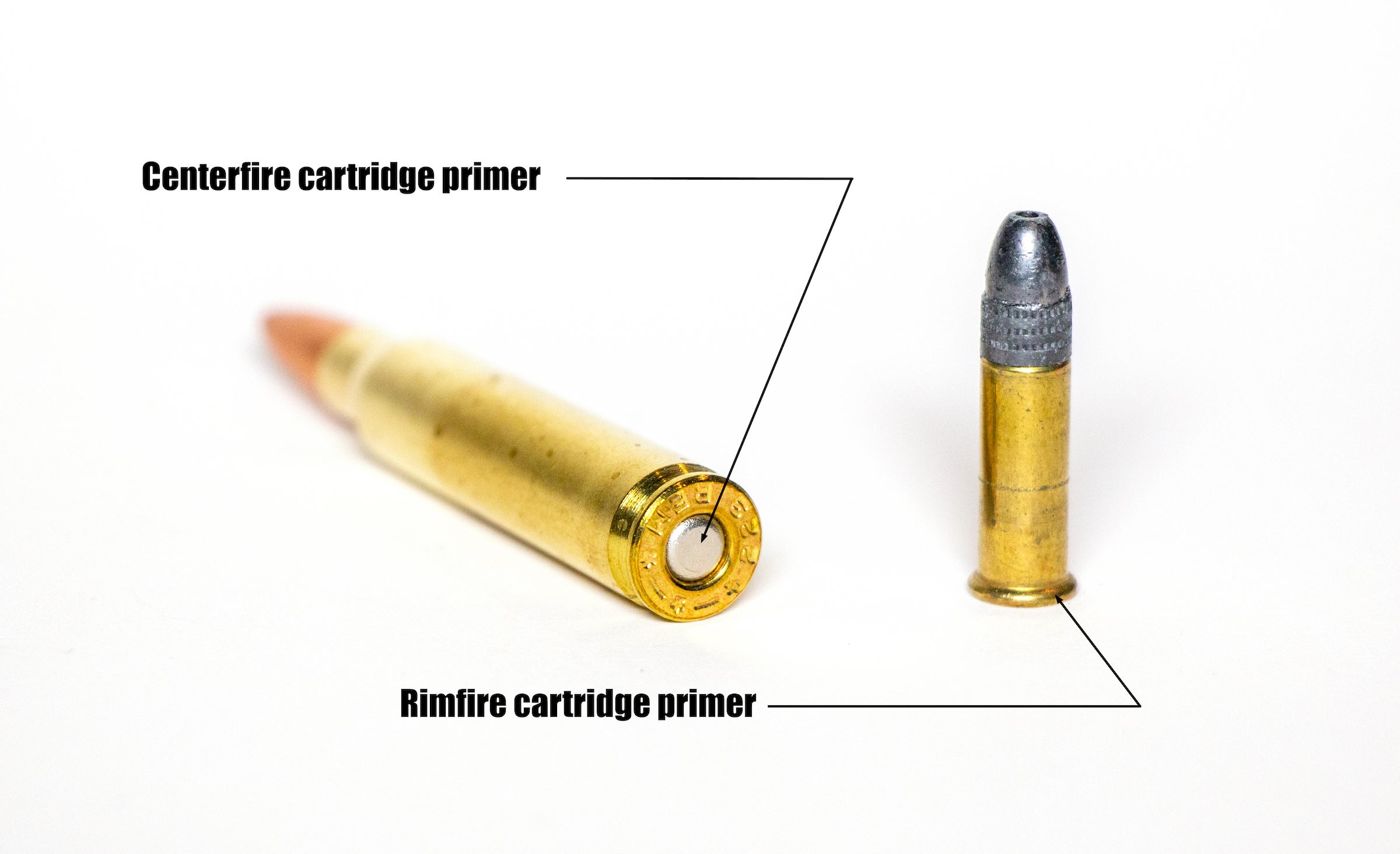
In a rimfire cartridge, the entire rim of the metallic casing effectively is the primer. During manufacturing, a small quantity of impact-sensitive priming compound is spun into the hollow interior of the case’s rim. When the firing pin strikes anywhere on this rim, it crushes the rim, compressing and detonating the priming compound. This detonation creates a flame that travels into the main body of the case, igniting the propellant.
The simplicity of this design offers several manufacturing advantages. The cartridge case itself forms the primer pocket, eliminating the need for a separate primer component to be inserted. This often translates to lower production costs per round.
Technical Advantages and Limitations
Advantages:
- Cost-Effectiveness: Simpler manufacturing typically results in significantly lower production costs, making rimfire ammunition (especially .22LR) exceptionally affordable.
- Lower Pressure Systems: Rimfire cartridges are generally designed for lower operating pressures. This allows for the use of less robust (and therefore less expensive) firearm designs, often employing simple blowback actions.
- Reduced Recoil: The lower power output inherently means less recoil, making rimfire firearms ideal for training new shooters, plinking, and extended shooting sessions.
Limitations:
- Non-Reloadable: Due to the integral nature of the primer and the deformation of the case rim upon firing, rimfire casings are not designed for reloading. Once fired, the case is discarded.
- Limited Pressure Capacity: The design of the rim, being relatively thin and containing the primer compound, inherently limits the maximum chamber pressure that rimfire cartridges can safely handle. Attempting to load them to high pressures would risk case rupture and potential firearm damage or user injury.
- Potential for Ignition Inconsistency: The priming compound is spun into the rim, and while manufacturing quality is high today, there’s a theoretical possibility of uneven distribution. This can, in rare instances, lead to “duds” where the firing pin strikes an area with insufficient priming compound.
- Smaller Caliber Focus: Primarily due to pressure limitations, rimfire ammunition is predominantly found in smaller calibers, with .22 Long Rifle (.22LR) being the most ubiquitous. While larger rimfire cartridges like .17 HMR and .22 WMR exist, they are still relatively low-power compared to most centerfire options.
Common Applications
Rimfire technology shines in applications where cost, low recoil, and moderate power are priorities. This includes recreational shooting (plinking), small game hunting (squirrels, rabbits), pest control, and fundamental marksmanship training. Its gentle nature makes it an excellent gateway technology for new enthusiasts.
Unpacking Centerfire Ammunition
Centerfire ammunition represents a more advanced and robust technological solution for cartridge ignition, offering superior reliability, pressure capacity, and versatility.
Design and Functionality
In a centerfire cartridge, the primer is a separate, self-contained component, typically a small metal cup containing the priming compound. This primer is pressed into a dedicated “primer pocket” machined into the exact center of the cartridge case’s base. When the firing pin strikes the center of the primer, it detonates the compound, and the resultant flame passes through a small hole (the “flash hole”) in the primer pocket, igniting the propellant inside the case.
This modular design is a key engineering differentiator, allowing for a more robust and controllable ignition system. The separate primer can be manufactured to precise specifications for consistency and reliability.
Technical Advantages and Limitations
Advantages:
- Superior Reliability: The centralized, consistent strike point and contained primer design contribute to highly reliable ignition across a wide range of conditions.
- High Pressure Capacity: Centerfire cases are typically constructed with thicker, stronger brass (or other metal) in their base and walls. This, combined with the robust, separate primer, allows them to safely withstand much higher chamber pressures than rimfire cartridges. This enables the development of powerful cartridges suitable for large game hunting, long-range shooting, and military applications.
- Reloadability: A significant technological advantage is the ability to reload centerfire cases. After firing, the spent primer can be “decapped” (pushed out), the case cleaned, resized, a new primer inserted, fresh propellant added, and a new bullet seated. This reusability offers economic benefits and allows for custom load development by advanced users.
- Versatility in Caliber and Power: The high-pressure capability allows centerfire technology to be scaled to a vast array of calibers, from pistol cartridges like 9mm and .45 ACP to powerful rifle rounds like .308 Winchester, .30-06 Springfield, and .50 BMG.
- Robustness: The overall design is inherently more robust, capable of enduring demanding environments and handling greater stress during the firing cycle.
Limitations:
- Higher Manufacturing Cost: The separate primer component and the more complex machining required for the primer pocket and flash hole typically result in higher manufacturing costs per round compared to rimfire.
- Increased Recoil: The ability to generate higher power inevitably leads to greater recoil, necessitating more robust firearm designs to manage these forces.
Common Applications
Centerfire technology is the standard for virtually all serious defensive, hunting, military, and competitive shooting applications. Its reliability, power, and versatility make it indispensable for scenarios demanding consistent performance and stopping power. From concealed carry pistols to precision long-range rifles, centerfire ammunition is the prevalent choice.
Engineering Nuances and Performance Implications
The fundamental design choice between rimfire and centerfire technology cascades into numerous performance and engineering considerations that influence cartridge and firearm development.
Pressure Ratings and Power Output
The distinct pressure ceilings are perhaps the most significant engineering differentiator. Rimfire cartridge cases are designed with thin brass rims containing the primer, which limits their ability to withstand high internal pressures. This design constraint means rimfire ammunition is inherently lower powered. Centerfire cases, with their robust, thick-walled bases and separate primer pockets, are engineered to handle pressures orders of magnitude greater. This allows centerfire cartridges to propel heavier bullets at much higher velocities, translating to greater kinetic energy, longer effective ranges, and more significant terminal performance.
Reliability and Consistency
From an engineering perspective, centerfire primers offer a more controlled and consistent ignition. The primer compound is precisely contained within a dedicated cup, and the firing pin strikes a specific, centralized point. This minimizes variations in primer crush and compound ignition. In contrast, the “rim-crush” ignition of rimfire, while reliable for its pressure class, can be marginally less consistent due to potential variations in rim thickness or primer compound distribution along the rim. Modern manufacturing techniques have significantly mitigated these differences, but the inherent design limitations persist.
Environmental and Economic Considerations
The reloadability of centerfire ammunition presents a significant environmental and economic advantage for avid shooters. Reusing brass cases reduces the demand for new raw materials and lowers the per-round cost of shooting over time. This also allows for detailed experimentation with different propellants and bullet types, enabling custom tailoring of ammunition for specific firearms or ballistic needs – a level of technical optimization not possible with disposable rimfire cartridges. Conversely, the high volume and low cost of rimfire often mean its use is more widespread for casual, high-volume shooting activities, where the concept of reloading is not financially or practically viable.
In essence, the choice between centerfire and rimfire reflects a fundamental engineering trade-off between simplicity, low cost, and moderate performance (rimfire) versus complexity, higher cost, but superior reliability, power, and versatility (centerfire). Both technologies have carved out indispensable niches, each optimized for different applications and user requirements within the vast landscape of ballistic engineering.
aViewFromTheCave is a participant in the Amazon Services LLC Associates Program, an affiliate advertising program designed to provide a means for sites to earn advertising fees by advertising and linking to Amazon.com. Amazon, the Amazon logo, AmazonSupply, and the AmazonSupply logo are trademarks of Amazon.com, Inc. or its affiliates. As an Amazon Associate we earn affiliate commissions from qualifying purchases.