
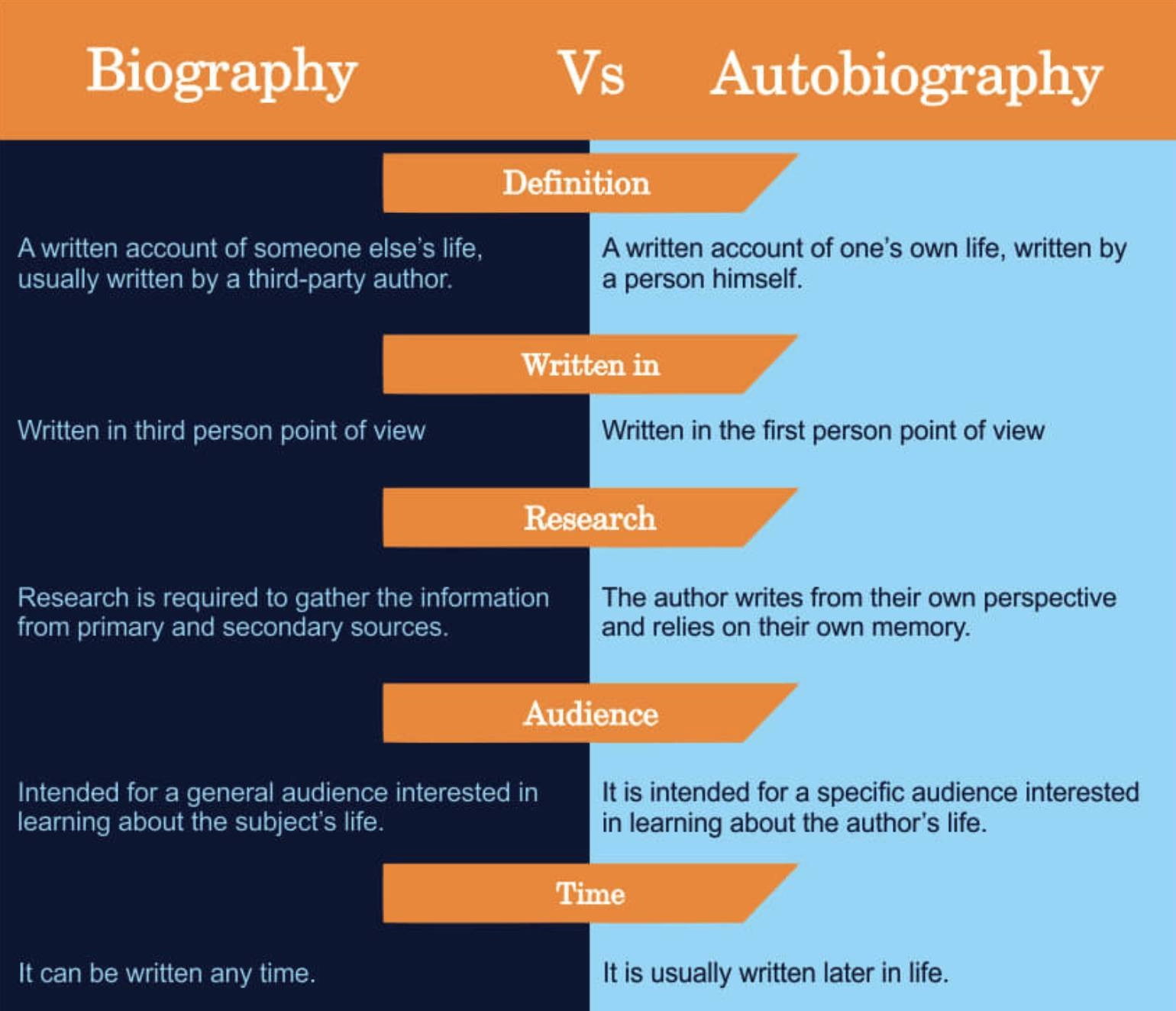
Understanding the fundamental distinctions between an autobiography and a biography is crucial not just for literary enthusiasts, but for anyone involved in crafting narratives, especially in the realm of branding, personal identity, and corporate storytelling. Both forms aim to chronicle a life, but their inherent differences—who tells the story, their perspective, and the underlying intent—have profound implications for how a subject is perceived and how their brand is built or communicated.
Crafting Narrative: The Essence of Personal and Corporate Identity
At their core, autobiographies and biographies are vehicles for conveying a life’s journey, achievements, challenges, and evolution. However, the choice between these two forms dictates much about the authenticity, authority, and ultimate impact of the narrative on an audience, directly influencing personal branding and corporate identity.

The Autobiographical Advantage: Authenticity from Within
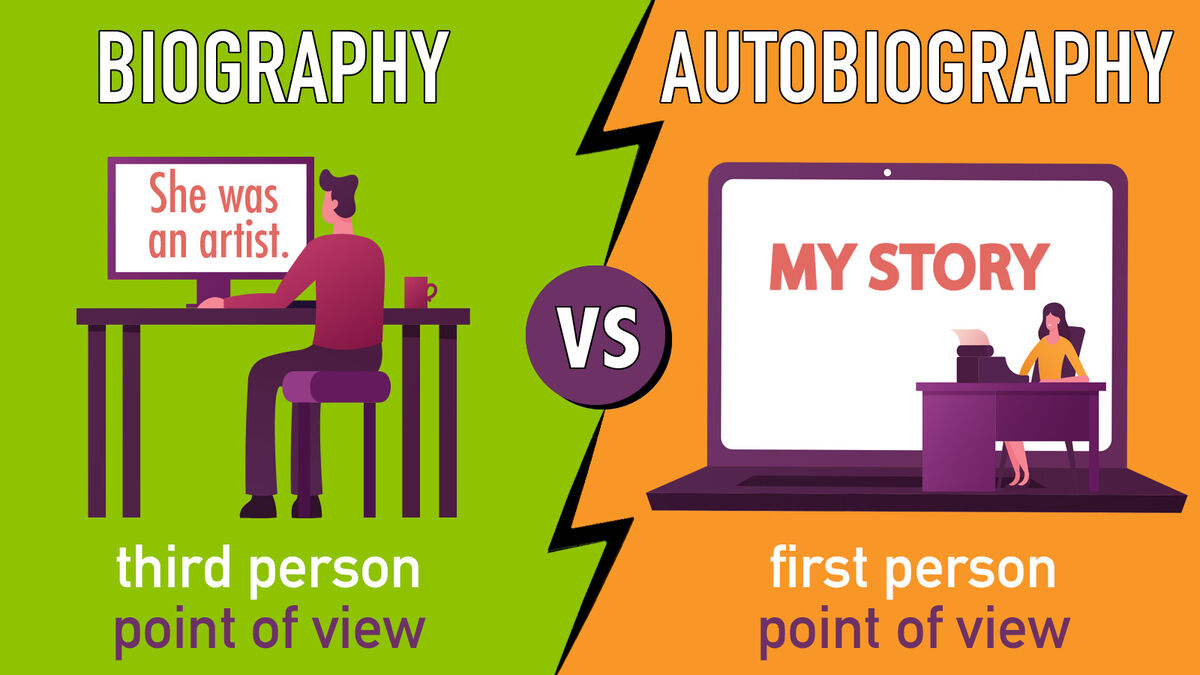
An autobiography is a self-written account of one’s own life. It is inherently a first-person narrative, where the subject is both the author and the protagonist. This direct voice offers an unparalleled level of authenticity and immediacy. For personal branding, an autobiography allows an individual to meticulously curate their own story, shaping their public image with their own words, unfiltered by external interpretations. It provides a platform for articulating personal values, motivations, and the subjective experience of their journey.
From a branding perspective, an autobiography serves as the ultimate “about me” page, expanded into a full-length work. It’s an opportunity to control the narrative completely, to highlight specific experiences that align with a desired brand image, and to address controversies or misconceptions directly. This self-curated story is invaluable for thought leaders, entrepreneurs, and public figures who wish to establish a strong, consistent personal brand built on transparency and direct communication. It’s a declaration of one’s identity, often revealing deeper insights into character and philosophy that an external observer might miss.
The Biographical Perspective: External Validation and Broad Appeal
A biography, conversely, is the story of a person’s life written by someone else. This third-person account introduces an element of objective distance, even if the biographer is deeply immersed in their subject’s life. The biographer’s role is to research, interpret, and present the subject’s life through their own lens, drawing on interviews, documents, and other historical records. This external perspective can lend a sense of credibility and impartiality that an autobiography, by its very nature, struggles to achieve.
For corporate identity and leadership branding, a biography can be a powerful tool for validating a leader’s contributions or a company’s legacy through an independent voice. A well-researched biography can offer a more balanced, critical, and often more comprehensive view, incorporating diverse perspectives and historical context that the subject might not possess or choose to reveal. When a brand’s narrative is presented by a credible external source, it often carries more weight, signaling to the audience that the subject’s impact is significant enough to warrant dedicated study by another. This external validation can enhance a brand’s reputation, solidify its historical standing, and broaden its appeal by presenting a more universally relatable account.
Strategic Storytelling for Brand Building
The decision to present a life story as an autobiography or a biography is a strategic one, deeply intertwined with branding objectives. Each format offers distinct advantages for conveying specific aspects of a brand’s narrative.
Personal Branding: Leveraging Your Own Story
For individuals focused on personal branding, an autobiography is often the preferred choice. It allows for absolute control over messaging, tone, and the selection of narrative elements. A founder writing their autobiography can intricately weave their personal values into the company’s origin story, creating an emotional connection with their audience. This direct engagement fosters trust and authenticity, as consumers increasingly value transparency and personal connection with the individuals behind brands.
An autobiography enables the author to:
- Define their narrative: Choose which successes to highlight, which failures to frame as learning experiences, and how to present their unique journey.
- Establish thought leadership: Share personal insights, philosophies, and expertise directly, positioning themselves as an authority in their field.
- Create emotional resonance: Build a deeper connection with the audience by sharing vulnerabilities, motivations, and personal growth.
- Shape perception proactively: Address potential misconceptions or criticisms on their own terms.
This direct approach to storytelling is powerful for building a relatable, influential, and memorable personal brand that resonates with a target audience eager for genuine connections.
Corporate Identity: Defining Leadership and Legacy
When it comes to corporate identity, particularly in defining the legacy of a founder or the leadership of an organization, a biography can be immensely effective. A biography, written by an objective third party, can add gravitas and historical significance to a brand narrative. It can serve as a detailed case study of leadership, innovation, and strategic decision-making, validated by independent research.
A biography for corporate branding can:
- Validate achievements: An external account of a founder’s impact or a company’s milestones can be more convincing than a self-laudatory one.
- Provide historical context: Place the brand within a broader industry or societal narrative, demonstrating its influence and longevity.
- Showcase leadership principles: Analyze a leader’s decisions and strategies, offering valuable insights into the brand’s operational philosophy.
- Attract talent and investment: A compelling, externally validated narrative about a company’s past and present leadership can enhance its appeal to stakeholders.
- Mitigate bias: Present a more balanced view that can be perceived as more trustworthy by external stakeholders, including investors and partners.
This objective recounting strengthens the corporate brand’s credibility and demonstrates a legacy worthy of external recognition, contributing to a robust and respected corporate identity.
Marketing Implications and Audience Perception
The choice between an autobiography and a biography also has significant marketing implications, particularly concerning how the narrative is received by different audiences and its overall impact on brand perception.
The Power of the First-Person Voice in Marketing
An autobiography’s first-person voice is a potent marketing tool for direct engagement. It creates an intimate connection, making the reader feel as if they are hearing directly from the source. This direct address can be incredibly persuasive for audiences looking for authenticity and a personal touch. For authors, speakers, consultants, and coaches, an autobiography can serve as an extended business card, showcasing their unique perspective and building a loyal following. It allows for a more personal brand message that can be leveraged across all marketing channels, from social media to speaking engagements. The narrative becomes a living extension of the individual, fostering a deep sense of trust and rapport.
Third-Person Narratives for Broader Market Reach
Biographies, with their third-person narratives, tend to have a broader appeal and can reach a more diverse audience. An external author can often frame a story in a way that resonates with a wider demographic, unconstrained by the subject’s own biases or desired image. For historical figures, influential leaders, or corporate titans, a biography ensures their story can be studied and appreciated by academics, historians, students, and the general public, extending their brand legacy far beyond their immediate influence. The objective tone often makes it suitable for academic discourse, industry analyses, and broader media coverage, amplifying the subject’s reach and impact.
Design and Presentation: Visualizing Your Brand Narrative
Beyond the written content, the visual and stylistic presentation of an autobiography or biography plays a critical role in shaping brand perception. Design choices reinforce the narrative’s inherent nature—whether it’s an intimate self-reflection or an expansive historical account.
Cover Design and Imagery: Reflecting the Author or Subject
The cover of a book is often the first touchpoint for an audience, acting as a visual summary of the brand it represents. For an autobiography, the cover typically features a prominent, often personal, image of the author. The typography might be more reflective of their personality or the book’s emotional tone. The design aims to convey authenticity, approachability, and the unique voice of the individual. It’s a direct representation of the personal brand, often using imagery that evokes their journey, industry, or defining characteristics.
For a biography, the cover design might focus less on a single candid shot and more on a composed, iconic image of the subject, or even a symbolic graphic that represents their broader impact or era. The design might aim for a more historical, authoritative, or analytical feel, reflecting the depth of research and external perspective. The emphasis shifts from the person telling the story to the person whose story is being told, often aiming for a timeless or significant aesthetic that speaks to their legacy.
Tone and Voice: Shaping Brand Perception
The inherent tone and voice of each format significantly influence brand perception. An autobiography allows the author to dictate their own voice, whether it’s humorous, reflective, assertive, or vulnerable. This direct voice is a cornerstone of personal branding, allowing the individual’s unique personality to shine through and connect directly with the audience. The tone is often crafted to align precisely with the author’s public persona and brand promise.
A biography, written by an external author, often adopts a more measured, analytical, or journalistic tone. While the biographer aims to capture the essence of their subject, their own authorial voice will inevitably shape the narrative. This can be an advantage for brands seeking to project an image of gravitas, historical importance, or objective authority. The biographer’s interpretation contributes to the brand’s perception, adding another layer of expertise and validation to the subject’s story. The chosen tone must be consistent with the brand’s overall messaging and strategic objectives.
Legal and Ethical Considerations in Brand Narratives
The creation and publication of either an autobiography or a biography also involve significant legal and ethical considerations, particularly concerning accuracy, privacy, and control over one’s brand narrative.
Ownership of the Narrative: Control and Accuracy
In an autobiography, the author holds complete ownership and control over their narrative. This empowers them to present their life story exactly as they perceive it, choosing what to reveal and what to omit. While this offers immense branding freedom, it also places a significant ethical responsibility on the author to be truthful and avoid self-aggrandizement that could undermine credibility. Legal challenges, though rare, can arise if the autobiography defames others or contains demonstrably false claims. For personal branding, accuracy and integrity are paramount, as any perceived dishonesty can swiftly erode trust.
With a biography, the control shifts from the subject to the biographer. The biographer has an ethical obligation to conduct thorough research, present facts accurately, and strive for balance, even when dealing with sensitive or controversial aspects of the subject’s life. Legal issues such as defamation, invasion of privacy, or copyright infringement can be more prevalent if the biographer misrepresents facts or uses copyrighted material without permission. For corporate branding, ensuring the authorized biographer adheres to strict standards of accuracy and fairness is crucial for maintaining the integrity and reputation of the brand being chronicled. Establishing clear guidelines and access protocols is vital.
Reputation Management and Public Image
Both formats are powerful tools for reputation management, but with different mechanisms. An autobiography allows an individual to actively manage their public image by directly addressing past mistakes, clarifying controversial events, or reframing their narrative to align with current brand goals. It’s a proactive defense and definition of their personal brand. This direct control is invaluable in today’s fast-paced media landscape.
A biography, while not directly controlled by the subject, can significantly shape public perception and historical legacy. A well-written, authoritative biography can cement a leader’s or company’s place in history, influencing how future generations perceive their contributions. However, a critical or unflattering biography can pose serious challenges to reputation management. Therefore, for significant public figures or corporate entities, collaboration with an authorized biographer (or at least providing full access and context) is often a strategic move to ensure the resulting narrative is as fair and comprehensive as possible, aligning with the brand’s desired legacy. The perceived objectivity of a biography can often lead to a more enduring and robust public image.
aViewFromTheCave is a participant in the Amazon Services LLC Associates Program, an affiliate advertising program designed to provide a means for sites to earn advertising fees by advertising and linking to Amazon.com. Amazon, the Amazon logo, AmazonSupply, and the AmazonSupply logo are trademarks of Amazon.com, Inc. or its affiliates. As an Amazon Associate we earn affiliate commissions from qualifying purchases.