
The term “domestic partner” has evolved significantly in its social, legal, and financial implications over recent decades. While its core definition refers to a committed, unmarried relationship, the financial ramifications for individuals in such partnerships are complex and multifaceted, touching upon everything from employee benefits and taxation to estate planning and personal finance strategies. Understanding “what’s a domestic partner” from a financial lens is crucial for ensuring stability, security, and equitable treatment within these increasingly common relationships.
Understanding Domestic Partnership: A Financial Perspective
At its most fundamental, a domestic partnership is a legal or quasi-legal relationship between two individuals who live together and share a common domestic life, but are not married. Historically, domestic partnerships gained prominence as a means to provide legal recognition and benefits to same-sex couples before marriage equality became widespread. Today, they are also chosen by heterosexual couples for a variety of reasons, including personal philosophy, perceived financial benefits, or avoiding the legal complexities associated with marriage.
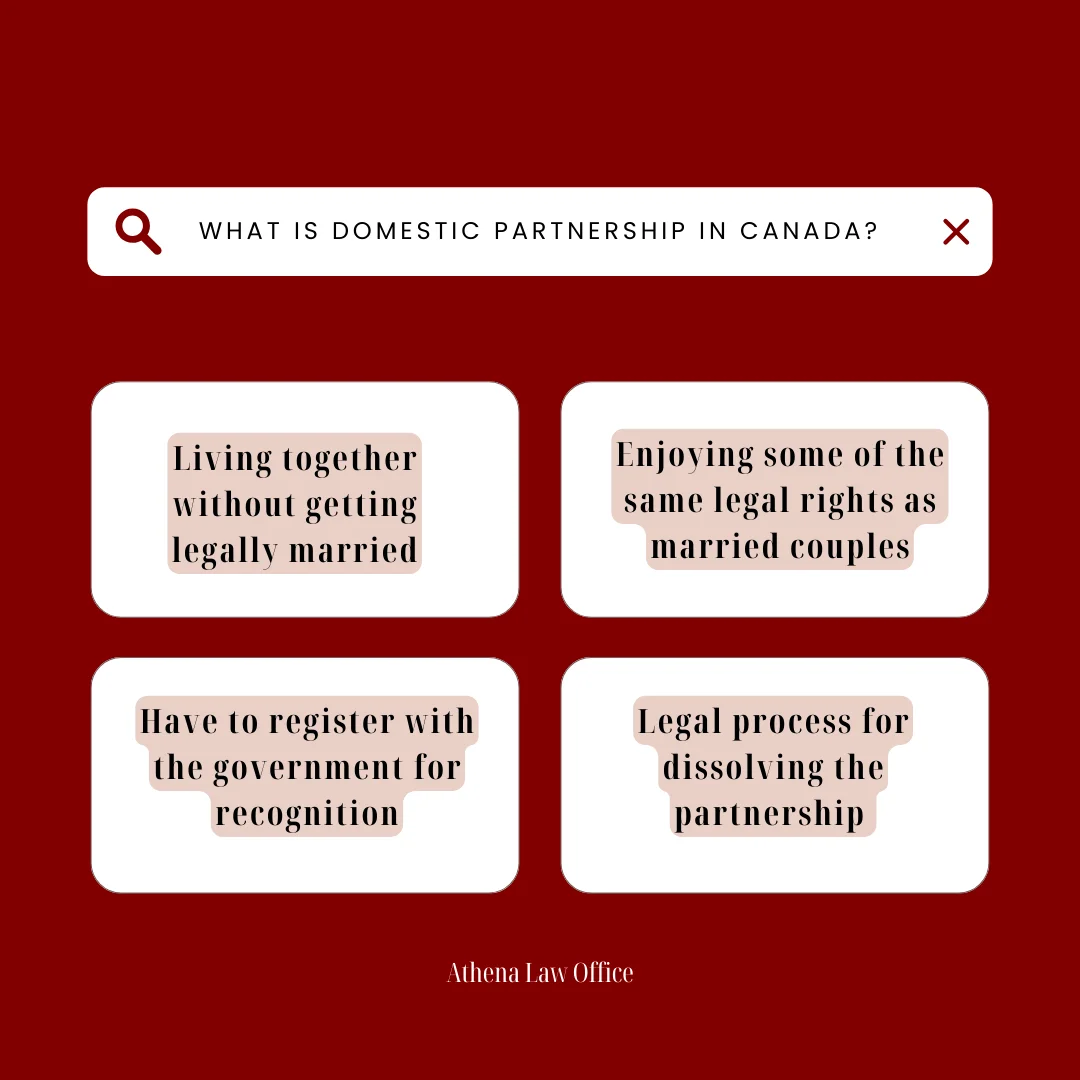
From a financial standpoint, the critical distinction between a domestic partnership and marriage lies primarily in federal recognition. While marriage is universally recognized federally, allowing for joint tax filing, spousal Social Security benefits, and more straightforward inheritance laws, domestic partnerships often lack this federal umbrella. Instead, their recognition—and thus their financial implications—can vary significantly based on state, county, municipal, and even employer-specific policies. This patchwork of recognition creates a complex financial landscape that demands careful navigation and proactive planning. Without a comprehensive understanding, domestic partners can face unexpected financial burdens, missed opportunities, and a lack of protection compared to their married counterparts.
The Financial Labyrinth: Key Implications of Domestic Partnership
Navigating the financial world as domestic partners requires a deep dive into several critical areas where their status diverges from that of married couples. The specifics often hinge on the jurisdiction and the policies of employers, making diligence paramount.
Employee Benefits
One of the most significant financial advantages offered by domestic partnerships historically has been access to employee benefits. Many employers, both public and private, extend benefits like health insurance, dental, vision, and even retirement plan eligibility to registered domestic partners. However, a key financial nuance here is the concept of “imputed income.” Unlike coverage for a spouse, the value of health insurance coverage for a domestic partner is often considered taxable income to the employee by the IRS. This means the employee’s gross income is increased by the fair market value of the partner’s benefits, leading to higher tax liabilities.
Beyond health coverage, domestic partners may also be eligible for other benefits such as family and medical leave (FMLA in some states), bereavement leave, and access to employee assistance programs. It is crucial for partners to review their employer’s specific policies and understand the tax implications of any extended benefits.
Taxation Complexities
Taxation presents one of the most significant differences between married couples and domestic partners.
Federal Income Tax
For federal income tax purposes, domestic partners are generally treated as single individuals. This means they cannot file jointly, claim spousal deductions, or leverage many of the tax benefits available to married couples. This includes limitations on transferring assets between partners without incurring gift tax implications and the absence of a marital deduction for estate taxes.
State Income Tax
While the federal government typically doesn’t recognize domestic partnerships for tax purposes, some states do. States like California, Oregon, Nevada, Washington, and Hawaii recognize registered domestic partnerships and may allow partners to file state income tax returns jointly or offer other state-level tax benefits. This creates a challenging scenario for partners in these states, as they must file their federal taxes as single individuals but may file their state taxes jointly, requiring careful accounting and potentially complex tax preparation.
Gift and Inheritance Tax
Unlike gifts between spouses, gifts between domestic partners exceeding the annual exclusion limit ($18,000 per recipient in 2024) are subject to federal gift tax. Similarly, there is no automatic spousal exemption for inheritance tax, meaning that assets passed from one partner to another upon death can be subject to significant estate taxes, depending on the estate’s value and state laws.
Estate Planning
For domestic partners, comprehensive estate planning isn’t just advisable; it’s absolutely critical. Without a will, trusts, and other legal documents, a surviving partner typically has no automatic inheritance rights under intestacy laws (laws governing inheritance when there is no will). This means assets may pass to blood relatives, even if it was the deceased partner’s clear intent for their domestic partner to inherit.
Key documents for domestic partners include:
- Wills: Clearly outlining who inherits what, including specific bequests and residual estates.
- Trusts: Can be used to manage and distribute assets, protect beneficiaries, and avoid probate.
- Durable Power of Attorney: Appointing a partner to make financial decisions if one becomes incapacitated.
- Healthcare Directives (Living Wills & Healthcare Power of Attorney): Designating a partner to make medical decisions and state end-of-life wishes.
- Beneficiary Designations: Meticulously updating beneficiary designations on all retirement accounts (401k, IRA), life insurance policies, and investment accounts is paramount, as these supersede wills.

Social Security and Medicare
A significant financial gap for domestic partners compared to married couples is the lack of spousal benefits under Social Security and Medicare. Domestic partners are not eligible for spousal retirement benefits, survivor benefits, or Medicare benefits based on their partner’s work record. This means each partner must qualify independently for these crucial benefits, or make alternative financial provisions, such as through robust life insurance and retirement savings.
Property and Debt
When domestic partners acquire property together or incur joint debt, the legal ownership and responsibility are vital considerations.
- Property Ownership: Partners can own property as “tenants in common” (where each partner owns a distinct share that can be bequeathed) or “joint tenants with right of survivorship” (where the surviving partner automatically inherits the deceased partner’s share). The choice has significant implications for inheritance and control.
- Shared Liabilities: Joint loans, credit cards, or mortgages mean both partners are legally responsible for the debt, regardless of who primarily incurred it or who primarily makes payments.
- Cohabitation Agreements: Similar to prenuptial agreements, a cohabitation agreement is a legally binding document that can outline financial responsibilities during the relationship and dictate how assets and debts will be divided in the event of separation. This is an invaluable tool for clarity and protection.
Navigating Finances as Domestic Partners: Strategies and Tools
Given the unique financial landscape, domestic partners must adopt proactive strategies and utilize specific tools to secure their financial future.
Financial Transparency and Communication
Open and honest communication about finances is the bedrock of a successful domestic partnership. This includes:
- Regular Financial Discussions: Scheduling periodic meetings to discuss income, expenses, debts, and financial goals.
- Shared Financial Vision: Aligning on short-term and long-term financial objectives, such as saving for a home, retirement, or major purchases.
- Risk Tolerance: Understanding each other’s comfort levels with investment risk and debt.
Budgeting and Cash Flow Management
Domestic partners often employ a hybrid approach to managing money:
- Separate Personal Accounts: Maintaining individual checking and savings accounts for personal spending and savings goals.
- Joint Account for Shared Expenses: Establishing a joint account for household bills, groceries, rent/mortgage, and other shared costs. Partners can contribute equally or proportionally based on income.
- Clear Expense Division: Defining who is responsible for which bills or how shared expenses will be split to avoid misunderstandings.
Savings and Investments
Careful coordination is essential for building wealth:
- Individual Retirement Accounts: Each partner should maximize contributions to their individual retirement accounts (401k, IRA) to build personal wealth, especially given the lack of spousal Social Security benefits.
- Joint Financial Goals: Setting and funding shared savings goals, such as a down payment for a home or a travel fund, typically through a joint savings account.
- Beneficiary Designations: Reviewing and updating beneficiary designations on all investment accounts, life insurance policies, and retirement plans to reflect the partner’s wishes.
Insurance Planning
Strategic insurance coverage is paramount for financial protection:
- Life Insurance: Given the absence of spousal Social Security survivor benefits, robust life insurance policies are critical for domestic partners to ensure the surviving partner is financially secure upon the other’s death.
- Disability Insurance: Protecting each partner’s income in case of long-term illness or injury is vital for maintaining the household’s financial stability.
- Property & Casualty Insurance: Ensuring adequate coverage for shared assets, like a home or vehicles, is standard practice.
Essential Financial Tools for Domestic Partners
- Cohabitation Agreements: A legally binding document that outlines financial rights, responsibilities, and asset division in the event of separation. This provides clarity and protection.
- Comprehensive Estate Planning Documents: Wills, trusts, durable powers of attorney (financial and healthcare), and advance directives are indispensable for ensuring assets are distributed as intended and that a partner can make decisions during incapacitation.
- Financial Planning Software: Utilizing software or apps to track joint and individual budgets, expenses, and investment portfolios can provide a clear financial picture.
- Professional Financial and Legal Advisors: Engaging experienced financial planners, tax advisors, and attorneys who understand the complexities of domestic partnership laws is invaluable for navigating state-specific regulations, optimizing tax strategies, and crafting robust legal protections.

The Evolving Landscape of Domestic Partnerships and Financial Planning
The financial implications of domestic partnerships are not static. While the rise of marriage equality has shifted some of the historical urgency for domestic partnership recognition, these relationships remain a chosen path for many. Employer benefits policies continue to evolve; some employers have scaled back domestic partner benefits as marriage equality became widespread, while others maintain them to be inclusive of all relationship structures, regardless of marital status.
Furthermore, state and local laws regarding domestic partnership recognition, rights, and benefits are subject to ongoing legislative changes. Therefore, domestic partners must remain vigilant, staying informed about legal and policy shifts that could impact their financial well-being. The financial “marriage penalty” versus a “domestic partner penalty” is a fluid concept, heavily influenced by individual circumstances, location, and the specific benefits or disadvantages incurred. Proactive engagement with financial planning and legal counsel is not merely a recommendation but a necessity for domestic partners aiming to build a secure and prosperous future together.
aViewFromTheCave is a participant in the Amazon Services LLC Associates Program, an affiliate advertising program designed to provide a means for sites to earn advertising fees by advertising and linking to Amazon.com. Amazon, the Amazon logo, AmazonSupply, and the AmazonSupply logo are trademarks of Amazon.com, Inc. or its affiliates. As an Amazon Associate we earn affiliate commissions from qualifying purchases.