
Understanding California’s Smog Exemption Rules and Their Financial Impact
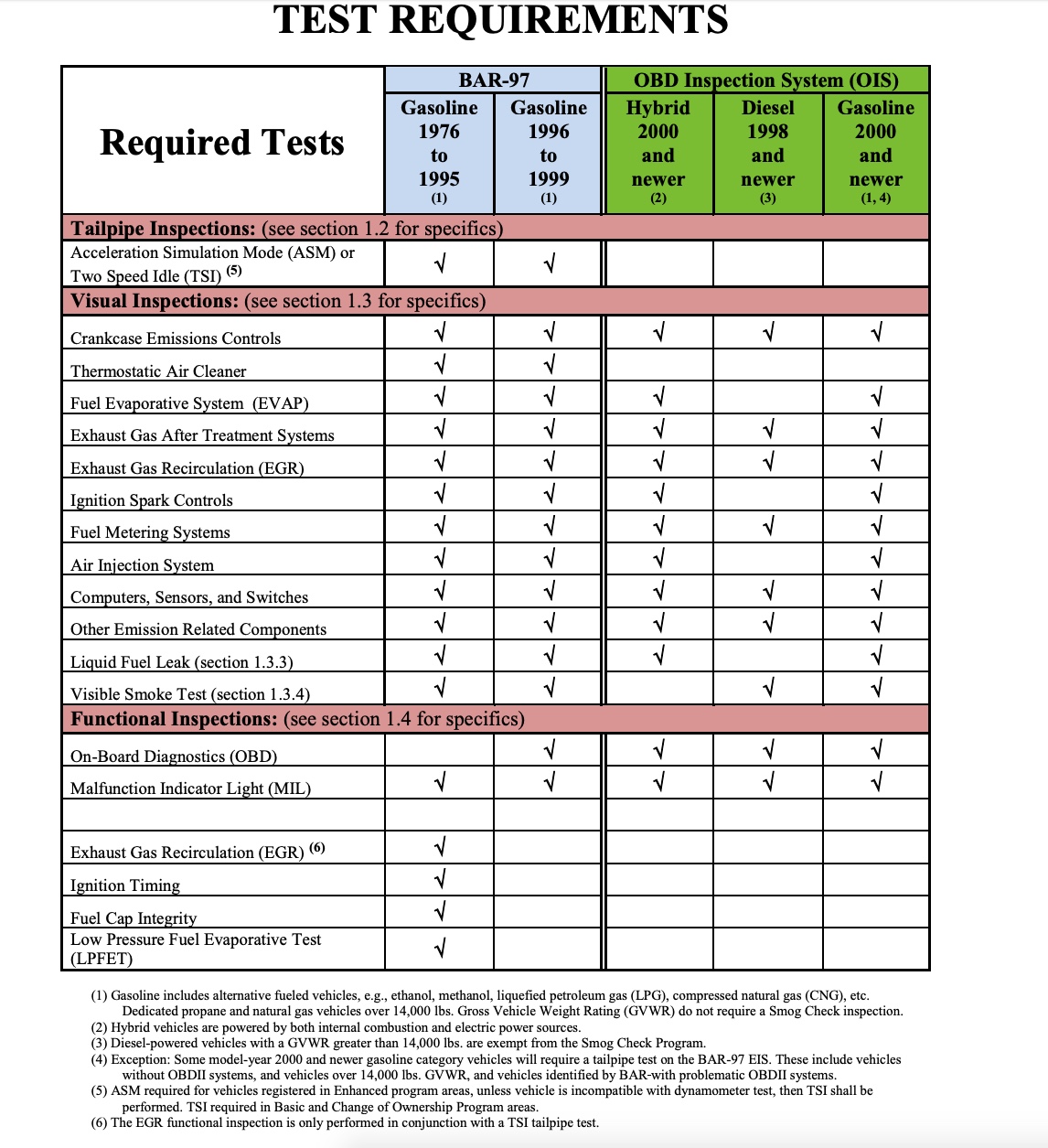
For vehicle owners and prospective buyers in California, understanding the state’s smog exemption rules is not merely a matter of regulatory compliance; it’s a significant financial consideration. The answer to “what year is smog exempt in California” directly impacts an owner’s ongoing expenses, maintenance budgeting, and even the vehicle’s market value. Currently, vehicles manufactured in 1975 or older are exempt from the biennial smog inspection requirement in California. This fixed cut-off date has substantial financial ramifications that savvy car owners and investors should be acutely aware of.
The 1975 Cut-off: A Key Financial Milestone
The specific year 1975 serves as a critical demarcation point for vehicle owners in California, marking the threshold for complete smog exemption. For any vehicle built in 1975 or earlier, the financial burden of regular smog checks, and more importantly, the potential costs associated with failing one, are completely eliminated. This means no biennial inspection fees, no diagnostic charges to identify emission issues, and no expensive repairs to rectify non-compliance. This exemption provides a predictable long-term cost advantage, making these older vehicles an attractive option for certain buyers, particularly those looking to minimize recurring automotive expenses beyond basic maintenance and registration. The peace of mind that comes with knowing a major recurring cost is absent can be a significant financial comfort.
Evolution of Smog Laws and Budgeting for Compliance
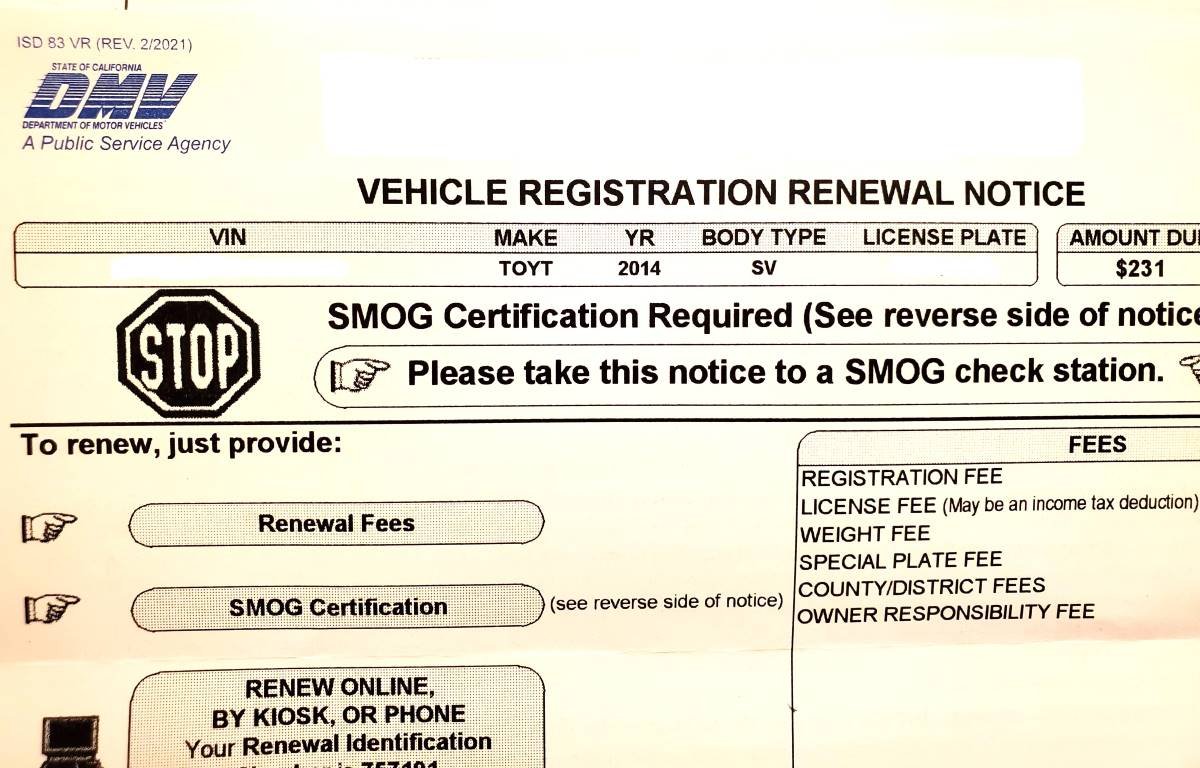
California’s smog laws have evolved significantly over time, initially featuring a “rolling exemption” where vehicles 30 years old and older were exempt. However, this was changed in 2004 to the current fixed exemption for vehicles model year 1975 and older. This shift cemented the financial landscape for older vehicle ownership, ensuring that the 1975 cut-off remains constant regardless of the current year. For vehicles manufactured in 1976 and newer, smog checks are generally required every two years, upon change of ownership, or when bringing a vehicle into California from another state. Budgeting for these regular inspections, and crucially, for potential repairs if a vehicle fails, is an indispensable part of personal finance for owners of non-exempt vehicles. Factors like the age of the vehicle, its maintenance history, and specific emission components (e.g., catalytic converter, oxygen sensors) can dictate the likelihood and cost of compliance, making the smog-exempt status of 1975 and older models a clear financial advantage by removing this variable entirely.
The Financial Upside of Owning a Smog-Exempt Vehicle
For those who own or are considering acquiring a vehicle from the 1975 model year or older, the financial benefits extend well beyond merely avoiding a biannual test. This exemption translates into tangible savings, enhanced asset value, and a reduction in the economic value of time spent on compliance.
Direct Cost Savings: Avoiding Smog Check Fees and Repairs
The most immediate financial advantage is the elimination of direct smog check expenses. A typical smog inspection can cost anywhere from $30 to $80, depending on the test station and the type of vehicle. While this might seem modest on its own, it’s the potential repair costs that often represent a far greater financial drain. If a non-exempt vehicle fails a smog test, the owner is mandated to perform necessary repairs to bring it into compliance before it can be registered. These repairs can range from relatively inexpensive fixes, like replacing a gas cap or spark plugs, to significant expenses such as replacing a catalytic converter, which can cost upwards of $1,000 to $2,500 or more, including parts and labor. Oxygen sensors, exhaust gas recirculation (EGR) valves, and evaporative emission control (EVAP) system repairs also frequently result in substantial bills. For a 1975 or older vehicle, these potential expenditures are entirely circumvented, offering robust long-term savings that contribute positively to the owner’s overall automotive budget. Over many years of ownership, these avoided costs accumulate into a substantial sum, making the initial investment in such a vehicle potentially more financially appealing.
Enhanced Resale Value and Investment Potential
The smog exemption significantly enhances the resale value and investment potential of 1975 and older vehicles within California. In a state where stringent emissions regulations can deter buyers from older models, the “smog-exempt” status becomes a powerful selling point. This is particularly true for classic and vintage vehicles, where the exemption not only preserves their originality (by not requiring modifications for modern emissions standards) but also ensures lower ongoing ownership costs for future buyers. Consequently, these vehicles often command a premium in the California market compared to their non-exempt counterparts or similar models sold in states with less strict regulations. For collectors and enthusiasts, a smog-exempt vehicle represents a more stable and potentially appreciating asset, as the cost of ownership remains predictable and lower. The exemption reduces market friction and broadens the pool of potential buyers who might otherwise be wary of the financial liabilities associated with passing smog tests.
Reduced Ownership Hassle: Time as Money
While not a direct monetary transaction, the time and effort saved by owning a smog-exempt vehicle have a significant economic value. Smog checks require scheduling appointments, driving to an authorized station, waiting for the inspection, and potentially dealing with the stress and logistics of repairs if the vehicle fails. Each of these steps consumes valuable time that could otherwise be used for work, leisure, or other productive activities. For individuals whose time has a clear monetary value (e.g., self-employed professionals, hourly workers), eliminating this recurring administrative burden represents a tangible financial benefit. Furthermore, avoiding the emotional and logistical stress of navigating the smog testing and repair process contributes to an improved quality of life, which, while intangible, often has an unquantifiable financial impact on overall well-being and productivity.
Navigating Potential Pitfalls and Hidden Costs for Exempt Vehicles
While the smog exemption offers significant financial advantages, owning an older vehicle still comes with its own set of budgetary considerations. Prudent financial planning requires acknowledging these potential pitfalls to ensure the overall cost of ownership remains favorable.
Maintenance for Longevity: Protecting Your Investment
Even with smog exemption, neglecting routine maintenance on older vehicles can lead to significant financial setbacks. Older engines, transmissions, and mechanical components often require more frequent and specialized care than newer vehicles. Proactive maintenance—including regular oil changes, fluid checks, brake service, and inspection of belts and hoses—is a crucial cost-saving strategy. Failing to budget for these can lead to larger, more expensive repairs down the line, such as engine overhauls or transmission replacements. Parts for classic vehicles can sometimes be harder to source, potentially leading to higher costs or longer wait times, impacting the vehicle’s utility and increasing overall expense. Therefore, setting aside a dedicated maintenance fund for a smog-exempt vehicle is a fiscally responsible decision that protects the initial investment and extends the vehicle’s operational lifespan.
Insurance Considerations for Vintage and Classic Cars
Insuring a 1975 or older vehicle, especially if it’s considered a classic or collectible, requires specific financial consideration. Standard auto insurance policies may not adequately cover the unique value of such a vehicle, potentially leading to underinsurance in the event of damage or loss. Owners should explore specialized classic car insurance policies, which often offer “agreed value” coverage. This means the insurer agrees upon a specific value for the vehicle at the policy’s inception, ensuring that in the event of a total loss, the payout reflects the true market value of the classic car, rather than a depreciated actual cash value. While these specialized policies might sometimes have different premium structures or usage restrictions, they provide superior financial protection for a valuable asset. Failing to obtain appropriate insurance can result in a significant financial loss if the vehicle is damaged or stolen.
Registration Fees and Other Annual Costs
It’s important to remember that smog exemption does not exempt a vehicle owner from all annual fees. All vehicles registered in California, regardless of age or smog status, are subject to annual registration fees, license plate fees, and potentially other local taxes or surcharges. These costs are a predictable part of vehicle ownership and must be factored into an owner’s annual budget. While the absence of smog check-related costs provides relief, these other recurring expenses remain. Additionally, older vehicles may consume more fuel or require higher-octane gasoline, which can impact ongoing fuel expenditures. A comprehensive financial plan for a smog-exempt vehicle needs to encompass all these consistent and variable costs to accurately project the true cost of ownership.
Strategic Vehicle Acquisition: Making Informed Financial Decisions
The smog exemption status significantly influences the strategic financial decisions involved in buying or selling a vehicle in California. For both parties, understanding the implications can lead to more advantageous outcomes.
Evaluating a Smog-Exempt Vehicle Purchase
For prospective buyers, a smog-exempt vehicle presents a compelling value proposition, but a thorough financial evaluation is crucial. The initial purchase price of a 1975 or older vehicle can vary widely depending on its condition, rarity, and market demand. Buyers should weigh this against the long-term savings from avoided smog checks and potential repairs. While the exemption removes one major financial hurdle, a pre-purchase inspection by a trusted mechanic is paramount. This investment in inspection can identify immediate maintenance needs or impending major repairs that could quickly offset the savings from smog exemption. Budgeting for an initial period of refurbishment or preventive maintenance after purchase is often a wise financial move, ensuring the vehicle’s reliability and protecting the investment from unexpected, costly breakdowns shortly after acquisition. Understanding the full scope of potential immediate and ongoing costs is essential for an informed financial decision.
The Smog Exemption as a Selling Point
For sellers of 1975 and older vehicles in California, the smog exemption is a powerful and marketable feature. Highlighting this status can attract a broader base of buyers who value the simplified ownership and reduced ongoing costs. Sellers can often command a premium for these vehicles, especially if they are in good condition or are desirable classic models. Clearly communicating the financial advantages—zero smog check fees, no repair costs for emissions compliance, and reduced hassle—can justify a higher asking price. It positions the vehicle as a “turn-key” investment where a significant future expense has already been effectively removed. Understanding the demand curve for these exempt vehicles and effectively leveraging this unique selling proposition can lead to a quicker sale at a more favorable price, maximizing the financial return for the seller.
Future Outlook: Staying Ahead of Potential Policy Changes
While the current 1975 exemption is fixed, the regulatory landscape for vehicles and emissions can evolve. For long-term financial planning, it’s prudent for owners of smog-exempt vehicles to remain informed.
Monitoring Legislative Developments
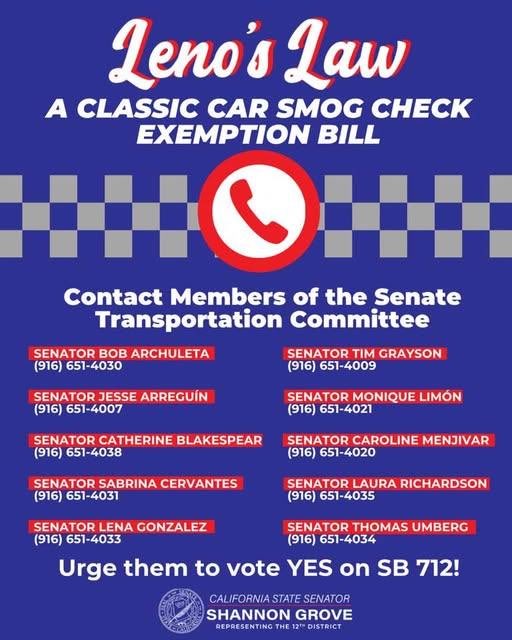
Although the 1975 cut-off is currently fixed, legislative bodies can introduce new bills that might alter vehicle regulations. While significant changes to the established exemption are unlikely due to the nature of classic vehicle markets and historical precedent, monitoring legislative developments related to vehicle emissions, historic vehicle classifications, or taxation is a responsible financial practice. Such changes, if they ever occurred, could impact the financial benefits or costs associated with ownership. Staying informed, perhaps through classic car associations or automotive news outlets, is a low-cost way to safeguard one’s automotive asset and financial planning against unforeseen policy shifts.
Diversifying Your Automotive Portfolio
For individuals with multiple vehicles or those considering vehicles as part of a broader asset portfolio, understanding the smog exemption adds another layer to financial diversification. Owning a smog-exempt classic alongside a newer, fuel-efficient daily driver can balance different financial aspects of vehicle ownership. The classic vehicle might offer appreciating value and low recurring compliance costs, while the newer vehicle provides modern reliability and lower operational costs in other areas. This strategic approach allows for a balanced financial plan where the unique benefits of each vehicle type contribute to overall fiscal prudence and enjoyment.
aViewFromTheCave is a participant in the Amazon Services LLC Associates Program, an affiliate advertising program designed to provide a means for sites to earn advertising fees by advertising and linking to Amazon.com. Amazon, the Amazon logo, AmazonSupply, and the AmazonSupply logo are trademarks of Amazon.com, Inc. or its affiliates. As an Amazon Associate we earn affiliate commissions from qualifying purchases.