
The enduring appeal of American Psycho, both as Bret Easton Ellis’s controversial 1991 novel and Mary Harron’s seminal 2000 film adaptation, hinges significantly on its meticulously crafted setting. Far from a mere backdrop, the specific temporal context imbues the narrative with its biting satire, chilling atmosphere, and ultimately, its powerful and resonant brand identity. To truly understand the “brand” of American Psycho is to understand its chronological anchor. The story explicitly takes place between 1987 and 1988, firmly embedding it in the twilight years of the Reagan era—a period characterized by unchecked consumerism, Wall Street excess, and a profound, often unsettling, cultural shift. This specific era is not coincidental; it is foundational to the cultural product’s distinct branding and enduring market presence.

The Genesis of a Brand: Pinpointing American Psycho’s Temporal Anchor
The precise timing of American Psycho is more than a simple factoid; it’s a crucial element that informs every aspect of its brand. The choice of the late 1980s was a deliberate stroke, allowing Ellis to construct a world where the very fabric of society seemed to justify the grotesque pathology at its core. This period serves as the primary canvas for the narrative’s exploration of identity, status, and the disturbing undercurrents of American corporate life.
The Explicit Setting: 1987-1988
In Bret Easton Ellis’s novel, the narrative begins in the spring of 1987 and concludes in December 1988. This timeline is critical. It captures the peak of the “Greed is Good” ethos that defined the decade, even as whispers of its eventual collapse began to circulate following events like the Black Monday stock market crash of October 1987. Patrick Bateman, the protagonist, operates within this precise window, allowing his actions and observations to be deeply saturated with the cultural specificities of that brief, intense period. The film adaptation largely maintains this aesthetic and spirit, though some elements might subtly blur the exact year, it undeniably radiates the late 80s. This deliberate chronological placement is the first layer of its powerful brand, instantly signifying a certain kind of capitalist excess and moral vacuum.
Unpacking the Era’s Significance for Brand Identity
The late 1980s provides American Psycho with its intellectual and emotional landscape. It was an era of unprecedented materialism, where success was measured by visible markers of wealth: designer suits, exclusive restaurant reservations, and cutting-edge (for the time) technology. This environment is central to Bateman’s world and, by extension, to the brand of American Psycho itself. The story isn’t just set in the 80s; it is an 80s story, reflective of the anxieties and obsessions of that time. The brand, therefore, becomes synonymous with an unflinching examination of that specific historical moment, forever linking it to themes of superficiality, corporate greed, and the chilling consequences of dehumanization in a hyper-capitalist society.
The 1980s Aesthetic: A Cornerstone of American Psycho’s Brand Identity
The aesthetic of the late 1980s is not merely a visual style in American Psycho; it’s a defining characteristic that permeates its brand, influencing everything from character motivation to narrative structure. This aesthetic is meticulously crafted to be instantly recognizable and deeply intertwined with the story’s core messages.
Materialism and Excess as Brand Attributes
Patrick Bateman’s world is a temple to materialism. His daily routine is a ritualistic engagement with high-end brands: Valentino suits, Oliver Peoples glasses, expensive skincare routines, and the constant pursuit of the “right” restaurant reservations. This obsession with branded luxury goods and services isn’t just character development; it’s a critical component of the American Psycho brand. The brand communicates an image of relentless, almost pathological, consumerism. The audience immediately associates American Psycho with a world where identity is constructed almost entirely through brand affiliation and conspicuous consumption. This brand attribute is so strong that even today, images or discussions of American Psycho often evoke a very specific type of ostentatious 80s luxury.
Corporate Culture and Status Symbols
The brand of American Psycho is inextricably linked to the corporate ladder of late 80s Wall Street. Bateman and his peers are investment bankers, a profession that reached a zenith of cultural prominence and financial power during this decade. The discussions around business cards, apartment renovations, and vacation destinations are not trivial; they are status markers that define hierarchy and self-worth within this specific corporate ecosystem. The brand thereby encapsulates a critique of this corporate identity, revealing the hollowness and moral decay beneath the polished facade. The film’s enduring visual iconography, from the sterile, minimalist offices to the power suits, has cemented this corporate identity as a core part of the American Psycho brand.
Soundtrack and Style as Brand Elements
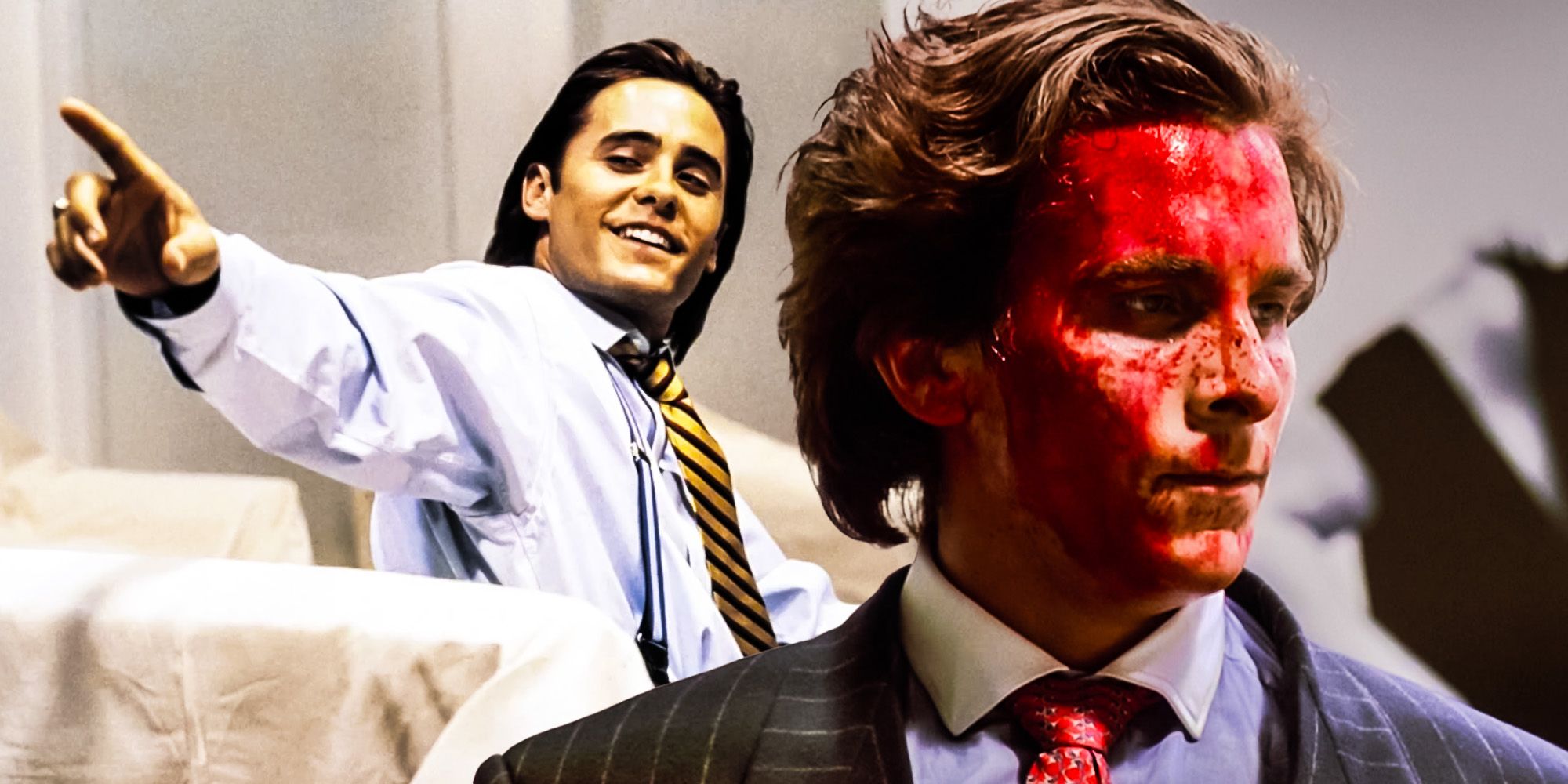
The music and fashion of the late 1980s are not incidental to American Psycho; they are integral to its brand identity. Bateman’s extended, often analytical, monologues about pop music artists like Huey Lewis and the News, Genesis, and Whitney Houston are more than character quirks. They are cultural touchstones of the era, reflecting the mainstream, often bland, pop culture that ran parallel to his horrific acts. Similarly, the fashion—double-breasted suits, slicked-back hair, designer ties—creates a distinct visual brand. This style, both in literature and film, has become synonymous with the era’s corporate aesthetic, making American Psycho a visual and auditory archive of its time. The music and fashion reinforce the superficiality and manufactured nature of Bateman’s world, becoming indelible elements of the overall brand experience.
Branding Through Critique: How the Era Amplifies the Message
The specific 1987-1988 setting allows American Psycho to function as a sharp, incisive critique of a particular moment in American history. This critical function is central to its brand, distinguishing it from mere entertainment and elevating it to a significant cultural statement. The brand of American Psycho is not just about showing the 80s; it’s about dissecting them.
Satire of Yuppie Culture
The “yuppie” (Young Urban Professional) phenomenon peaked in the late 1980s, epitomizing the era’s focus on career success, material possessions, and a seemingly detached, self-absorbed lifestyle. American Psycho leverages this cultural archetype to devastating effect. Bateman and his cohort are the ultimate yuppies, yet their outward conformity masks a terrifying inner void. The brand of American Psycho is therefore one of relentless satire, targeting the perceived moral bankruptcy and superficiality of this dominant cultural subgroup. The chronological setting provides the perfect context for this satire, as yuppie culture was at its most pervasive and, arguably, most vulnerable to such sharp critique.
Consumerism as a Character
In American Psycho, consumerism isn’t just a theme; it’s an active, almost sentient force that shapes every interaction and decision. The obsessive cataloging of brands, products, and services turns consumerism into a character in itself, one that is as chillingly indifferent as Bateman. By situating the story in the late 80s, a period often regarded as the zenith of American consumer culture, the brand of American Psycho highlights the destructive potential of an economy built on endless acquisition. This chronological placement allows the narrative to argue that the relentless pursuit of material goods can lead to a profound loss of humanity, making the brand synonymous with a harsh warning about unchecked capitalism.
The Brand of Anonymity and Indifference
Perhaps one of the most potent elements of the American Psycho brand, amplified by its 80s setting, is the theme of anonymity and indifference. In Bateman’s world, everyone looks alike, dresses alike, and speaks in the same vapid corporate jargon. Characters constantly mistake one another, lose track of colleagues, and exhibit a profound lack of empathy or awareness for anything beyond their immediate, self-serving concerns. The large, impersonal corporate structures and the rapid pace of New York City in the late 80s provide a fertile ground for this dehumanizing anonymity. The brand thus conveys a chilling sense that in a society obsessed with surface appearances, even the most heinous acts can go unnoticed, or simply be dismissed as someone else’s problem. This indifference is not just a narrative device; it becomes a signature aspect of the American Psycho brand, speaking to a deeper societal malaise rooted in the era.
Legacy and Enduring Brand Relevance: The 80s Influence
The choice of the late 1980s for American Psycho is not just historically significant; it has proven to be a strategic decision that has ensured the brand’s lasting relevance and cultural impact. The fixed chronological setting provides a timeless lens through which contemporary issues can still be examined.
Replicating the Aesthetic in Marketing and Adaptation
The brand’s connection to the 80s is so strong that any subsequent adaptations or marketing materials for American Psycho invariably lean heavily into this specific aesthetic. From promotional posters to soundtrack choices, the visual and auditory cues of the late 80s are consciously employed to evoke the established brand identity. This consistency reinforces the original setting as a core, irreplaceable component of the American Psycho experience, ensuring that new audiences immediately grasp the cultural context and the brand’s satirical intent. The 80s is not just a memory for the brand; it’s a living, breathing component of its marketability.

The Timelessness of a Specific Time
Paradoxically, by being so deeply rooted in the 1987-1988 period, American Psycho achieves a form of timelessness. The specific issues it critiques—corporate greed, consumerism, superficiality, and the dehumanizing aspects of a certain segment of society—are not confined to the 80s. While the clothes, music, and technology might date the story, the underlying psychological and sociological observations remain disturbingly relevant. The brand of American Psycho thus serves as a powerful cautionary tale, demonstrating how a hyper-specific chronological setting can unlock universal truths about human nature and societal pathologies. The year 1987-1988 is not just a date; it’s the foundation of a brand that continues to resonate with its sharp, critical examination of the American dream gone horribly wrong.
aViewFromTheCave is a participant in the Amazon Services LLC Associates Program, an affiliate advertising program designed to provide a means for sites to earn advertising fees by advertising and linking to Amazon.com. Amazon, the Amazon logo, AmazonSupply, and the AmazonSupply logo are trademarks of Amazon.com, Inc. or its affiliates. As an Amazon Associate we earn affiliate commissions from qualifying purchases.