
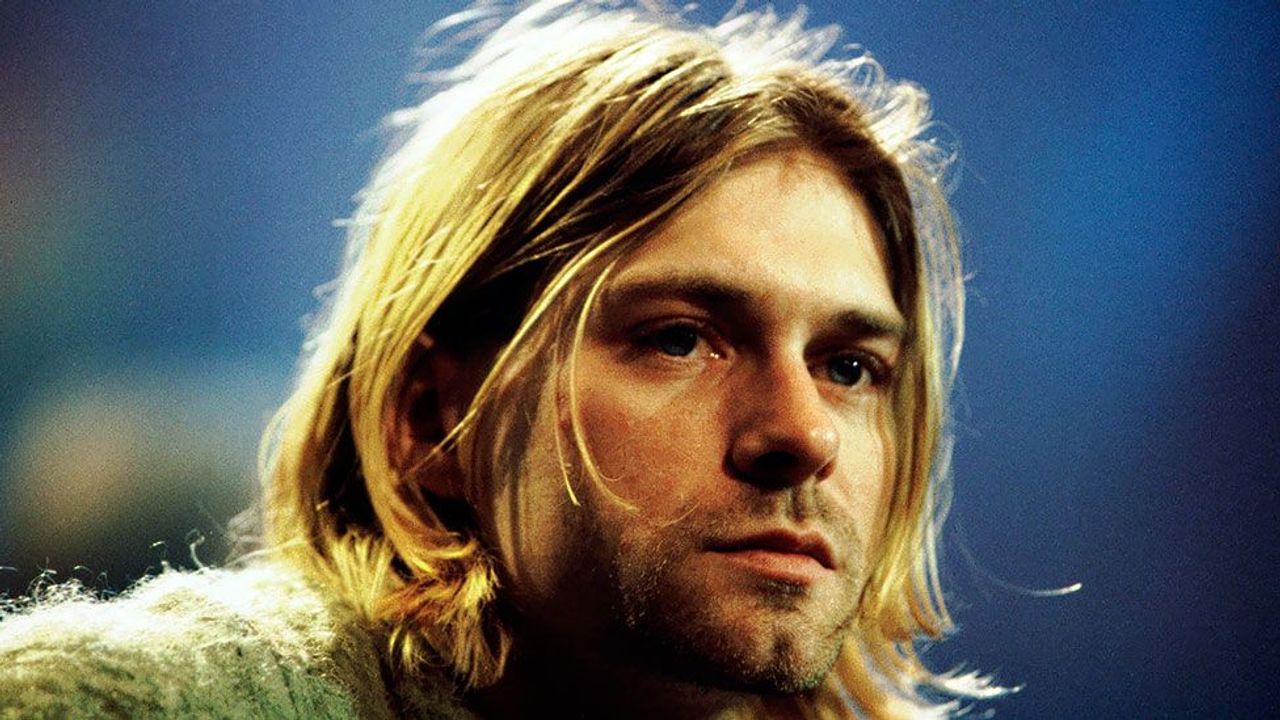
The question “what would Kurt Cobain look like today?” transcends mere curiosity; it ventures into the fascinating intersection of human imagination and cutting-edge technology. For fans, it’s a nostalgic journey, a ‘what if’ scenario that ponders the enduring presence of an iconic figure. For technologists and digital artists, it represents a compelling challenge, a canvas upon which advanced artificial intelligence (AI) and sophisticated digital art techniques can be applied to visualize a hypothetical reality. This exploration is not just about aging a photograph; it delves into the complex algorithms, data interpretation, and ethical considerations inherent in digitally reanimating and projecting a person’s likely appearance decades into the future, particularly when that individual passed away at a young age.
The Digital Resurrection: Imagining Icons Through AI
The capacity to envision how a person might age has evolved dramatically, moving from speculative artistic interpretations to highly data-driven, AI-powered predictions. This technological leap allows us to simulate the effects of time with unprecedented accuracy, factoring in genetics, lifestyle assumptions, and the general trajectory of human aging patterns. The digital resurrection of figures like Kurt Cobain serves as a poignant example of how technology can engage with cultural memory, offering a tangible representation of a future that never came to be.
Early Attempts vs. Modern AI Sophistication
In the past, attempts to age a celebrity’s image relied heavily on traditional artistic skills, photo manipulation software, and a great deal of informed guesswork. Artists would manually add wrinkles, gray hair, and adjust facial contours based on their understanding of how faces typically change with age. While these efforts could be compelling, they often lacked the nuanced, data-backed precision that modern AI offers. Today, sophisticated machine learning models, particularly Generative Adversarial Networks (GANs) and advanced deep learning algorithms, have revolutionized this field. These AI systems are trained on vast datasets of aged faces, learning the subtle transformations that occur over decades, including skin texture changes, bone structure alterations, and shifts in hair density and color. This allows for the creation of far more realistic and biologically plausible age progressions than ever before.
The Algorithms Behind Facial Aging
The core of modern facial aging technology lies in complex algorithms that analyze a source image and apply learned aging parameters. These algorithms don’t just overlay filters; they synthesize new facial features. For instance, a neural network might learn from millions of images how wrinkles form around the eyes and mouth, how skin elasticity decreases, or how facial fat redistributes over time. When fed an image of a young Kurt Cobain, the AI extrapolates these patterns, generating a series of images that show his potential appearance at various future ages. Key techniques include conditional GANs (cGANs), which can be guided to generate images based on specific attributes like age, and 3D face models that allow for more accurate volumetric changes. The AI considers a multitude of factors, from the genetic predispositions evident in a younger face (e.g., bone structure, eye shape) to generalized aging processes, often even attempting to account for external factors like sun exposure or presumed lifestyle if programmed with such parameters.
The Art and Science of Digital Reconstruction
While AI provides the foundational predictive power, the creation of a truly compelling and believable image of an aged Kurt Cobain is often a collaborative effort between advanced algorithms and skilled human digital artists. This synergy ensures not only scientific accuracy in aging but also an artistic sensibility that captures the essence of the individual, going beyond mere technical reproduction. The process is a testament to how human creativity and technological prowess can merge to explore hypothetical realities.
Data Inputs and Algorithmic Interpretation
The quality and breadth of the data input are paramount for AI-driven age progression. To predict what Kurt Cobain might look like today, an AI system would ideally ingest numerous high-resolution photographs from various angles and periods of his life. This data allows the AI to build a comprehensive facial model, identifying unique features, expressions, and the underlying bone structure. Beyond Cobain himself, the AI draws on extensive databases of human faces, correlating features and aging patterns across a diverse population. It learns, for instance, how specific nose shapes tend to change or how particular hairline patterns evolve. The algorithm doesn’t simply ‘add wrinkles’; it interprets the existing facial landscape and synthesizes new, plausible features that align with established aging trajectories, often with an emphasis on preserving the individual’s core identity through the transformation. The nuances of skin tone, texture, and subtle shifts in facial fat are all critical elements the AI processes to create a coherent and believable aged likeness.
The Role of Human Artists in AI-Generated Imagery
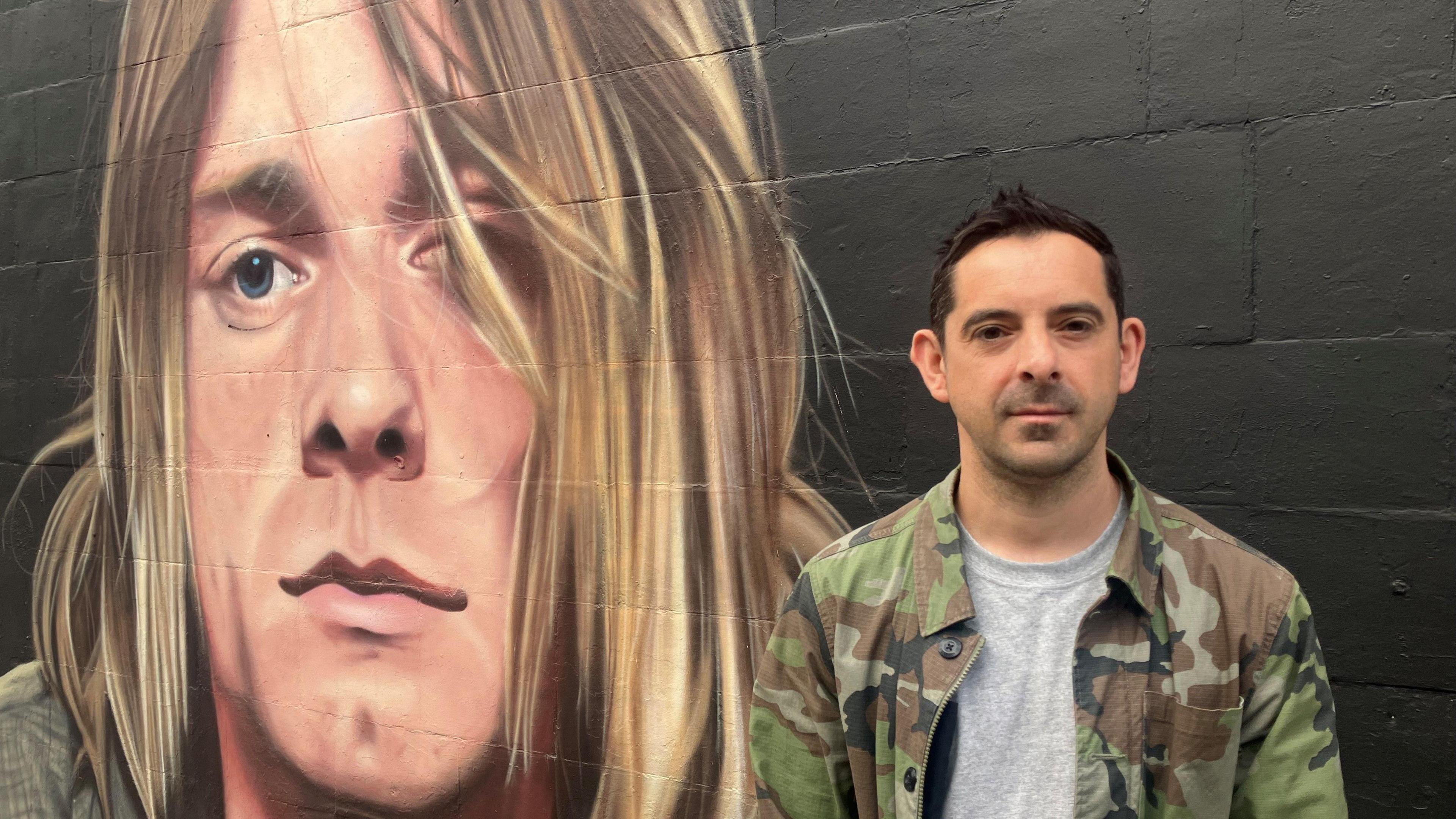
Even with sophisticated AI, the final output often benefits significantly from the touch of a human digital artist. AI-generated images, while technically sound, can sometimes lack the ‘soul’ or contextual nuance that an artist can imbue. An artist might refine details the AI missed or exaggerated, such as specific skin blemishes, the texture of graying hair, or the subtle expressions that define a personality. They can correct any ‘uncanny valley’ effects, ensuring the image feels genuinely human. Furthermore, an artist can make stylistic choices, perhaps envisioning Cobain’s contemporary fashion sense or how his iconic hairstyle might have evolved. They can also provide cultural context, subtly integrating elements that reflect the individual’s life or persona, thus enhancing the emotional resonance of the final image. This collaborative approach ensures that the digital reconstruction is not just a scientific exercise but also a piece of compelling visual storytelling.
Ethical and Societal Implications of Digital Immortality
The ability to create highly realistic digital representations of deceased individuals, particularly icons like Kurt Cobain, opens a Pandora’s Box of ethical and societal considerations. While the technology offers a fascinating glimpse into ‘what if’ scenarios, it also raises critical questions about consent, legacy, potential misuse, and the blurred lines between reality and simulation. As these technologies become more pervasive, understanding their implications becomes increasingly vital.
Consent, Legacy, and Public Perception
One of the most profound ethical dilemmas in digitally aging or reanimating deceased individuals is the absence of consent. Kurt Cobain cannot grant permission for his image to be manipulated and publicly displayed. This raises questions about respecting the personal autonomy and digital legacy of the deceased, especially when the generated images might deviate from how they might have wished to be remembered or portrayed. For public figures, their image is often intertwined with their legacy, and posthumous digital manipulations can alter public perception in unintended ways. Fans, while often fascinated, may also feel a sense of unease, questioning the appropriateness of such visualizations. There’s a delicate balance to strike between artistic or technological exploration and the respectful preservation of an individual’s actual memory and the feelings of their family and close ones. The question of who owns the digital ‘likeness’ of a deceased celebrity also becomes a legal and ethical battleground.
Deepfakes, Authenticity, and Misinformation
The technology used for age progression is closely related to deepfake technology, which can generate highly convincing but entirely fabricated images and videos. While creating an aged image of Kurt Cobain for artistic or speculative purposes might seem innocuous, the underlying capabilities carry significant risks. As digital reconstructions become indistinguishable from reality, the potential for misinformation and the erosion of trust in visual media grows. Fabricated images or videos of historical figures, politicians, or celebrities can be used to spread false narratives, manipulate public opinion, or even cause reputational damage. The distinction between an artist’s speculative rendering and a malicious deepfake can become perilously thin to the untrained eye. This necessitates robust digital literacy and critical thinking skills among the public, alongside the development of tools to detect AI-generated content, to safeguard against the darker implications of these powerful technologies.
Beyond Cobain: The Future of Digital Legacy and Predictive Visualization
The contemplation of “what would Kurt Cobain look like today” serves as a microcosm for the broader applications and future trajectories of digital resurrection and predictive visualization technologies. These tools are not confined to celebrity speculation; their utility spans entertainment, historical preservation, personal legacy, and even therapeutic contexts, reshaping how we interact with time, memory, and identity in the digital age.
Applications in Entertainment, History, and Personal Legacy
Beyond satisfying fan curiosity, AI-powered age progression and digital reconstruction have diverse and expanding applications. In entertainment, they can be used to de-age actors for flashback scenes, create hyper-realistic historical figures for documentaries, or even “bring back” beloved deceased actors for new roles, albeit with significant ethical oversight. Historians could potentially use these tools to visualize what ancient figures might have looked like based on skeletal remains, adding a human dimension to historical research. For personal legacy, individuals might use AI to create digital avatars that age with them, providing a unique form of digital autobiography, or even to visualize what lost loved ones might have looked like at different stages of life. The technology also holds potential for forensic science, aiding in age-progressing images of missing persons over long periods.

The Evolving Landscape of Digital Creation and Ownership
As the ability to create, manipulate, and generate digital likenesses becomes more sophisticated and accessible, the landscape of digital creation and ownership is rapidly evolving. Questions of intellectual property, copyright, and the rights of an individual’s likeness (even posthumously) are becoming increasingly complex. Who owns the AI-generated image of an aged Kurt Cobain? Is it the artist, the AI developer, or the estate of the deceased? These are not trivial questions, as digital assets, including digital identities, are acquiring significant economic and cultural value. The development of clear legal frameworks and ethical guidelines will be crucial to navigate this burgeoning field responsibly. Furthermore, the technology pushes the boundaries of creative expression, empowering artists and creators with unprecedented tools, while simultaneously demanding a heightened sense of ethical responsibility to ensure these innovations serve humanity rather than exploit it. The journey from simply asking “what if” to actually seeing a digitally rendered answer is a testament to technological progress, but it’s a path that requires careful consideration and thoughtful stewardship.
aViewFromTheCave is a participant in the Amazon Services LLC Associates Program, an affiliate advertising program designed to provide a means for sites to earn advertising fees by advertising and linking to Amazon.com. Amazon, the Amazon logo, AmazonSupply, and the AmazonSupply logo are trademarks of Amazon.com, Inc. or its affiliates. As an Amazon Associate we earn affiliate commissions from qualifying purchases.