
In the intricate theater of modern commerce, where every brand vies for the spotlight, some of the most compelling narratives are crafted not under the glare of grand advertising campaigns, but from the strategic periphery. Like a charismatic alter ego stepping into a new town, these brands forge unique identities and cultivate fervent followings by mastering the art of the subtle, the nuanced, and the surprisingly effective. This approach, which we might term “operating in the shadows,” isn’t about deception, but about strategic distinction, much like the legendary Jackie Daytona.
Jackie Daytona, for those unfamiliar with his particular brand of charisma, is a persona. He’s a regular human bartender, a man of simple pleasures and universal appeal, despite the rather unconventional origins of his true identity. He demonstrates an uncanny ability to integrate, to charm, and to build a loyal community around him, all while maintaining a quiet, almost understated, mystique. For brands seeking to cut through the noise, particularly in saturated markets, the Jackie Daytona playbook offers profound lessons in identity, engagement, and sustainable influence.
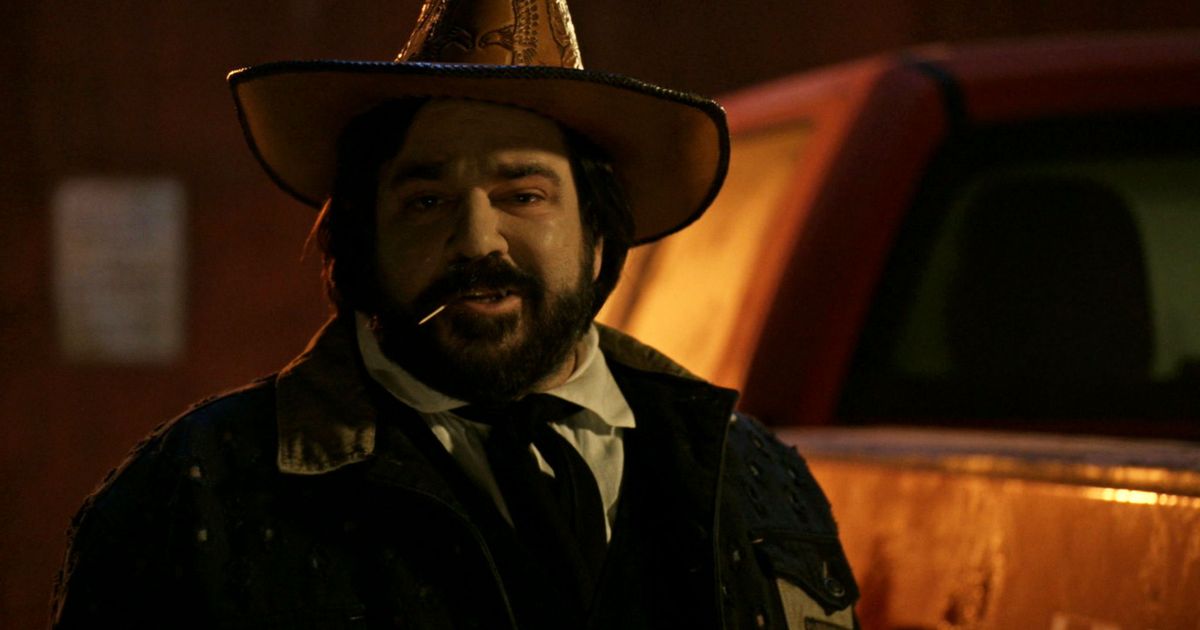
The Art of the Alter Ego: Crafting a Brand Persona
Every brand, whether it acknowledges it or not, has a persona. It’s the face, the voice, the personality that customers interact with. For many, this persona is an extension of the corporate identity, carefully curated and meticulously consistent. But what if the most effective persona is one that operates with a touch of intentional ambiguity, a delightful blend of the familiar and the enigmatic, much like Jackie Daytona?
Beyond the Obvious: Why a Shadow Persona Matters
In an era of hyper-transparency, where every corporate decision and product flaw is laid bare, there’s a unique power in a brand that doesn’t overtly scream its intentions. A “shadow persona” isn’t about being dishonest; it’s about being strategically selective in what is revealed and how it is presented. It allows a brand to carve out a niche, appeal to specific demographics who value authenticity beyond the mainstream, and build a relationship based on discovery rather than overt promotion. Think of brands that start as word-of-mouth phenomena, or those that subtly integrate into cultural movements before revealing their full commercial intent. They create an allure, a sense of belonging to an exclusive club, simply by not trying too hard to be everything to everyone. This approach cultivates curiosity and organic engagement, often leading to more resilient brand loyalty.
Authenticity vs. Strategic Fabrication
Jackie Daytona, at his core, is a fabrication. Yet, within his adopted reality, he is profoundly authentic. He embodies the bartender, the friend, the local hero with such conviction that his genuine nature shines through. This paradox offers a critical insight for branding: authenticity isn’t always about revealing every raw truth; it’s about committing wholeheartedly to the persona you present. A brand that promises a certain experience, a specific value, or a unique lifestyle must deliver on that promise consistently and genuinely, regardless of the ‘behind-the-scenes’ reality.
Consider a disruptor brand entering a traditional market. It might adopt a persona of rebellion, innovation, or democratic access. To be truly authentic in this context, the brand must ensure its products, services, and customer interactions consistently reinforce this persona. The perceived authenticity comes from the unwavering commitment to the narrative, not necessarily from a literal alignment with its origins. It’s about living the brand story, day in and day out, making it believable and relatable to its target audience. This strategic fabrication, when executed with conviction, creates a powerful, memorable, and ultimately, a ‘real’ brand experience.
Navigating Niche Markets from the Periphery
The mainstream is often oversaturated, deafening with competing messages. For many brands, the most fertile ground lies not in direct confrontation, but in deftly navigating the periphery, identifying and serving niche markets that are underserved or overlooked. This is where the “in the shadows” approach truly shines, allowing brands to build robust foundations away from the glaring spotlights of mass appeal.
Identifying Your “Shadow” Audience
Every “Jackie Daytona” needs an audience that appreciates their particular brand of charm. For businesses, this translates to identifying segments of the market that resonate deeply with a specific value proposition, lifestyle, or even aesthetic, regardless of whether it’s broadly popular. These are often communities that feel disenfranchised by mainstream offerings, actively seeking alternatives that speak to their specific needs and identities.
To find your “shadow” audience, go beyond superficial demographics. Dive into psychographics: what are their aspirations, their frustrations, their core beliefs? Where do they gather online and offline? What media do they consume? What causes do they champion? By understanding these deeper currents, a brand can tailor its messaging and product development to truly serve these distinct groups, creating a sense of belonging and mutual understanding that larger, more generalized brands often fail to achieve. This targeted approach allows for more efficient resource allocation and fosters a stronger sense of loyalty.
Subtle Influence: Marketing Without the Spotlight
One of the defining characteristics of operating in the shadows is the strategic avoidance of overt, large-scale marketing. Instead, influence is built through subtler, more organic channels. This might involve content marketing that provides immense value without a heavy sales pitch, strategic partnerships with micro-influencers who genuinely align with the brand’s ethos, or guerrilla marketing tactics that spark conversations rather than simply broadcasting messages.

The goal is to integrate the brand into the fabric of the target community, becoming a trusted resource or a natural choice, rather than an intrusive advertiser. For example, a brand might sponsor local events that align with its values, contribute to open-source projects, or create highly specialized content that directly addresses the unique pain points of its niche audience. This builds credibility and trust, positioning the brand as an insider rather than an outsider trying to sell something. It’s about being discovered, rather than forcefully presented, allowing the brand to accrue a level of authentic endorsement that paid advertising rarely can.
The Understated Power of Word-of-Mouth and Community Building
Jackie Daytona, with his easy charm and unassuming presence, builds community not through grand gestures, but through consistent, positive interactions. He becomes a fixture, a trusted presence, and people naturally speak of him with affection. For brands, emulating this means understanding that the most powerful marketing often comes not from what you say about yourself, but what others say about you.
Cultivating Loyalty in the “Daytona” Way
A “Daytona” brand understands that loyalty is forged in the trenches of everyday experience. It’s about reliable service, consistent quality, and a genuine interest in the customer’s well-being. This involves creating experiences that feel personal, whether through exceptional customer support, personalized product recommendations, or simply acknowledging and celebrating customer engagement.
When customers feel valued and understood, they become advocates. They become the primary drivers of word-of-mouth marketing, sharing their positive experiences with friends, family, and social networks. This organic spread of information is incredibly potent because it comes from a trusted source, bypassing the skepticism often associated with traditional advertising. Brands cultivate this loyalty by consistently delivering on their promise, listening to feedback, and demonstrating that they are part of the community, not just a vendor within it.
Amplifying Your Brand Through the Network Effect
Just as Jackie Daytona’s reputation spread through the town, a brand’s influence can be amplified significantly by tapping into existing networks. This isn’t about aggressive recruitment, but about fostering an environment where customers want to share. Encouraging user-generated content, creating platforms for community discussion, and designing referral programs that genuinely reward advocacy are all ways to harness the network effect.
The key is to make it easy and rewarding for loyal customers to share their enthusiasm. This could involve creating shareable content, launching ambassador programs, or even co-creating products or features with the community. When a brand empowers its advocates, it transforms them into an extended sales and marketing force, reaching audiences that might otherwise be inaccessible. This authentic peer-to-peer recommendation is the gold standard of modern marketing, particularly for brands operating with a “shadow” persona, where overt advertising might feel out of place.
Sustaining the Mystique: Longevity in the Shadows
Maintaining a unique brand identity and a strong connection with a niche audience requires ongoing effort and strategic evolution. Like any compelling persona, a brand’s “Jackie Daytona” must grow and adapt without losing the core essence that made it special in the first place.
Evolving the Persona Without Losing Core Identity
A brand cannot remain static in a dynamic market. Trends shift, customer needs evolve, and new competitors emerge. The challenge for a “shadow” brand is to evolve its persona and offerings in a way that feels natural and authentic to its established identity, rather than a jarring pivot. This means understanding the fundamental values and principles that define the brand and using them as a compass for future development.
For instance, if a brand’s persona is built around innovation and disruption, its evolution should consistently introduce new, groundbreaking solutions. If it’s about artisanal quality and handcrafted excellence, its growth might involve expanding into complementary product lines that uphold those same standards. The key is to avoid chasing every fleeting trend and instead, to make strategic choices that reinforce and enrich the existing brand narrative. This measured evolution keeps the brand relevant and engaging without alienating its loyal following.

Measuring Impact When You’re Not Centre Stage
Operating “in the shadows” doesn’t mean operating without metrics. While traditional marketing might focus on impressions and reach, a “Daytona” brand needs to look at deeper indicators of engagement and influence. This includes tracking word-of-mouth mentions, monitoring community sentiment, analyzing referral traffic, and assessing customer lifetime value.
Engagement rates on community platforms, participation in brand-led initiatives, and the quality of user-generated content can often be more valuable indicators of success than simple ad clicks. Furthermore, surveying customer satisfaction and actively soliciting feedback from the core community provides invaluable insights into how the persona is perceived and where improvements can be made. By focusing on these qualitative and deep quantitative metrics, brands can accurately measure their impact and ensure that their strategic, understated approach continues to yield powerful, sustainable results.
aViewFromTheCave is a participant in the Amazon Services LLC Associates Program, an affiliate advertising program designed to provide a means for sites to earn advertising fees by advertising and linking to Amazon.com. Amazon, the Amazon logo, AmazonSupply, and the AmazonSupply logo are trademarks of Amazon.com, Inc. or its affiliates. As an Amazon Associate we earn affiliate commissions from qualifying purchases.