
The 1950s represent a watershed decade for automotive culture, fundamentally transforming the car from a mere mode of transport into a powerful symbol of personal identity, corporate prowess, and societal aspiration. This era saw car manufacturers master the art of branding, design, and marketing, effectively weaving automobiles into the fabric of the American Dream and shaping a distinct car culture that reverberates to this day.
The Automobile as a Brand Statement: Post-War Aspiration and Identity
Following the austerity of World War II, the 1950s ushered in an era of unprecedented prosperity and optimism in America. For the first time, widespread affluence allowed a significant portion of the population to view the automobile not just as a utilitarian asset but as an extension of their burgeoning success and individual identity. This shift was meticulously cultivated by auto manufacturers who understood the psychological underpinnings of consumer desire.

Cars became aspirational products, marketed not merely for their engineering but for the lifestyles they promised. Owning a shiny, new automobile, often a sedan or station wagon for families, became a tangible representation of achieving the American Dream: a suburban home, a stable family, and financial security. For younger demographics, convertibles and sporty models symbolized freedom, rebellion, and a burgeoning sense of individuality. Corporate branding strategies focused heavily on these emotional connections, positioning their vehicles as integral to a desirable future. Advertisements depicted idyllic family road trips, glamorous couples cruising through cityscapes, or adventurous youths exploring open roads – all scenarios designed to link specific car brands with happiness, status, and personal fulfillment. This deliberate crafting of car brands as lifestyle enablers laid the groundwork for modern marketing, where products are sold as much for their symbolic value as for their practical utility. The car was no longer just a machine; it was a personal brand statement, communicating one’s values, aspirations, and status to the world.
Detroit’s Design Dominance: Crafting Corporate Identity Through Chrome and Curves
The aesthetic battlefield of the 1950s automotive market was primarily fought in Detroit, where the “Big Three” – General Motors, Ford, and Chrysler – engaged in an intense design arms race. This competition wasn’t just about selling cars; it was about establishing and reinforcing distinct corporate identities through groundbreaking, often flamboyant, design philosophies. Each manufacturer sought to outdo the others in style, innovation, and perceived luxury, creating visual brand markers that were instantly recognizable.
The Age of Fins and Flash
The most iconic design element of the era was undoubtedly the tailfin. Originating from aircraft design and popularized by Cadillac in the late 1940s, fins grew progressively larger and more exaggerated throughout the 1950s, reaching their zenith with the dramatic canted fins of the 1959 Cadillac Eldorado. These fins were not merely decorative; they were a bold declaration of corporate identity and technological prowess, evoking images of jet-age speed and futuristic aspirations. They allowed brands to differentiate themselves significantly, giving each model year a distinct, often highly anticipated, visual refresh.
Beyond fins, chrome trim became a ubiquitous symbol of luxury and status. Lavish applications of chrome adorned bumpers, grilles, side moldings, and interior elements, reflecting light and signaling opulence. Two-tone paint schemes further enhanced visual appeal and allowed for endless permutations of corporate color palettes, lending a custom feel to mass-produced vehicles. Panoramic windshields, another innovation of the era, offered improved visibility and an open, airy feel to the cabin, further contributing to the sense of modernity and sophistication that brands aimed to project.
Planned Obsolescence as a Branding Strategy
A key strategy employed by manufacturers during this period was “planned obsolescence,” particularly through the annual model change. Each year, car brands would release new models with significant styling changes, even if the underlying mechanicals remained largely similar. This deliberate strategy was designed to make previous models seem outdated, encouraging consumers to trade up to the latest version. This wasn’t just about selling more cars; it was about maintaining a dynamic, ever-evolving corporate identity that consistently offered “newness” and progress. It created a cycle of desire, where owning the “latest model” became a strong incentive, reinforcing brand loyalty and consumer engagement with the perceived innovation of their preferred manufacturer. This constant reinvention through design became a core part of automotive branding, linking a company’s identity with cutting-edge style and progress.
Marketing the Dream: Advertising, Media, and Consumer Engagement

The 1950s perfected the art of automotive marketing, leveraging the burgeoning mass media landscape to embed cars deeply within the public consciousness. Advertising moved beyond simply listing features; it crafted narratives, established aspirational imagery, and built emotional connections that forged strong brand loyalties.
The Rise of Television Advertising
Television, emerging as the dominant medium of the decade, provided an unprecedented platform for car brands to showcase their vehicles. Unlike static print ads, TV commercials could bring cars to life, showing them in dynamic motion, set against glamorous backdrops, and surrounded by happy, attractive people. Brands like Chevrolet, Ford, and Cadillac became household names not just through product quality but through relentless, sophisticated marketing campaigns. These campaigns didn’t just sell cars; they sold a lifestyle – the freedom of the open road, the joy of family vacations, the prestige of arriving in style. Through compelling storytelling and visual spectacle, television solidified the car’s place as a central icon of American consumer culture.
Print Media and Lifestyle Imagery
Magazines like Life, Look, and The Saturday Evening Post were filled with elaborate, full-page color advertisements that masterfully blended product features with aspirational lifestyle imagery. These ads often depicted cars as central to achieving social status, professional success, or domestic bliss. They emphasized comfort, safety, and modern convenience, subtly linking these attributes to the core values of the American middle class. Celebrity endorsements, though perhaps not as overt as today, were also subtly woven into this fabric, with popular figures often pictured alongside the latest models, implicitly endorsing their appeal. This multi-platform approach ensured that car brands were omnipresent, shaping perceptions and driving consumer desire across various touchpoints.
Beyond the Showroom: Personal Branding and Subcultures
The car culture of the 1950s extended far beyond the marketing departments and showrooms, profoundly influencing how individuals expressed themselves and formed communities. The automobile became a powerful tool for personal branding and the emergence of distinct subcultures.
Cars as Extensions of Personal Identity
For many, a car was not just transportation; it was a canvas for self-expression. The type of car one drove, its color, and any modifications made became integral to one’s personal identity. A family man might choose a reliable, spacious Chevrolet Bel Air station wagon, signifying stability and practicality. A teenager or young adult, on the other hand, might gravitate towards a flashy convertible, a “hot rod,” or a “custom car” – a vehicle modified for speed or unique aesthetics. These personalized vehicles were powerful statements, communicating individuality, group affiliation, and a defiance of conformity. This dynamic reinforced the idea that automotive choices were deeply personal, reflecting inner desires and external personas.
The Emergence of Car Clubs and Communities
The common passion for automobiles fostered the creation of numerous car clubs and communities. Hot rod clubs, custom car enthusiasts, and even brand-specific clubs (e.g., Ford V8 clubs) emerged across the nation. These groups provided a platform for individuals to share their passion, showcase their personalized vehicles, and participate in organized events like drag races, car shows, and cruises. These gatherings were crucial for building brand loyalty, not just to the manufacturer but also to the broader subculture. For instance, the hot rod scene, with its emphasis on performance modification and unique styling, created a distinct brand identity for its participants, fostering a sense of belonging and camaraderie around shared automotive values. These communities, often fueled by competitive spirit and a desire for recognition, further solidified the car’s role as a central element of social and personal identity.
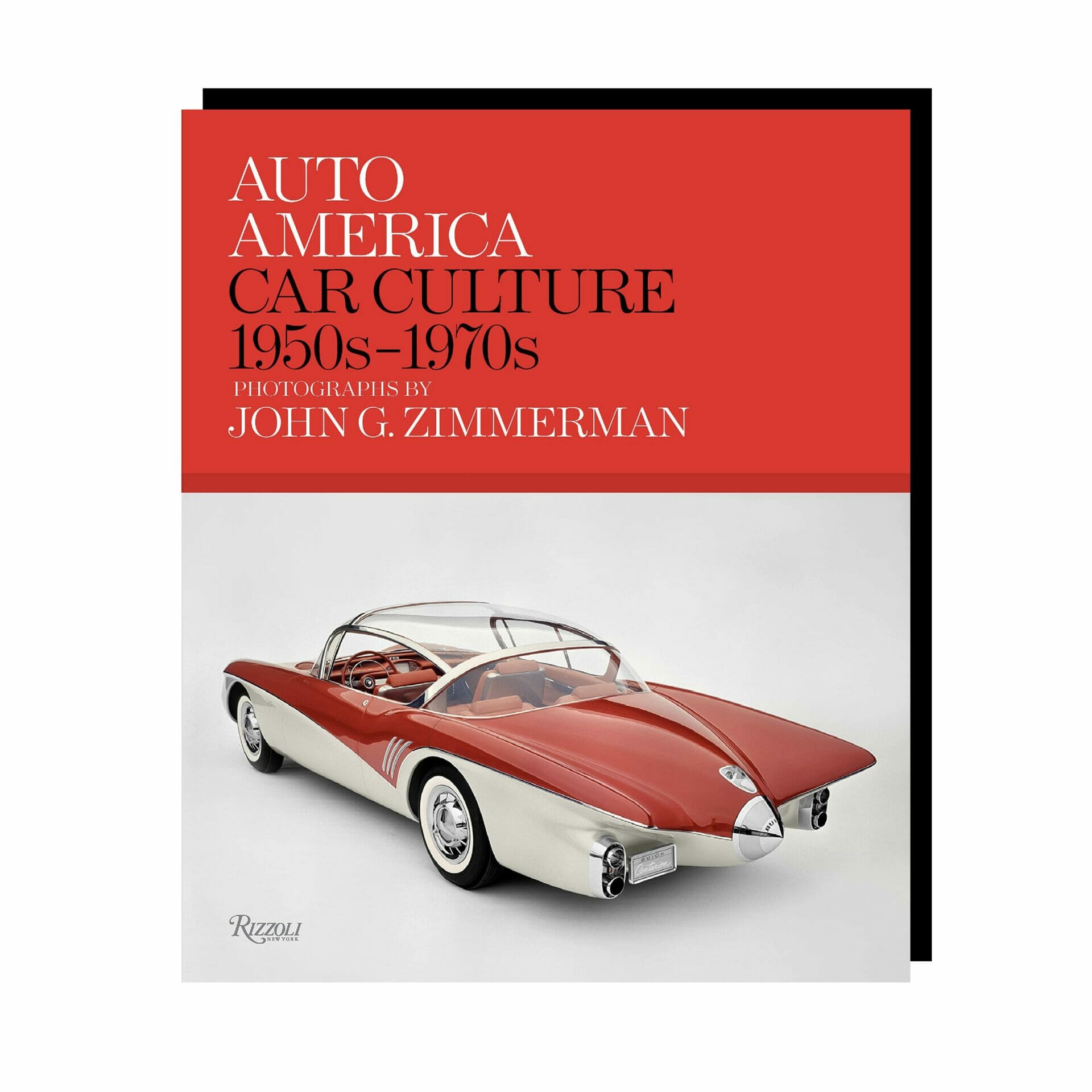
Legacy of a Golden Era: Shaping Modern Automotive Branding
The car culture of the 1950s left an indelible mark on how automotive brands are conceived, marketed, and perceived today. The strategies honed during this decade—from leveraging design as a primary differentiator to creating aspirational lifestyles around car ownership—continue to inform contemporary automotive branding practices.
The emphasis on emotional connection and personal identity, rather than purely functional utility, became a cornerstone of effective marketing. The 1950s taught the industry that a car is not just a mode of transport, but a complex symbol laden with cultural meaning. The annual model change, while less drastic now, evolved into continuous product innovation and refresh cycles that keep consumers engaged. Moreover, the enduring appeal of 1950s automotive aesthetics in retro designs and collector markets speaks to the timeless power of the branding and design principles established during this “golden era.” The cars of the 50s defined a generation, cementing the automobile’s role as a cultural icon and a testament to the power of astute branding.
aViewFromTheCave is a participant in the Amazon Services LLC Associates Program, an affiliate advertising program designed to provide a means for sites to earn advertising fees by advertising and linking to Amazon.com. Amazon, the Amazon logo, AmazonSupply, and the AmazonSupply logo are trademarks of Amazon.com, Inc. or its affiliates. As an Amazon Associate we earn affiliate commissions from qualifying purchases.