
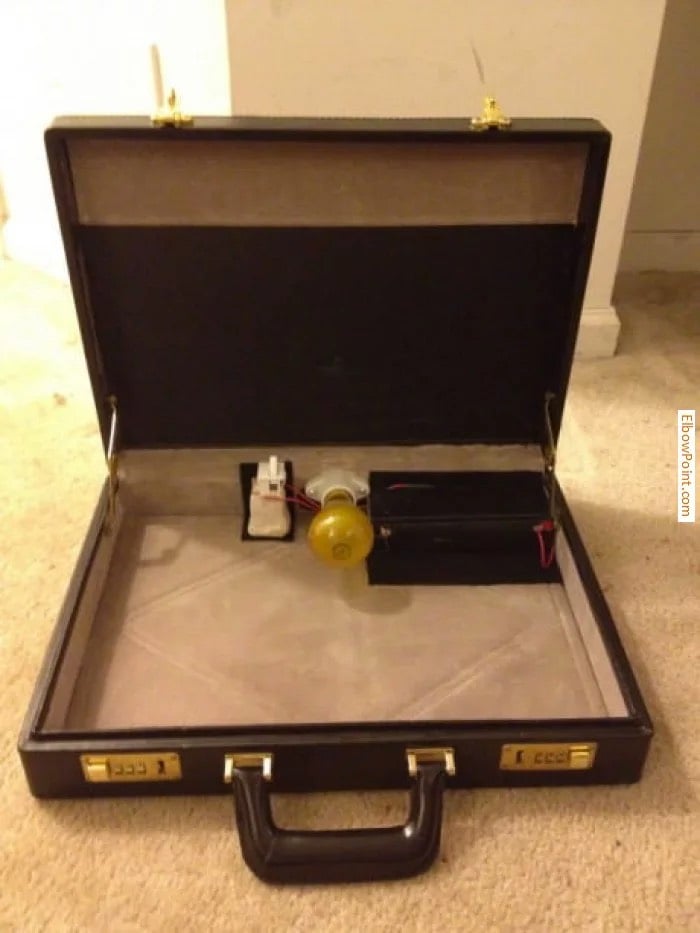
The briefcase in Quentin Tarantino’s 1994 cinematic masterpiece, Pulp Fiction, remains one of cinema’s most enduring and discussed mysteries. Its contents are never explicitly revealed, yet its glowing interior and the intense reactions it elicits from characters firmly establish its profound significance within the film’s narrative. While countless fan theories have attempted to demystify its glowing enigma—ranging from Elvis’s gold suit to the very soul of Marsellus Wallace—the true brilliance of the briefcase lies not in what it contained, but in how its ambiguity became a powerful, almost accidental, lesson in brand strategy and audience engagement. It stands as a compelling case study in how mystery, narrative design, and the withholding of information can forge an iconic brand identity and cultivate an unparalleled level of fan loyalty.
The Art of Ambiguity: A Masterclass in Brand Engagement
In an era saturated with immediate gratification and information overload, the Pulp Fiction briefcase offers a stark reminder of the potent appeal of the unknown. Tarantino, perhaps inadvertently, created a marketing device that leveraged curiosity to an extraordinary degree, building an enduring brand mystique that resonates decades later.
Crafting an Enduring Icon: The Briefcase as a Brand Symbol
The briefcase itself, an ordinary object, transcended its mundane form to become an icon. Its simple, utilitarian exterior belied the dazzling, unearthly glow emanating from within, immediately signaling its extraordinary nature. This visual juxtaposition—the mundane container housing the extraordinary unknown—became a powerful symbolic anchor for the entire film’s brand. It embodied the unexpected, the dangerous, and the utterly compelling essence of Pulp Fiction. For brand strategists, this highlights the power of a distinct, visually memorable element, even one shrouded in mystery, to become synonymous with a larger brand identity. It wasn’t just a prop; it was a character in itself, influencing plot, character motivations, and ultimately, the audience’s perception of the film’s unique universe. The design, or rather the lack of revealed design of its contents, became its most defining feature.
Fueling Speculation: The Power of Narrative Gaps
The decision to never reveal the briefcase’s contents was a stroke of genius in fostering sustained brand engagement. By leaving a significant narrative gap, Tarantino didn’t just tell a story; he invited the audience to co-create it. This invitation manifested in countless discussions, online forums, articles, and debates that continue to this day. Each theory, no matter how outlandish, served to reinforce the film’s presence in popular culture, acting as organic, unpaid marketing.
For brands, this illustrates a crucial principle: sometimes, less is more. Over-explanation can stifle imagination and limit connection. Brands that offer elements of discovery, that pique curiosity without fully satisfying it immediately, can build deeper, more lasting relationships with their audience. This isn’t about being obscure for obscurity’s sake, but about strategically designing moments of intrigue that encourage active participation and a sense of personal investment in the brand narrative. The briefcase became a conversation starter, a cultural touchstone that kept the film’s brand alive and dynamic long after its theatrical run.
The Pulp Fiction Brand: Beyond the Screenplay
Pulp Fiction is more than just a film; it’s a cultural phenomenon, a brand in itself that revolutionized independent cinema and left an indelible mark on popular culture. The briefcase mystery is intrinsically linked to this larger brand, embodying its daring, unconventional, and endlessly re-watchable nature.
Aesthetic and Narrative as Brand Pillars
The film’s distinct aesthetic—its non-linear narrative, sharp dialogue, eclectic soundtrack, and stylized violence—formed a cohesive brand identity that was instantly recognizable and fiercely original. The briefcase, with its enigmatic glow, perfectly encapsulated this brand ethos. It represented the tantalizing secrets, the unexpected twists, and the visceral allure that defined Pulp Fiction.
From a branding perspective, this demonstrates the critical importance of consistency and originality across all brand elements. Pulp Fiction didn’t just tell a story; it created an entire world with its own rules, style, and inherent mystique. Brands that succeed in building such immersive experiences, where every touchpoint reinforces a unique identity, are the ones that capture hearts and minds. The briefcase became a microcosm of this larger brand strategy, a distilled essence of the film’s appeal.
Cult Following: Community-Driven Brand Loyalty
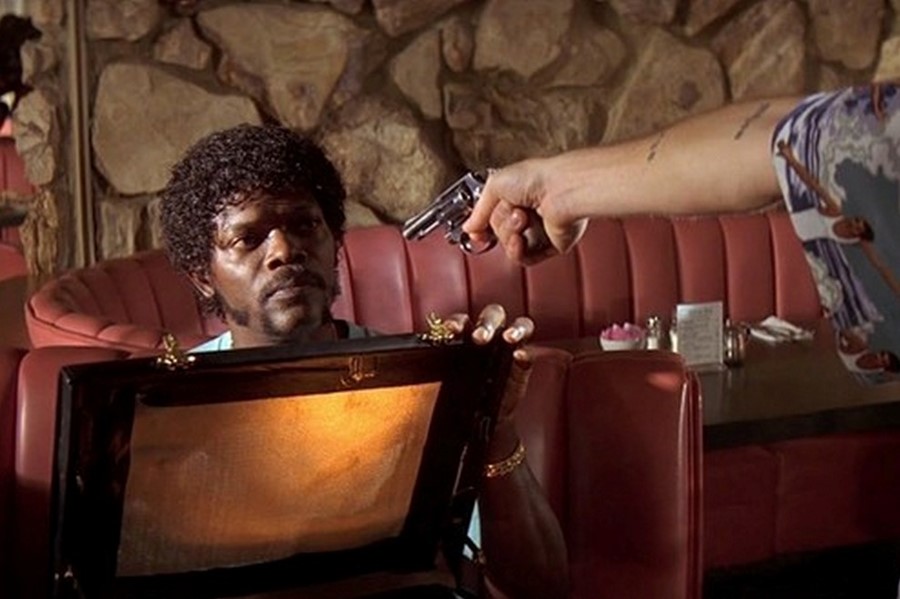
The enduring discussion surrounding the briefcase also fostered a vibrant, dedicated cult following. Fans didn’t just passively consume the film; they actively engaged with it, interpreting its symbols, debating its meanings, and sharing their theories. This collective engagement transformed individual viewing experiences into a shared cultural phenomenon.
This resonates deeply with modern branding principles, where community building and customer advocacy are paramount. Brands that empower their audience to participate, to feel a sense of ownership, and to connect with like-minded individuals create fierce loyalty. The mystery of the briefcase provided a common ground for fans to interact, strengthening their bond with the film and cementing its status as a beloved, communal brand experience. It was a catalyst for organic fan-generated content and discussion long before social media made such phenomena commonplace.
The Briefcase as a Marketing Device
While its primary purpose was narrative, the briefcase’s enigmatic quality inadvertently served as one of the most effective, low-cost marketing strategies in film history. It leveraged human psychology to generate buzz and sustain interest without a single additional dollar spent on advertising.
Virality Before Virality: Word-of-Mouth Amplification
In the pre-internet age, truly “viral” content was rare, relying almost entirely on word-of-mouth. The Pulp Fiction briefcase became a prime example of this organic amplification. Audiences leaving theaters weren’t just discussing the memorable quotes or shocking scenes; they were actively questioning and debating the contents of that glowing box. This conversation spread like wildfire, drawing new viewers in who were curious to solve the riddle for themselves, or at least witness the phenomenon.
For marketers, this underscores the timeless power of creating “talkable” brand elements. What aspects of your product, service, or story are so intriguing that people must discuss them? What sparks that innate human desire to share an interesting piece of information or a puzzling question? The briefcase proved that a well-placed mystery can be exponentially more effective than overt advertising in capturing attention and driving engagement through authentic human connection.
Maintaining Mystique in the Digital Age
Even with the advent of the internet and endless speculation, the briefcase’s mystique has remained largely intact. Despite exhaustive analyses, the lack of a definitive, canonical answer from Tarantino himself preserves its enigmatic power. In an age where information is instantly searchable and definitive answers are often expected, the briefcase stands as a testament to the enduring appeal of the unresolved.
This provides a valuable lesson for brands navigating the digital landscape. While transparency is often lauded, there’s also strategic power in selective disclosure and the careful cultivation of mystique. Not every aspect of a brand needs to be fully revealed or explained. Some elements, particularly those contributing to a brand’s unique “story” or “mythology,” can benefit from a degree of carefully managed ambiguity, encouraging deeper exploration and sustained curiosity from the audience.
Lessons for Modern Branding
The Pulp Fiction briefcase, a seemingly simple prop, offers profound insights into effective branding, consumer psychology, and the art of narrative design. Its legacy extends far beyond film criticism, serving as a powerful allegory for building enduring brand equity.
The Value of Unanswered Questions
Modern branding often emphasizes clarity, directness, and immediate value propositions. While these are critical, the briefcase reminds us of the inherent human fascination with the unknown. Brands can strategically incorporate elements of mystery, discovery, or open-ended narratives to deepen engagement. This doesn’t mean being unclear about your core offering, but rather creating compelling extensions or layers that invite curiosity and exploration. What secrets does your brand hold? What unresolved questions can it pose that encourage your audience to delve deeper? By embracing the power of the unanswered question, brands can foster a richer, more interactive relationship with their consumers.
Building a Legacy, Not Just a Product
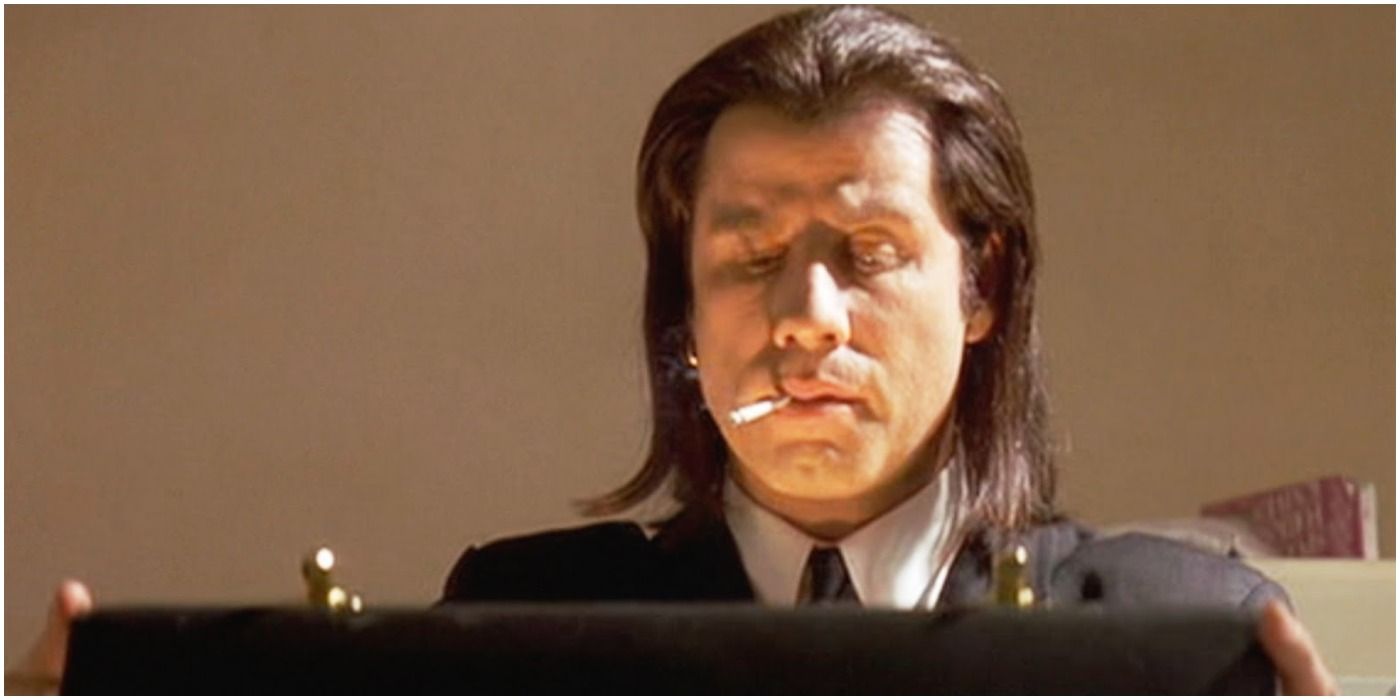
Ultimately, the briefcase contributed significantly to Pulp Fiction‘s status as a timeless classic. It transcended its functional role in the plot to become a cultural touchstone, a symbol that encapsulates the film’s entire brand. For businesses, this translates to focusing on building a legacy, not just selling a product or service. What are the enduring symbols, stories, or mysteries associated with your brand that will resonate decades from now? How can you craft experiences and narratives that go beyond transactional value, fostering a deeper, almost mythological connection with your audience? The Pulp Fiction briefcase serves as a powerful reminder that sometimes, the most unforgettable brand elements are those that leave just enough to the imagination, inviting endless interpretation and ensuring an enduring place in the cultural conversation.
aViewFromTheCave is a participant in the Amazon Services LLC Associates Program, an affiliate advertising program designed to provide a means for sites to earn advertising fees by advertising and linking to Amazon.com. Amazon, the Amazon logo, AmazonSupply, and the AmazonSupply logo are trademarks of Amazon.com, Inc. or its affiliates. As an Amazon Associate we earn affiliate commissions from qualifying purchases.