
Fidelis Care operates as a prominent managed care organization, primarily known for providing various health insurance plans within New York State. At its core, Fidelis Care is a financial vehicle designed to make healthcare accessible and affordable, particularly for individuals and families who might otherwise struggle to bear the escalating costs of medical services. It fundamentally functions as a health insurer, but with a strong emphasis on government-sponsored programs and marketplace options designed to alleviate financial burdens for its members.
Understanding Fidelis Care: A Medicaid Managed Care Organization
Fidelis Care originated with a mission rooted in social responsibility and financial equity: to provide quality healthcare coverage to underserved communities. While it has expanded its offerings over the years, its foundation is firmly planted in the realm of Medicaid managed care. This means that Fidelis Care partners with state governments to administer Medicaid benefits, transforming a complex, government-funded healthcare program into a structured, managed insurance plan for eligible beneficiaries.
Origins and Mission: Financial Access to Healthcare
Founded in 1993 by the Catholic Medical Center of Brooklyn and Queens, Fidelis Care’s initial objective was to address the critical need for affordable health coverage for vulnerable populations. The organization recognized that lack of insurance was a significant barrier to health equity, often leading to financial distress and poorer health outcomes. By structuring itself as a managed care provider for government programs like Medicaid, Fidelis Care aimed to streamline access to care, control costs, while ensuring comprehensive coverage. This model allows for proactive health management and preventative care, which ultimately reduces the financial strain of emergency treatments and long-term illnesses on both individuals and the public healthcare system. The financial structure of Fidelis Care is designed to optimize the allocation of public funds for health services, ensuring that benefits are delivered efficiently and effectively to those who need them most.
The Medicaid Framework: Integrating a State/Federal Financial Program
Medicaid is a joint federal and state program that provides healthcare coverage to millions of Americans, including low-income adults, children, pregnant women, elderly adults, and people with disabilities. Fidelis Care acts as a crucial intermediary within this framework. Instead of individuals directly navigating the complex Medicaid system, they enroll in a managed care plan like Fidelis Care. This organization then takes on the responsibility for coordinating their medical care, managing a network of providers, and processing claims. From a financial perspective, states pay Fidelis Care a per-member, per-month fee (a capitated payment) for each enrolled Medicaid beneficiary. In return, Fidelis Care assumes the financial risk of providing all necessary healthcare services. This model shifts the financial management of care from the state directly to the managed care organization, incentivizing efficiency and coordinated care to manage costs while delivering comprehensive benefits.
Key Services Provided: Linking Services to Financial Benefits for Members
Fidelis Care’s offerings encompass a broad spectrum of medical services, all designed to provide robust financial protection against healthcare costs. These typically include doctor visits (primary and specialty care), hospital stays, emergency services, prescription drugs, mental health services, substance abuse treatment, laboratory tests, X-rays, and even some dental and vision care. For members, this means significant out-of-pocket savings, often involving low or no premiums, co-pays, or deductibles, depending on the specific plan and eligibility criteria. The financial benefit is substantial: by enrolling in Fidelis Care, eligible individuals secure access to a comprehensive suite of medical services without incurring the often-prohibitive direct costs that can lead to medical debt or delayed treatment. This direct link between provided services and reduced personal financial outlay is a cornerstone of Fidelis Care’s value proposition.
Beyond Medicaid: Diversifying Financial Health Coverage
While deeply rooted in Medicaid, Fidelis Care has expanded its portfolio to offer a broader range of health insurance plans, catering to diverse income levels and demographic groups. These expansions reflect a strategic effort to provide financially accessible healthcare solutions across more segments of the population, often complementing federal and state initiatives to make insurance more affordable. Each of these plans targets specific financial situations and eligibility criteria, ensuring that a wider array of New Yorkers can find suitable and cost-effective coverage.
Child Health Plus: Financial Aid for Children’s Healthcare
Child Health Plus is a New York State-sponsored health insurance plan for children under 19 years old who do not qualify for Medicaid. Fidelis Care offers Child Health Plus, making it a vital option for families who earn too much to qualify for Medicaid but may still find private insurance unaffordable. The financial aspect of Child Health Plus is its key appeal: depending on the family’s income and household size, monthly premiums are often very low, and in many cases, there are no premiums at all. This program significantly reduces the financial burden of pediatric care, including doctor visits, immunizations, prescriptions, and dental/vision services, ensuring that children receive necessary medical attention without draining family finances. It stands as a critical financial safety net for working families.
Essential Plan: Affordable Coverage for Specific Income Brackets
The Essential Plan is a government-sponsored health insurance program available through the New York State of Health (NYSOH) marketplace, designed for New Yorkers who have lower incomes but do not qualify for Medicaid. Fidelis Care is a major provider of Essential Plan policies. This plan is remarkably cost-effective, typically offering zero monthly premiums and no deductibles, along with very low co-pays for most services. It covers a comprehensive set of benefits, including doctor visits, hospital care, prescription drugs, and mental health services. The financial structure of the Essential Plan makes it an exceptionally attractive option for individuals and families struggling with healthcare costs, providing extensive coverage at virtually no out-of-pocket premium expense, thus safeguarding their financial stability against unexpected medical bills.
Medicare Advantage Plans: Financial Alternative to Original Medicare
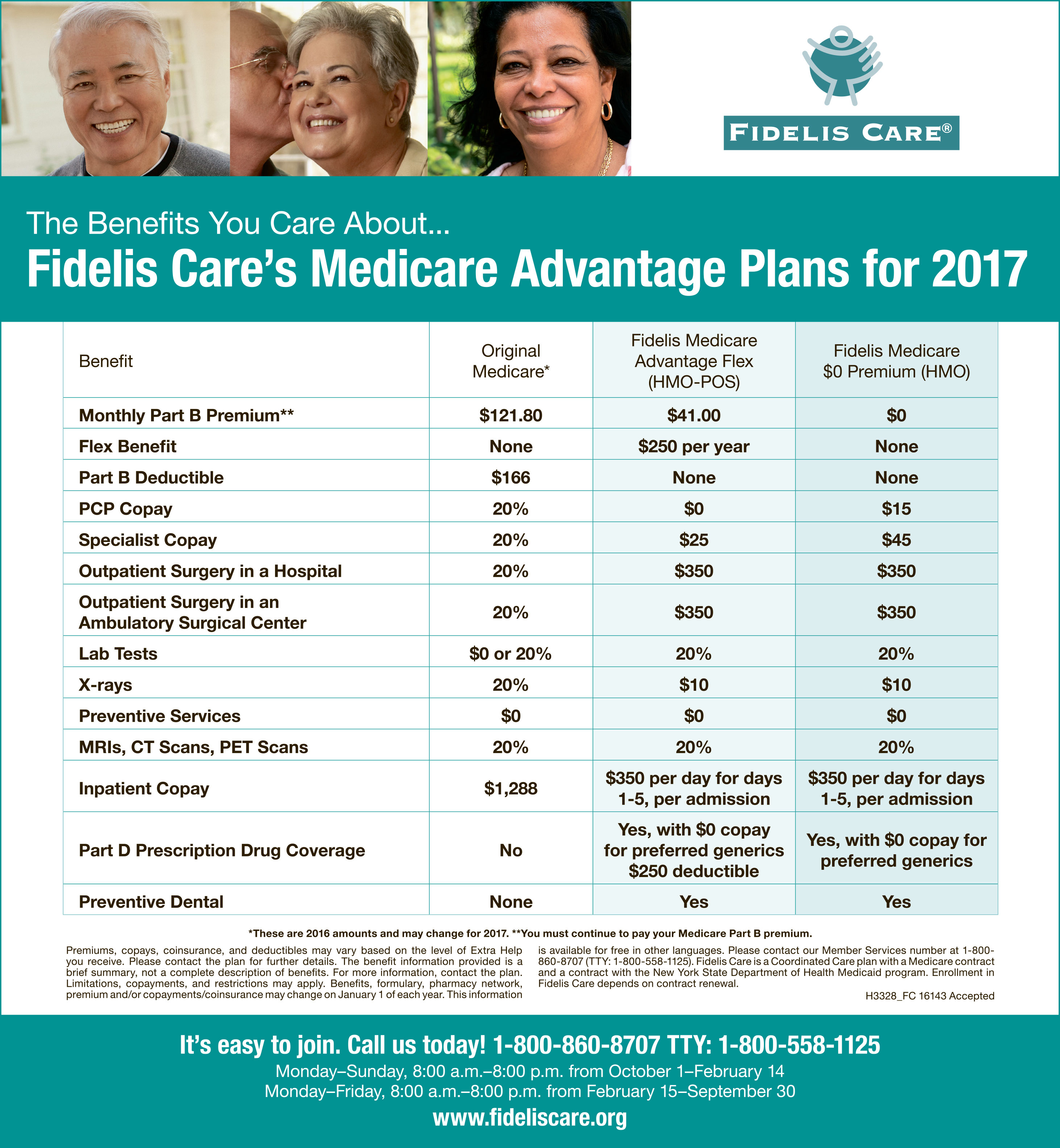
For older adults and individuals with certain disabilities, Fidelis Care also offers Medicare Advantage (Part C) plans. These plans are an alternative to Original Medicare (Parts A and B) and are offered by private insurance companies approved by Medicare, like Fidelis Care. Medicare Advantage plans bundle Part A (hospital insurance), Part B (medical insurance), and often Part D (prescription drug coverage), frequently including additional benefits not covered by Original Medicare, such as dental, vision, and hearing care, or even gym memberships. From a financial standpoint, while beneficiaries must continue to pay their Part B premium, many Fidelis Care Medicare Advantage plans offer low or even $0 monthly plan premiums, providing a comprehensive and often more cost-effective solution than managing multiple separate Medicare components. This consolidation and potential for added benefits can represent significant financial value for seniors.
Qualified Health Plans: Marketplace Options and Subsidies
Fidelis Care participates in the New York State of Health marketplace by offering Qualified Health Plans (QHPs). These plans are available to individuals and families who do not qualify for Medicaid or the Essential Plan and do not receive health insurance through an employer. A significant financial advantage of QHPs is the availability of federal subsidies (premium tax credits) based on income. These subsidies can substantially reduce the monthly premium costs, making comprehensive health insurance much more affordable. Additionally, some individuals may qualify for cost-sharing reductions, which lower out-of-pocket expenses like deductibles, co-payments, and co-insurance. Fidelis Care’s QHPs provide different levels of coverage (bronze, silver, gold, platinum) to suit various financial needs and risk tolerances, allowing consumers to choose a plan that aligns with their budget and desired financial protection.
The Financial Impact of Choosing Fidelis Care
Choosing a health insurance plan, particularly one from an organization like Fidelis Care, has profound financial implications for individuals and families. The core value proposition of Fidelis Care’s various offerings lies in their ability to mitigate the financial risks associated with illness and injury, transforming unpredictable and potentially catastrophic medical expenses into manageable, predictable costs. This financial protection is crucial for maintaining personal economic stability and accessing necessary healthcare without incurring debilitating debt.
Cost-Effectiveness and Affordability: Minimizing Out-of-Pocket Expenses
One of the most significant financial advantages of Fidelis Care plans, particularly its Medicaid, Child Health Plus, and Essential Plan offerings, is their unparalleled affordability. For eligible members, these plans often come with zero or very low monthly premiums. Furthermore, many plans feature minimal or no deductibles, co-pays, or co-insurance for a wide range of services. This structure directly translates to significant savings for members, minimizing their out-of-pocket expenses when accessing medical care. This cost-effectiveness is vital for individuals and families on tight budgets, as it removes the financial barrier that often prevents people from seeking timely medical attention, thus promoting better long-term health outcomes and preventing more costly interventions down the line.
Comprehensive Benefits: Financial Protection Against Medical Debt
Fidelis Care plans are designed to be comprehensive, covering a broad spectrum of medical services. This extensive coverage acts as a critical financial shield, protecting members from the devastating impact of medical debt. Without adequate insurance, a single hospital stay, an emergency room visit, or a course of treatment for a chronic condition can lead to tens of thousands of dollars in bills, pushing individuals into financial hardship or even bankruptcy. By enrolling in Fidelis Care, members gain access to a network of providers for primary care, specialty care, prescription drugs, mental health services, and more, all with managed costs. This robust coverage ensures that members can focus on their health recovery rather than being overwhelmed by crippling medical bills, thereby safeguarding their financial future.
Access to Care and Network: Value for Money, Ensuring Service Availability
The financial value of a health insurance plan isn’t solely determined by its premium or co-pays, but also by the accessibility and quality of the care it enables. Fidelis Care boasts an extensive network of doctors, specialists, hospitals, and pharmacies across New York State. This broad network ensures that members can readily find qualified healthcare providers close to home, without having to travel extensively or wait prolonged periods for appointments. From a financial perspective, this access is invaluable. It means that the financial investment (even if minimal) in a Fidelis Care plan translates into tangible health services, preventing minor issues from escalating into more serious, and therefore more expensive, conditions. The comprehensive network minimizes the likelihood of costly out-of-network charges, providing peace of mind and predictable financial planning for healthcare needs.
How Premiums and Co-pays Work: Financial Structure
Understanding the financial mechanics of premiums, co-pays, and deductibles is crucial for any insurance plan. For Fidelis Care, the structure varies significantly based on the specific plan type. For Medicaid, Child Health Plus (for some income levels), and the Essential Plan, premiums are often $0 or very low, with minimal or no co-pays and deductibles. This reflects their design as safety nets for lower-income populations. For Qualified Health Plans and some Medicare Advantage plans, members typically pay a monthly premium, which can be partially or fully offset by federal subsidies. These plans may also have co-pays (a fixed amount paid for a specific service), co-insurance (a percentage of the cost of a service), and deductibles (the amount you must pay out-of-pocket before your insurance starts to pay). Fidelis Care aims to clearly outline these financial responsibilities, allowing members to budget effectively and understand their financial commitment for accessing healthcare services.
Navigating Enrollment and Eligibility for Financial Support
Accessing the financial benefits of Fidelis Care plans requires understanding specific enrollment processes and eligibility criteria. These guidelines are primarily based on income, household size, and residency, ensuring that the financial support provided through these health insurance options reaches those who are most in need. Successfully navigating these requirements is key to unlocking affordable healthcare coverage.
Income and Household Criteria: Financial Prerequisites
The primary determinant for eligibility across most Fidelis Care plans, especially the government-sponsored ones like Medicaid, Child Health Plus, and the Essential Plan, is income relative to the Federal Poverty Level (FPL) and the household size. For instance, Medicaid is generally available to individuals and families with incomes below a certain percentage of the FPL, while the Essential Plan and Child Health Plus cater to slightly higher income brackets but still below thresholds that would enable affordable private insurance. Qualified Health Plans, while available to a broader income range, also use income to determine eligibility for federal premium subsidies and cost-sharing reductions. Prospective members must provide accurate financial information to ascertain which plan they qualify for and what level of financial assistance they are eligible to receive.
Application Process: Steps to Access Financial Aid
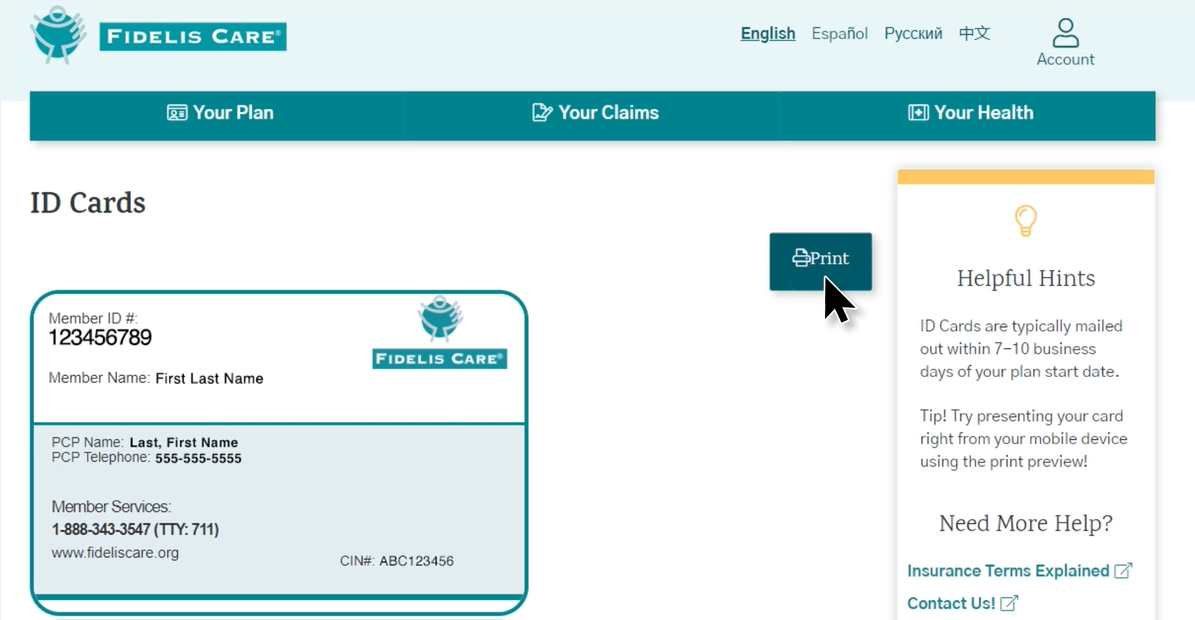
Enrolling in a Fidelis Care plan typically involves an application process through the New York State of Health (NYSOH) marketplace, also known as the official health plan marketplace. Applicants will need to provide personal details, income information, and household specifics. The marketplace then evaluates this data against eligibility rules for Medicaid, Child Health Plus, Essential Plan, and Qualified Health Plans, informing the applicant which plans they qualify for and what financial assistance is available. Fidelis Care also has dedicated enrollment specialists who can guide individuals through the application, helping them understand their options and ensuring all necessary documentation is submitted. This streamlined process aims to simplify access to crucial financial support for healthcare.
Maximizing Your Benefits: Getting the Most Financial Value
Once enrolled, maximizing the financial value of a Fidelis Care plan involves several strategies. Firstly, understanding the full scope of benefits is essential. This includes preventative care services, which are often covered at no additional cost and can prevent more serious, expensive health issues later. Secondly, utilizing in-network providers is crucial to avoid higher out-of-network costs. Familiarizing oneself with the plan’s formulary for prescription drugs can also lead to significant savings. Regularly reviewing the Explanation of Benefits (EOB) statements helps track financial outlays and ensures correct billing. Proactive engagement with the plan’s resources, such as member services or health management programs, can also uncover additional support and financial efficiencies.
Annual Review and Changes: Staying Financially Compliant
Health insurance eligibility, particularly for plans with income-based subsidies, is subject to annual review and can be affected by life changes. It’s critical for Fidelis Care members to update their income, household size, or other relevant information with the New York State of Health marketplace as soon as changes occur. Failure to do so could result in incorrect subsidies, leading to unforeseen financial liabilities or even loss of coverage. During the annual open enrollment period, members should review their plan options, compare costs, and ensure their current plan still best meets their financial needs and healthcare requirements for the upcoming year. This proactive approach ensures continuous access to affordable and appropriate healthcare coverage.
aViewFromTheCave is a participant in the Amazon Services LLC Associates Program, an affiliate advertising program designed to provide a means for sites to earn advertising fees by advertising and linking to Amazon.com. Amazon, the Amazon logo, AmazonSupply, and the AmazonSupply logo are trademarks of Amazon.com, Inc. or its affiliates. As an Amazon Associate we earn affiliate commissions from qualifying purchases.