
The Evolution of Content Discovery
In an era saturated with digital content, the simple act of choosing something to watch has transformed into a complex decision-making process. Gone are the days when television schedules dictated our viewing habits. The shift from linear broadcasts to on-demand streaming platforms has unlocked an unprecedented volume of entertainment, yet this abundance has simultaneously created a new challenge: the paradox of choice.
From Linear Broadcasts to Personalized Streams
Historically, content consumption was largely a passive experience. Viewers tuned into scheduled programming on terrestrial or cable television, with a limited number of channels offering a curated selection. Discovery was serendipitous, often guided by newspaper listings or word-of-mouth. The rise of technologies like DVRs marked an early step towards viewer control, allowing time-shifting of broadcasts. However, the true revolution began with the internet and the proliferation of streaming services. Platforms like Netflix, Hulu, Amazon Prime Video, and countless others introduced vast libraries accessible at any time, on any device. This technological leap democratized content distribution and put the viewer firmly in control, but also introduced the daunting task of navigating an ever-expanding universe of options.
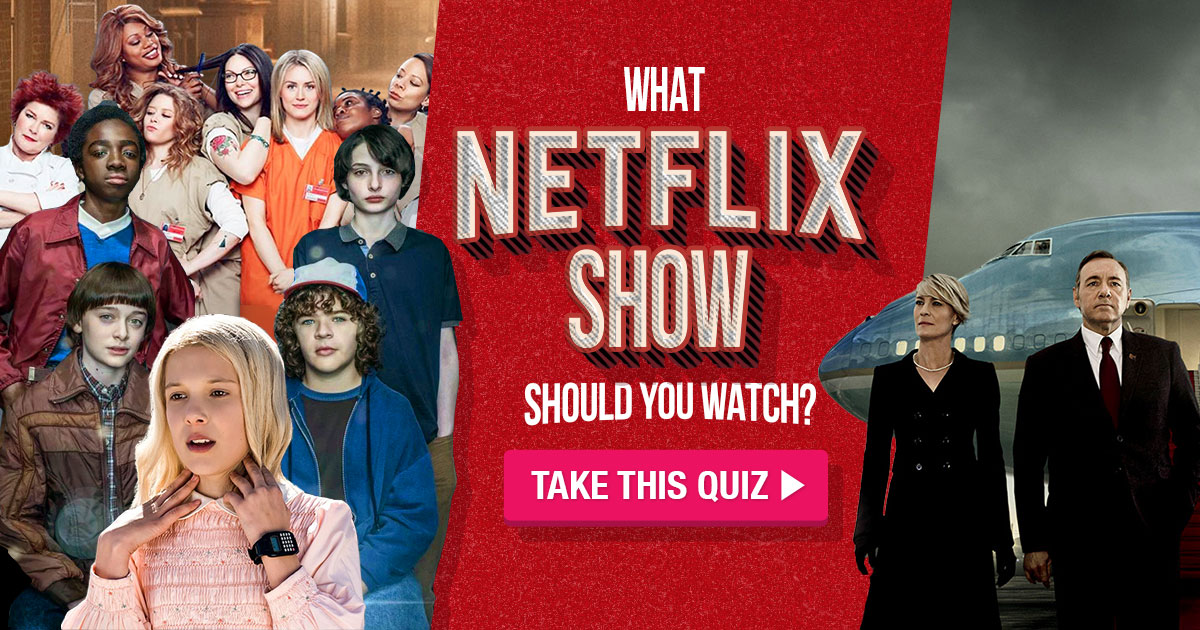
The Paradox of Choice in the Streaming Era
The sheer volume of movies, TV shows, documentaries, and short-form content available today is staggering. While theoretically empowering, this overwhelming selection can lead to decision fatigue, anxiety, and even paralysis. Users spend significant time endlessly scrolling through thumbnails, reading synopses, and watching trailers, often without making a definitive choice. This phenomenon, often dubbed the “paradox of choice,” highlights how an excess of options, beyond a certain point, can actually diminish satisfaction and make the decision-making process less efficient. Consequently, the demand for effective content discovery tools has never been higher, leading to the development of sophisticated recommendation algorithms and interactive aids like the “what to watch quiz.” These tools are no longer just conveniences; they are essential navigation systems in the sprawling digital landscape.
The Tech Behind Your Next Binge: Quizzes as Recommendation Engines
At its core, a “what to watch quiz” is a sophisticated application of technology designed to cut through content clutter and provide personalized recommendations. These quizzes leverage a combination of user interaction, data analysis, and advanced algorithms to guide viewers to content they are likely to enjoy. They represent a more active and engaging alternative to purely passive algorithmic suggestions.
How “What to Watch” Quizzes Work
The operational mechanics of these quizzes involve several distinct technological layers, all working in concert to deliver tailored results.
User Input and Preferences
The initial and most crucial step involves gathering explicit data directly from the user. Unlike traditional recommendation engines that infer preferences from viewing history, quizzes actively ask questions. These questions can range from genre preferences (e.g., “Do you prefer action or drama?”) and mood (e.g., “Are you looking for something light-hearted or thought-provoking?”) to specific themes (e.g., “Are you interested in historical periods or futuristic settings?”). Some quizzes might even delve into preferred watch companions (e.g., “Watching alone, with family, or with friends?”), time availability (e.g., “Do you have 30 minutes or 2 hours?”), or even abstract preferences related to narrative style or character archetypes. The quality and diversity of these questions directly impact the quiz’s ability to generate relevant recommendations.
Algorithmic Matching and Machine Learning
Once user inputs are collected, the backend system processes this data using a complex set of algorithms. These algorithms compare the user’s explicit preferences against a meticulously cataloged database of content. This database isn’t just a list of titles; each entry is tagged with rich metadata, including genres, sub-genres, themes, moods, actors, directors, production companies, critical reception, and even audience demographics. Machine learning models often play a significant role here, identifying patterns and correlations between user preferences and content attributes. For instance, if a user prefers “dark humor” and “ensemble casts,” the algorithm might cross-reference this with films tagged similarly, weighing various factors based on pre-trained models. Collaborative filtering techniques might also be employed, where the system identifies users with similar quiz answers and recommends content popular among that peer group.
Data Anonymization and Privacy Considerations
Given the personal nature of content preferences, robust data privacy measures are paramount. Developers of “what to watch” quizzes must implement strict anonymization protocols for user responses. Individual quiz results are typically processed without linking directly to personally identifiable information unless explicit consent is given for personalized accounts. Aggregated, anonymized data, however, can be incredibly valuable for understanding broader audience trends, improving quiz questions, and refining recommendation algorithms without compromising individual privacy. Compliance with data protection regulations like GDPR and CCPA is a fundamental aspect of the technical implementation.
Beyond Simple Keywords: AI and Semantic Understanding
Modern “what to watch” quizzes are increasingly moving beyond simple keyword matching, incorporating advanced artificial intelligence techniques to understand user preferences with greater nuance.
Natural Language Processing (NLP) in Quizzes
The integration of Natural Language Processing (NLP) allows quizzes to interpret more complex, free-form text inputs from users, or to formulate more contextually relevant questions. Instead of just selecting from a predefined list of genres, an NLP-enhanced quiz might allow a user to type in a description like “I’m looking for a feel-good movie with a strong female lead set in a European city.” The NLP engine can then parse this input, extract key entities (female lead, European city), sentiments (feel-good), and thematic elements, and use these to query the content database more intelligently. This moves the interaction closer to a natural conversation, making the quiz feel more intuitive and powerful.
Sentiment Analysis for Nuanced Recommendations
Sentiment analysis takes NLP a step further by evaluating the emotional tone and subjective opinion expressed in text or implied by user choices. For instance, if a quiz asks a user to describe their mood, a sentiment analysis model can infer whether they are seeking something “uplifting,” “melancholy,” “tense,” or “relaxing.” This allows the recommendation engine to match content not just by genre or theme, but also by its emotional resonance. A film categorized as “drama” might evoke “sadness” or “hope,” and sentiment analysis helps in aligning these emotional attributes with the user’s desired viewing experience, leading to more satisfying and emotionally aligned recommendations.
Designing an Effective “What to Watch” Quiz: A Developer’s Perspective
Creating a highly effective “what to watch” quiz requires a harmonious blend of thoughtful user experience design, robust backend engineering, and a commitment to continuous improvement. It’s not just about asking questions; it’s about crafting an interactive journey that leads to a delightful outcome.

User Experience (UX) and Interface Design
The front-end design and user flow are critical for engagement and satisfaction. A technically brilliant algorithm is useless if the user abandons the quiz due to a poor interface.
Intuitive Question Flow
The sequence and presentation of questions must be logical and easy to follow. Questions should progressively narrow down options without feeling repetitive or overwhelming. Branching logic, where subsequent questions adapt based on previous answers, is crucial for creating a personalized path. For example, if a user indicates a preference for documentaries, subsequent questions should focus on documentary sub-genres or themes, rather than general fiction categories. Progress indicators and clear calls to action help guide the user through the process, preventing fatigue.
Visual Appeal and Engagement
The visual design of the quiz should be clean, engaging, and consistent with the platform’s overall aesthetic. Use of appealing imagery, relevant icons, and a coherent color palette can significantly enhance the user’s experience. Interactive elements, such as sliders, draggable options, or visually distinct buttons, make the quiz more dynamic than a series of static checkboxes. Animations and micro-interactions can add polish and responsiveness, making the quiz feel more alive and less like a tedious form.
Backend Architecture and Scalability
The technical infrastructure supporting a “what to watch” quiz must be robust, efficient, and scalable to handle varying loads and vast content libraries.
Database Management for Content Libraries
The core of any recommendation system is its content database. This database needs to be meticulously structured, with each content item (movie, series, etc.) richly tagged with metadata. Relational databases are commonly used for structured metadata, while NoSQL databases might handle semi-structured data like user reviews or popularity trends. Efficient indexing and query optimization are essential for rapid retrieval, especially when dealing with millions of titles and complex filtering criteria. The database also needs mechanisms for continuous updates as new content is added and existing content is re-categorized.
API Integrations with Streaming Services
For a quiz to be truly useful, it needs to recommend content that is actually accessible to the user. This often involves integrating with various streaming service APIs (Application Programming Interfaces). These APIs allow the quiz’s backend to check content availability on platforms like Netflix, Hulu, Disney+, or local streaming providers, based on the user’s subscriptions or geographic location. Secure and efficient API management is critical to ensure real-time accuracy of recommendations and to manage rate limits imposed by external services. This might involve using a dedicated API gateway and robust error handling.
Iteration and Improvement: The Role of Feedback Loops
A “what to watch” quiz is not a static product; it’s an evolving system that improves over time through continuous data collection and refinement.
A/B Testing Quiz Questions and Recommendation Logic
A/B testing is a fundamental practice in optimizing quiz performance. Different versions of questions, question flows, or even recommendation algorithms can be presented to distinct user segments. By analyzing which version leads to higher completion rates, more satisfied users, or more accurate recommendations, developers can iteratively improve the quiz. This empirical approach ensures that design and algorithmic changes are data-driven.
User Ratings and Implicit Feedback
Beyond explicit quiz answers, incorporating mechanisms for user feedback on recommendations is vital. After a user watches a recommended title, they might be prompted to rate it or provide a simple “thumbs up/down.” This explicit feedback directly informs the system about the accuracy of its recommendations for that specific user. Implicit feedback, such as whether a user started watching a recommended title, how long they watched it, or if they added it to a watchlist, also provides valuable data for refining the algorithms and making future recommendations even more precise. This continuous feedback loop is the engine of improvement for any sophisticated content discovery tool.
The Future of Interactive Content Discovery
The technology underpinning “what to watch” quizzes is constantly advancing, promising even more personalized, immersive, and interconnected content discovery experiences in the years to come.
Immersive Quizzes and VR/AR Integration
Imagine a “what to watch” quiz that is an experience in itself. With the advent of virtual reality (VR) and augmented reality (AR), future quizzes could transport users into virtual environments where they interact with content elements directly. Instead of selecting genres from a list, users might walk through a digital landscape representing different moods or themes, or interact with virtual representations of characters to gauge their preferences. This spatial and immersive interaction could provide a richer understanding of user tastes, leading to even more nuanced and delightful recommendations. The “quiz” could become a narrative experience, blending discovery with entertainment.
Cross-Platform Synchronization and Unified Profiles
Currently, content discovery often remains siloed within individual streaming platforms. The future points towards greater cross-platform synchronization. Imagine a unified “what to watch” quiz that understands your viewing habits across all your subscriptions, generating recommendations that consider the entirety of your digital entertainment ecosystem. This would involve robust identity management and secure data sharing agreements between platforms, allowing users to build a single, comprehensive content profile that travels with them, irrespective of the service they are currently using. Such a system would streamline discovery and eliminate the frustration of duplicated recommendations or overlooked content on other services.

Ethical AI and Algorithmic Transparency
As AI models become more sophisticated in driving recommendations, the importance of ethical considerations and algorithmic transparency will grow. Users will increasingly demand to understand why certain content is recommended to them. Future quizzes and recommendation engines will need to provide clearer explanations for their suggestions, perhaps even allowing users to adjust or “tune” the algorithm’s parameters. Ensuring fairness, preventing bias (e.g., against certain genres or diverse creators), and protecting user autonomy in their content choices will be paramount. Developing AI that is not only effective but also accountable and transparent will be a critical frontier in the evolution of content discovery technology, ensuring that “what to watch” quizzes empower users without inadvertently limiting their horizons.
aViewFromTheCave is a participant in the Amazon Services LLC Associates Program, an affiliate advertising program designed to provide a means for sites to earn advertising fees by advertising and linking to Amazon.com. Amazon, the Amazon logo, AmazonSupply, and the AmazonSupply logo are trademarks of Amazon.com, Inc. or its affiliates. As an Amazon Associate we earn affiliate commissions from qualifying purchases.