
A wedding invitation is far more than a simple request for attendance; it is a meticulously crafted piece of marketing and brand communication for one of life’s most significant events. For couples, it represents an opportunity to articulate their unique identity, set the tone for their celebration, and strategically convey essential information to their esteemed guests. Understanding the invitation through a ‘brand lens’ transforms it from a mere formality into a powerful tool for establishing expectation, excitement, and a cohesive experience.
Defining Your Event’s Brand Identity Through Wording
Just as a corporate brand communicates its values and personality through its messaging, a wedding invitation establishes the ‘brand’ of the couple and their impending celebration. The chosen wording, tone, and overall aesthetic collectively shape how guests perceive the event before they even arrive.
Reflecting Your Couple’s Style and Tone
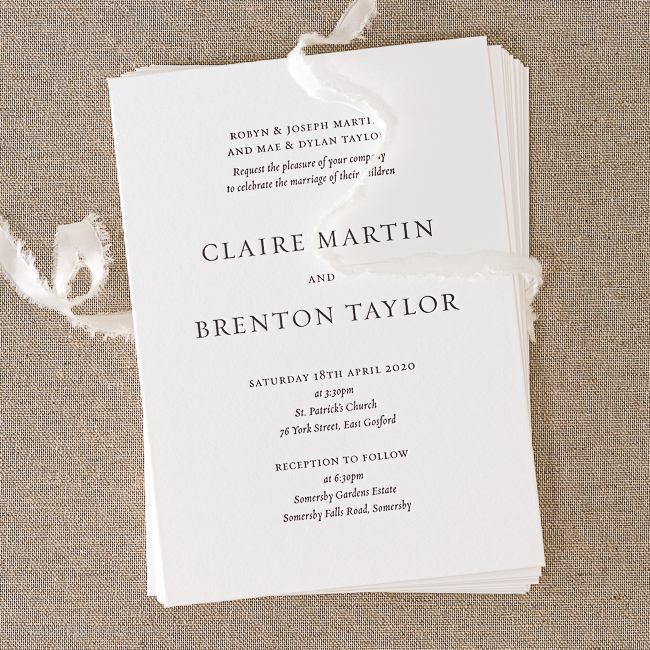
The first step in crafting your invitation messaging is to define your couple’s “brand personality.” Are you traditional and formal, or modern and laid-back? Do you envision a black-tie affair or a rustic, bohemian celebration? The language on your invitation should authentically mirror this identity. For a classic, elegant brand, phrases like “request the honour of your presence” or “invite you to celebrate” convey a sense of gravitas and tradition. Conversely, a more contemporary or informal couple might opt for “join us as we tie the knot” or “we’d love for you to celebrate with us,” projecting an approachable and relaxed vibe. This deliberate choice of phrasing ensures brand consistency from the first touchpoint, aligning guest expectations with the actual event experience.
Choosing a Formal or Informal Voice
The formality of your voice is a critical component of your event’s brand strategy. A highly formal invitation implicitly suggests a sophisticated dress code, traditional ceremony, and refined reception. This approach often utilizes full names, titles, and elegant script fonts to reinforce the luxurious or classic brand image. An informal invitation, by contrast, signals a more relaxed atmosphere, potentially a casual dress code, and a celebratory, less structured event. Here, couples might use first names, playful language, and more modern typography. The key is to select a voice that genuinely reflects the desired brand experience of your wedding, preventing any dissonance between the invitation’s promise and the event’s reality.
The Significance of Host Lines
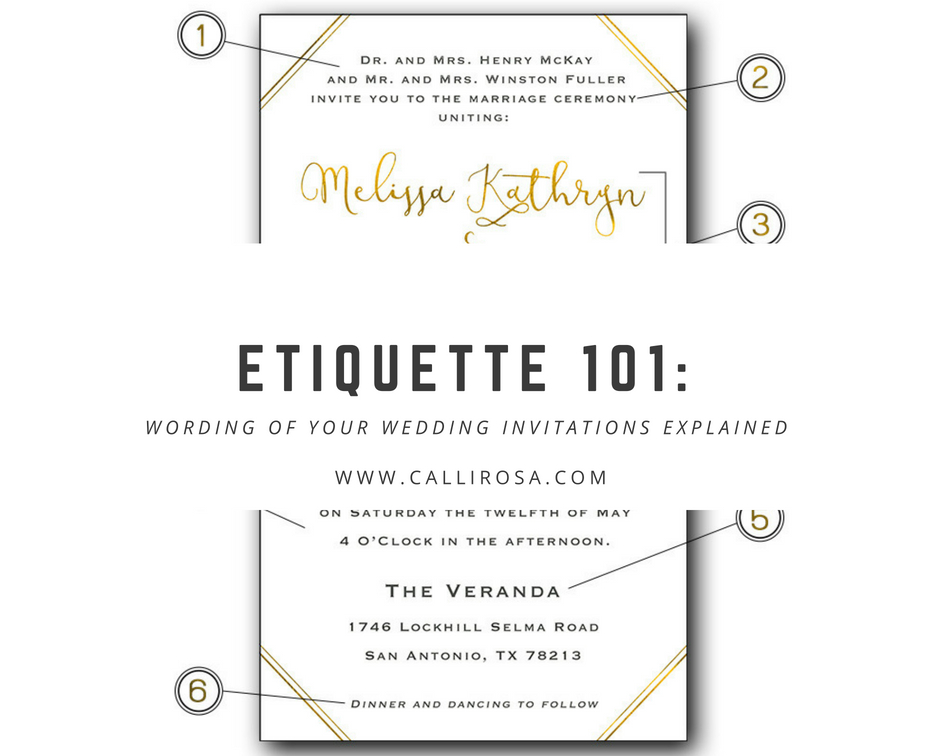
The host line is a cornerstone of traditional wedding invitation etiquette, but from a brand perspective, it defines who is “presenting” the event. Historically, this meant the bride’s parents. Today, host lines can reflect a myriad of family structures and financial contributions. Options include:
- Traditional: “Mr. and Mrs. [Bride’s Parents’ Last Name] request the honour of your presence at the marriage of their daughter…”
- Both Sets of Parents: “Mr. and Mrs. [Bride’s Parents] and Mr. and Mrs. [Groom’s Parents] request the pleasure of your company at the marriage of their children…” This clearly communicates the joint brand support from both families.
- The Couple Hosting: “[Bride’s Full Name] and [Groom’s Full Name] invite you to celebrate with them at their wedding…” This asserts the couple’s autonomy and direct ownership of their event’s brand.
- Parents and Couple: A blended approach acknowledging parental support while highlighting the couple’s central role.
The choice of host line subtly communicates aspects of family tradition, independence, and the collaborative nature of the event’s ‘sponsorship,’ all crucial elements in a holistic brand presentation.
The Invitation as a Strategic Communication Tool
Beyond aesthetics and tone, the wedding invitation serves as a vital strategic communication tool. It’s the primary channel for disseminating critical information that ensures guests can effectively plan their attendance and fully engage with the event. Think of it as a brief, beautiful prospectus for your special day.
Essential Information: The Core Message
The fundamental purpose of any brand communication is to convey core information clearly and concisely. For a wedding invitation, this includes:
- Who is getting married: The full names of the couple.
- What is happening: “The wedding of,” “the marriage of,” or “a celebration of love.”
- When: The date (day of the week, full date, year).
- Where: The venue for the ceremony and reception (name, address, city, state).
These details must be presented unambiguously, much like a brand’s mission statement or key product features. Any ambiguity can lead to confusion and a diminished guest experience.
Guiding Guest Expectations and Logistics
A well-designed invitation anticipates guest needs and proactively provides solutions, much like effective customer service. Strategic communication involves more than just stating facts; it involves guiding behavior and setting logistical expectations. This might include:
- Time: Clearly state the ceremony start time, and consider adding an “arrival by” time if punctuality is paramount.
- Location specifics: If the venue has multiple entrances or specific parking instructions, briefly allude to this and direct guests to a wedding website for more details.
- Dress code: While often implied by the invitation’s overall formality, an explicit dress code (“Black Tie,” “Cocktail Attire,” “Garden Party”) can be a crucial piece of communication, ensuring guests feel comfortable and appropriately dressed, thus contributing to the overall brand aesthetic of the event.
By providing these logistical cues, you manage expectations and facilitate a smooth experience for your guests, reflecting an organized and thoughtful event brand.
Setting the Tone for the Celebration
The words you choose do not merely convey information; they evoke emotion and set the psychological stage for the event. An invitation that speaks of “joyful union” or “a momentous occasion” paints a picture of gravitas and happiness. One that declares “let’s party!” instantly creates an atmosphere of exuberance. This subtle yet powerful aspect of wording is central to the event’s branding. It allows couples to infuse their personality and values into the very fabric of the invitation, ensuring that the emotional brand promise aligns with the actual experience guests will encounter.
Crafting Your Message: Key Components and Brand Alignment
Each section of a wedding invitation serves a specific function, contributing to the overall message and ensuring brand consistency. Understanding how to phrase these components effectively is key to a successful invitation.
The Request Line: A Formal Introduction

Following the host line (if applicable), the request line formally invites guests. Its wording should align directly with your chosen tone:
- Formal: “request the honour of your presence” (used when the ceremony is in a house of worship) or “request the pleasure of your company” (for all other ceremony locations).
- Semi-Formal/Informal: “invite you to celebrate,” “would love for you to join us,” or “ask you to share in their joy.”
This line is your immediate brand statement, setting the level of formality and the overall emotional expectation for the event.
The Ceremony Details: Time, Date, and Location
Precision is paramount here.
- Date: Traditionally spelled out in full (e.g., “Saturday, the twenty-third of October, two thousand twenty-five”). For a more modern brand, “Saturday, October 23, 2025” is perfectly acceptable.
- Time: Use “at four o’clock in the afternoon” or “at 4:00 in the afternoon.” Avoid “p.m.” on formal invitations.
- Location: Full name of the venue, followed by its complete address. If the ceremony and reception are at the same location, this section suffices.
Clarity and accuracy in these details are non-negotiable for effective communication and a reliable event brand.
Reception Information: Continuing the Brand Experience
If the reception is held at a different location or time, this information should follow the ceremony details, often on a separate line or card. Phrases include:
- “Reception to follow”
- “Dinner and dancing immediately following the ceremony”
- “Cocktail reception at [Venue Name] at [Time]”
This ensures a seamless transition in the guest experience, guiding them from one part of the brand journey to the next without confusion.
RSVP and Response Card Strategy
The RSVP (Répondez s’il vous plaît) is your call to action, crucial for logistical planning. The wording on your response card or digital RSVP portal should be clear and polite:
- “Kindly respond by [Date]”
- “Please respond by [Date]”
- “Accepts with pleasure / Declines with regret” (traditional)
- “Can’t wait to celebrate! / So sorry to miss it!” (informal)
Consider including a line for dietary restrictions or song requests, which shows thoughtfulness and enhances the guest experience, further strengthening your event’s brand image as considerate and personalized.
Enhancing the Guest Experience: Beyond the Basic Details
Modern wedding invitations often extend beyond the core details, integrating supplementary information to enrich the guest experience. These additional elements, when thoughtfully presented, contribute significantly to the overall brand strategy, demonstrating care and consideration for your attendees.
Accommodations and Travel: Brand Support
For out-of-town guests, providing information about local accommodations and travel arrangements is a valuable service. Instead of cluttering the main invitation, this is typically conveyed on a separate enclosure card or, more commonly now, via a wedding website. You might include:
- Details of hotel blocks with special rates.
- Suggestions for local transportation or shuttle services.
- Airport information for destination weddings.
Presenting this information as part of your invitation suite or website reinforces your brand as attentive and hospitable, ensuring guests feel supported and valued.
Dress Code and Event Themes: Reinforcing the Identity
While the invitation’s design often hints at the dress code, explicit wording can eliminate guesswork and ensure guests are comfortable and appropriately dressed. Common phrases include:
- “Black Tie”
- “Cocktail Attire”
- “Semi-Formal”
- “Garden Party Attire”
- “Casual”
If your wedding has a specific theme (e.g., “Roaring Twenties,” “Bohemian Chic”), a subtle nod to this can be incorporated, perhaps on an enclosure card or the wedding website. This helps guests align with the event’s brand identity and immerse themselves fully in the experience.
Wedding Website Integration: A Digital Brand Hub
For a modern event brand, a wedding website is an indispensable tool. It serves as a central digital hub for all additional information that doesn’t fit elegantly on a paper invitation. This includes:
- Directions and maps
- Detailed accommodation options
- Local attractions for out-of-town guests
- Your love story and photos
- An online RSVP portal
- Registry information
The invitation itself can direct guests to this resource with a simple line: “For more details, please visit [YourWeddingWebsite.com].” The website should maintain the same visual and tonal brand identity as your physical invitation, providing a consistent and comprehensive guest experience across all platforms.
Gift Registry Information: A Delicate Brand Touch
Discussing gifts can be a delicate subject. While traditional etiquette suggests not including registry information directly on the main invitation, many modern couples opt to list it subtly on a separate enclosure card or, more commonly, on their wedding website.
- Wording for website mention: “Your presence is our greatest gift. For registry information, please visit our website.”
- Wording for a card (if chosen): “A registry has been established at [Store Name] and [Store Name].”
The key is to handle this with grace and tact, ensuring it aligns with the respectful and appreciative tone of your overall event brand.
In conclusion, the wording on your wedding invitation is a powerful branding exercise. Every phrase, every detail, contributes to the overarching identity and experience of your wedding. By approaching it strategically, with an eye towards communication clarity, tone consistency, and guest experience, couples can craft invitations that not only inform but also excite, engage, and truly reflect the unique ‘brand’ of their love story.
aViewFromTheCave is a participant in the Amazon Services LLC Associates Program, an affiliate advertising program designed to provide a means for sites to earn advertising fees by advertising and linking to Amazon.com. Amazon, the Amazon logo, AmazonSupply, and the AmazonSupply logo are trademarks of Amazon.com, Inc. or its affiliates. As an Amazon Associate we earn affiliate commissions from qualifying purchases.