
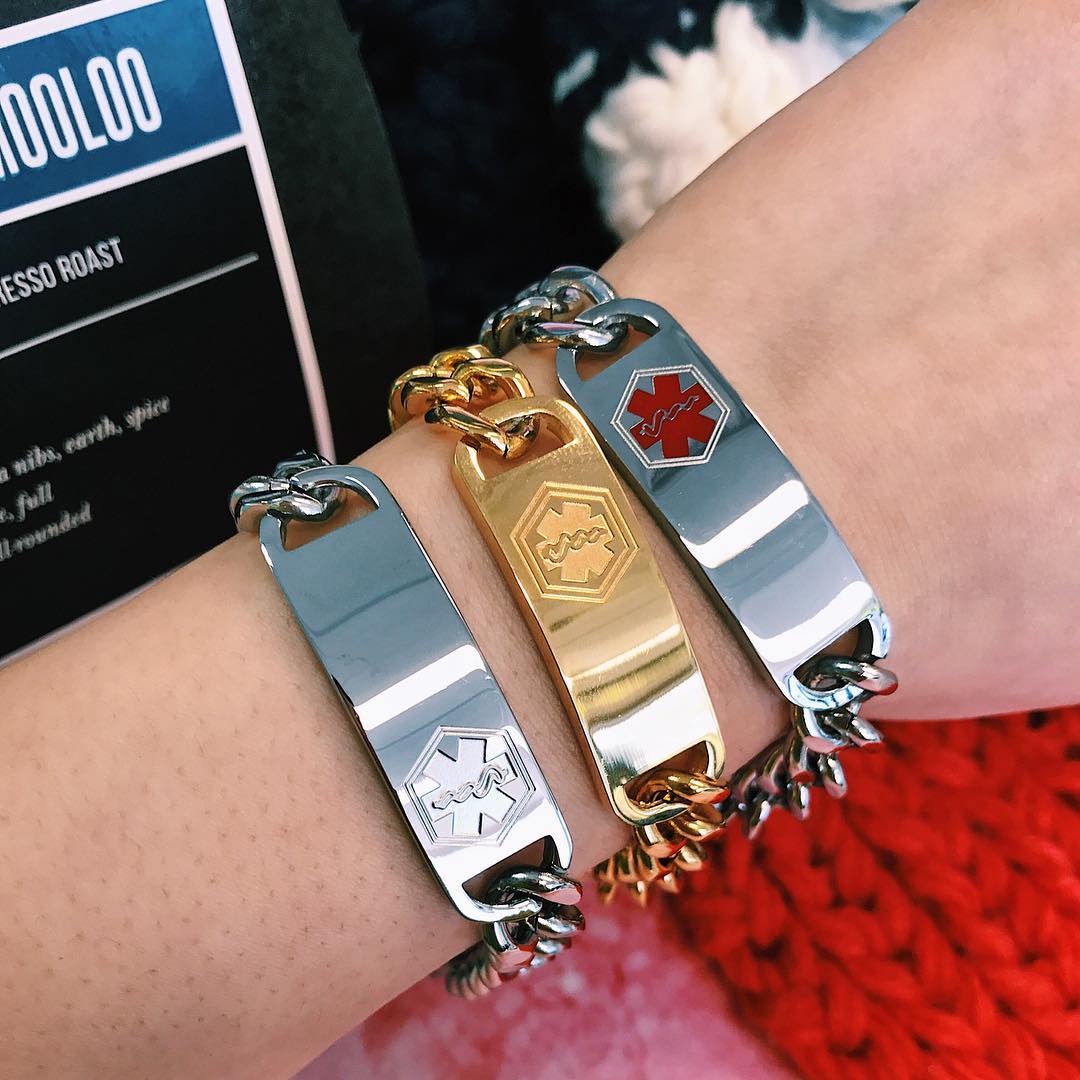
The unassuming medical alert bracelet, once a simple engraved tag, has evolved into a sophisticated piece of wearable technology, capable of transmitting critical health data in emergencies. Understanding what information to include, and how to leverage modern technological features, is paramount to maximizing its utility and ensuring prompt, informed care. This article explores the essential data points and technological considerations for optimizing your medical alert gadget.
The Evolution of Medical Alert Gadgets and Data Transmission
The journey of the medical alert bracelet from a rudimentary identification tool to a smart wearable highlights significant advancements in personal health technology. These devices are no longer just passive identifiers but active components in an individual’s emergency response system, intricately linked to broader digital health ecosystems.

From Engraved ID to Smart Wearables
Historically, a medical alert bracelet served as a static, physical record, typically featuring an embossed or engraved summary of vital medical information. Its effectiveness relied entirely on a first responder physically finding and reading the inscription. While still foundational, this approach presented limitations: limited space for detailed information, susceptibility to wear and tear obscuring data, and the inability to update information easily.
The advent of smart wearables has revolutionized this paradigm. Modern medical alert bracelets can integrate GPS tracking, fall detection sensors, heart rate monitors, and even cellular connectivity, transforming them into proactive communication hubs. These gadgets move beyond merely stating conditions to actively monitoring user status and initiating alerts, leveraging digital protocols for data transmission and emergency contact. The shift emphasizes a dynamic, real-time approach to personal safety and health management, powered by embedded microprocessors and network connectivity.
Key Technological Advancements for Data Sharing
Contemporary medical alert systems harness several technological innovations to enhance information accessibility and timeliness:
- NFC (Near Field Communication) Tags: Many advanced bracelets now embed NFC chips. A simple tap with a compatible smartphone or reader allows immediate access to a more comprehensive digital profile. This eliminates the space constraints of physical engraving, providing first responders with detailed medical histories, medication lists, and emergency contacts in seconds. The data stored on or linked via NFC can be encrypted, adding a layer of security.
- QR (Quick Response) Codes: Similar to NFC, QR codes offer a scalable solution for linking to extensive digital health records. Engraving a QR code on a bracelet enables responders to scan it with any smartphone camera, directing them to a secure web page or app containing the user’s full medical profile. This method allows for frequent updates to information without needing a new physical bracelet.
- Integrated Cellular and GPS Modules: High-end medical alert devices often feature built-in cellular radios and GPS capabilities. These enable automatic emergency calls upon detection of a fall or activation of a panic button, simultaneously transmitting the user’s precise location to emergency services or monitoring centers. This technology ensures that help can be dispatched directly to the individual, even if they are disoriented or unable to communicate their whereabouts.
- Secure Cloud-Based Profiles: The information linked via NFC or QR codes typically resides in a secure, cloud-based platform. Users can update their medical history, medication regimen, allergies, and emergency contacts in real-time through a dedicated online portal or mobile application. This ensures that the digital data accessed by first responders is always current, critical for effective treatment.
These technological integrations transform the medical alert bracelet from a passive identifier into an active, data-rich tool that leverages digital infrastructure to safeguard individuals.
Essential Data for Digital & Physical Clarity
The core function of a medical alert bracelet remains the rapid conveyance of vital information. However, the sophistication of modern gadgets allows for a multi-layered approach to data inclusion, balancing immediate readability with comprehensive digital access.
Core Information for First Responders
For instances where immediate digital access may be challenging or time-consuming, certain critical data points should always be directly available on the physical bracelet itself, either through engraving or a clear display. These are the absolute essentials for initial assessment:
- User’s Name: Simple yet crucial for identification.
- Critical Medical Conditions: Short, unambiguous phrases like “Diabetes,” “Asthma,” “Allergy: Penicillin,” “Pacemaker,” or “Epilepsy.” Prioritize conditions that require immediate specific attention or could alter standard emergency protocols.
- Severe Allergies: Specifically list drug allergies (e.g., “NO Penicillin,” “Allergy: Latex”) and severe food allergies if they present an immediate anaphylactic risk.
- Medications (Life-Sustaining/Critical): Focus on medications that are essential for immediate survival or severe symptom management, such as insulin, blood thinners, or critical cardiac drugs. Space limitations often require abbreviations or very concise phrasing.
- DNR (Do Not Resuscitate) Status: If applicable and legally documented, this information is paramount.
- Emergency Contact Number: A primary contact number, clearly labeled (e.g., “ICE: 555-123-4567”). “ICE” (In Case of Emergency) is a widely recognized acronym.
This physical layer of information acts as the first line of defense, providing immediate clues even without digital scanning capabilities. Its conciseness is key, ensuring legibility and rapid comprehension under stress.
Leveraging Digital Access Points
For a truly comprehensive medical profile, digital access points like NFC chips and QR codes are invaluable. These allow for the storage and retrieval of a much broader spectrum of health information:
- Detailed Medical History: Beyond critical conditions, a digital profile can include a full list of diagnoses, past surgeries, and chronic conditions. This context helps medical professionals understand comorbidities and potential complications.
- Complete Medication List: A precise, up-to-date list of all prescription and over-the-counter medications, including dosages and frequency. This is crucial for avoiding drug interactions and ensuring continuity of care.
- Allergy Details: Expand on listed allergies, including types of reactions experienced (e.g., “Penicillin: Anaphylaxis,” “Latex: Contact Dermatitis”).
- Physician Information: Names and contact details for primary care physicians and specialists.
- Insurance Information: Policy numbers and contact details for health insurance providers, facilitating administrative processes.
- Advanced Directives: Copies of living wills, power of attorney for healthcare, or other legal documents relevant to end-of-life care or medical decision-making.
- Communication Preferences: Notes regarding hearing impairments, language barriers, or cognitive conditions that might affect communication during an emergency.
- Device-Specific Information: For individuals with implanted medical devices (pacemakers, defibrillators, cochlear implants), digital access can provide model numbers, manufacturer details, and specialist contacts.
The ability to update this digital information instantly via a secure online portal ensures its accuracy, a critical advantage over static engraved bracelets. This dynamic data management aligns perfectly with the agile nature of modern healthcare and emergency response.
Contact Protocols via Tech
Modern medical alert gadgets extend beyond simply listing a contact number; they facilitate robust contact protocols through integrated technology:
- Primary and Secondary Emergency Contacts: Digital profiles can list multiple emergency contacts, prioritizing them for outreach. Some systems automatically cycle through contacts until someone is reached.
- Secure Communication Channels: Many services integrate with secure messaging platforms or dedicated apps that allow emergency responders or monitoring centers to communicate directly with designated contacts, providing updates on the user’s status or requesting additional information.
- Automated Notification Systems: Advanced bracelets or associated apps can be configured to automatically send SMS messages, emails, or app notifications to pre-selected contacts upon activation of an alert, a fall detection event, or if the user deviates from a pre-set geofence.
- Remote Monitoring Access: For caregivers, some systems offer secure remote access to the wearer’s location, activity levels, and even vital signs, providing peace of mind and proactive management capabilities. This remote monitoring leverages cloud technology and secure data transfer protocols.

By leveraging these technological features, the medical alert bracelet becomes a critical node in a comprehensive communication network, ensuring that relevant parties are informed promptly and accurately during an emergency.
Optimizing Data Storage and Security on Wearable Tech
The sheer volume and sensitivity of personal health information necessitate a strong emphasis on data integrity, accuracy, and robust cybersecurity measures when utilizing medical alert gadgets. The digital nature of modern systems brings both incredible advantages and inherent responsibilities concerning data management.
Data Integrity and Accuracy
The utility of a medical alert device hinges entirely on the accuracy and currency of the information it provides. Stale or incorrect data can be more harmful than no data at all, potentially leading to misdiagnosis or inappropriate treatment.
- Regular Updates: Users must commit to updating their digital health profiles whenever there is a change in medication, diagnosis, allergy status, or emergency contact information. Most modern systems offer user-friendly online portals or mobile applications for instantaneous updates.
- Verification: Periodically reviewing the displayed or linked information with a healthcare provider can help catch errors and ensure completeness. This ensures that the data accessible through the gadget aligns with official medical records.
- Redundancy Checks: For physical engravings or displays, ensuring legibility and cross-referencing with the digital profile helps maintain consistency.
- System Notifications: Some advanced systems can send reminders to users to review and update their profiles periodically, leveraging push notifications or email alerts as a technical safeguard against outdated information.
Cybersecurity for Health Data
Storing personal health information digitally, even for emergency access, raises critical cybersecurity concerns. Protecting this sensitive data from unauthorized access or breaches is paramount.
- HIPAA Compliance (for US-based services): For services that host digital health profiles, ensuring compliance with Health Insurance Portability and Accountability Act (HIPAA) regulations is non-negotiable. This means strict protocols for data privacy, security, and breach notification. Similar regulations apply internationally (e.g., GDPR in Europe).
- Encryption: All data transmitted from the device to a cloud server, and all data stored on the server, should be protected with strong encryption protocols (e.g., AES-256). This makes the data unreadable to unauthorized parties even if intercepted.
- Access Control and Authentication: Digital profiles should be protected by robust authentication methods, including strong passwords, multi-factor authentication (MFA), and role-based access controls. Emergency access should be designed to be quick for authorized personnel (like first responders) but impenetrable for others. QR codes and NFC links often lead to time-limited access pages or require an additional code known to emergency services.
- Secure Servers and Infrastructure: Cloud providers for medical alert systems must utilize secure, hardened servers with regular security audits, intrusion detection systems, and disaster recovery plans.
- Privacy Policies: Users should thoroughly review the privacy policies of medical alert service providers to understand how their data is collected, stored, used, and shared. Opt-in options for data sharing with third parties should be clearly defined.
Choosing the Right Tech for Data Display
The physical design and technological implementation of the medical alert gadget itself play a significant role in data accessibility and durability.
- Screen Displays vs. Engraving: While engraving is permanent, digital screen displays on smartwatches or dedicated alert devices offer dynamic, customizable information that can be updated wirelessly. E-ink displays, for example, offer low power consumption and high readability.
- Durability and Water Resistance: Medical alert devices must be robust enough to withstand daily wear, environmental elements, and exposure to water. IP ratings (e.g., IP67 for water and dust resistance) are key technical specifications to consider.
- Battery Life: For smart devices with cellular or GPS functions, reliable battery life is crucial. Users need to be diligent about charging schedules, or consider devices with extended battery capabilities or easy-to-replace power sources.
- Accessibility Features: The technology should be designed with the user in mind, offering large fonts, clear contrasts, and intuitive interfaces for programming and accessing information, especially for users with visual or dexterity challenges.
By meticulously managing data integrity, prioritizing cybersecurity, and selecting appropriate display technologies, users can ensure their medical alert gadget functions as a reliable and secure repository of life-saving information.
Future Trends in Medical Alert Technology and Information Sharing
The landscape of medical alert technology is continually evolving, driven by advancements in artificial intelligence, sensor technology, and interconnected digital health ecosystems. Future developments promise even more personalized, predictive, and integrated solutions for emergency preparedness.
AI-Enhanced Alert Systems
Artificial intelligence is poised to revolutionize medical alert systems by moving beyond reactive alerting to proactive health monitoring and predictive analytics.
- Predictive Analytics for Health Events: AI algorithms can analyze continuous physiological data (heart rate, activity levels, sleep patterns) collected by wearables to identify subtle changes or trends that might precede a medical event (e.g., a cardiac episode, a fall risk increase). This allows for earlier intervention rather than just post-event notification.
- Personalized Alert Triggers: AI can learn an individual’s normal activity patterns and physiological baselines. Deviations from these norms, identified by AI, could trigger personalized alerts or contact emergency services, reducing false alarms and ensuring more relevant responses.
- Contextual Emergency Response: Future AI-powered systems could integrate data from multiple sources (e.g., weather conditions, user’s calendar, known medical history) to provide first responders with a richer, more contextual understanding of an emergency situation, leading to more tailored assistance.
- Voice-Activated AI Assistants: Integration with smart home AI assistants could enable hands-free emergency calls or information retrieval from the medical profile, enhancing accessibility for individuals with mobility challenges.
Integration with Broader Health Ecosystems
The trend towards interconnected digital health platforms means medical alert technology will increasingly integrate with other healthcare services and devices.
- Electronic Health Record (EHR) Synchronization: Seamless, secure, and permission-based integration with a user’s official Electronic Health Record would ensure that the data on their medical alert device is always synchronized with their physician’s records. This eliminates manual updates and ensures consistency.
- Telehealth Platform Connectivity: In non-emergency situations, data collected by the medical alert gadget could be securely transmitted to telehealth platforms, enabling remote consultations and continuous monitoring by healthcare providers.
- Smart Home Integration: Future systems could integrate with smart home devices to automatically unlock doors for first responders, turn on lights, or adjust environmental controls upon an emergency alert, further streamlining response efforts.
- Wearable Ecosystems: The medical alert gadget could become a module within a broader wearable ecosystem, sharing data with smartwatches, fitness trackers, and other health monitoring devices to provide a holistic view of the user’s well-being.
The Role of Personal Digital Health Wallets
The concept of a “personal digital health wallet” is gaining traction, promising a user-controlled, secure repository for all an individual’s health information.
- User-Centric Data Control: These wallets would empower individuals to control who accesses their health data, for how long, and for what purpose. The medical alert bracelet would then act as a secure “key” or access point to this personal wallet.
- Interoperability: Digital health wallets aim to solve the challenge of fragmented health data by providing a single, interoperable platform that can communicate with various healthcare providers, devices, and emergency services.
- Blockchain for Security and Trust: Emerging solutions might leverage blockchain technology to create an immutable, transparent, and highly secure record of health data and access permissions, enhancing trust and preventing unauthorized alterations.
- Dynamic Information Sharing: A medical alert device linked to a digital health wallet could dynamically display or transmit only the information relevant to the immediate emergency, while still providing access to the full, detailed profile if required.
These future trends highlight a trajectory toward more intelligent, integrated, and user-empowered medical alert solutions, where technology plays an even more profound role in safeguarding health and well-being.
aViewFromTheCave is a participant in the Amazon Services LLC Associates Program, an affiliate advertising program designed to provide a means for sites to earn advertising fees by advertising and linking to Amazon.com. Amazon, the Amazon logo, AmazonSupply, and the AmazonSupply logo are trademarks of Amazon.com, Inc. or its affiliates. As an Amazon Associate we earn affiliate commissions from qualifying purchases.