
In the sprawling, blocky universe of Minecraft, efficiency and resource management are paramount to survival and progression. Among the myriad utility blocks available, the grindstone often stands as an unsung hero, quietly providing crucial functionalities that streamline inventory management, item repair, and even experience point (XP) accumulation. Understanding precisely what to place in a grindstone, and more importantly, why, unlocks a deeper layer of strategic gameplay that can significantly impact a player’s long-term success. Far from being a mere decorative block, the grindstone is a sophisticated tool designed to address specific needs related to enchanted and damaged items, offering distinct advantages over other crafting and repair mechanisms.
Understanding the Grindstone: Core Mechanics and Crafting
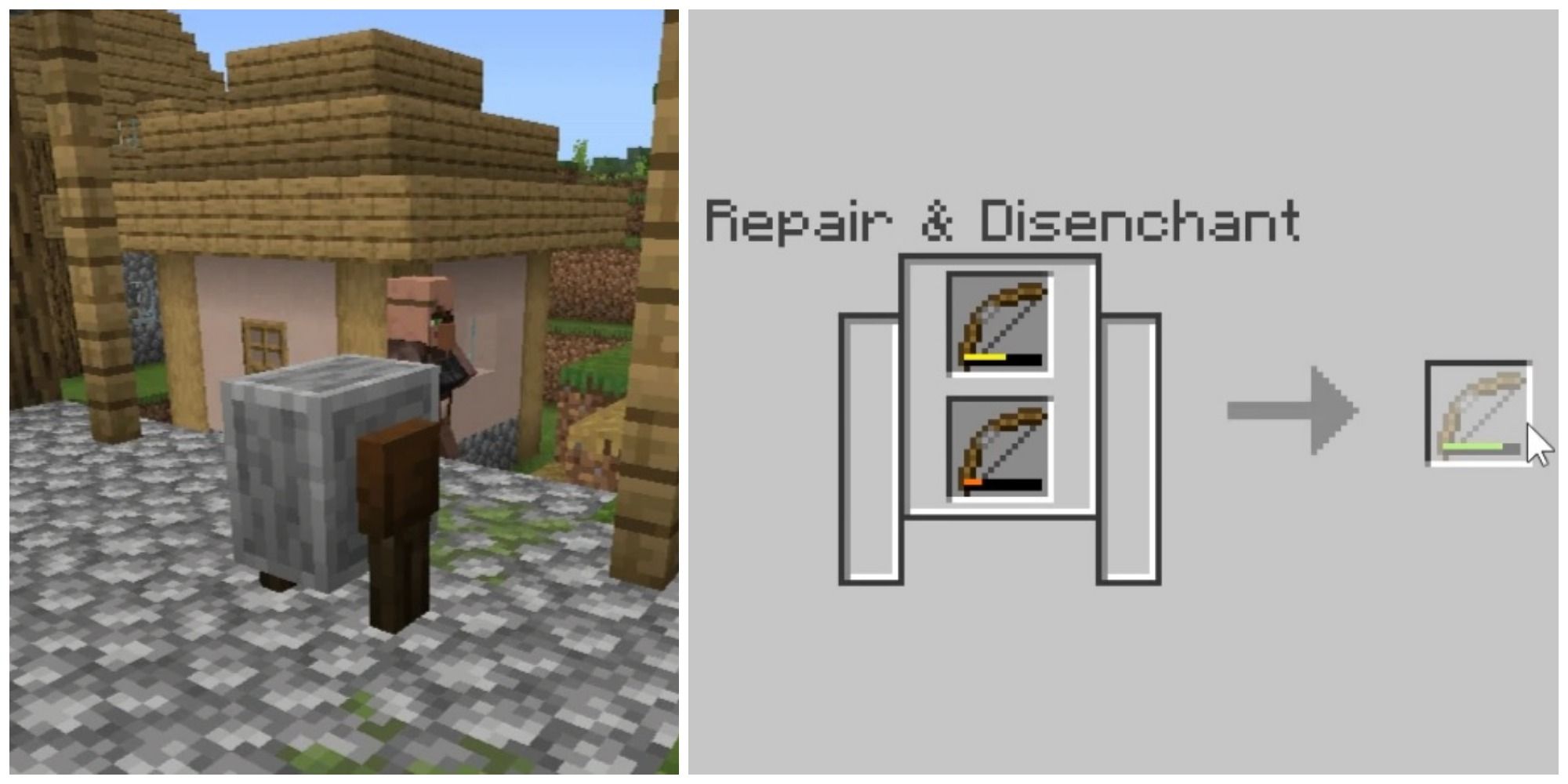
The grindstone, at its essence, is a utility block primarily designed to interact with items possessing enchantments or durability damage. Its interface is deceptively simple: two input slots at the top and one output slot at the bottom. This straightforward design belies its powerful capabilities, allowing players to manipulate items in ways that complement the enchanting and smithing systems.
What is a Grindstone?
Functionally, a grindstone serves two primary purposes: removing enchantments from items and repairing damaged tools, weapons, or armor. Unlike an enchanting table which imbues items with magical properties, or an anvil which repairs and combines items while preserving enchantments, the grindstone specializes in the reversal of these processes or a simpler, albeit costlier (in terms of enchantments), form of repair. It is a vital block for players looking to refine their gear, reclaim resources, or gain a tactical edge through efficient item management.
How to Craft and Place It
Crafting a grindstone is relatively inexpensive, making it accessible even in the early stages of a survival world. The recipe requires two sticks, two planks of any wood type, and one stone slab. The planks are placed on the outer sides of the top row, the sticks directly below them in the middle row, and the stone slab in the center of the middle row. This accessible recipe ensures that players can quickly integrate a grindstone into their base, workshop, or even a temporary outpost. Once crafted, it can be placed like any other block, typically within arm’s reach of other utility stations such as crafting tables, anvils, and enchanting tables, forming a cohesive workstation for item manipulation. Its compact size and ease of placement allow for flexible integration into various base designs, from minimalist setups to elaborate architectural marvels.
Primary Function A: Stripping Away Enchantments
One of the grindstone’s most frequently utilized functions is its ability to remove enchantments from eligible items. This mechanism is invaluable for players who find themselves with sub-optimal enchantments, cursed items, or those simply seeking to reclaim some of the experience invested in an item.
The Art of Disenchantment
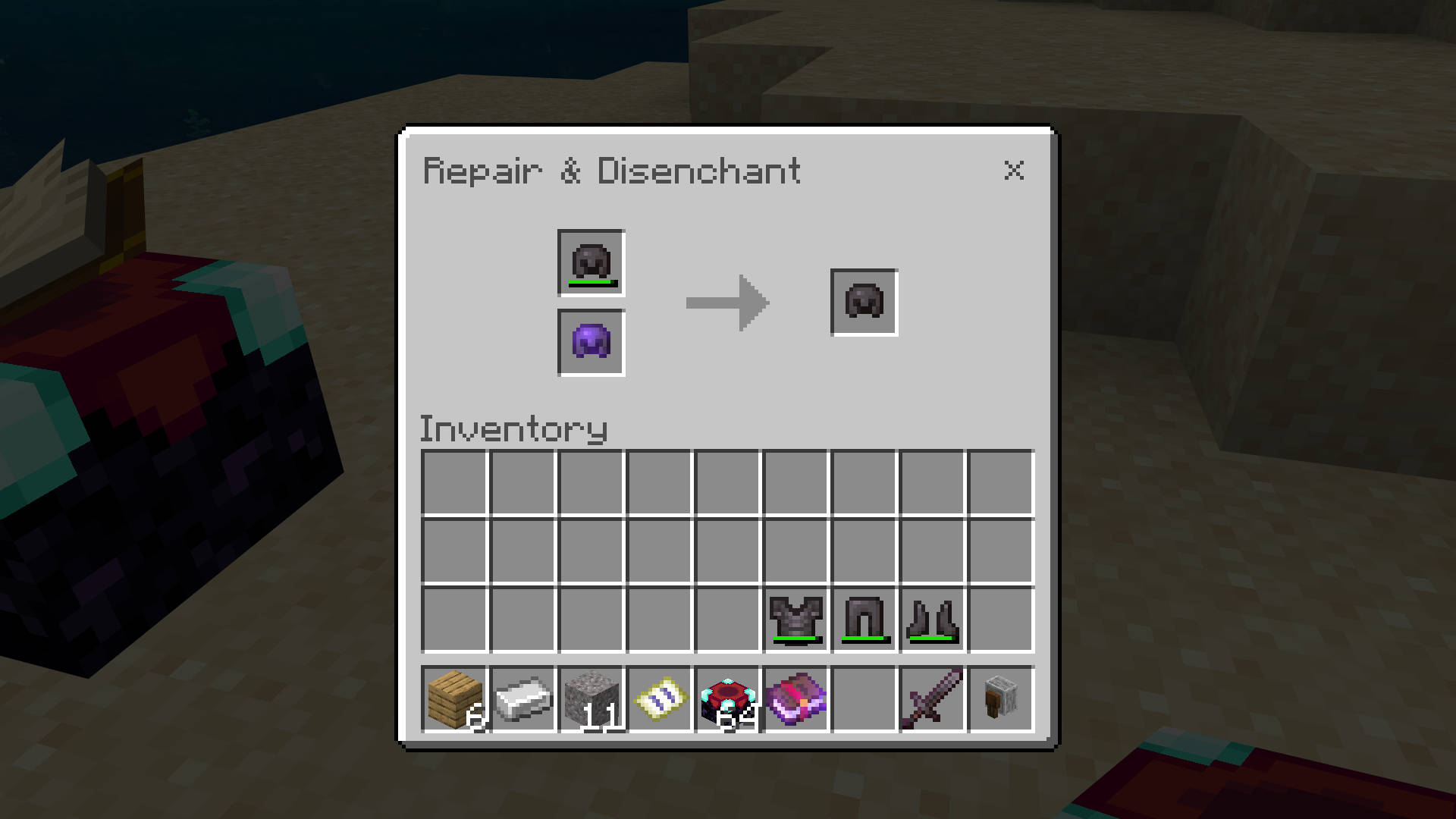
Placing an enchanted item into either of the grindstone’s input slots will, upon removal from the output slot, yield a completely unenchanted version of that item. This process is irreversible for the enchantments themselves; once stripped, they are gone forever. The primary application of this function is purification: removing undesirable enchantments that might have been applied by mistake, or more commonly, stripping curses like Curse of Vanishing or Curse of Binding that render items difficult or impossible to manage. It’s a clean slate operation, allowing players to re-evaluate and re-enchant items with a more suitable set of magical properties.
Gaining Experience from Unwanted Spells
A crucial side-effect of disenchanting items with the grindstone is the partial recovery of experience points. When an enchanted item is placed in the grindstone and processed, the player receives a portion of the XP that was originally spent to enchant the item, or a fraction of the theoretical XP value if the item was found enchanted (e.g., from mob drops, chests, or fishing). This feature makes the grindstone an effective tool for passive XP generation, especially in scenarios where players frequently obtain enchanted gear they don’t need or want. For instance, an abundant supply of enchanted fishing rods or bows from skeleton farms can be efficiently converted into valuable experience points, fueling further enchanting endeavors or repairs on an anvil. The amount of XP returned is not a full refund, typically ranging from 5% to 12% of the original XP cost, but it can accumulate significantly over time, providing a consistent trickle of valuable experience.
Items that Can and Cannot Be Unenchanted
The grindstone is quite versatile in what it can disenchant. Most tools, weapons, and armor made from standard materials (wood, stone, iron, gold, diamond, netherite) can be placed in its slots to remove enchantments. This includes swords, pickaxes, shovels, axes, hoes, helmets, chestplates, leggings, and boots. However, there are notable exceptions:
- Enchanted Books: These cannot be placed in a grindstone. Their enchantments are inherent to the book itself and are transferred via an anvil, not removed.
- Cursed Items (without other enchantments): While the grindstone removes curses alongside other enchantments, an item that only has a curse (e.g., a leather tunic with only Curse of Binding) will not yield any XP upon being ground down. The XP recovery is tied to beneficial enchantments.
- Uncraftable Items (like the Trident or Elytra): These specialized items cannot be unenchanted in a grindstone, although they can be repaired. Their enchantment mechanics are often unique and managed through an anvil or through finding new enchanted versions.
Understanding these limitations is key to maximizing the grindstone’s utility and avoiding wasted effort.
Primary Function B: Efficient Item Repair
Beyond disenchantment, the grindstone offers a distinct method for repairing damaged items, particularly useful for managing inventory and resources without incurring the high XP costs often associated with an anvil.
Grindstone vs. Anvil: A Repairman’s Dilemma
When repairing items, players typically have two main options: an anvil or a grindstone. The choice between them hinges entirely on whether the item has enchantments that you wish to preserve.
- Anvil: The anvil is the go-to for repairing items while preserving their enchantments. It allows combining two identical damaged items or repairing an item using its base material (e.g., diamonds for a diamond pickaxe). However, anvil repairs cost experience points, and critically, this cost increases with each subsequent repair, eventually becoming “too expensive” for heavily used items.
- Grindstone: The grindstone, conversely, repairs items by removing all enchantments. It combines two damaged, identical items into a single, more durable item. The significant advantage here is that grindstone repairs cost absolutely no experience points. This makes it an incredibly efficient way to prolong the life of non-enchanted gear, or gear whose enchantments you deem expendable.
This distinction is crucial for strategic gameplay. If an item has valuable enchantments like Mending or Unbreaking III, an anvil is the only viable option. But for standard tools, weapons, or armor that might have lost their enchantments, or perhaps were never enchanted to begin with, the grindstone offers a cost-effective alternative.
Combining Worn Gear
To repair an item using the grindstone, simply place two damaged items of the same type into the input slots. For example, two damaged iron swords or two damaged diamond pickaxes. The grindstone will combine their remaining durability, plus a small bonus (5% of the new item’s maximum durability), into a single, repaired item in the output slot. All enchantments on both input items will be stripped in the process. The resulting item’s durability will be the sum of the two input items’ durability, capped at the maximum durability for that item type, plus the bonus. This method is incredibly resource-efficient, as it transforms two partially used items into one fully or near-fully repaired item, effectively consolidating inventory slots and extending tool lifespan.
Strategic Repair for Resource Management
The grindstone plays a critical role in early-game resource management and in specific mid-to-late game scenarios. In the early game, before robust enchanting setups are established, players might frequently craft and use basic tools. Having two half-broken stone pickaxes can be combined into one mostly repaired stone pickaxe without spending any precious XP, which might be needed for enchanting or basic anvil repairs later. In the mid-game, if you have a surplus of unenchanted but damaged tools (perhaps from mob drops or inefficient mining expeditions), the grindstone provides a zero-cost method to consolidate and reuse them. This allows players to save their precious XP for mending highly enchanted gear or combining enchanted books, ensuring a more sustainable and efficient progression through the game.
Advanced Strategies and Considerations for Optimal Use
Beyond its basic functions, the grindstone can be integrated into more advanced strategies that leverage its unique properties for greater overall efficiency.
XP Generation Techniques
While not its primary function, the grindstone’s ability to return XP from disenchanted items can be strategically exploited. Players often set up automated or semi-automated farms (e.g., fishing farms, guardian farms, or enderman farms) that yield large quantities of enchanted items. By routing these unwanted enchanted items through a grindstone setup, players can convert them into a steady stream of experience points. For instance, a basic AFK fishing farm can generate dozens of enchanted fishing rods and bows. Processing these through a grindstone provides a substantial amount of XP over time, which can then be used to repair Mending-enchanted gear, enchant new items, or apply enchanted books at an anvil. This method is often preferred over direct mob grinding for its passive nature and reduced risk.
Integrating the Grindstone into Your Workflow
Effective use of the grindstone involves more than just knowing what it does; it’s about integrating it seamlessly into your base and daily Minecraft routine. Placing it alongside your crafting table, chest storage, and an anvil creates a cohesive workstation where item management decisions can be made quickly.
- Sorting Chests: Designate a chest for “Grindstone Candidates” – items that are damaged and unenchanted, or enchanted but unwanted. Periodically process this chest’s contents.
- Post-Raid Management: After exploring a dungeon, fighting a boss, or returning from a long mining trip, you’ll likely have damaged or unwanted enchanted items. The grindstone should be part of your inventory decluttering and repair routine.
- Resource Conservation: Encourage combining two similar damaged items rather than discarding them or crafting new ones, especially for common materials like stone or iron, where XP conservation is more valuable than crafting new items.

Common Pitfalls and Best Practices
To maximize the grindstone’s utility, be aware of common mistakes:
- Accidentally Grinding Valuables: Always double-check items before placing them in the grindstone, especially if they have highly valuable enchantments. Once an enchantment is gone, it’s gone.
- Misunderstanding XP Return: Remember that XP return is partial and not guaranteed for cursed-only items. Don’t expect a full refund.
- Overlooking the Repair Bonus: The 5% durability bonus can be significant, especially on items with high maximum durability. Factor this into your repair strategy.
- Not Combining Like with Like: The grindstone only combines two identical items for repair. A diamond pickaxe cannot be repaired with an iron pickaxe, nor can a helmet be repaired with a chestplate.
By understanding these nuances, players can truly master the grindstone, transforming it from a simple utility block into a cornerstone of efficient item management, resource conservation, and sustained progression within their Minecraft world. It’s a testament to the game’s depth that even seemingly minor blocks hold such strategic significance, rewarding those who delve into their full potential.
aViewFromTheCave is a participant in the Amazon Services LLC Associates Program, an affiliate advertising program designed to provide a means for sites to earn advertising fees by advertising and linking to Amazon.com. Amazon, the Amazon logo, AmazonSupply, and the AmazonSupply logo are trademarks of Amazon.com, Inc. or its affiliates. As an Amazon Associate we earn affiliate commissions from qualifying purchases.