
Embarking on a backpacking trip promises adventure, self-discovery, and unparalleled connection with nature. Yet, beneath the romanticized images of scenic vistas lies a crucial financial undertaking: assembling your gear. A well-planned packing list isn’t just about comfort and safety; it’s a strategic financial investment that can significantly impact your overall trip budget, both upfront and long-term. Approaching your gear choices with a keen financial eye can save you hundreds, if not thousands, of dollars, preventing unnecessary expenses and ensuring your adventure remains economically sustainable.
Budgeting for Your Backpacking Gear Investment
The initial outlay for backpacking gear can be substantial, often daunting for first-timers. However, viewing these purchases as investments rather than mere expenses shifts the perspective. Quality gear, chosen wisely, offers durability, reliability, and can even save you money in the long run through efficiency and longevity. The key is to establish a clear budget and adhere to it, making informed decisions that balance cost with critical performance needs.
Prioritizing Essentials vs. Luxuries
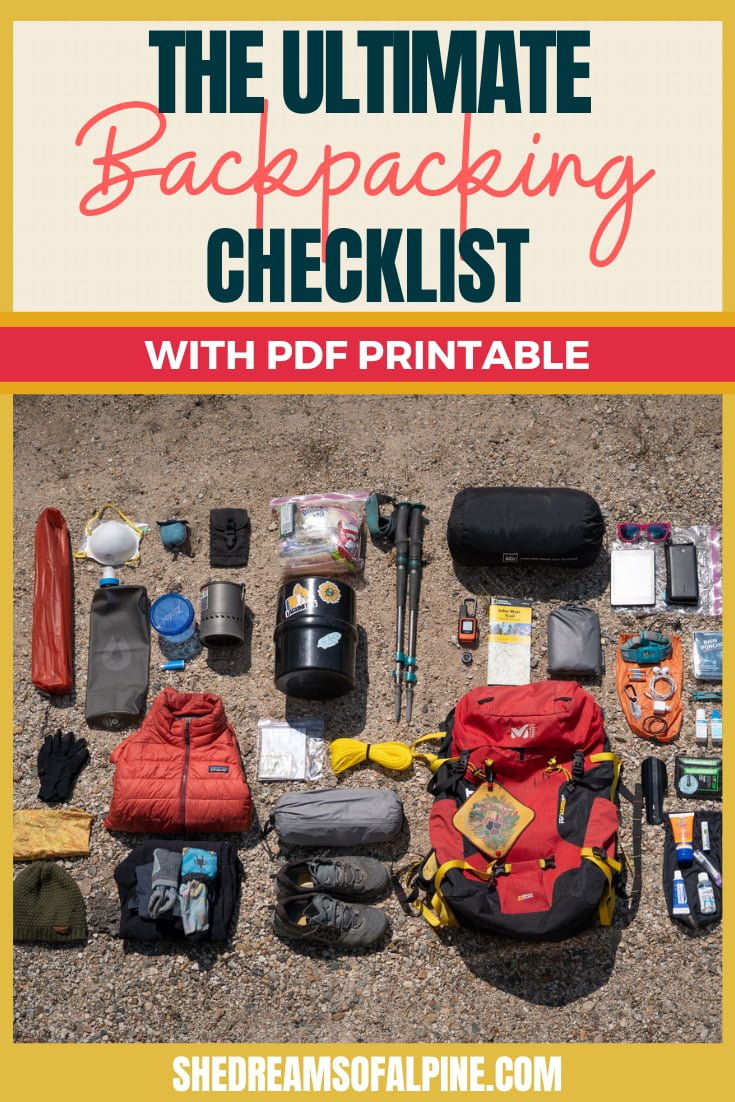
The first step in any gear budget is differentiation. What items are absolutely essential for safety and basic comfort, and what falls into the “nice-to-have” category? For a backpacking trip, essentials typically include a backpack, shelter (tent/hammock), sleeping system (bag/pad), cooking system, navigation tools, appropriate clothing layers, and a first-aid kit. These are non-negotiable and warrant the primary allocation of your budget.
Luxuries, on the other hand, might include specialized camera equipment, an elaborate camp chair, a portable coffee maker, or excessive comfort items. While these can enhance the experience, they often come with significant weight and cost penalties. A critical financial analysis involves asking: “Does this item provide a tangible return on investment in terms of safety, efficiency, or indispensable comfort, or is it merely an indulgence?” Often, simplifying your needs can drastically reduce your initial expenditure and pack weight, leading to a more enjoyable—and affordable—trip. Allocate a smaller, fixed portion of your budget (if any) to these non-essentials after all core needs are met.
The Cost-Benefit Analysis of Durability
One of the most common financial pitfalls for new backpackers is succumbing to the allure of cheap gear. While budget-friendly options exist, exceptionally low prices often correlate with lower quality materials and craftsmanship. This can lead to gear failure on the trail, necessitating costly replacements or, worse, compromising safety. A sleeping bag that loses its loft, a tent that leaks, or boots that fall apart after a few miles aren’t just inconveniences; they represent wasted money and potential trip disruption.
Instead, conduct a thorough cost-benefit analysis focusing on durability and longevity. A higher upfront cost for a well-regarded, durable item from a reputable brand can prove significantly cheaper over several years and multiple trips compared to repeatedly replacing cheaper alternatives. Research consumer reviews, look for extended warranties, and consider the lifespan of materials. For instance, a lightweight, durable tent made from high-denier nylon might cost more initially than a heavier, less robust polyester option, but it will likely withstand more abuse and last longer, spreading its cost over many adventures. This financial perspective emphasizes value over mere price tag.
Smart Sourcing: Maximizing Value, Minimizing Outlay
Once your budget is set and priorities defined, the next financial frontier is how and where you acquire your gear. Strategic sourcing can unlock significant savings without compromising quality or safety.
Second-Hand Savings and Rental Opportunities
The used gear market is a goldmine for financially savvy backpackers. Websites like eBay, Facebook Marketplace, specialized outdoor gear forums, and local consignment shops often feature high-quality, gently used equipment at a fraction of the retail price. Backpacks, sleeping pads, trekking poles, and even tents can be found in excellent condition. Always inspect items thoroughly for wear and tear, and sanitize where appropriate, but this approach can yield substantial savings, particularly on big-ticket items.
For items you’ll use infrequently or want to test before committing to a purchase, consider renting. Many outdoor retailers offer rental services for tents, sleeping bags, backpacks, and even more specialized equipment like bear canisters or snowshoes. This is an excellent financial strategy for a first-time trip, allowing you to experience different gear types without the full investment. It also reduces the financial burden of ownership and storage for gear that might only see use once a year.
Strategic Sales and Discount Hunting
Patience is a virtue in financially responsible gear acquisition. Retailers frequently hold sales, especially during off-seasons, holidays, or end-of-season clearances. Signing up for email newsletters from your favorite outdoor brands and retailers can alert you to these opportunities. Black Friday, Cyber Monday, and specific “gear sale” events can offer discounts of 20-50% or more.
Additionally, explore outlet stores, previous year’s models, or “factory second” items. Often, a previous year’s tent model offers nearly identical performance to the current one but at a significantly reduced price. Factory seconds might have minor cosmetic blemishes that don’t affect performance but drastically cut the cost. Utilizing these channels requires a proactive approach but rewards meticulous shoppers with substantial financial benefits.
DIY and Multi-Purpose Gear Hacks
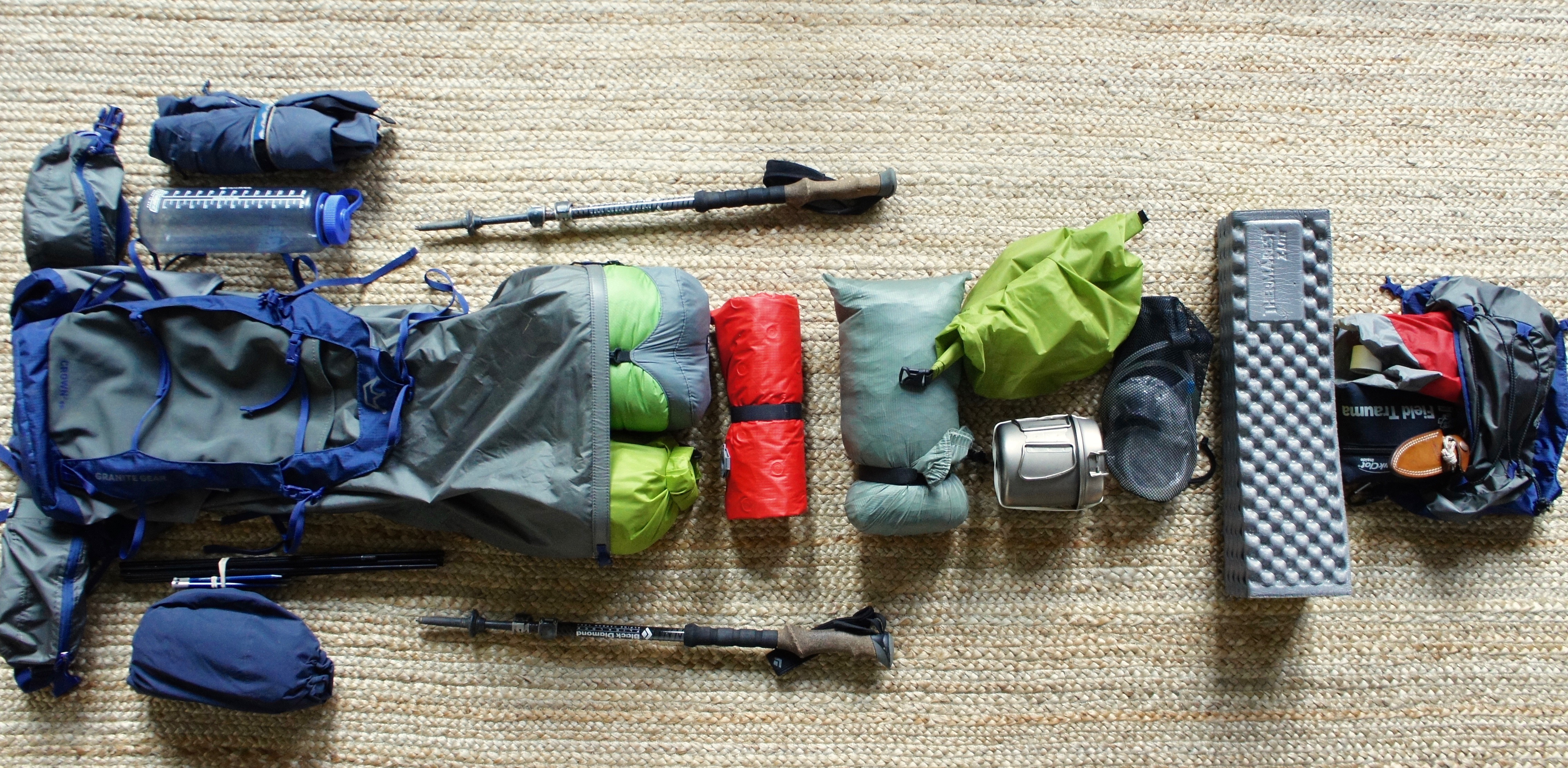
Creativity can be a powerful financial tool on the trail. Many items can serve multiple purposes, reducing the need for specialized, costly gear. For example, a sturdy garbage bag can double as a pack liner and an emergency poncho. A bandana can be a pot holder, head covering, or rudimentary bandage. A trekking pole can support a tarp shelter.
For the more adventurous, some gear can be made or modified at a fraction of the cost of store-bought equivalents. Simple alcohol stoves, lightweight stuff sacks, or even certain clothing items can be DIY projects, saving money and offering a personalized touch. While this isn’t for everyone, exploring DIY options for non-critical gear can significantly trim your budget.
Long-Term Financial Wisdom in Packing Choices
The financial implications of your packing choices extend far beyond the initial purchase. Thoughtful decisions can lead to sustained savings throughout your trip and over the lifespan of your backpacking endeavors.
The Hidden Costs of Poor Gear Decisions
Beyond the direct cost of replacing broken gear, poor choices can incur hidden financial penalties. Overpacking, for instance, leads to a heavier pack, which can increase the risk of injury, potentially requiring medical attention or forcing you to abandon your trip prematurely—a complete loss of your investment. Heavy packs can also slow you down, requiring more food or extending the trip, thereby increasing overall expenses.
Conversely, under-packing crucial items, especially safety gear, can put you in precarious situations. Hypothermia due to insufficient layers, getting lost without reliable navigation, or injuries that can’t be treated due to a sparse first-aid kit can lead to emergency rescue costs, hospital bills, or a ruined trip. The financial wisdom lies in finding the optimal balance, ensuring you have what you need without excess.
Packing Light to Save on Travel Expenses
The adage “ounces equal pounds, and pounds equal pain” applies equally to your wallet. When traveling to your trailhead, especially by air, a heavy or oversized pack can incur significant baggage fees. Most airlines have strict weight limits for checked bags and often charge extra for bags over a certain threshold or for additional pieces. By strategically choosing lightweight gear and practicing minimalist packing, you can often fit everything into a carry-on or avoid exorbitant overweight fees for checked luggage. This financial saving alone can justify investing in lighter-weight, albeit sometimes more expensive, gear. Furthermore, a lighter pack means less strain on your body, potentially reducing the need for recovery products or physical therapy post-trip.
Insurance and Emergency Funds for Peace of Mind
While not strictly “packing,” preparing for the unexpected is a critical financial aspect of any backpacking trip. Travel insurance, particularly policies that cover outdoor activities and potential evacuation, can be a prudent investment. This small upfront cost can protect you from catastrophic financial losses should an injury, illness, or unforeseen event force you to cancel or cut short your trip.
Additionally, carrying a small, accessible emergency fund—both physical cash for remote areas and digital access to funds—is vital. This isn’t for gear purchases, but for unexpected expenses like emergency transportation, resupply in an unplanned town, or minor repairs. Thinking ahead about these financial contingencies ensures that an unforeseen incident doesn’t completely derail your budget or, worse, your safety.
Beyond Gear: On-Trail Spending Strategies
Your financial prudence shouldn’t end with your gear purchases. On-trail spending habits can significantly impact your overall budget.
Food and Resupply Budgeting
Food is a major ongoing expense for backpackers. Planning your meals and resupply points meticulously can lead to substantial savings. Dehydrated meals purchased in bulk or prepared at home are often far more cost-effective than buying pre-packaged backpacking meals individually. Researching grocery stores in trail towns for resupply stops versus relying on convenience stores, which often have higher prices, can also impact your budget. Consider shipping resupply boxes to post offices along your route; while there’s an upfront shipping cost, it allows you to buy food in bulk and avoid expensive last-minute purchases in remote towns.
Permitting, Fees, and Transportation Costs
Many popular backpacking routes require permits, which can range from a few dollars to significant sums for long-distance trails. Factor these into your initial budget. Similarly, shuttle services to and from trailheads, public transportation, or fuel for personal vehicles represent recurring costs. Researching these expenses beforehand and looking for shared ride opportunities or public transport options can lead to significant savings. Some trails offer discounted rates for through-hikers or volunteers, which can be explored as financial incentives. Understanding the full spectrum of financial commitments, from gear to on-trail expenses, ensures a financially sound and enjoyable backpacking adventure.
aViewFromTheCave is a participant in the Amazon Services LLC Associates Program, an affiliate advertising program designed to provide a means for sites to earn advertising fees by advertising and linking to Amazon.com. Amazon, the Amazon logo, AmazonSupply, and the AmazonSupply logo are trademarks of Amazon.com, Inc. or its affiliates. As an Amazon Associate we earn affiliate commissions from qualifying purchases.