
The Strategic Fusion of Iconic Brands: Deadpool and Wolverine
The impending cinematic convergence of Deadpool and Wolverine represents more than just a superhero film; it’s a profound case study in intellectual property (IP) management, brand synergy, and audience engagement within the entertainment industry. Understanding the individual brand identities of these characters, and the strategic implications of their crossover, is crucial for appreciating the depth of this marketing and franchise maneuver.
Deciphering the Individual Brand Identities
Each character brings a distinct, highly cultivated brand identity to the table, forged over decades in comics and prior cinematic adaptations.

Deadpool: The Meta, Mismatched Anti-Hero Brand
Deadpool’s brand identity is uniquely defined by its self-awareness, irreverence, and breaking of the fourth wall. As a brand, Deadpool thrives on meta-commentary, satirical humor, and a chaotic unpredictability that defies traditional superhero tropes. His red and black costume is instantly recognizable, but it’s his distinctive personality—a blend of wisecracking wit, explicit language, and a penchant for violence—that constitutes his core brand differentiator. This “merc with a mouth” brand appeals to a segment of the audience that values subversion, humor, and a certain anti-establishment ethos, making him a cult favorite whose brand equity is built on defying expectations and maintaining a rogue, independent spirit, even within a corporate studio structure. His success demonstrated that an R-rated superhero film could not only be profitable but could also cultivate a fiercely loyal brand community.
Wolverine: The Stoic, Enduring Icon
Wolverine, conversely, embodies a brand built on grit, resilience, and a tragic past. His brand identity is characterized by his adamantium claws, regenerative healing factor, and a perpetually gruff demeanor. He represents the archetypal anti-hero with a strong moral compass, often operating outside conventional authority but always driven by a sense of justice or loyalty. Wolverine’s brand equity is deeply rooted in his longevity and consistent portrayal across various media, signifying endurance and raw power. He is a cornerstone of the X-Men brand, and his solo ventures have consistently explored themes of identity, struggle, and survival. His brand appeals to audiences who appreciate depth, character development, and a hero who, despite his formidable abilities, is frequently tormented by his own nature and past. His iconic status is a testament to the power of a well-defined character arc and consistent brand messaging over time.
The Rationale Behind a Crossover: Brand Synergy and Expansion
The decision to merge these two powerful brands is a strategic move aimed at maximizing market penetration and reinforcing brand loyalty across existing fan bases.
Leveraging Cross-Pollination for Market Share
Bringing Deadpool and Wolverine together is a masterclass in brand cross-pollination. Each character possesses a distinct yet overlapping fan demographic. Deadpool appeals to those seeking edgy, self-referential humor, while Wolverine draws in audiences looking for a more traditional, albeit darker, heroic narrative. By combining them, the studio aims to capture both segments, leveraging the existing brand loyalty of each to boost overall viewership and engagement for the joint venture. This strategy minimizes risk by building upon established successes rather than introducing entirely new IP, and it amplifies the marketing potential through the inherent excitement of a first-time cinematic pairing of these specific iterations of the characters. The buzz generated by such a crossover event is a form of earned media that is invaluable for brand visibility.
Navigating Established Lore and Brand Canon
A critical challenge in this brand synergy is the careful navigation of established lore and brand canon, particularly given the multi-universe context of modern superhero narratives. Both characters have intricate histories, timelines, and relationships across various comic book and film iterations. The strategic choice to embrace the multiverse concept allows the studio to acknowledge past portrayals (especially Hugh Jackman’s iconic Wolverine) while simultaneously introducing new dynamics without being strictly beholden to previous narrative constraints. This approach protects the integrity of existing brand narratives while providing flexibility for new storytelling, demonstrating a sophisticated understanding of how to evolve a brand without alienating its core audience. It’s about respecting brand heritage while innovatively expanding its future.
Marketing the Multiverse: Crafting Anticipation for a Brand Event
The marketing campaign for “Deadpool and Wolverine” is a meticulously crafted strategy designed to amplify anticipation and reinforce the distinct brand values of both characters, while highlighting the novelty of their union. It’s a prime example of how studios position a major cinematic event in a crowded entertainment landscape.
Targeted Messaging and Audience Segmentation
Effective marketing requires understanding who the audience is and tailoring messages to resonate with specific segments.
Appealing to the Die-Hard Fanbase
For the core fanbase, the marketing strategy emphasizes authenticity to the source material and acknowledgments of the characters’ cinematic histories. This includes references to previous films, in-jokes, and fan-service elements that signal respect for established lore and character branding. Trailers, promotional materials, and social media campaigns often feature Easter eggs, meta-commentary, and direct addresses to the long-time followers, reinforcing a sense of exclusivity and shared understanding. This approach fosters a deeper connection and ensures the brand’s most loyal advocates become organic promoters, spreading enthusiasm through word-of-mouth and online discussions, thereby strengthening brand loyalty and engagement.
Expanding Reach Beyond Core Demographics
While catering to the loyalists, the marketing also aims to broaden the film’s appeal to a wider audience. This involves highlighting universal themes (even within the context of a superhero film), showcasing the star power of Ryan Reynolds and Hugh Jackman, and emphasizing the spectacle and entertainment value that transcends genre specifics. Messaging often focuses on the unique dynamic between the two leads, their comedic banter, and the high-stakes action, presenting the film as an accessible, high-energy blockbuster. The R-rating itself is leveraged as a brand differentiator, signaling a mature, no-holds-barred experience that might attract viewers looking for something beyond the typical family-friendly superhero fare. This dual-pronged approach maximizes market penetration while maintaining brand integrity.
Leveraging Nostalgia and Novelty in Brand Campaigns
The success of “Deadpool and Wolverine” hinges on its ability to expertly balance homage to the past with the excitement of something new.
The Power of Cameos and Easter Eggs as Marketing Tools
The strategic use of cameos and Easter eggs in trailers and promotional materials is a powerful marketing technique. These elements serve as tantalizing hints for fans, generating speculation and discussion across social media platforms, effectively creating a self-sustaining marketing ecosystem. For “Deadpool and Wolverine,” the potential for appearances from other characters from the Fox Marvel universe, or even deeper cuts from comic lore, acts as a significant draw. These are not merely fan service; they are calculated brand extensions that link the film to a broader, recognized universe, reinforcing its significance within the larger entertainment brand portfolio. Each revealed cameo or reference becomes a mini-event, reigniting interest and fostering a communal sense of discovery among the audience.
Highlighting the Unique Selling Proposition (USP) of the Crossover
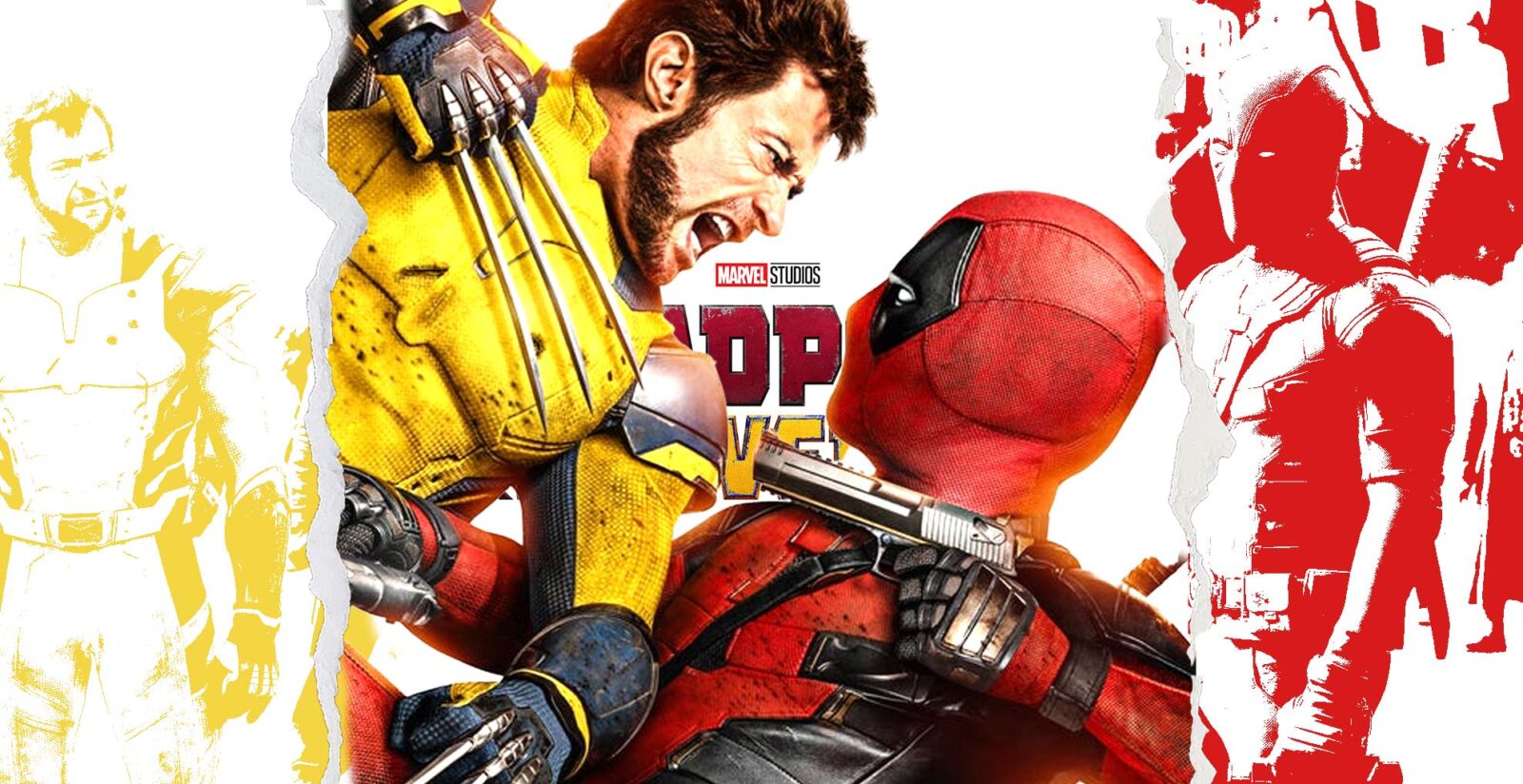
The core USP of “Deadpool and Wolverine” is the unprecedented R-rated team-up of these specific iterations. Marketing emphasizes this uniqueness: the raw, unfiltered dynamic between two beloved characters who have never truly shared the screen in this capacity. The promotional material often contrasts Deadpool’s fourth-wall-breaking antics with Wolverine’s more serious, gritty persona, showcasing the comedic and dramatic potential of their clash and collaboration. This distinct brand offering differentiates the film from other superhero movies, appealing to viewers seeking a fresh, bold narrative experience that pushes the boundaries of the genre, all while relying on the established brand recognition of its protagonists.
Brand Evolution and Audience Expectation Management
Bringing two such distinct and powerful brands together for a major cinematic release necessitates careful management of audience expectations and a strategic approach to brand evolution. The studio must navigate the fine line between maintaining brand consistency and introducing innovative new dynamics.
The Delicate Balance of Brand Consistency and Reinvention
Successful long-term brand management in entertainment relies on a brand’s ability to remain familiar while also adapting to new contexts and audience desires.
Maintaining Core Character Traits While Introducing New Dynamics
A critical aspect of the film’s brand strategy is ensuring that while Deadpool and Wolverine engage in new adventures and interact in fresh ways, their fundamental brand identities remain intact. Deadpool must still be the meta, irreverent anti-hero, and Wolverine must retain his stoic, gruff, and honorable (if violent) core. The challenge lies in introducing new dynamics—the humor of their clash, the stakes of their shared mission—without diluting what makes each character’s brand compelling. This involves careful scriptwriting and directorial choices that respect established character traits while allowing for growth and unexpected interplay, ultimately enriching, rather than contradicting, their long-standing brands. It’s about evolving the brand without losing its essence.
Addressing Fan Concerns and Speculation
Given the passionate fanbases, the studio must actively manage expectations and address speculation, which often spreads rapidly across social media. This includes transparent communication regarding the film’s R-rating, its place within the broader Marvel cinematic multiverse, and the creative approach to blending different narrative tones. Proactive engagement through interviews with talent, behind-the-scenes content, and strategic leaks of information can help to shape narratives, calm fears about character portrayal, and build excitement. This demonstrates a brand’s responsiveness to its consumers, reinforcing trust and loyalty by showing that fan opinions are valued and considered in the brand’s ongoing development.
The R-Rated Brand: Differentiating in a PG-13 Landscape
The R-rating is not just a classification; it’s a significant brand differentiator for “Deadpool and Wolverine” in a genre largely dominated by PG-13 offerings.
Utilizing Maturity Ratings as a Brand Marker
For “Deadpool and Wolverine,” the R-rating is a deliberate branding choice that signals a particular type of experience: one that is unapologetically adult, violent, and explicit. This immediately distinguishes the film from the vast majority of superhero films, positioning it as a more edgy, mature alternative. This branding appeals to audiences seeking content that pushes boundaries and doesn’t shy away from realism or harsh humor, offering a distinct value proposition. It communicates that the film will honor the characters’ comic book roots, particularly Deadpool’s foul-mouthed antics, and Wolverine’s brutal combat style, thereby fulfilling a promise to a specific segment of the fanbase.
The Impact on Merchandise and Ancillary Brand Extensions
While an R-rating might traditionally limit the scope of family-friendly merchandise, for brands like Deadpool and Wolverine, it creates opportunities for different types of ancillary brand extensions. This could include collector-focused items, apparel targeting adult fans, and other products that align with the film’s mature tone. The brand’s identity allows for a diverse range of merchandise that isn’t dependent on appealing to young children, focusing instead on capturing the aesthetic and humor of the R-rated experience. This broadens the overall brand ecosystem and demonstrates a strategic understanding of how to monetize a mature brand effectively across various consumer touchpoints.
The Long-Term Brand Impact: Shaping Future Franchise Strategy
The release of “Deadpool and Wolverine” is more than just a single film event; it’s a pivotal moment that will likely establish new benchmarks for intellectual property integration and franchise management within the entertainment industry. Its success or failure will reverberate through future strategic decisions for major studios.
Setting Precedents for Intellectual Property Integration
The film serves as a critical test case for how previously disparate cinematic universes and intellectual properties can be successfully merged and managed under a single corporate umbrella.
The Blueprint for Future Crossovers and Revivals
The integration of Deadpool and Wolverine into what is now largely the Disney-owned Marvel Cinematic Universe (MCU) provides a potential blueprint for future crossovers, revivals, and character reintegrations. The film’s approach to the multiverse, and its handling of characters from the former Fox Marvel properties, will offer valuable insights into how other fan-favorite characters can be introduced or re-contextualized. If successful, it could pave the way for numerous other characters to make their way into the mainstream MCU, demonstrating a scalable model for managing vast and complex IP portfolios. This establishes a precedent for how to honor the legacy of beloved characters while strategically repositioning them for new narrative opportunities.
Managing Multi-Studio Brand Assets
The complexities of “Deadpool and Wolverine” highlight the intricate challenges of managing brand assets acquired through corporate mergers. It involves not just creative storytelling, but legal, marketing, and strategic considerations for aligning previously independent brand identities. The film’s strategy showcases how to consolidate and harmonize diverse brand histories under a singular overarching brand strategy, leveraging existing fan loyalty while expanding the narrative possibilities. This is a masterclass in corporate brand integration, illustrating how studios can strategically leverage newly acquired IP to strengthen their market position and narrative cohesion.
Reinforcing and Redefining the Fox-Marvel Legacy
This film is instrumental in shaping the perception and future of the characters originating from the Fox Marvel films, solidifying their place within the broader entertainment landscape.
Solidifying Character Longevity and Brand Value
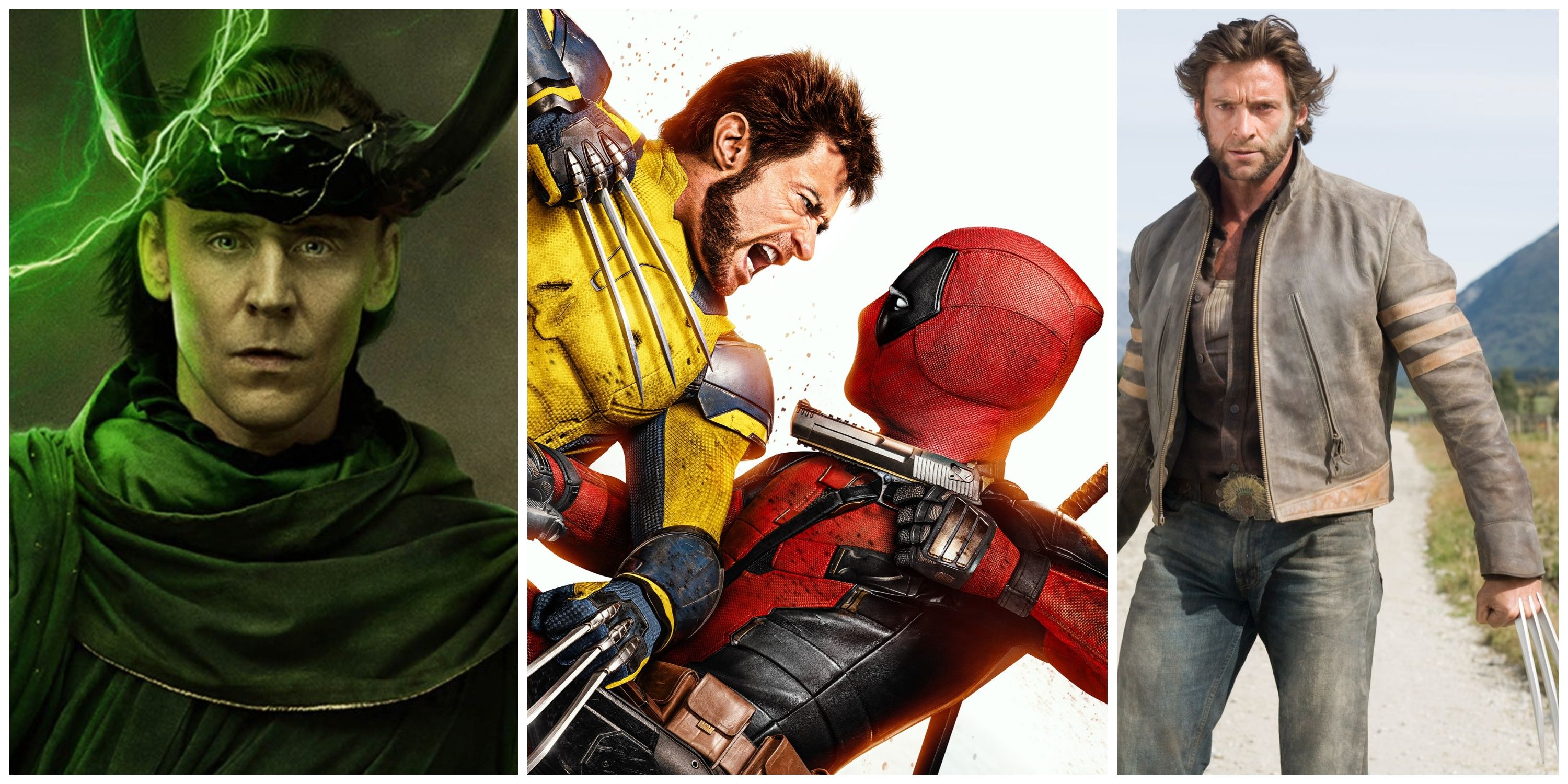
By bringing back Hugh Jackman as Wolverine and continuing Ryan Reynolds’ Deadpool, the film reinforces the enduring appeal and brand value of these specific character portrayals. It demonstrates that well-established characters with strong brand identities can transcend studio ownership and maintain, or even enhance, their relevance. This act solidifies their longevity, proving that certain character brands possess an intrinsic value that can be continually leveraged and re-energized through thoughtful creative and strategic decisions, ensuring their place as valuable assets in the IP portfolio for decades to come.
Potential for New Character Introductions and Spin-offs
Beyond the immediate film, “Deadpool and Wolverine” carries the potential to introduce new characters or lay the groundwork for future spin-offs and expanded narratives within the integrated universe. The multiverse concept allows for a vast array of possibilities, from introducing new variants of existing characters to bringing in entirely new teams or individuals. This film could act as a fertile ground for cultivating new brand assets from existing IP, strategically expanding the cinematic universe and ensuring a continuous pipeline of engaging content and brand extensions for the foreseeable future. The strategic execution of this film could dictate the trajectory of an entire segment of the superhero genre for years to come.
aViewFromTheCave is a participant in the Amazon Services LLC Associates Program, an affiliate advertising program designed to provide a means for sites to earn advertising fees by advertising and linking to Amazon.com. Amazon, the Amazon logo, AmazonSupply, and the AmazonSupply logo are trademarks of Amazon.com, Inc. or its affiliates. As an Amazon Associate we earn affiliate commissions from qualifying purchases.