
Yarn, often seen as a simple craft supply, holds significant untapped potential, especially when viewed through the lens of personal finance and entrepreneurial ventures. For many, a yarn stash represents a collection of creative possibilities; for the financially astute, it can represent an inventory waiting to be monetized, a resource for developing a side hustle, or a key component in a sophisticated personal budgeting strategy. Understanding how to transform this humble material into a source of income, financial stability, or even a robust business asset requires a strategic approach, moving beyond mere hobbyism to embrace the principles of sound financial management and market savvy.
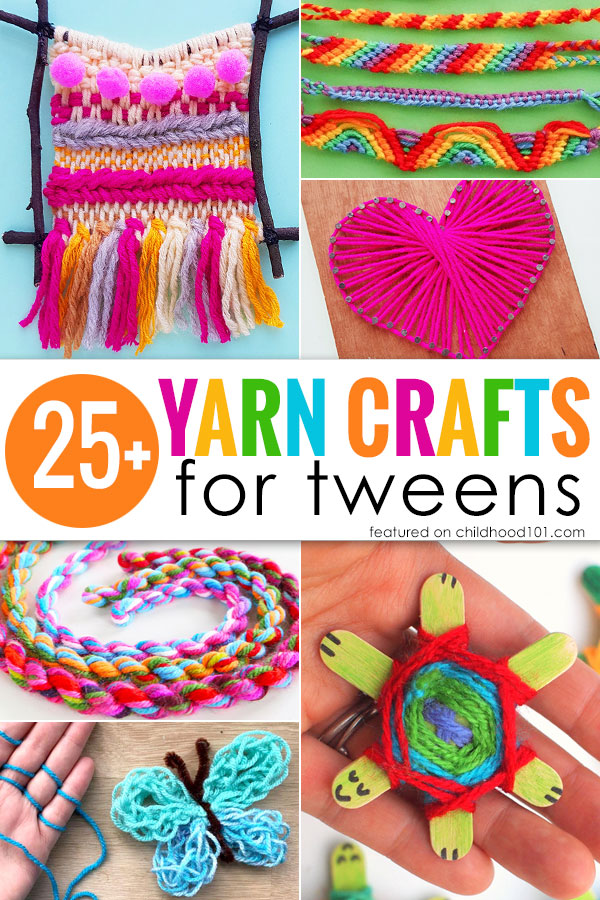
Monetizing Your Craft: Turning Stash into Cash
The most direct path to financial gain from yarn is often through the creation and sale of finished goods or the intellectual property surrounding their creation. This transforms a recreational activity into a viable income stream.
Selling Handmade Goods Online and Offline
The market for unique, handmade items is robust and continues to grow, fueled by consumer demand for authenticity, sustainability, and personalization. Leveraging your yarn skills to create sellable products is a primary strategy.
- E-commerce Platforms: Platforms like Etsy, Shopify, and even Amazon Handmade provide accessible avenues for crafters to reach a global audience. Setting up a digital storefront requires attention to high-quality product photography, compelling descriptions, and search engine optimization (SEO) to ensure visibility. Success on these platforms hinges on understanding listing fees, transaction fees, and shipping logistics to accurately price products for profit. Beyond general marketplaces, niche platforms focusing specifically on knitwear or fiber arts can also offer a targeted customer base.
- Local Markets, Craft Fairs, and Consignments: Offline channels offer direct interaction with customers and can build local brand recognition. Participating in local farmers’ markets, craft fairs, holiday bazaars, and art festivals can generate immediate sales and collect valuable customer feedback. Consignment agreements with local boutiques or galleries allow for wider distribution without the upfront commitment of a personal storefront, though a percentage of sales will be allocated to the retailer.
- Custom Commissions and Bespoke Orders: Offering custom-made items allows for premium pricing and caters to specific customer desires, reducing the risk of unsold inventory. Marketing this service involves showcasing previous custom work, establishing clear communication protocols for client preferences, and setting realistic timelines and pricing structures based on material costs, labor, and skill level.
Developing and Selling Patterns
For those with a knack for design and the ability to clearly articulate instructions, selling patterns can be a highly scalable income source with minimal ongoing material costs. This is an intellectual property play, leveraging your design expertise.
- Digital Downloads: Platforms such as Ravelry, LoveCrafts, and even personal websites enable designers to sell digital PDF patterns. This model boasts high-profit margins per sale once the initial design and pattern writing are complete. It requires meticulous attention to detail, clear instructions, photographic tutorials, and comprehensive sizing information. Marketing these patterns often involves showcasing finished projects on social media and engaging with online crafting communities.
- Publishing Through Independent Platforms: Beyond digital downloads, some designers opt for self-publishing pattern books or collections, either physically or as e-books. This demands a greater investment in editing, layout design, and marketing but can establish a stronger brand presence and reach a wider audience through various distribution channels.
- Building a Designer Brand: Consistent pattern releases, a recognizable design aesthetic, and active engagement with the crafting community contribute to building a strong designer brand. This brand can attract sponsorships, collaborations with yarn companies, and opportunities for exclusive designs, all contributing to diversified income streams within the crafting economy.
Strategic Financial Management of Your Yarn Inventory
A significant yarn stash, while a creative asset, also represents a financial investment. Treating it as such, rather than just a collection, is crucial for financial health.
Valuing Your Stash as an Asset
Understanding the financial implications of your yarn inventory moves it from a hobby expense to a tangible asset that requires management.
- Tracking Inventory Cost and Market Value: Maintain a meticulous record of yarn purchases, including fiber content, yardage, colorway, and the price paid. This allows for an accurate calculation of the cost of goods sold when creating items for profit. Furthermore, researching the current market value of specific yarns (especially discontinued or rare editions) can reveal potential appreciation or depreciation, informing decisions about whether to use, hold, or sell off parts of your stash.
- Understanding Depreciation and Appreciation in Niche Yarns: While most consumer goods depreciate, certain high-quality, artisanal, or limited-edition yarns can hold or even increase in value over time, particularly if they are from renowned dyers or rare fiber blends. Conversely, mass-produced acrylics or common wools might lose value, especially if stored improperly. Recognizing these trends helps in strategic inventory management and potential capital gains.
Decluttering and Destashing for Profit
An overabundance of yarn can tie up capital and create storage challenges. Strategic destashing can free up funds and space.
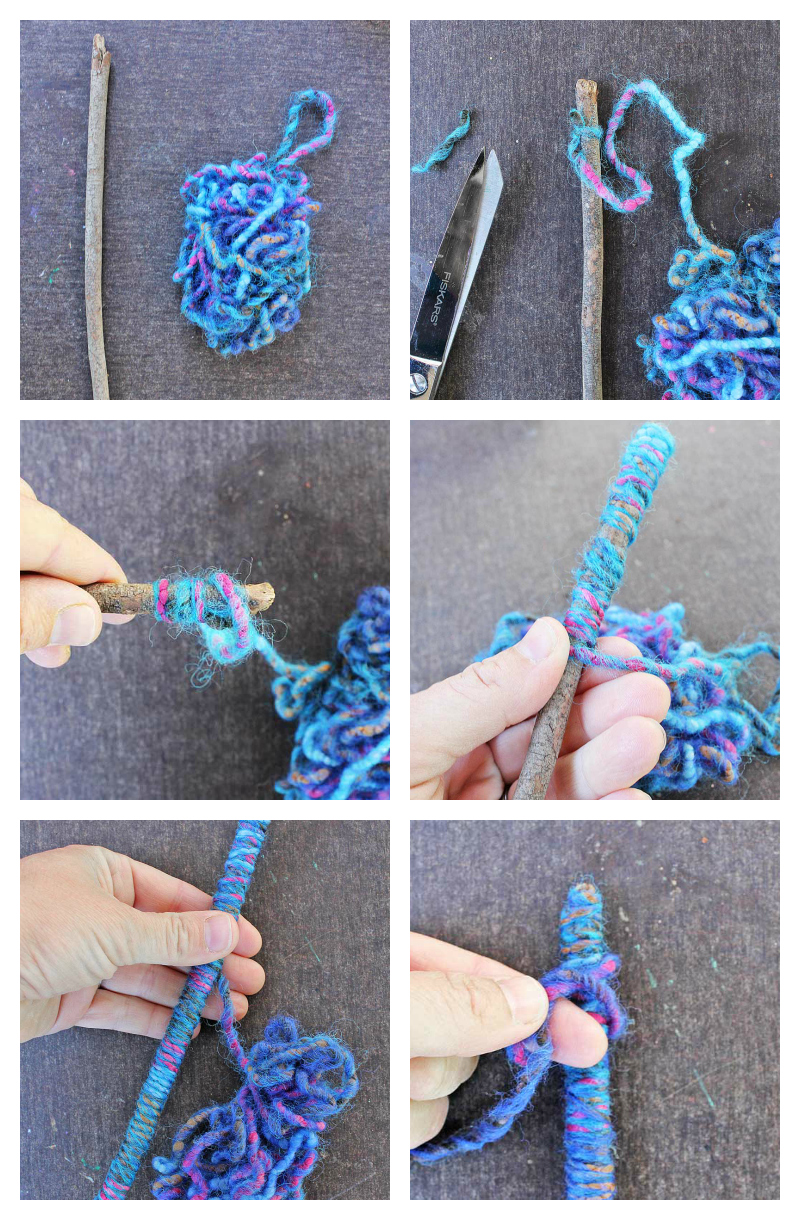
- Selling Unused Yarn (Online Marketplaces, Destash Groups): Platforms like eBay, dedicated destash groups on Facebook, and Ravelry’s “Stash” forum are excellent places to sell unwanted yarn. Pricing should reflect the original cost, condition, and current market demand. This practice can recoup initial investments, fund new projects, or contribute to personal savings.
- Donating for Tax Benefits: For substantial stashes, donating yarn to charitable organizations (e.g., those making blankets for hospitals, homeless shelters, or senior centers) can potentially offer tax deductions. Consult with a tax professional to understand the specific requirements for valuing donated goods and claiming deductions in your jurisdiction.
- Bulk Selling Strategies: If faced with a very large quantity of less valuable yarn, consider selling in bulk to local crafters, community centers, or even small businesses that might use it for workshops or large-scale projects. While the per-skein price might be lower, the convenience and volume can make it an efficient way to liquidate inventory.
Beyond Products: Leveraging Skills for Income
Monetizing yarn doesn’t always require creating physical products. Your skills and knowledge can also be valuable commodities.
Teaching Workshops and Classes
Sharing your expertise is a powerful way to generate income and build a community.
- In-Person Local Classes: Partner with local yarn stores, community centers, libraries, or adult education programs to offer knitting or crocheting classes. Develop a curriculum that caters to different skill levels, from beginner basics to advanced techniques. Pricing should cover material costs, your time, and facility fees.
- Online Tutorials and Courses: Platforms like Teachable, Skillshare, or even a dedicated YouTube channel can host video tutorials and comprehensive online courses. This allows for a wider reach and passive income once the content is created. Subscription models (e.g., Patreon) can provide a recurring revenue stream for exclusive content.
- Corporate Team-Building Events: Offer unique crafting experiences to corporate clients as team-building workshops. This niche market can command higher fees and provides exposure to a different clientele.
Offering Crafting Services
Specialized services can fill market gaps and cater to specific customer needs.
- Repair Services (Mending Knitwear): Hand-knit or crocheted items are often cherished and expensive. Offering repair services for holes, dropped stitches, or damaged seams can be a valuable service, especially for high-end garments.
- Customization/Alteration Services: Adapting existing patterns to specific sizes, altering finished garments, or adding unique embellishments can provide a bespoke service for customers who lack the skills or time.
- Technical Editing for Pattern Designers: For those with a keen eye for detail and strong organizational skills, offering technical editing services to other pattern designers ensures accuracy, clarity, and consistency in their patterns before publication. This is a crucial behind-the-scenes role in the crafting industry.
Scaling Your Yarn-Based Business for Sustainable Growth
Transforming a yarn hobby into a reliable income source requires strategic business planning, not just creative prowess.
Financial Planning and Goal Setting
Robust financial planning is the bedrock of any sustainable business.
- Budgeting for Materials, Tools, and Marketing: Develop a comprehensive budget that accounts for all expenses, not just yarn. This includes needles, hooks, notions, shipping supplies, website hosting, photography equipment, and marketing costs (e.g., social media ads, market booth fees).
- Pricing Strategies for Profitability: Your pricing must cover material costs, labor (your hourly rate), overheads, and leave a healthy profit margin. Research competitors, understand your target market’s willingness to pay, and don’t undervalue your skills and time. Consider tiered pricing for different product lines or service levels.
- Reinvesting Profits for Expansion: Instead of immediately withdrawing all profits, consider reinvesting a portion back into the business. This could be for purchasing higher-quality materials, investing in new equipment (e.g., a swift and ball winder for selling destashed yarn, better camera equipment for product photos), taking professional development courses, or expanding marketing efforts.
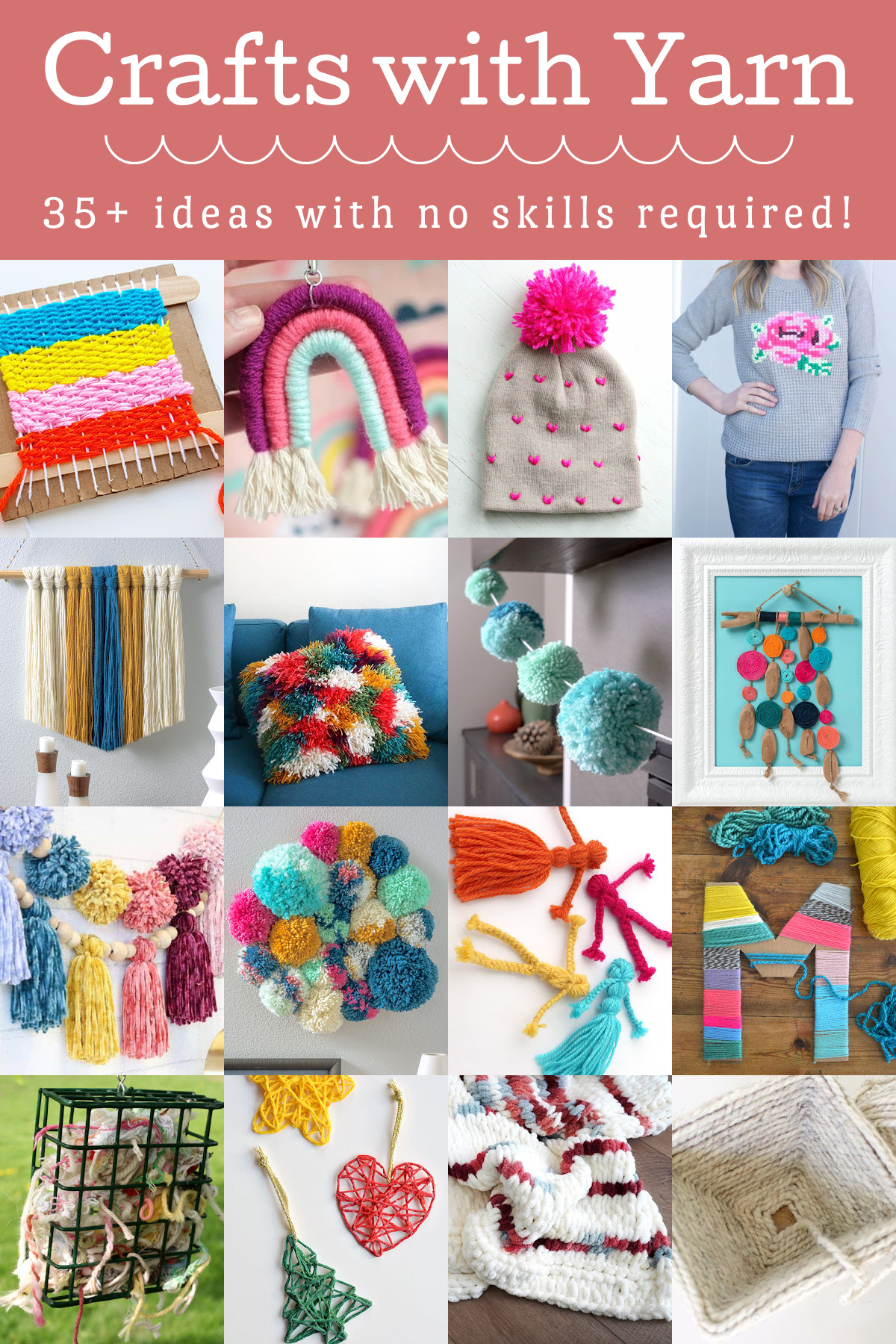
Marketing and Brand Building on a Budget
Effective marketing doesn’t always require a large budget; creativity and consistency are key.
- Social Media Engagement (Instagram, Pinterest): Visually driven platforms are ideal for showcasing yarn creations. High-quality photos, engaging captions, relevant hashtags, and consistent posting can build a following and drive traffic to your sales channels. Behind-the-scenes content can build a connection with your audience.
- Email Marketing for Loyal Customers: Building an email list allows for direct communication with your most engaged audience. Offer exclusive discounts, early access to new products or patterns, and valuable content to foster loyalty and encourage repeat purchases.
- Collaborations and Cross-Promotions: Partner with complementary businesses or fellow crafters (e.g., a local coffee shop, another artisan with a different craft, a yarn dyer) for cross-promotion. This expands your reach to new audiences without direct advertising costs and can lead to mutually beneficial opportunities like joint workshops or product bundles.
Ultimately, “what to do with yarn” transcends mere crafting; it presents a multifaceted opportunity for financial growth. By applying strategic financial principles, entrepreneurial thinking, and effective marketing, a yarn enthusiast can transform their passion into a thriving source of income, personal wealth, and community engagement within the vibrant economy of handmade goods and creative services.
aViewFromTheCave is a participant in the Amazon Services LLC Associates Program, an affiliate advertising program designed to provide a means for sites to earn advertising fees by advertising and linking to Amazon.com. Amazon, the Amazon logo, AmazonSupply, and the AmazonSupply logo are trademarks of Amazon.com, Inc. or its affiliates. As an Amazon Associate we earn affiliate commissions from qualifying purchases.