
Selecting the appropriate “mil” plastic for a vapor barrier is far more than a mere construction specification; it represents a critical financial decision for any property owner, investor, or business operating real estate. The choice directly impacts long-term asset value, operational costs, and the potential for significant financial liabilities. Understanding the economic implications of vapor barrier thickness—measured in “mils,” or thousandths of an inch—is essential for safeguarding investments, optimizing energy efficiency, and preventing costly future repairs.
The Financial Imperative of Effective Moisture Management
Moisture, if left uncontrolled within a building structure, is a silent destroyer of wealth. A properly specified and installed vapor barrier acts as a fundamental line of defense, preserving the financial health of an asset by mitigating risks that translate directly into expenses or lost value.
Protecting Your Investment from Costly Damage
The most immediate financial benefit of a robust vapor barrier is its role in preventing moisture-related damage. Water vapor that infiltrates building cavities can lead to a cascade of expensive problems:
- Structural Degradation: Consistent moisture exposure can rot wooden framing, corrode metal components, and compromise the integrity of gypsum board, leading to costly structural repairs or even complete demolition and rebuilding in extreme cases. For investors, this represents a direct erosion of asset value and potentially uninsurable risks.
- Mold and Mildew Proliferation: Beyond structural issues, moisture creates an ideal environment for mold and mildew. Remediation for mold infestations can be extraordinarily expensive, often involving specialized contractors, air quality testing, and temporary relocation costs for occupants. Property owners face not only the direct cleanup costs but also potential litigation from tenants or occupants experiencing health issues. The value of a property can plummet if it develops a reputation for mold problems.
- Pest Infestation: Damp, decaying materials attract pests like termites, carpenter ants, and rodents, adding another layer of expense for extermination and further structural repair.
By investing in the correct mil plastic, property owners preempt these significant financial outlays, protecting their equity and ensuring the long-term viability of their asset.
Energy Efficiency: Direct Savings on Utility Bills
A less obvious, but equally impactful, financial benefit of an effective vapor barrier is its contribution to energy efficiency. Moisture within insulation greatly reduces its thermal performance. Wet insulation loses much of its R-value, meaning conditioned air (heated or cooled) escapes more easily, and unconditioned air infiltrates.
- Increased Heating and Cooling Costs: Property owners with compromised vapor barriers will invariably see higher utility bills as their HVAC systems work harder and longer to maintain desired indoor temperatures. Over years, these incremental energy losses accumulate into substantial sums, eroding profit margins for businesses and household budgets for homeowners.
- Premature HVAC System Wear: The increased workload on heating and cooling systems also leads to premature wear and tear, shortening their lifespan and necessitating earlier, expensive replacements. This represents another significant capital expenditure that can be deferred or avoided with proper moisture control.
Choosing the appropriate mil plastic for a vapor barrier is therefore an investment in sustained energy savings and extended equipment life, directly impacting operational budgets.
Mitigating Health-Related Financial Risks
Beyond property damage, moisture and mold issues can lead to health complaints from occupants. For commercial property owners, landlords, or businesses, this carries significant financial risks:
- Medical Expenses and Lost Productivity: Tenants or employees suffering from mold-related illnesses may incur medical expenses, experience lost workdays, or even pursue legal action, leading to potentially substantial financial liabilities for the property owner.
- Reputational Damage: Negative publicity stemming from health concerns can severely damage a brand’s reputation, affecting occupancy rates, property values, and future business opportunities.
An upfront investment in a proper vapor barrier is a cost-effective strategy for mitigating these multifaceted financial risks.
Understanding “Mil” and Its Economic Impact
The “mil” specification of plastic sheeting directly correlates to its thickness, and consequently, its physical properties and cost. This seemingly minor detail carries significant financial weight in material cost, installation efficiency, and long-term durability.
Initial Material Costs vs. Long-Term Value
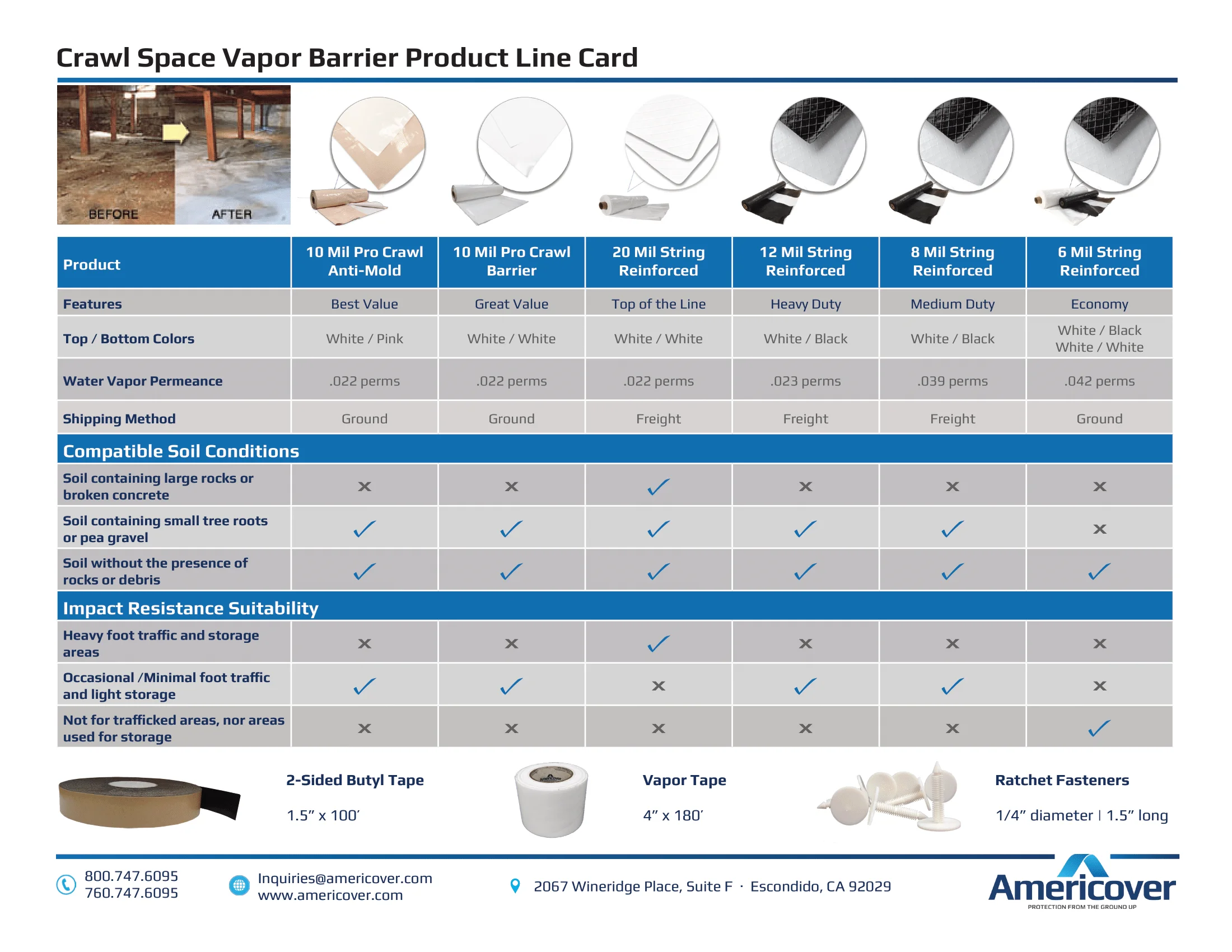
Vapor barrier plastics are commonly available in thicknesses ranging from 2-mil to 20-mil, with 6-mil and 10-mil being standard for many applications.
- Higher Mil, Higher Upfront Cost: Thicker plastic (higher mil) typically comes with a higher per-square-foot material cost. A 10-mil barrier will be more expensive than a 6-mil barrier.
- Durability and Performance: However, thicker plastic offers superior resistance to punctures, tears, and degradation over time. In demanding environments like crawl spaces or under concrete slabs, a thinner barrier (e.g., 6-mil) might be more susceptible to damage during installation or from ground forces, compromising its effectiveness. A failed vapor barrier quickly negates any initial material savings, leading to the expensive remediation discussed previously.
- Value Proposition: The financial decision hinges on balancing the initial material expenditure against the anticipated long-term benefits of durability and performance. Investing in a thicker mil plastic that withstands the rigors of its environment often proves to be the more financially prudent choice, offering a superior return on investment by preventing future failures and associated costs.
Installation Economics: Labor and Material Handling
While thicker materials are more expensive, they can sometimes offer efficiencies during installation that translate into labor cost savings.
- Reduced Damage during Installation: A robust 10-mil or 15-mil plastic is less prone to tears when being unrolled, cut, or walked upon by tradespeople, especially over rough subgrades or during complex installations. Fewer tears mean less time spent patching, sealing, or re-installing sections, reducing labor hours.
- Simplified Sealing: Thicker materials may also provide a more stable surface for applying tapes and sealants, potentially leading to more secure and durable seams with less rework.
- Project Delays and Costs: Conversely, a thin vapor barrier that tears easily can cause significant project delays, lead to increased material waste, and require additional labor hours for repairs or re-installation. These delays and extra labor directly impact project budgets and profitability for contractors or increase overall costs for property owners.
Therefore, the “mil” choice isn’t just about material cost but also about the total installed cost, which includes labor efficiency.
Longevity and ROI: When Thicker Pays Off
The return on investment (ROI) for a vapor barrier is primarily realized through its longevity and consistent performance. A vapor barrier is typically concealed within the building envelope, making replacement an incredibly disruptive and expensive undertaking—often requiring demolition of finished surfaces.
- Designed to Last: When designed as a permanent component of the building, the vapor barrier must have a lifespan commensurate with the building itself. A 20-mil cross-laminated polyethylene, though more costly upfront, offers superior puncture and tear resistance, making it suitable for applications where long-term, uncompromised performance is critical, such as beneath concrete slabs or in highly active crawl spaces.
- Avoiding Future Replacement Costs: The cost of replacing a failed vapor barrier (e.g., under a finished basement slab or behind a finished wall) can easily run into tens of thousands of dollars, dwarfing any initial savings gained by opting for a thinner, less durable material. The “set it and forget it” nature of a vapor barrier means that a robust initial investment is paramount for long-term financial stability.
Navigating Specific Applications and Their Financial Nuances
The financial implications of vapor barrier choice are magnified when considering specific structural applications, each presenting unique moisture challenges and cost-risk profiles.

Crawl Spaces and Basements: Preventing Catastrophic Moisture-Related Expenses
For crawl spaces and basements, which are inherently susceptible to ground moisture, the choice of vapor barrier thickness is a cornerstone of financial risk management.
- Crawl Space Encapsulation: In an encapsulated crawl space, a heavy-duty vapor barrier (typically 10-mil, 12-mil, or even 20-mil) laid over the entire floor and extending up the walls is crucial. The investment in thicker material here prevents direct moisture ingress from the ground, significantly reducing the likelihood of wood rot, mold growth on floor joists, and pest infestations. The financial savings come from preventing structural repairs, mold remediation, and HVAC system damage, which can be monumental in these damp environments.
- Basement Slab Underslab: A vapor barrier installed directly beneath a concrete basement slab prevents ground moisture from migrating through the concrete and into the living space. A 10-mil or 15-mil virgin poly barrier is often recommended here due to the rough substrate and the permanent nature of its installation. The financial benefit is the prevention of mold under finished flooring, protection of interior finishes, and avoiding the need for expensive dehumidification, all contributing to a healthier, more valuable space.
Wall and Ceiling Assemblies: Preserving Insulation Investment and Structural Integrity
In wall and ceiling cavities, vapor barriers (or retarders, depending on climate and location within the assembly) primarily protect insulation and structural elements from interstitial condensation.
- Insulation Protection: Moisture accumulation within insulation reduces its thermal performance and leads to degradation, requiring costly replacement. Even a 4-mil or 6-mil poly sheet, correctly installed, preserves the R-value of insulation, ensuring continued energy savings.
- Avoiding Hidden Damage: While less exposed than crawl space barriers, a compromised vapor barrier in a wall can lead to hidden mold and rot within the cavity, discovered only after significant damage has occurred, necessitating extensive and expensive tear-out and repair. The financial prudent approach is to select a durable material that will maintain its integrity for the life of the wall assembly.
Slab-on-Grade Applications: Foundation Protection as a Core Asset
For slab-on-grade foundations, the vapor barrier is integral to the slab’s long-term performance and the integrity of any overlying finishes.
- Protecting Finished Flooring: Moisture migrating through a slab can ruin expensive finished flooring (hardwood, LVT, carpet), causing bubbling, delamination, and mold growth. A high-quality 10-mil or 15-mil vapor barrier acts as an insurance policy for these interior finishes, protecting a significant investment.
- Structural Integrity: While concrete itself can withstand moisture, the constant presence of moisture can contribute to efflorescence, aggregate expansion, and other issues that, over time, could affect the slab’s durability and integrity. A robust vapor barrier contributes to a drier, more stable slab, protecting the foundation as a core asset of the property.
The True Cost of Cutting Corners: Financial Repercussions of Inadequate Barriers
Choosing an inadequate mil plastic for a vapor barrier often appears as an immediate cost saving, but invariably leads to amplified financial burdens down the line. This false economy can devastate a budget or investment portfolio.
Remediation Costs: The Astronomical Price of Mold and Rot
The most direct financial consequence of an inadequate vapor barrier is the necessity of extensive remediation.
- Expert Services: Addressing significant mold, rot, or structural damage often requires specialized contractors, industrial hygienists, and potentially engineers. Their services are expensive, reflecting the complexity and health risks involved.
- Material and Labor: Beyond expert fees, there are significant costs associated with removing damaged materials, disposing of contaminated debris, purchasing new materials, and the labor required for reconstruction.
- Hidden Expenses: These explicit costs don’t even account for the disruption, potential lost rental income for investors, or temporary housing expenses for homeowners.
The cost of effective remediation for a failed vapor barrier can easily exceed the entire original construction budget for the affected area, making initial scrimping on “mil” plastic a catastrophic financial misstep.
Diminished Property Value: Impact on Resale and Equity
Properties with known moisture problems, mold issues, or a history of remediation often face significant devaluation in the real estate market.
- Disclosure Requirements: Many jurisdictions require sellers to disclose moisture-related issues, which can deter potential buyers or lead to substantial reductions in asking price.
- Inspection Findings: Even if not explicitly disclosed, professional home inspections frequently uncover signs of moisture problems, leading to buyer apprehension or demands for costly repairs before closing.
- Equity Erosion: For investors, property value erosion directly translates into lost equity and a diminished return on their investment. For homeowners, it can mean a significant loss when it comes time to sell, potentially impacting their ability to fund a future purchase.
An inadequate vapor barrier can, therefore, directly undermine the long-term financial health and equity growth of a real estate asset.
Legal and Insurance Implications: Unforeseen Financial Liabilities
The financial repercussions can extend to legal and insurance domains.
- Litigation: Tenants or occupants suffering health issues due to mold can sue property owners for damages, leading to costly legal fees and potentially large settlements. Businesses might face lawsuits from employees or clients.
- Insurance Challenges: While some damage from sudden events might be covered, chronic moisture issues due to inadequate construction (like an insufficient vapor barrier) are often excluded from standard property insurance policies. Furthermore, properties with a history of mold claims may find it difficult or prohibitively expensive to obtain future coverage.
These unforeseen liabilities represent significant financial risks that a proper vapor barrier, specified with financial prudence, helps to avert.
Making the Smart Financial Choice: Balancing Upfront Investment with Future Returns
The decision of what mil plastic to use for a vapor barrier must be viewed through a financial lens, balancing the upfront investment with the long-term returns and risk mitigation it provides.
Expert Consultation: An Investment in Risk Reduction
Consulting with building science professionals, experienced architects, or reputable contractors is a wise financial investment. These experts can assess the specific climate, soil conditions, and building design to recommend the appropriate mil plastic, minimizing the risk of under-specification or over-specification. Their fees are often a fraction of the costs associated with vapor barrier failure, effectively acting as an insurance premium against future financial losses.
Code Compliance: Avoiding Costly Penalties and Ensuring Insurability
Building codes often specify minimum vapor barrier requirements, including mil thickness, for certain applications. Adhering to these codes is not just a legal obligation but a financial necessity.
- Avoiding Penalties: Non-compliance can lead to failed inspections, mandated reconstruction, and financial penalties from local authorities.
- Ensuring Insurability: Proper code compliance is also crucial for maintaining property insurance coverage. Insurers may deny claims if damage is attributed to non-compliant construction, leaving property owners to bear the full financial burden of repairs.

Long-Term Maintenance and Monitoring for Sustained Financial Protection
Even with the correct mil plastic, a vapor barrier’s effectiveness can be compromised by physical damage over time. Regular inspection, particularly in accessible areas like crawl spaces, is a financially savvy practice. Identifying and repairing punctures or compromised seams early prevents minor issues from escalating into major, costly problems, thus sustaining the initial investment and ensuring the vapor barrier continues to deliver its intended financial protection throughout the life of the property.
aViewFromTheCave is a participant in the Amazon Services LLC Associates Program, an affiliate advertising program designed to provide a means for sites to earn advertising fees by advertising and linking to Amazon.com. Amazon, the Amazon logo, AmazonSupply, and the AmazonSupply logo are trademarks of Amazon.com, Inc. or its affiliates. As an Amazon Associate we earn affiliate commissions from qualifying purchases.