
The elusive quality of a “good song” extends far beyond simple aesthetic appeal; in the competitive landscape of the music industry, it is a potent instrument of brand building, market penetration, and sustained audience engagement. For artists, labels, and even businesses seeking to leverage sonic branding, understanding what constitutes a “good song” is fundamentally about decoding the strategic elements that forge a memorable identity, cultivate loyalty, and drive commercial success. It’s about crafting an auditory product that resonates, differentiates, and endures.
The Sonic Signature: Crafting Brand Identity Through Sound
At its core, a song is a product, and like any successful product, it must possess a unique signature that distinguishes it from competitors and aligns with its creator’s overarching brand identity. This sonic signature is not accidental; it is a meticulously constructed combination of musical and lyrical elements designed to evoke specific emotions, communicate a clear message, and establish a memorable presence in the listener’s mind.
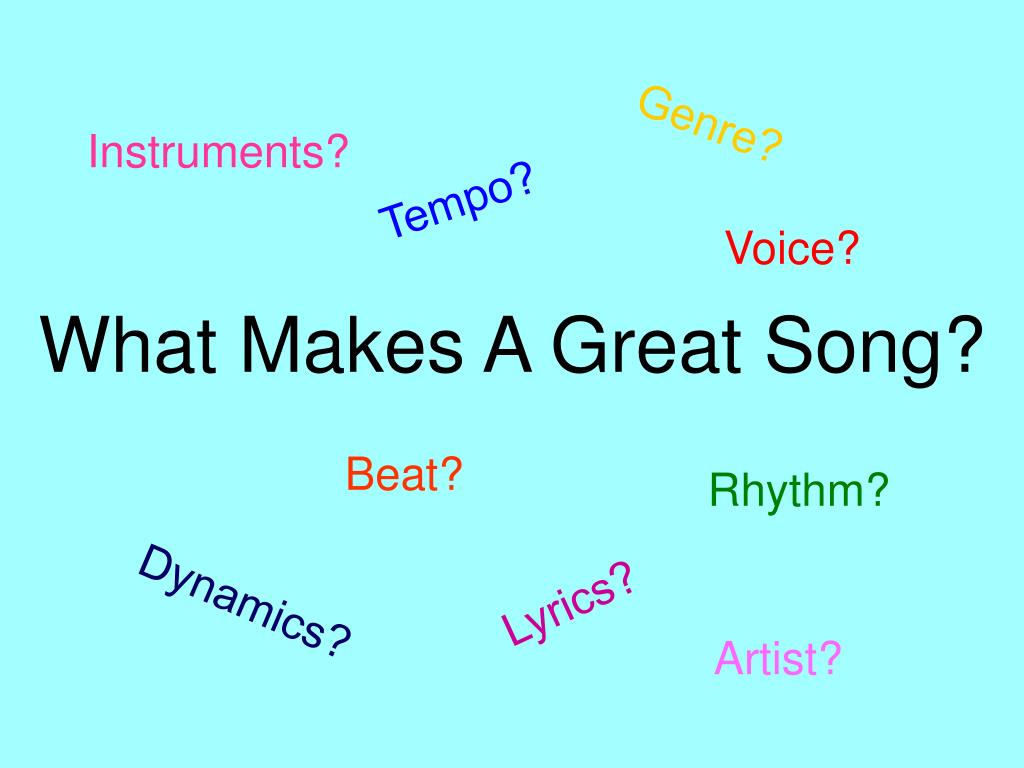
Melodic Hooks as Brand Taglines
Just as a compelling tagline instantly identifies a company, a strong melodic hook serves as the most potent branding tool within a song. It’s the memorable phrase, the earworm, the sequence of notes that sticks long after the music stops. From a branding perspective, a hook must be:
- Distinctive: It should sound unique enough to be attributed to the artist or brand, avoiding generic structures. This distinctiveness helps carve out a unique sonic space.
- Repeatable: High memorability fosters recall, which is crucial for brand recognition. A good hook encourages listeners to replay the song, stream it, and share it, amplifying its reach organically.
- Emotionally Resonant: The hook’s melodic contour and rhythm often carry the primary emotional weight of the song. Aligning this emotion with the artist’s brand persona (e.g., rebellious, comforting, empowering) strengthens the overall brand message.
- Adaptable: A truly great hook can be stripped down, remixed, or interpolated, demonstrating its core strength and versatility, much like a robust brand logo that works across various platforms.
The strategic deployment of these “sonic taglines” ensures that the artist’s auditory brand is not just heard, but remembered and internalized by their target audience, creating a powerful top-of-mind presence.
Lyrical Narratives and Audience Connection
Beyond the melody, lyrics provide the narrative backbone that deepens the connection between the artist’s brand and their audience. A “good song” often tells a story, articulates a feeling, or expresses a perspective that resonates on a personal level. From a branding perspective, lyrics serve several critical functions:
- Establishing Brand Voice: The language, themes, and perspectives expressed in the lyrics define the artist’s unique voice and personality. Are they insightful, witty, vulnerable, or defiant? This consistent voice builds a recognizable and trustworthy brand persona.
- Fostering Brand Loyalty: When listeners find their own experiences or emotions reflected in a song’s lyrics, it creates a powerful sense of affinity. This deep emotional connection translates directly into fan loyalty, turning casual listeners into dedicated brand advocates who feel understood and represented.
- Communicating Brand Values: Artists often embed their core values, beliefs, or social commentary within their lyrics. This allows them to align their brand with specific causes or worldviews, attracting a demographic that shares those values and strengthening their brand’s ethical standing.
- Creating Memorable Slogans: Iconic lyrical phrases can become cultural touchstones, akin to marketing slogans that encapsulate a movement or a moment. These phrases are shared, quoted, and re-contextualized, extending the song’s (and the artist’s) brand influence far beyond its initial release.
Production Quality as a Mark of Professionalism
In the competitive marketplace, production quality is a non-negotiable aspect of a “good song,” serving as a tangible indicator of an artist’s professionalism and commitment to their craft. Just as product packaging and user experience reflect a company’s dedication, the sound engineering, mixing, and mastering of a track communicate its brand’s commitment to excellence.
- Perceived Value: A well-produced track sounds polished, balanced, and immersive, enhancing its perceived value. Poor production, conversely, can undermine even the strongest melodies or lyrics, suggesting an unprofessional brand image.
- Genre Authenticity: Production choices are often integral to defining a song’s genre and, by extension, the artist’s place within the market. Specific drum sounds, synth patches, or vocal effects can instantly communicate genre affiliation, helping the brand reach its target niche.
- Consistency and Distinctiveness: A consistent production aesthetic across an artist’s discography helps solidify their sonic brand identity. However, “good” production also knows when to innovate, pushing boundaries while maintaining a recognizable core. It balances consistency with distinctiveness.
- Accessibility Across Platforms: High-quality production ensures a song sounds good on various playback systems – from car radios to high-fidelity headphones to social media feeds. This broad compatibility is crucial for consistent brand experience across diverse consumer touchpoints.
Market Resonance: Strategic Positioning and Audience Engagement
A “good song” is not merely an artistic statement; it is a strategic asset designed to resonate with a specific market segment. Understanding and engaging this audience is paramount to translating artistic merit into brand success and commercial viability.
Identifying Your Target Audience’s Sonic Preferences
Effective brand strategy begins with a deep understanding of the target consumer. In music, this means identifying the demographic, psychographic, and behavioral traits of the audience most likely to connect with a song.
- Demographic Alignment: Certain genres and lyrical themes appeal more to specific age groups, geographical locations, or socioeconomic backgrounds. Crafting songs that align with these demographic preferences ensures more effective targeting.
- Psychographic Resonance: Beyond demographics, understanding the emotional needs, values, and lifestyle choices of the audience allows for the creation of songs that evoke desired feelings or reinforce existing beliefs. A song that makes its listeners feel understood or empowered builds a stronger, more personal brand bond.
- Behavioral Insights: Analyzing how the target audience discovers, consumes, and shares music (e.g., streaming platforms, social media, radio) informs both songwriting choices and subsequent marketing strategies. Songs optimized for virality on platforms like TikTok or for playlisting on Spotify will have different structural considerations.
Leveraging Emotional Intelligence in Songwriting
Emotion is the currency of music, and a “good song” leverages emotional intelligence to create profound audience connections. From a branding perspective, this involves strategically designing the emotional arc of a song to align with desired brand perceptions.
- Emotional Journey: A song that takes the listener on a compelling emotional journey – from tension to release, sadness to hope, anger to understanding – creates a memorable experience, much like a powerful advertising campaign. This journey strengthens the listener’s engagement with the artist’s brand narrative.
- Empathy and Relatability: Songs that articulate universal human experiences or emotions foster empathy. When an artist’s brand is associated with empathy and relatability, it builds trust and fosters a loyal community around shared feelings.
- Desired Brand Association: Does the artist want their brand to be associated with joy, rebellion, comfort, or introspection? The emotional palette of their songs directly shapes these associations, defining their emotional market position.
The Power of Authenticity and Niche Appeal
In a saturated market, authenticity is a powerful brand differentiator. A “good song” often derives its strength from genuine expression, which in turn helps an artist carve out a distinctive niche.
- Authentic Voice: Audiences increasingly value authenticity. Songs that genuinely reflect an artist’s experiences, beliefs, or artistic vision, even if unconventional, often resonate more deeply than those perceived as manufactured. This authenticity builds a foundation of trust and integrity for the artist’s brand.
- Niche Domination: Rather than aiming for broad, diluted appeal, a strategically “good song” often targets and dominates a specific niche. By speaking directly and authentically to a smaller, dedicated audience, artists can build a strong, loyal fanbase that serves as a powerful base for brand growth and expansion. This focused approach is often more sustainable than chasing fleeting mainstream trends.
- Standing Out: In a crowded marketplace, being genuinely unique (an aspect of authenticity) is crucial for brand visibility. A song that challenges conventions or presents a fresh perspective can cut through the noise, establishing the artist as an innovator and tastemaker.
The Lifecycle of a Hit: From Creation to Cultural Imprint
A “good song” is not just about its intrinsic qualities; it’s about its journey and impact within the cultural ecosystem. This lifecycle reflects the strategic deployment and ongoing management of a valuable brand asset.
Distribution and Discovery as Marketing Channels
Once created, a “good song” requires strategic distribution and promotion to reach its audience. Modern distribution channels are themselves integral marketing tools.
- Platform Optimization: Understanding how different platforms (e.g., Spotify, Apple Music, YouTube, TikTok) curate and recommend music allows artists to tailor their release strategies. Songs optimized for algorithmic discovery, playlisting, or viral challenges are strategically positioned for wider reach.
- Strategic Storytelling: The rollout of a song—from teasers to music videos to behind-the-scenes content—is a form of content marketing. Each stage builds anticipation, provides context, and reinforces the artist’s brand narrative, turning a single track into a multi-faceted brand experience.
- Influencer Marketing: Collaborations with influencers, content creators, or other artists can amplify a song’s reach and introduce it to new audiences, acting as powerful endorsements for the artist’s brand.
Building Fan Loyalty and Community
A truly “good song” fosters not just individual appreciation but collective enthusiasm, culminating in a loyal community around the artist’s brand.
- Shared Experience: Songs that become anthems for a group or a moment create a powerful sense of shared identity and belonging among fans. This communal experience strengthens loyalty, turning listeners into advocates.
- Direct Engagement: Artists who engage directly with their fanbase around a song – through Q&As, live streams, or social media interactions – humanize their brand and deepen fan investment. This direct interaction is crucial for long-term brand equity.
- Merchandise and Live Events: The success of a “good song” often translates into demand for merchandise and concert tickets, which are vital revenue streams and brand extensions. These physical touchpoints reinforce the artist’s brand identity and offer fans tangible ways to express their loyalty.
Adapting to Trends Without Losing Core Identity
The music landscape is constantly evolving, and a “good song” often strikes a delicate balance between timely relevance and timeless quality. For a brand, this means adapting without compromising core identity.
- Strategic Evolution: Artists can incorporate current sonic trends or lyrical themes into their music without abandoning their foundational sound or message. This demonstrates adaptability and keeps the brand relevant, while still being recognizable.
- Maintaining Authenticity: The challenge is to evolve genuinely, not to merely chase trends. A “good song” that incorporates new elements does so in a way that feels organic to the artist’s brand, reinforcing their authenticity rather than eroding it.
- Legacy Building: Songs that achieve widespread recognition and endure over time contribute significantly to an artist’s legacy, establishing their brand as culturally significant and timeless. These enduring hits become cornerstones of their brand narrative.
Measuring Success: Beyond Chart Positions to Brand Value
While chart performance and streaming numbers offer immediate metrics, the true measure of a “good song” from a branding perspective lies in its long-term impact on an artist’s overall brand value and market influence.
The Long-Term Equity of a Signature Sound
A truly impactful song contributes to the enduring equity of an artist’s brand, becoming a defining part of their signature sound.
- Brand Recognition: A song that becomes widely associated with an artist cements their place in popular culture and makes their brand instantly recognizable, even to casual listeners.
- Intellectual Property: Each “good song” is a valuable piece of intellectual property, generating royalties and licensing opportunities that contribute to the artist’s financial longevity and brand’s asset portfolio.
- Cultural Relevance: Songs that transcend their release date and continue to be relevant years later build an unparalleled cultural equity for the artist, reinforcing their status as an influential and enduring brand.
Impact on Artist Branding and Merchandise
The success of a song directly fuels the broader artist brand, from personal branding to merchandise lines.
- Brand Narrative Reinforcement: A hit song provides a compelling narrative for the artist’s journey, enhancing their personal brand story and making them more marketable for interviews, documentaries, and endorsements.
- Merchandise Sales: Successful songs often inspire iconic imagery or lyrical phrases that can be translated into highly sought-after merchandise, extending the brand’s reach into tangible products and creating additional revenue streams.
- Touring and Live Performances: A catalog of “good songs” is essential for building a robust touring business, where live performances serve as powerful brand experiences, forging deeper connections with fans.

Sync Licensing and Brand Partnerships
A “good song” opens doors to lucrative brand partnerships and sync licensing opportunities, integrating the artist’s brand into various commercial contexts.
- Advertising and Film: Licensing music for commercials, films, television shows, and video games not only generates significant revenue but also exposes the artist’s brand to new audiences in highly impactful settings, effectively co-branding with other entities.
- Brand Endorsements: The success and cultural resonance of a song can make an artist an attractive partner for brand endorsements, aligning their personal brand with consumer products or services and expanding their market influence.
- Cross-Promotional Opportunities: Strategic partnerships based on a song’s popularity can lead to cross-promotional campaigns that benefit both the artist and the partnering brand, amplifying reach and strengthening market presence.
Ultimately, a “good song” is a meticulously crafted brand asset. Its effectiveness is measured not just by its artistic merit, but by its capacity to build a distinctive identity, connect deeply with an audience, drive engagement, and establish long-term value in a dynamic and competitive market. Understanding these strategic dimensions is key to unlocking its full potential as a foundational element of any successful music brand.
aViewFromTheCave is a participant in the Amazon Services LLC Associates Program, an affiliate advertising program designed to provide a means for sites to earn advertising fees by advertising and linking to Amazon.com. Amazon, the Amazon logo, AmazonSupply, and the AmazonSupply logo are trademarks of Amazon.com, Inc. or its affiliates. As an Amazon Associate we earn affiliate commissions from qualifying purchases.