
The strategic selection of flora for a lanai, often viewed purely through an aesthetic lens, holds significant untapped potential for financial enhancement and prudent management. From elevating property values to cultivating direct cost savings and even establishing lucrative side hustles, the plants chosen for this sheltered outdoor space can serve as a verdant investment. Understanding which species offer the best return on investment—be it through durability, utility, or market appeal—is key to transforming a lanai into a financially advantageous asset.
Elevating Property Value and Aesthetic Return on Investment
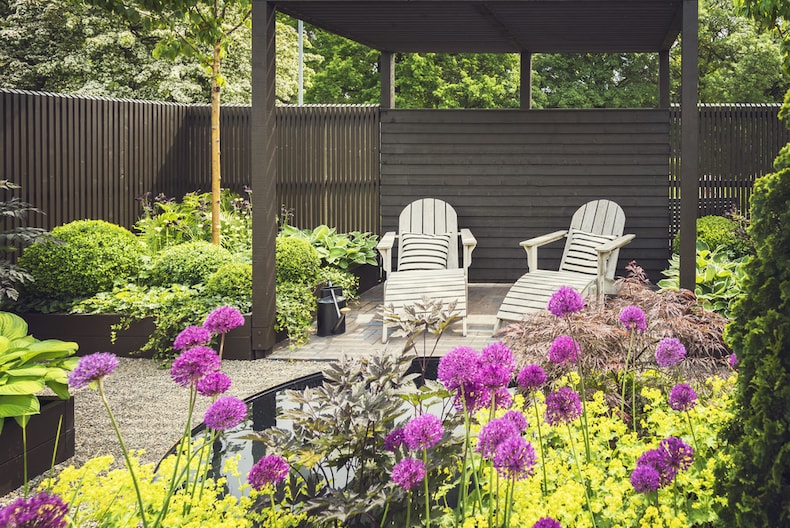
A meticulously curated lanai garden can dramatically influence a home’s perceived value and marketability. Buyers often prioritize move-in-ready homes with attractive outdoor spaces, where healthy, well-chosen plants communicate care, quality, and a desirable lifestyle. The initial investment in appropriate plants and their ongoing maintenance can yield substantial dividends upon resale.
High-Impact Ornamental Selections for Curb Appeal
Certain ornamental plants are renowned for their ability to create an immediate “wow” factor, signaling luxury and meticulous upkeep to potential buyers. These selections typically boast robust growth, attractive year-round foliage or stunning blooms, and a generally low-maintenance profile once established.
- Bird of Paradise (Strelitzia reginae): With its striking, vibrant orange and blue flowers resembling exotic birds, this plant adds a tropical, high-end feel. Its architectural form and relatively easy care make it a compelling choice for focal points, increasing a lanai’s perceived value through exotic appeal.
- Foxtail Fern (Asparagus densiflorus ‘Myers’): Known for its unique, plume-like foliage, the Foxtail Fern offers a soft yet sophisticated texture. It thrives in containers, is drought-tolerant once established, and provides year-round lushness, contributing to a consistently attractive, well-maintained look without demanding excessive resources.
- Peace Lily (Spathiphyllum spp.): These elegant plants offer glossy green leaves and distinctive white spathes, signifying a clean and tranquil environment. Their ability to tolerate lower light conditions and ease of care make them excellent for adding a touch of understated elegance, which can appeal to a broad range of buyers looking for serene, low-fuss outdoor spaces.
The key is to select plants that not only look good but also project longevity and require minimal intervention, reassuring potential buyers about future maintenance costs.
Strategic Placement for Optimal Visual and Financial Benefit
The arrangement of plants plays a crucial role in maximizing their financial impact. Thoughtful design can make a lanai feel larger, more luxurious, and better integrated with the home, translating into higher perceived value.
- Creating Focal Points: Use larger, more dramatic plants like a mature Bird of Paradise or a well-pruned dwarf palm to draw the eye, establishing a sense of grandeur and purpose within the space.
- Layering and Grouping: Employ varying heights and textures to create depth and visual interest. Taller plants at the back, medium-sized in the middle, and trailing varieties along the edges can make a space feel richer and more intentionally designed. This curated look suggests a higher quality outdoor living area.
- Enhancing Privacy: Strategically placed taller plants or screens of climbing vines can offer privacy without the expense of permanent structures. This adds functional value, making the lanai a more usable and attractive space for potential homeowners.
Low-Maintenance Choices for Sustained Value
Investing in plants that require minimal ongoing care minimizes long-term costs associated with watering, fertilizing, pest control, and replacement. This translates directly into a more financially prudent landscaping strategy.
- Snake Plant (Sansevieria trifasciata): Exceptionally hardy and drought-tolerant, snake plants require very little attention. Their upright, architectural form adds modern appeal, and their resilience means less money spent on replacements or remedies for neglect.
- ZZ Plant (Zamioculcas zamiifolia): Another incredibly resilient option, the ZZ Plant thrives on neglect. It tolerates low light and infrequent watering, making it an ideal choice for sustained visual appeal without continuous financial outlay for care or replacement.
- Pothos (Epipremnum aureum): A versatile trailing plant that can be grown in hanging baskets or allowed to climb, Pothos is forgiving and grows vigorously. Its ease of propagation also offers potential for creating more plants at no additional cost, further enhancing the lanai’s lushness economically.
These choices ensure that the lanai maintains its attractive appearance with minimal recurring expenses, protecting the initial investment and sustaining property appeal over time.
Cultivating Savings: Edible and Medicinal Gardens
Beyond aesthetics, a lanai offers an ideal microclimate for cultivating plants that directly reduce household expenses. Growing your own herbs, fruits, and certain vegetables can significantly cut down on grocery bills, while medicinal plants can offer cost-effective home remedies.
Maximizing Grocery Bill Reductions
Selecting high-yield, high-cost plants that thrive in a lanai’s sheltered environment can lead to substantial savings on recurring food expenditures.
- Herbs (Basil, Mint, Rosemary, Thyme, Oregano, Cilantro): Fresh herbs from the grocery store are often expensive and spoil quickly. Growing them on your lanai provides a constant, fresh supply, drastically reducing grocery spending on these items. Most herbs are well-suited to container gardening and flourish with consistent light.
- Dwarf Citrus Trees (Lemons, Limes, Kumquats): Many dwarf citrus varieties thrive in large containers on a lanai, offering a continuous supply of fresh fruit. The cost of store-bought citrus can add up, and having your own provides significant savings and fresh flavor.
- Strawberries: These can be grown effectively in hanging baskets or vertical planters on a lanai, yielding delicious, fresh berries that are often quite pricey in supermarkets, especially out of season.
- Compact Vegetables (Cherry Tomatoes, Lettuce, Spinach, Bell Peppers): Varieties bred for container growing can produce a surprising bounty in a lanai setting. Fresh, organic produce harvested steps from your kitchen offers superior taste and cuts down on expensive store purchases.
Investing in Health: Medicinal and Wellness Plants
Cultivating plants with medicinal properties can contribute to wellness and potentially reduce reliance on certain over-the-counter products, offering a subtle but real financial benefit.
- Aloe Vera: A powerful succulent, Aloe Vera gel is a natural remedy for minor burns, skin irritations, and dryness. Having a plant on hand eliminates the need to purchase commercial aloe products.
- Lemon Balm (Melissa officinalis): Known for its calming properties, Lemon Balm leaves can be used to make soothing teas, potentially reducing stress-related expenses or promoting better sleep without expensive supplements.
- Peppermint (Mentha x piperita): Fresh peppermint leaves can be used for digestive aid, breath fresheners, or invigorating teas, offering a natural and free alternative to store-bought remedies.
Sustainable Practices for Long-Term Financial Gain
Adopting sustainable gardening practices on your lanai can further amplify financial savings by reducing waste and resource consumption.

- Composting: Utilizing kitchen scraps and plant trimmings to create nutrient-rich compost reduces the need to purchase expensive fertilizers, while also diverting waste from landfills.
- Rainwater Harvesting (if feasible for lanai): Collecting rainwater for irrigation, where permitted, can significantly reduce water utility bills, especially in regions with frequent rainfall.
- Pest-Resistant Varieties and Organic Solutions: Choosing plants naturally resistant to common pests, or implementing organic pest control methods (e.g., neem oil, insecticidal soap), saves money on costly chemical pesticides and prevents plant loss.
Monetizing Your Lanai: Plant-Based Side Hustles
For the entrepreneurial homeowner, a lanai can transform into a micro-nursery or a hub for plant-related side income. The controlled environment and accessibility make it an ideal space for cultivating plants for sale.
Propagating and Selling Popular Varieties
Many common lanai plants are easily propagated, offering a low-cost entry point into a plant-based side hustle.
- Pothos Cuttings: Pothos is incredibly easy to propagate from stem cuttings. Once rooted, these can be potted and sold as small, starter plants. Their popularity and ease of care make them highly marketable.
- Spider Plant Pups: Spider plants naturally produce “pups” or plantlets that are easily detached and rooted. Selling these as ready-to-grow plants can generate steady, small-scale income.
- Snake Plant Divisions: Mature snake plants can be divided into multiple smaller plants. Given their popularity and hardiness, these divisions sell well.
- Succulent Pups: Many succulents produce offsets or “pups” that can be carefully removed and rooted to create new plants. The diverse array of succulents and their aesthetic appeal make them consistently popular.
Local farmers’ markets, online community groups, and even garage sales can serve as effective platforms for selling these propagated plants.
Creating Niche Products: Herb Kits and Microgreens
Specializing in niche products can command higher prices and target specific markets.
- Pre-Packaged Herb Kits: Assemble small pots with established herb plants like basil, mint, and rosemary, marketing them as “starter herb gardens” for apartment dwellers or novice gardeners. Add a care guide for added value.
- Gourmet Microgreens: Microgreens, such as radish, broccoli, or arugula sprouts, are quick-growing, require minimal space, and command premium prices in the culinary market. A lanai can provide the ideal environment for a small, rotating crop for local restaurants or health-conscious consumers.
Offering Plant Care or Design Consultations
Leveraging a beautifully designed and well-maintained lanai as a showcase can open doors to offering consulting services.
- Lanai Plant Design Consultations: Use your own lanai as a portfolio to advise other homeowners on plant selection, arrangement, and care tailored to their lanai’s specific conditions and aesthetic goals.
- Plant Care Workshops: Host small, intimate workshops on your lanai, teaching propagation techniques, basic plant care, or how to grow edibles in containers, charging a fee per participant.
Long-Term Financial Prudence: Water, Light, and Longevity
Sustainable and informed choices regarding plant care systems, species selection, and disease management are paramount to minimizing ongoing operational costs and maximizing the lifespan of your plant investment.
Smart Irrigation Systems and Water-Wise Plant Choices
Efficient water management directly impacts utility bills, and choosing the right plants can significantly reduce consumption.
- Self-Watering Planters: Investing in self-watering pots can reduce water waste due to evaporation and overwatering, ensuring plants receive consistent moisture without daily intervention, thus saving water and time.
- Drip Irrigation Systems: For larger lanai gardens, a small drip irrigation system can deliver water directly to the plant roots, minimizing waste and ensuring optimal hydration, leading to lower water bills.
- Drought-Tolerant Plants: Incorporating plants like succulents, cacti, or certain native species adapted to dry conditions can dramatically reduce water requirements, leading to significant savings over time. Even tropical lanais can benefit from smart choices.
Optimizing Light Conditions for Plant Health and Longevity
Understanding and matching plants to the specific light conditions of your lanai is crucial for their health, reducing the need for costly replacements.
- Assess Lanai Orientation: Determine if your lanai receives full sun, partial shade, or deep shade throughout the day.
- Match Plants to Light:
- Full Sun (6+ hours direct): Bougainvillea, Lantana, certain Cacti/Succulents. These thrive in bright light and will languish if not given enough, eventually dying and requiring replacement.
- Partial Shade (3-6 hours direct, often morning sun): Many herbs, Peace Lily, Impatiens, Begonias. These will burn in full afternoon sun but need some direct light to flower and grow robustly.
- Full Shade (less than 3 hours direct, bright indirect): Ferns, Pothos, ZZ Plant, Snake Plant. These prefer lower light and will develop scorched leaves in too much sun, becoming unsightly and potentially requiring replacement.
Correct placement ensures plants flourish, preserving your initial investment.
Disease and Pest Management for Cost-Effective Care
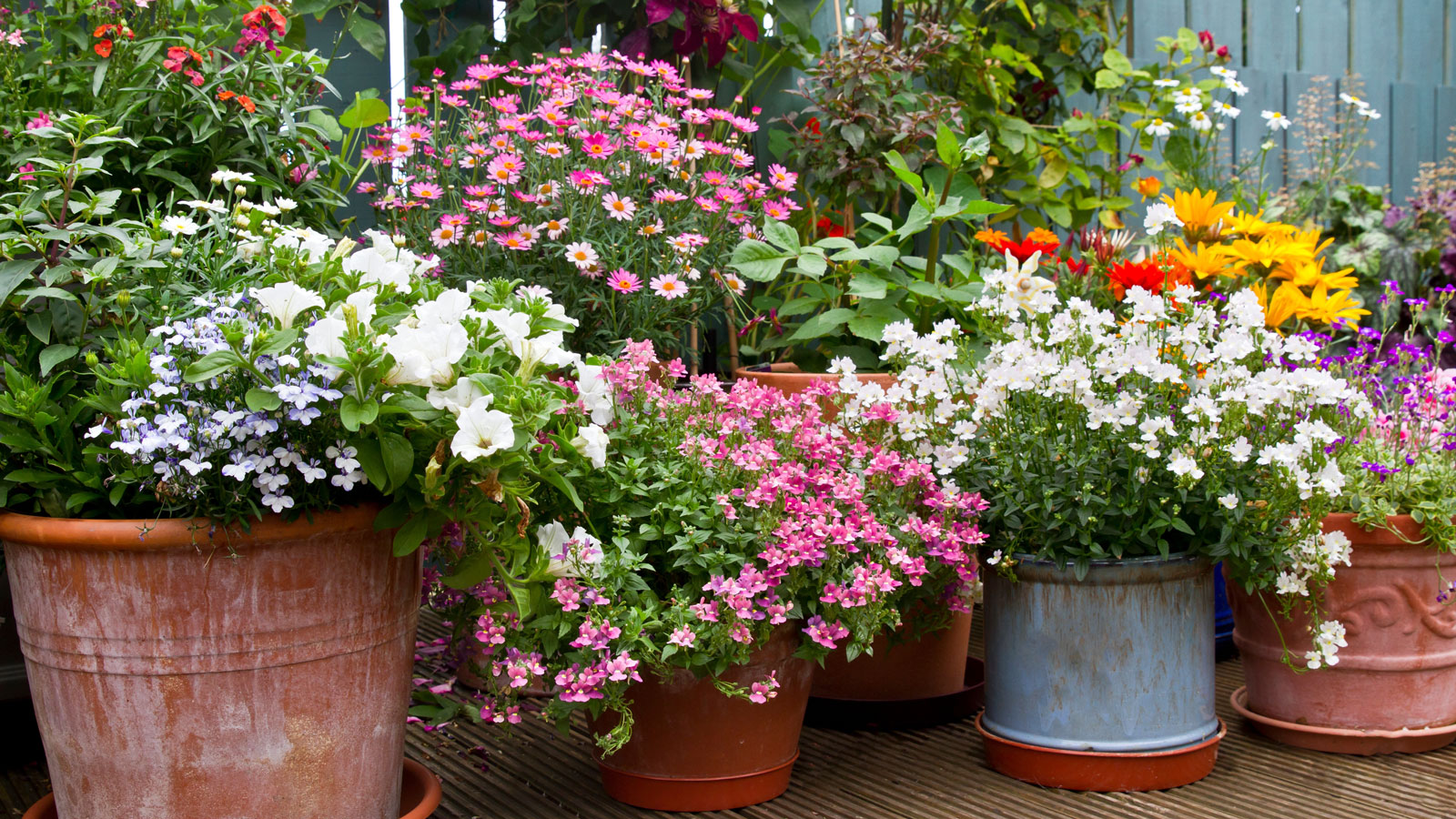
Proactive and organic approaches to plant health can prevent costly infestations and the need for expensive chemical treatments or plant loss.
- Integrated Pest Management (IPM): Regularly inspect plants for early signs of pests or disease. Address issues promptly with natural solutions like neem oil, insecticidal soap, or removing affected leaves. This prevents small problems from escalating into costly epidemics requiring widespread treatment or plant disposal.
- Air Circulation: Ensure good air circulation around plants on your lanai to prevent fungal diseases, which thrive in humid, stagnant conditions. Proper spacing between pots is a simple, no-cost preventative measure.
- Quarantine New Plants: Always isolate new plant purchases for a few weeks to ensure they are pest and disease-free before introducing them to your established lanai garden, preventing contamination that could jeopardize your entire plant investment.
By viewing lanai planting through a financial lens, homeowners can make informed decisions that not only beautify their space but also contribute positively to their overall financial well-being, whether through increased property value, reduced expenses, or new income streams.
aViewFromTheCave is a participant in the Amazon Services LLC Associates Program, an affiliate advertising program designed to provide a means for sites to earn advertising fees by advertising and linking to Amazon.com. Amazon, the Amazon logo, AmazonSupply, and the AmazonSupply logo are trademarks of Amazon.com, Inc. or its affiliates. As an Amazon Associate we earn affiliate commissions from qualifying purchases.