
The concept of earning money at a young age is a powerful stepping stone towards financial literacy and independence. For a 12-year-old, the primary focus isn’t typically on formal employment due to legal restrictions and developmental considerations. Instead, the landscape of earning opportunities revolves around informal gigs, side hustles, and entrepreneurial ventures that are often service-based, locally focused, and require significant parental guidance and oversight. These early experiences offer invaluable lessons in work ethic, customer service, and the fundamental principles of personal finance.
Navigating the Legal and Practical Landscape of Youth Earnings
Understanding the parameters for a 12-year-old seeking to earn money is crucial. Formal employment, with its structured hours, payroll, and benefits, is generally not permitted for children under 14 in most jurisdictions, with specific exceptions often limited to agricultural work, entertainment, or family businesses under strict conditions. This means that a 12-year-old’s earning potential lies almost exclusively in the realm of informal, occasional work, often referred to as “gigs” or “side hustles.” These opportunities are typically facilitated by family, friends, or trusted neighbors and do not involve a traditional employer-employee relationship.
Understanding Child Labor Laws (Informal Context)
While explicit child labor laws don’t directly govern informal tasks like babysitting for a neighbor or mowing a lawn, the spirit of these regulations emphasizes the protection of minors. Any earning activity for a 12-year-old should prioritize safety, avoid hazardous tasks, and not interfere with schoolwork or sufficient rest and recreation. Parental involvement is paramount in vetting opportunities, ensuring appropriate supervision, and setting reasonable boundaries for work hours and types of tasks. The goal is to provide a positive introduction to earning, not to place undue burden or risk on the child.
The Role of Parental Guidance and Supervision
For any 12-year-old embarking on an earning endeavor, parental guidance is non-negotiable. Parents play a critical role in identifying suitable opportunities, discussing fair compensation, teaching basic money management, and overseeing interactions with clients. This oversight not only ensures the child’s safety and well-being but also transforms each earning experience into a valuable teaching moment about responsibility, reliability, and the value of hard work. They can help set up a system for tracking earnings, allocating funds to savings, spending, and perhaps even a small portion for charity.
Traditional Service-Based Gigs: Local Opportunities for Income
Many of the most accessible and appropriate earning opportunities for 12-year-olds fall into the category of traditional, service-based tasks within their local community. These roles often leverage existing family and neighborhood networks, providing a safe and familiar environment for a child’s first foray into earning.
Home and Yard Care Services
These are classic starting points for young earners, offering clear tasks and immediate results.
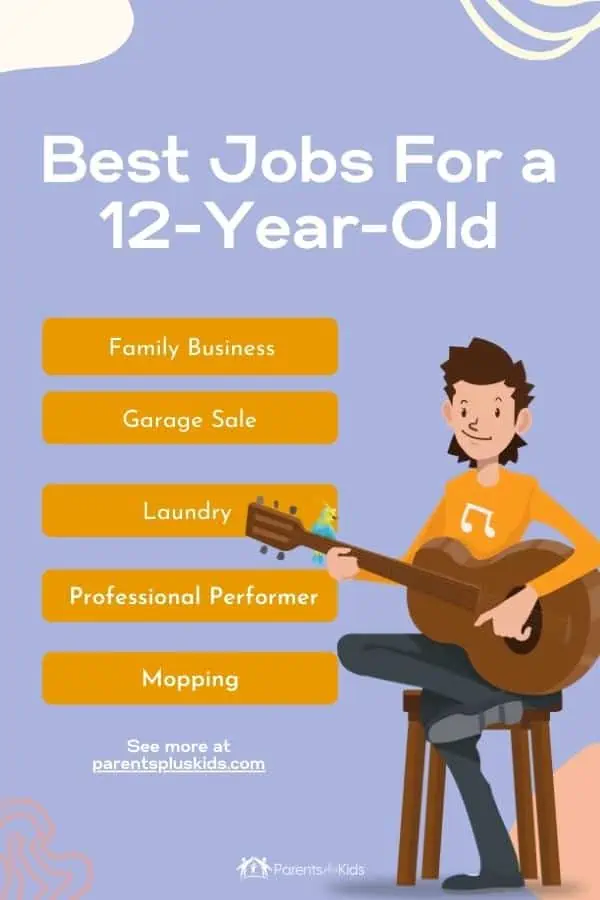
- Lawn Mowing and Yard Work: Offering to mow lawns, rake leaves, pull weeds, or water plants for neighbors can be a consistent source of income, especially during warmer months. This requires access to appropriate, safe equipment and clear instructions.
- Car Washing: A simple yet effective service, car washing can be done manually or with a small pressure washer (under supervision). Charging a flat fee or an hourly rate can be discussed.
- Snow Shoveling: In areas with winter snow, this can be a lucrative, seasonal option for those physically able and with the right equipment.
- Basic House Chores for Neighbors: Beyond their own home, some neighbors might appreciate help with tasks like taking out trash bins, bringing in mail, or tidying up outdoor spaces.
Pet Care Services
Many families with pets require assistance when they are away or busy. This can be a fulfilling way for animal-loving 12-year-olds to earn.
- Dog Walking: Offering to walk neighborhood dogs can be a regular gig, typically with a set schedule. It requires a good understanding of animal behavior and the ability to handle different dog sizes and temperaments.
- Pet Sitting: For shorter periods, a 12-year-old can visit neighbors’ homes to feed pets, refresh water, clean litter boxes, and provide companionship. Overnight stays are generally not suitable for this age group unless a parent is also present.
Childcare and Tutoring
With appropriate maturity and parental approval, a 12-year-old can begin to take on responsibilities caring for younger children or assisting with schoolwork.
- Babysitting (Mother’s Helper): Often, this starts as a “mother’s helper” role, where the 12-year-old assists a parent who is still at home but needs an extra set of hands. As they gain experience, some might progress to sole supervision for short periods, always with clear emergency protocols and parental consent. Basic first aid knowledge is a significant asset.
- Tutoring Younger Kids: A 12-year-old who excels in certain subjects (e.g., elementary math, reading, or a particular school subject) can offer to tutor younger children in their neighborhood. This builds teaching skills and reinforces their own knowledge.
Exploring Digital and Creative Avenues for Earning
The digital age opens up new possibilities for young earners, though these often require more extensive parental involvement, particularly regarding online safety, privacy, and handling transactions. These opportunities can also foster creativity and technical skills.
Content Creation and Digital Assistance (with strict supervision)
While direct monetization of platforms like YouTube or TikTok often has age restrictions (typically 13+ or requires a parent to manage the account), a 12-year-old can still contribute to digital projects.
- Simple Video Editing: If proficient, they could offer to edit short videos for family members, local clubs, or even small community initiatives.
- Graphic Design for Kids’ Events: Designing simple flyers or digital invitations for neighborhood events or small family gatherings using free online tools.
- Assisting with Family Online Businesses: A parent who runs a small online business might involve their 12-year-old in age-appropriate tasks like organizing digital files, basic data entry, or assisting with product photography setup.
Creative Ventures and Hand-Crafted Goods
Entrepreneurship starts small, and creating tangible products can be a rewarding way for a 12-year-old to earn money.
- Handmade Crafts: Selling items like friendship bracelets, custom keychains, homemade greeting cards, or simple knitted/crocheted items at local craft fairs, school bazaars, or through family and friends.
- Baked Goods: Setting up a small bake sale, either independently or as part of a community event, offering cookies, cupcakes, or lemonade. This teaches basic inventory, pricing, and sales skills.
- Reselling Old Items: With parental help, a 12-year-old can sort through old toys, books, or games they no longer use and sell them at garage sales, flea markets, or on online marketplaces (eBay, Facebook Marketplace) under a parent’s account. This introduces concepts of supply, demand, and profit margins.
Cultivating Financial Literacy and Entrepreneurial Skills
Beyond the immediate income, the most significant benefit of a 12-year-old earning money is the invaluable lessons in financial literacy and the development of an entrepreneurial mindset. These experiences lay a foundation for responsible money management in adulthood.
Understanding the Value of Effort and Money
When a 12-year-old earns money directly through their efforts, they gain a tangible understanding of the link between work, time, and monetary reward. This firsthand experience is far more impactful than abstract discussions about finance. They learn that money is a finite resource earned through effort, not simply something that appears. This appreciation can lead to more thoughtful spending habits.
Basic Budgeting and Saving Goals
Earning money provides a perfect opportunity to introduce fundamental personal finance concepts.
- The “Save, Spend, Share” Model: Encouraging a child to divide their earnings into categories for saving (for a larger goal), spending (on immediate wants), and sharing (donating to a cause) is an excellent way to instill balanced financial habits.
- Setting Savings Goals: Whether it’s saving for a new video game, a bike, or even a contribution to a family vacation, having a concrete savings goal makes the concept of delayed gratification more tangible and motivating.
- Tracking Earnings and Expenses: Simple notebooks or digital spreadsheets (with parental guidance) can help a child track how much they’ve earned and how they’ve spent or saved it, providing a visual representation of their financial activity.

Developing Entrepreneurial Mindset
Even small gigs can ignite an entrepreneurial spark. Identifying a need in the community (e.g., “neighbors need help with their yards”), developing a service or product to meet that need, pricing it, and delivering it professionally are all core entrepreneurial skills.
- Customer Service: Learning how to interact politely with clients, fulfill commitments, and handle feedback or complaints are crucial life skills.
- Problem-Solving: Encountering challenges (e.g., a difficult client, unexpected weather, a pricing dilemma) and finding solutions builds resilience and critical thinking.
- Time Management: Juggling earning opportunities with school, homework, and social activities teaches invaluable time management skills.
For a 12-year-old, earning money is more than just about accumulating cash; it’s a foundational experience that teaches responsibility, builds confidence, and provides practical lessons in personal finance and entrepreneurship. With careful parental guidance and a focus on age-appropriate, safe opportunities, these early forays into the world of work can be profoundly enriching.
aViewFromTheCave is a participant in the Amazon Services LLC Associates Program, an affiliate advertising program designed to provide a means for sites to earn advertising fees by advertising and linking to Amazon.com. Amazon, the Amazon logo, AmazonSupply, and the AmazonSupply logo are trademarks of Amazon.com, Inc. or its affiliates. As an Amazon Associate we earn affiliate commissions from qualifying purchases.