
Eroding Brand Identity: From Potent to Perplexing
The Los Angeles Rams, as a sports franchise, represent a powerful and valuable brand within the NFL ecosystem. At the heart of any sports brand’s identity is its on-field product – the team’s performance and style of play. For years, the Rams’ offense, particularly under Sean McVay, was synonymous with innovation, dynamism, and high-scoring theatrics. This established a clear brand promise: exciting, high-octane football. However, recent seasons have seen a notable divergence from this identity, prompting a critical examination of what is “wrong” with the Rams offense through a brand lens.
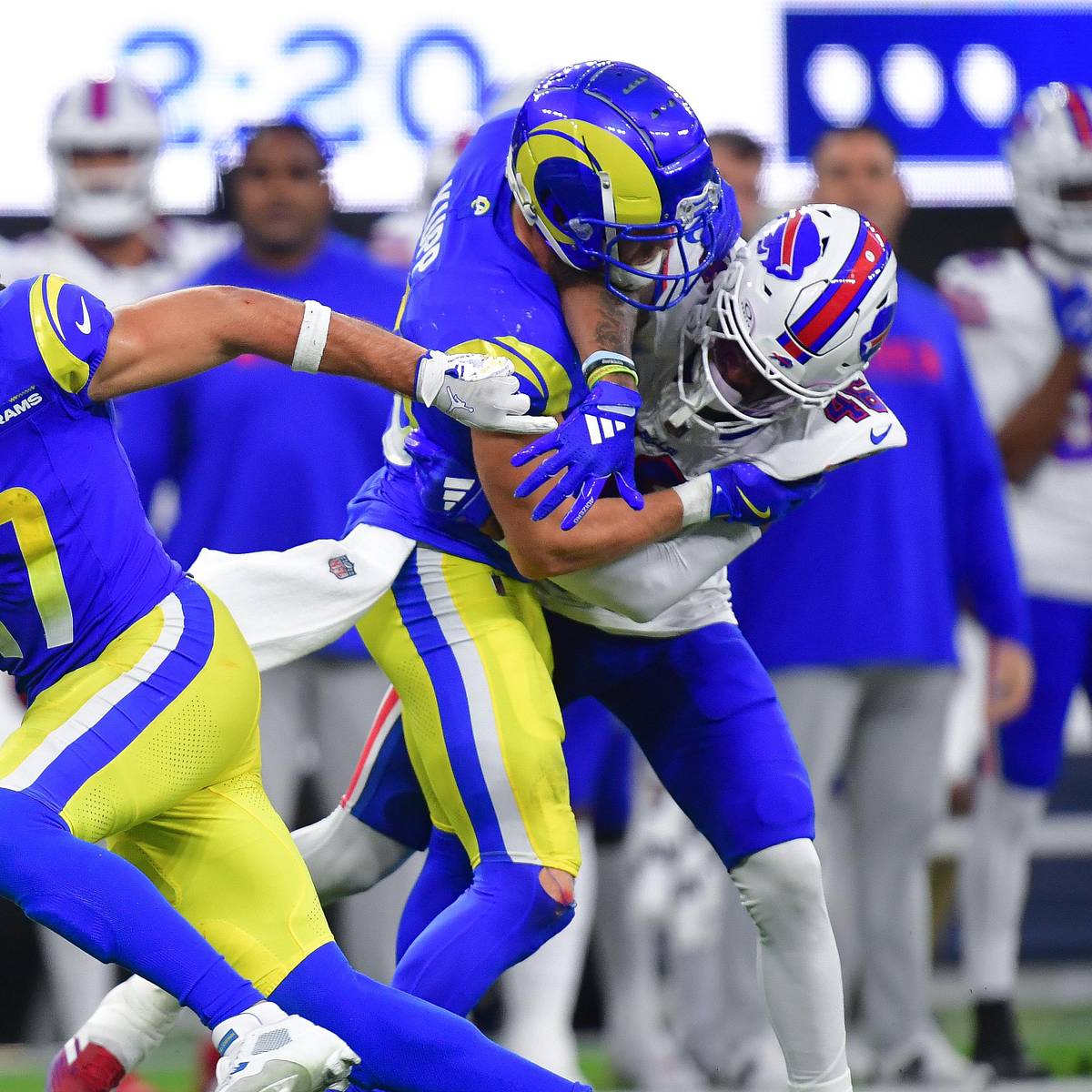
A struggling offense doesn’t merely result in lost games; it fundamentally dilutes the brand’s core offering. When the product fails to deliver on its promise, the brand’s identity shifts from aspirational to questionable. Fans, sponsors, and media develop new, less favorable associations. The sophisticated playbook, once a hallmark of the Rams’ strategic prowess, now often appears predictable or misexecuted, leading to a perception of creative stagnation. This erosion of identity directly impacts how the brand is perceived, marketed, and valued. The once-clear narrative of an offensive juggernaut has fractured, replaced by a story of inconsistency and struggle, which is a critical brand crisis.
The Product Experience: Inconsistent Performance
Every game is a touchpoint in the customer journey for a sports brand. The offense is arguably the most captivating aspect of this “product experience.” When the Rams offense falters, it delivers a sub-optimal experience to its consumers – the fans. Inconsistency, particularly in crucial moments, creates a sense of unreliability. One drive might showcase flashes of brilliance, only for the next four to be marred by turnovers, penalties, or an inability to convert in the red zone. This creates a volatile and unpredictable customer experience, which can be frustrating and ultimately alienating.
From a brand perspective, inconsistency undermines trust. Consumers seek reliability and quality from brands they invest in, be it financially (tickets, merchandise) or emotionally (time, loyalty). An offense that cannot consistently move the ball, protect its quarterback, or finish drives is failing to deliver on the basic promise of competitive entertainment. This directly impacts repeat engagement, as disillusioned fans may be less likely to tune in or attend games, weakening the brand’s direct connection with its core audience. The perceived value of the “Rams football” product diminishes when the on-field execution doesn’t meet the brand’s own historical standards or fan expectations.
Strategic Misalignments: Brand Promise vs. Reality
A brand’s strategy dictates how it positions itself in the market and how it intends to deliver value. For a sports team, this involves a confluence of player acquisition, coaching philosophy, and overall roster construction. When the offense struggles, it often points to a strategic misalignment where the current reality of the on-field product deviates significantly from the brand’s communicated promise or its desired competitive standing.
The Rams’ brand, particularly post-Super Bowl LVI, has been associated with a “win-now” mentality, characterized by aggressive spending and trading for veteran talent. This high-stakes strategy creates a brand promise of elite performance. However, if the offense, a cornerstone of this promise, fails to materialize its potential, the strategic choices appear flawed. The investment made in key offensive personnel – from a veteran quarterback to star receivers – loses its perceived value when the collective unit underperforms. This creates a disconnect: the brand markets itself as a contender, but the offensive output suggests otherwise.
Talent Utilization and Design Flaws
The effective deployment of talent is a core aspect of strategic brand management. In the context of the Rams offense, questions arise regarding whether the offensive scheme effectively leverages the unique strengths of its star players. A brand’s design, whether it’s a product’s aesthetic or a sports team’s playbook, must be intuitive, efficient, and maximize its components. If the play-calling or offensive structure appears rigid, predictable, or fails to create favorable matchups, it suggests a design flaw that limits the brand’s ability to perform at its peak.

Furthermore, issues such as offensive line protection, running game consistency, and receiver separation are not merely tactical failures; they are operational weaknesses that impede the overall “product design.” A brand cannot consistently deliver an excellent product if its foundational elements are unstable. When the offensive line, for instance, cannot adequately protect the quarterback, it not only leads to sacks but also forces hurried decisions, limits downfield opportunities, and effectively “breaks” the brand’s offensive strategy from the snap. This is a critical design challenge that requires a holistic strategic reassessment.
Impact on Brand Equity and Marketability
The struggles of the Rams offense have tangible repercussions for the franchise’s overall brand equity and marketability. Brand equity, the total value of a brand as a distinct asset, is built upon performance, perception, and fan loyalty. A prolonged period of offensive underperformance can depreciate this value, making it harder for the brand to attract new fans, retain existing ones, and secure premium partnerships.
A high-performing, exciting offense is a powerful marketing tool. It drives viewership, merchandise sales, and ticket demand. When the offense falters, the narrative becomes less compelling for broadcasters, advertisers, and potential corporate sponsors. Why invest in associating with a brand whose core product (the on-field performance) is inconsistent or uninspiring? The luster of the Rams brand, once brightened by offensive fireworks, dims when those explosions are few and far between.
Sponsorships and Fan Engagement
Corporate partnerships are a vital revenue stream for sports brands, and these relationships are heavily influenced by the team’s on-field success and public appeal. An anemic offense presents challenges for the sales and marketing teams attempting to land lucrative sponsorship deals. Sponsors look for brands that offer positive association, broad reach, and an exciting platform to showcase their products. A struggling offense limits these opportunities, potentially leading to less favorable terms or a decrease in partnership value over time. The excitement generated by a dynamic offense translates into engaged fans, who are more likely to purchase team merchandise, engage with digital content, and consume sponsor advertisements.
Moreover, fan engagement is the lifeblood of a sports brand. A vibrant offense fuels passion, discussion, and community. When the offense sputters, it dampens the collective spirit, leading to declining enthusiasm in stadiums and on social media. This erosion of engagement can manifest in lower attendance, decreased viewership numbers, and a general apathy that is difficult for any brand to overcome. Rebuilding this engagement requires not just wins, but a return to an offensive identity that is captivating and delivers on the brand’s promise of thrilling, competitive football. The current state of the Rams offense demands a strategic brand intervention to reignite passion and restore confidence in its core product.
Rebuilding the Brand Narrative: A Path Forward
To address the fundamental issues with the Rams offense from a brand perspective, the organization must embark on a deliberate strategy to rebuild its offensive narrative. This isn’t merely about winning games; it’s about re-establishing a clear, compelling, and consistent offensive identity that resonates with fans and delivers on the brand’s promise. This involves a multi-faceted approach touching on personnel, strategy, communication, and sustained performance.
The first step is a clear strategic re-evaluation of offensive philosophy. Is the current scheme still the best vehicle for the talent available, or does it need significant adaptation or overhaul? This re-evaluation must lead to tangible changes in execution that are visible to the consumer. Consistency is paramount; the brand must consistently deliver a quality product to regain trust. This might involve shoring up foundational elements like the offensive line, investing in versatile playmakers, or refining play-calling to be more adaptive and less predictable.
Communication and Re-education of the Brand
Internally and externally, the Rams brand needs to communicate its commitment to improving the offensive product. This isn’t about empty promises, but about showcasing a strategic path forward. For fans, this could mean highlighting new talent acquisitions, detailing strategic adjustments, or emphasizing a renewed focus on execution and fundamentals. Transparent communication, even during difficult periods, helps manage expectations and rebuild rapport.
Ultimately, the most powerful brand messaging will come from the on-field product itself. A sustained period of offensive improvement, characterized by efficiency, excitement, and consistent scoring, will be the most effective way to re-educate the market about the Rams’ offensive brand. This will naturally lead to renewed fan engagement, increased media positivity, and a more attractive platform for corporate partners. Rebuilding the offense isn’t just a football challenge; it’s a critical branding exercise that aims to restore the Los Angeles Rams’ identity as a formidable and thrilling competitor in the NFL landscape.
aViewFromTheCave is a participant in the Amazon Services LLC Associates Program, an affiliate advertising program designed to provide a means for sites to earn advertising fees by advertising and linking to Amazon.com. Amazon, the Amazon logo, AmazonSupply, and the AmazonSupply logo are trademarks of Amazon.com, Inc. or its affiliates. As an Amazon Associate we earn affiliate commissions from qualifying purchases.