
In the labyrinthine world of the legal system, individuals facing criminal charges often confront significant financial hurdles, particularly concerning bail. The concept of a personal recognizance (PR) bond emerges as a critical mechanism offering substantial financial relief, enabling a defendant’s release from custody without the immediate burden of cash payment. From a personal finance perspective, understanding PR bonds is crucial for anyone navigating the costly implications of legal entanglements. It represents a court’s trust in an individual’s promise to appear for all scheduled court dates, foregoing the need for monetary collateral. This financial leniency can be a game-changer, preventing economic hardship and preserving an individual’s financial stability during an already stressful period.

Understanding Personal Recognizance (PR) Bond: A Financial Relief Mechanism
A personal recognizance bond, often simply called a “PR bond” or “OR release” (Own Recognizance), is a legal agreement where a defendant is released from jail solely on their written promise to appear in court for all required proceedings. The fundamental utility of a PR bond lies in its ability to circumvent the typical financial demands of bail, which can range from hundreds to hundreds of thousands of dollars. This form of release is granted by a judge who believes the defendant poses a minimal flight risk and is not a danger to the community, making it a pivotal tool for financial management in a legal context.
What is a PR Bond and Why it Matters Financially
At its core, a PR bond is a commitment, not a cash transaction. Unlike traditional bail, which requires an upfront payment (either directly to the court or through a bail bondsman), a PR bond requires no immediate financial outlay from the defendant or their family. This distinction is paramount for personal finance. For individuals with limited savings, a PR bond can mean the difference between maintaining employment and supporting their family from outside jail walls, or being incarcerated due to an inability to afford bail. It avoids the need to liquidate assets, take out high-interest loans, or burden loved ones with unexpected debt, thereby safeguarding an individual’s financial equilibrium during a time of crisis.
How it Differs from Cash Bail or Surety Bonds
The financial contrasts between a PR bond and other forms of bail are stark. Cash bail demands the full bail amount be paid to the court, which is refundable (less administrative fees) if the defendant appears as required. While refundable, the initial sum can be prohibitive, often leading to prolonged detention for those lacking immediate liquidity. Surety bonds, typically arranged through a bail bondsman, involve paying a non-refundable premium (usually 10-15% of the total bail amount) to a third party who then guarantees the full amount to the court. This premium is a permanent financial loss, irrespective of the case outcome. In contrast, a PR bond carries no such upfront financial cost, representing the most economically advantageous form of pretrial release. This lack of financial obligation on the defendant’s part underscores its utility as a powerful tool for preserving personal financial resources.
The Legal Basis for PR and its Economic Implications
Judges consider several factors when deciding whether to grant a PR bond, including the nature and severity of the alleged crime, the defendant’s criminal history, community ties (such as employment, family, and property ownership), and overall flight risk. From an economic perspective, these factors indirectly reflect an individual’s financial stability and embeddedness within a community, which often correlates with a lower perceived risk of non-appearance. For instance, a defendant with a stable job and local family connections is often seen as having more to lose financially and socially by fleeing, making them a more suitable candidate for PR. The court, in essence, is making an economic assessment, balancing the risk of non-appearance against the social and financial costs of unnecessary incarceration.
The Financial Advantages for Defendants
For an individual accused of a crime, securing release on personal recognizance offers a cascade of financial benefits that extend far beyond simply avoiding an upfront payment. These advantages are crucial for maintaining financial stability and minimizing the economic fallout of legal proceedings.
Avoiding Immediate Out-of-Pocket Expenses
The most immediate and tangible financial benefit of a PR bond is the complete absence of any requirement for immediate cash payment. In a situation where an individual is suddenly facing legal charges, the unexpected demand for bail money can trigger immense financial stress. Many do not have thousands of dollars readily available, and forcing them to find such funds often means resorting to high-interest loans, draining savings intended for emergencies, or appealing to friends and family for financial assistance. A PR bond eliminates this immediate financial strain, allowing the defendant to focus their resources on legal defense and daily living expenses rather than scrambling for bail money.
Preventing Financial Hardship and Debt
The ripple effect of not being able to afford bail can lead to significant financial hardship. Prolonged detention can result in job loss, particularly for those in hourly wage positions or roles without generous leave policies. Loss of income directly impacts an individual’s ability to pay rent, mortgages, utilities, and other essential bills, potentially leading to eviction, utility shut-offs, and accruing debt. For families, the loss of an income earner can be catastrophic, pushing them into poverty. A PR bond prevents this downward financial spiral by allowing the defendant to return to their life and responsibilities, thus preserving their income stream and mitigating the risk of accumulating substantial debt due to incarceration.
Maintaining Employment and Income
One of the most critical financial benefits of a PR bond is the ability to maintain employment. For many, continued employment is not just about income; it’s about health insurance, retirement contributions, and overall financial security. Spending days or weeks in jail while awaiting trial can easily lead to termination, especially in at-will employment states. With a PR bond, defendants can often continue working, attending court appearances as scheduled without missing an extended period of work. This continuity of income is vital not only for supporting themselves and their families but also for funding their legal defense without depleting all their financial resources.
Preserving Assets
In the absence of a PR bond, individuals might be compelled to sell valuable assets such as vehicles, liquidate investments, or even take out a second mortgage on their home to secure bail money. These actions can have long-lasting negative impacts on their personal balance sheet and future financial well-being. A PR bond ensures that such drastic measures are unnecessary, allowing individuals to preserve their hard-earned assets. This asset preservation is not merely about retaining property; it’s about maintaining long-term financial stability and avoiding decisions made under duress that could have irreversible financial consequences.
Conditions and Compliance: The Financial Stakes
While a PR bond offers significant financial relief by eliminating upfront bail costs, it comes with a strict set of conditions. Adherence to these conditions is paramount, as failure to comply can instantly erase all the financial advantages, leading to new and potentially greater financial burdens. Understanding these financial stakes is critical for anyone released on personal recognizance.

Typical Conditions for PR Release
Judges impose various conditions to ensure public safety and the defendant’s appearance in court. These can include mandatory regular check-ins with a pretrial services officer, restrictions on travel (often limited to a specific county or state), curfews, participation in drug testing or substance abuse counseling, electronic monitoring (such as an ankle bracelet), or refraining from contact with certain individuals. Each of these conditions, while seemingly non-monetary, carries potential financial implications. For instance, attending drug tests or counseling sessions may incur travel costs, lost wages, and co-pays. Electronic monitoring devices often come with installation and daily rental fees, which the defendant may be responsible for. Therefore, it’s crucial to factor in these potential indirect costs when considering the true financial impact of a PR bond.
Consequences of Non-Compliance: What Happens When You Break PR
The financial risks associated with violating PR bond conditions are substantial. If a defendant fails to appear in court, violates a curfew, fails a drug test, or breaches any other condition, the court can revoke the PR bond. This revocation typically leads to immediate re-arrest. Once arrested, the individual will likely be held without bail or have a significantly higher cash bail amount set, effectively negating the initial financial benefit of the PR bond. This means the defendant or their family might then be forced to come up with a large sum of money or pay a bondsman’s premium, which they had initially avoided. Furthermore, failing to appear can lead to additional charges, such as “failure to appear,” which carry their own legal fees, fines, and potential jail time, exacerbating the financial strain.
The Importance of Adherence to Avoid Financial Pitfalls
Given the severe financial repercussions of non-compliance, strict adherence to all PR bond conditions is not merely a legal obligation but a critical strategy for financial risk management. Defendants must meticulously track court dates, comply with all reporting requirements, and fully understand any restrictions placed upon them. Any misstep can result in re-incarceration, loss of employment, accumulation of new legal fees, and the eventual imposition of a cash bail that was initially avoided. From a personal finance perspective, a PR bond is a conditional financial reprieve. Treating it with the utmost seriousness is essential to maintain the financial advantages it offers and avoid plunging into deeper financial distress. Effective communication with legal counsel regarding any difficulties in meeting conditions can sometimes mitigate negative outcomes, highlighting the ongoing financial value of professional legal guidance.
Who Qualifies? Assessing Financial Risk and Reliability
The decision to grant a personal recognizance bond is not automatic; it’s a judicial assessment of risk, heavily influenced by factors that indirectly speak to an individual’s financial stability and reliability. Courts aim to minimize the risk of a defendant fleeing or posing a danger to the community, and these considerations often intersect with an individual’s financial and social embeddedness.
Factors Courts Consider
Judges typically weigh several key factors to determine eligibility for a PR bond. These include the severity of the alleged offense (misdemeanors are more likely than serious felonies), the defendant’s ties to the community (such as local residency, employment history, family roots, and property ownership), their prior criminal record (especially any history of failing to appear in court), their financial resources (paradoxically, as it relates to flight risk – those with more financial ties to the community are less likely to flee), and their general character. From a financial perspective, a stable job, long-term residence, and family responsibilities indicate that an individual has significant financial and social capital invested in their current location, making them less likely to abscond. Conversely, someone with no fixed address, unstable employment, or limited community ties might be perceived as a higher flight risk, thus less suitable for a PR bond.
The Role of Legal Counsel in Securing PR
Engaging an experienced attorney is an investment that can yield significant financial returns, particularly in securing a PR bond. A skilled lawyer can effectively argue a defendant’s case for release on personal recognizance by presenting a compelling narrative of their community ties, stable employment, lack of flight risk, and other factors that demonstrate reliability. They can gather supporting documents—such as proof of employment, lease agreements, utility bills, and letters of support from family or employers—that underscore the defendant’s embeddedness and financial stability. This proactive legal intervention can be the deciding factor, ultimately saving the defendant the substantial costs associated with cash bail or a bail bondsman’s premium, making the legal fees an economically sound decision.
Situational Contexts Where PR is More Likely
While every case is unique, PR bonds are generally more common in certain situations. Defendants accused of non-violent misdemeanors, those with no prior criminal history, or individuals with strong, verifiable ties to the community are often stronger candidates. First-time offenders or those with minor infractions may also be viewed favorably. Conversely, individuals accused of violent felonies, those with a history of failing to appear in court, or those deemed a danger to others are far less likely to qualify for PR. From a financial viewpoint, the perceived lower risk associated with these contexts makes it a more prudent decision for the court to grant release without financial collateral, reducing the overall burden on the justice system and the defendant’s personal finances.
Long-Term Financial Implications and Considerations
While a personal recognizance bond eliminates the immediate financial burden of bail, it’s crucial for individuals to understand that “free” in this context does not mean “without any cost.” The legal process itself carries inherent expenses, and careful financial planning remains essential even after release on PR.
The True Cost of a “Free” Bond
The primary benefit of a PR bond is avoiding upfront bail costs. However, individuals released on PR will still incur other significant expenses related to their legal case. These include, but are not limited to, attorney fees, court costs, potential fines if convicted, and any restitution orders. Furthermore, time spent attending court hearings, legal consultations, or fulfilling other court-mandated obligations (like drug tests or counseling) can translate into lost wages or income, particularly for hourly workers. These indirect costs must be budgeted for, as they represent the “true cost” of navigating the legal system, even with the financial advantage of a PR bond. Neglecting to plan for these ongoing expenses can lead to financial strain down the line, despite the initial reprieve from bail.
Budgeting for Post-Release Expenses
Effective financial planning is paramount for individuals released on a PR bond. It’s advisable to create a detailed budget that accounts for all potential post-release expenses. This budget should include funds for ongoing legal fees, transportation to and from court appearances or required programs, potential fees for electronic monitoring (if ordered), and the general maintenance of personal finances (rent, utilities, food) while managing legal obligations. It’s also wise to set aside an emergency fund if possible, as the legal process can be unpredictable and may incur unforeseen costs. Proactive budgeting helps ensure that the financial relief provided by a PR bond is not undermined by an inability to cover these subsequent, inevitable expenses.
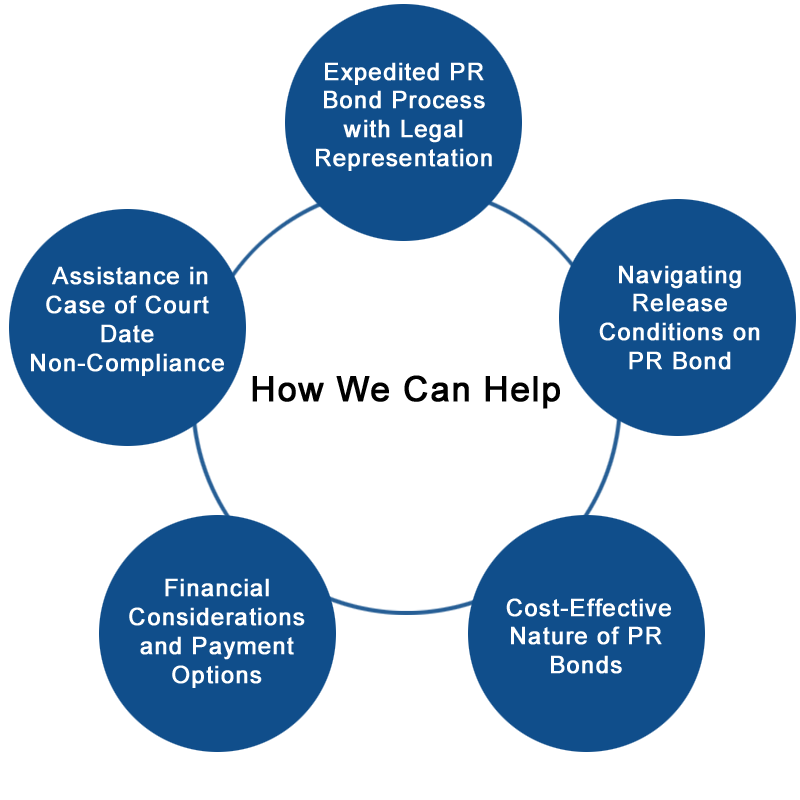
When PR May Not Be the Best Option
While generally advantageous, there might be rare scenarios where a PR bond, specifically due to its conditions, might present unique financial challenges that warrant careful consideration. For instance, if the conditions imposed, such as mandatory daily reporting or expensive electronic monitoring with fees, are financially or logistically overwhelming for a defendant, it might be worth exploring alternatives. If fulfilling these conditions would lead to job loss or significant additional expenses that outweigh the initial bail cost (if it were low), a defendant and their counsel might consider other options. However, these situations are typically rare, and for the vast majority, the financial relief offered by a PR bond far outweighs any indirect costs. The strategic use of a PR bond is usually the most financially prudent choice, providing crucial breathing room to manage the daunting financial landscape of legal proceedings.
aViewFromTheCave is a participant in the Amazon Services LLC Associates Program, an affiliate advertising program designed to provide a means for sites to earn advertising fees by advertising and linking to Amazon.com. Amazon, the Amazon logo, AmazonSupply, and the AmazonSupply logo are trademarks of Amazon.com, Inc. or its affiliates. As an Amazon Associate we earn affiliate commissions from qualifying purchases.