
A single-car garage, at its core, serves a singular purpose: to house one vehicle. However, the exact dimensions that define “one car” are more nuanced than a simple measurement, carrying significant financial implications for homeowners, investors, and those planning property improvements. Understanding these dimensions, and the rationale behind them, is crucial for assessing property value, planning construction costs, optimizing utility, and ultimately, making sound financial decisions related to real estate.
Standard Dimensions and Their Financial Baseline
The term “standard” in construction often implies a minimum practical requirement, and for a 1-car garage, this holds true. Generally, a standard single-car garage measures approximately 10 feet wide by 20 feet deep (10′ x 20′). This provides just enough space for a typical sedan or small SUV to park, allowing for minimal clearance around the vehicle. The garage door itself is typically 8 to 9 feet wide, and 7 to 8 feet high.
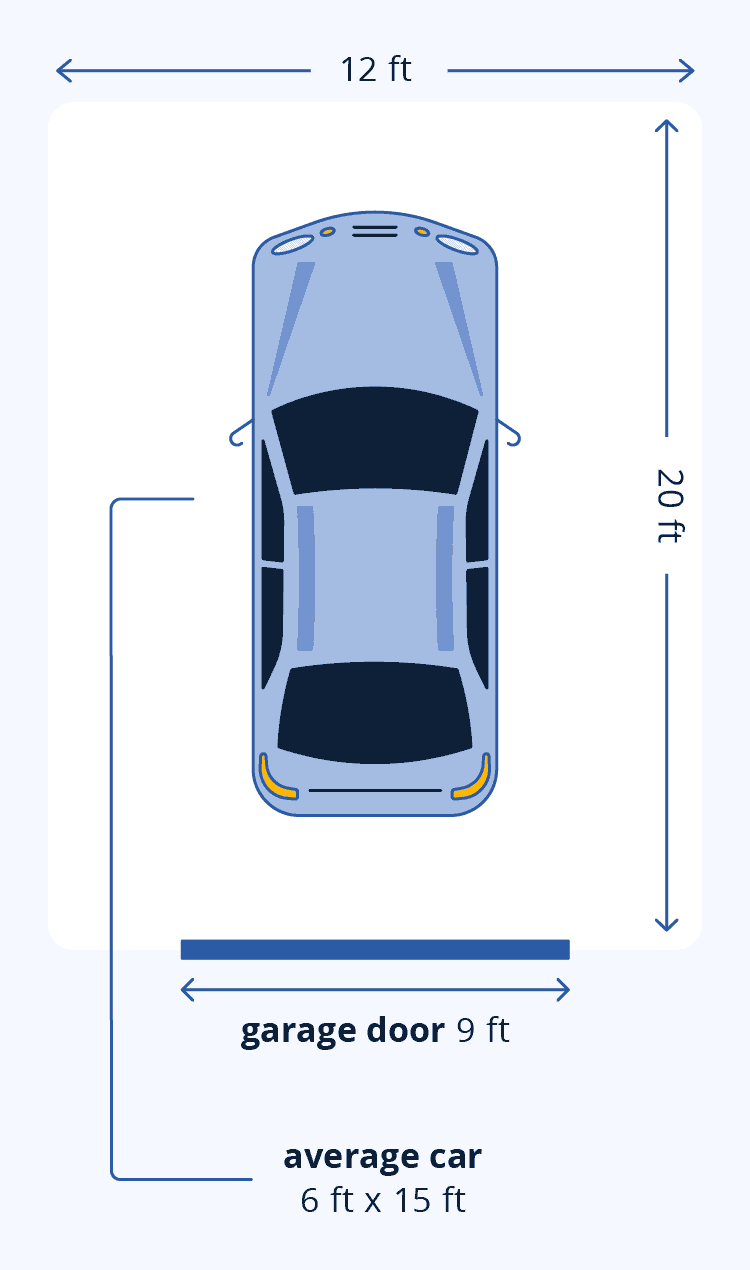
From a financial perspective, these standard dimensions represent the lowest common denominator in property valuation concerning garage space.
- Construction Costs: Building to these minimums usually entails the lowest material and labor costs per square foot for the structure itself. However, exceeding these minimums often provides a better return on investment over time.
- Property Appraisal: Appraisers will recognize this as adequate parking, but it doesn’t typically add premium value. It’s an expected amenity rather than a significant value-add for many properties. Properties without a garage, or with one that is undersized for modern vehicles, often see a negative impact on appraisal value and marketability.
- Market Expectations: In many housing markets, a functional single-car garage is a basic expectation. Falling short of these dimensions can deter potential buyers or necessitate price reductions.
It’s important to note that while 10’x20′ is a baseline, a more comfortable standard that allows for slightly larger vehicles and minimal storage or maneuverability often hovers around 12 feet wide by 22 to 24 feet deep (12′ x 22′-24′). This incremental increase in size, while adding to initial construction costs, can significantly enhance the perceived value and practical utility of the garage, often leading to a better return on investment.
Beyond the Minimum: Factors Influencing Optimal Size and Investment
While standard dimensions offer a baseline, various factors should be considered when determining the optimal size for a 1-car garage, each with direct financial implications related to construction, resale value, and functional investment.
Vehicle Size and Future-Proofing Investment
The dimensions of a single-car garage are inherently tied to the size of the vehicle it will house. A compact car can comfortably fit into a 10’x20′ space, but larger sedans, SUVs, or trucks will quickly make that space feel cramped or even unusable.
- Current Vehicle Needs: If the current vehicle is large, investing in a wider (e.g., 12-14 feet) and deeper (e.g., 22-24 feet) garage becomes a necessity rather than a luxury. The cost of a slightly larger footprint is often far less than the long-term financial headache of insufficient parking or damage to a vehicle.
- Future Market Trends: Consider the trend towards larger family vehicles and electric vehicles (EVs), which often require dedicated charging infrastructure. A garage that can comfortably accommodate these larger vehicles and potential charging stations (a wiring upgrade, for example, is a significant upfront cost) will have a higher intrinsic value and broader market appeal in the future. Investing in a slightly larger footprint now minimizes the risk of costly retrofits or the devaluation of the garage space later.

Storage Requirements and Maximizing Asset Utility
A garage often serves more purposes than just parking a car. It’s a common area for storing tools, sporting equipment, seasonal items, and household overflow.
- Dedicated Storage Space: A 10’x20′ garage offers virtually no dedicated storage space once a car is parked. Increasing the width to 12-14 feet allows for shelving, cabinets, or even a small workbench along one wall, significantly enhancing its utility. This extra space prevents clutter from encroaching on living areas, which can positively impact the perceived value of the entire home.
- Monetizing Space: For homeowners considering side hustles or small home-based businesses (e.g., woodworking, automotive repair, craft production), the garage can become a critical asset. A garage that is at least 12’x24′ or larger provides enough room for both a vehicle and a functional workspace. The financial return on this investment can be direct, through increased income generation, or indirect, through savings on renting external storage or workshop space. The initial investment in a larger garage can be viewed as an investment in business infrastructure.
Maneuverability and Safety as Financial Safeguards
Tight garages can lead to frustrating parking experiences, increased risk of dinging car doors, and even minor collisions with walls or stored items.
- Reducing Damage Risk: Allowing an extra foot or two on either side of the vehicle for opening doors safely can prevent costly paint repairs or bodywork. This seemingly small convenience translates into tangible financial savings over the lifespan of a vehicle.
- Ease of Access: For properties with tight driveways or challenging ingress/egress, a slightly wider garage door (e.g., 9 feet instead of 8 feet) combined with a wider interior can greatly simplify parking. While wider doors have slightly higher material costs, they contribute to a smoother daily experience and can be a selling point, particularly for buyers who prioritize convenience.
Financial Implications of Garage Size in Real Estate and Investment
The size and functionality of a 1-car garage have profound financial implications for homeowners and real estate investors. It’s not just about square footage; it’s about perceived value, marketability, and long-term financial health.
Property Value and Appraisal Impact
A garage’s dimensions directly influence a property’s market value.
- Positive Appraisal: A well-sized, functional single-car garage that meets modern needs can significantly contribute to a higher appraisal value. It signals a complete and well-maintained property.
- Negative Appraisal: An undersized or dilapidated garage, or one that cannot accommodate typical vehicles, can negatively impact appraisal. In some cases, it might be valued as simply “storage space” rather than dedicated vehicle housing, diminishing its perceived value.
- Comparison to Comps: Real estate agents and appraisers often compare properties based on features like garage size. A property with a larger, more versatile 1-car garage will often fare better in comparisons than one with a bare-minimum size, potentially commanding a higher selling price. This is especially true in areas where garage space is at a premium.
Construction, Expansion, and ROI
For homeowners considering adding or expanding a 1-car garage, understanding the cost-benefit analysis is critical.
- Cost Per Square Foot: While larger dimensions mean higher overall costs, the cost per additional square foot for a marginal increase in size is often less significant than one might think, especially for foundational and roofing elements. The economies of scale can make a slightly larger garage a better value proposition.
- Return on Investment (ROI): Adding a garage or expanding an existing one is generally considered a strong home improvement for ROI. While the exact ROI varies by market, a functional 1-car garage can recoup a significant portion of its cost upon resale. Opting for a size that offers greater utility (e.g., allowing for a workbench or storage) often enhances this ROI by appealing to a broader range of buyers.
- Future-Proofing for Maintenance and Upgrades: A garage built with slightly larger dimensions provides flexibility for future upgrades like EV charging stations, improved insulation, or even converting a portion into a small office or gym without sacrificing essential parking space. These adaptable features add long-term value and avoid the costs associated with entirely rebuilding or undertaking major structural changes down the line.
Insurance and Property Taxes
The size and construction of a garage can also impact ongoing financial obligations.
- Insurance Premiums: Insurers factor in the overall square footage and construction type of attached and detached structures. A larger, more robust garage might incur slightly higher premiums, but the protection it offers for a valuable vehicle or stored assets outweighs this. Insuring specific valuable items within the garage might also be necessary.
- Property Taxes: As part of the overall property assessment, a garage adds to the taxable value of a home. A larger garage will generally result in a higher assessed value and thus higher property taxes. Homeowners should factor this into their long-term financial planning for property ownership.

Leveraging Garage Space for Financial Gain
Beyond direct property value, a well-sized 1-car garage can offer opportunities for income generation or significant cost savings.
- Home-Based Business: As mentioned, a larger garage can be the foundation for a variety of side hustles or small businesses. This could range from auto detailing, small engine repair, custom woodworking, or even storage and fulfillment for an e-commerce venture. The initial investment in a functional space pays dividends through earned income.
- Reduced External Storage Costs: Many households rent external storage units for items that don’t fit in their homes. A garage designed with ample storage space can eliminate these recurring monthly expenses, leading to substantial long-term savings.
- Tool and Equipment Investment Protection: For enthusiasts or professionals who own expensive tools or equipment, a secure, climate-controlled garage protects these assets from theft, damage, and weather, thereby preserving their value and avoiding costly replacements.
In conclusion, while the minimum size for a 1-car garage is roughly 10’x20′, understanding the financial implications of these dimensions – and the benefits of opting for slightly larger measurements – is critical. From enhancing property value and attracting buyers to supporting home-based businesses and reducing ongoing expenses, the dimensions of a single-car garage are not merely architectural specifications but integral components of a homeowner’s financial landscape.
aViewFromTheCave is a participant in the Amazon Services LLC Associates Program, an affiliate advertising program designed to provide a means for sites to earn advertising fees by advertising and linking to Amazon.com. Amazon, the Amazon logo, AmazonSupply, and the AmazonSupply logo are trademarks of Amazon.com, Inc. or its affiliates. As an Amazon Associate we earn affiliate commissions from qualifying purchases.