
The Financial Imperative of Aviation Safety
In the high-stakes world of commercial aviation, safety is not merely an operational concern; it is a fundamental financial pillar. For airlines, the commitment to safety permeates every aspect of their business model, directly impacting their balance sheets, market valuation, and long-term viability. Unlike almost any other industry, a severe safety lapse can lead to catastrophic financial consequences, from immediate losses due to grounded fleets and accident investigations to long-term erosion of brand equity, plummeting stock prices, and potentially crippling legal liabilities. Therefore, understanding “the safest airline” in the United States requires an astute examination through a financial lens, recognizing that robust safety is intrinsically linked to robust financial health and strategic investment.
Safety as a Core Business Investment
Aviation safety is an ongoing, significant capital and operational expenditure. It encompasses everything from the acquisition of new, technologically advanced aircraft to rigorous maintenance programs, continuous pilot and crew training, state-of-the-art air traffic control integration, and the implementation of advanced safety management systems (SMS). These are not optional costs; they are non-negotiable investments that protect an airline’s assets, employees, passengers, and ultimately, its financial future. Airlines that consistently prioritize and allocate substantial resources to these areas demonstrate a strategic understanding that safety is not a cost center to be minimized, but a value driver that underpins operational excellence and financial stability. A financially robust airline is better positioned to make these critical investments, affording itself the luxury of proactive rather than reactive safety measures, newer fleets, and continuous training upgrades.
Regulatory Compliance and Its Cost
The Federal Aviation Administration (FAA) and other international bodies impose stringent safety regulations on U.S. carriers. Compliance with these rules is an immense financial undertaking. It involves dedicated teams managing regulatory affairs, investing in compliant equipment and procedures, conducting frequent internal and external audits, and meticulously documenting every aspect of operations. Non-compliance can result in substantial fines, operational restrictions, and a public relations nightmare that directly translates to financial losses through reduced bookings and investor skepticism. For instance, a temporary grounding of a subset of an airline’s fleet due to an inspection mandate can cost millions in lost revenue, rerouting expenses, and passenger compensation. Therefore, an airline’s consistent track record of regulatory compliance is a financial indicator of its operational discipline and commitment to avoiding costly penalties and disruptions.
Deciphering Safety Metrics: Beyond the Headlines
When evaluating airline safety, the public often focuses on high-profile incidents or accident statistics. However, a deeper financial and operational analysis delves into a broader spectrum of metrics that reveal an airline’s proactive safety posture, long before a major incident occurs.
Operational Incident Data vs. Public Perception
While major accidents are thankfully rare, minor incidents and operational disruptions occur more frequently. These can include mechanical issues requiring diversions, runway incursions, or severe turbulence encounters. From a financial perspective, each incident, regardless of severity, incurs costs: fuel for diversions, repair expenses, passenger reaccommodation, crew rest requirements, and potential delays that cascade across the network. Airlines with consistently lower rates of such incidents, especially those that meticulously track and learn from “near-misses,” are often indicative of superior operational management and a culture that financially invests in preventative measures and continuous improvement. Public perception of safety, while influenced by media, is also slowly shaped by the aggregate experience of reliability and incident-free travel, directly impacting ticket sales and brand loyalty.
Fleet Modernization and Capital Expenditure
The age of an airline’s fleet is a significant financial consideration for safety. Newer aircraft typically incorporate advanced safety technologies, require less frequent maintenance, and offer better fuel efficiency. However, acquiring new planes involves substantial capital expenditure, often running into billions of dollars. Airlines that consistently invest in fleet modernization signal a strong financial position and a proactive approach to safety by leveraging the latest advancements in aerospace engineering. Conversely, airlines relying on older fleets may face higher maintenance costs, increased downtime for repairs, and potentially higher operational risks if not managed with exceptional diligence and financial commitment to maintenance. An investor might view an airline’s robust capital expenditure plan for new aircraft as a positive indicator of both financial health and long-term safety strategy.
Maintenance, Training, and Technology Budgets
Behind every safe flight is a massive financial commitment to maintenance, training, and technology.
- Maintenance: Airlines spend billions annually on routine checks, heavy maintenance, and component overhauls. A financially sound airline will not cut corners here, understanding that deferring maintenance to save costs is a false economy that exponentially increases risk and potential future liabilities. The size and quality of an airline’s maintenance budget directly reflect its commitment to operational integrity.
- Training: Pilot proficiency, flight attendant emergency response, and ground crew safety protocols all rely on continuous, rigorous training. This requires significant investment in simulators, instructors, and updated curricula. Airlines with dedicated, well-funded training departments are making a direct financial investment in human capital, which is critical for safety.
- Technology: From advanced avionics and predictive maintenance software to sophisticated weather forecasting systems and cybersecurity for ground operations, technology plays a crucial role. Investing in these technologies is a financial outlay that enhances situational awareness, mitigates risks, and improves overall operational safety.
The Economic Impact of a Safety Record
An airline’s safety record is not an isolated statistic; it is a powerful economic determinant that influences insurance premiums, investor confidence, and consumer behavior.
Insurance Premiums and Risk Mitigation

Airlines carry substantial insurance policies to cover hull damage, passenger liability, and third-party risks. The premiums for these policies are directly correlated with an airline’s safety record. Carriers with a history of fewer incidents and a demonstrated commitment to robust safety management systems typically qualify for lower premiums, presenting a tangible financial advantage. Conversely, a poor safety record can lead to skyrocketing insurance costs, significantly impacting an airline’s operational overhead and profitability. Insurers, like shrewd investors, meticulously evaluate an airline’s risk profile, making their premium calculations a de facto financial assessment of safety performance.
Investor Confidence and Market Valuation
For investors, an airline’s safety record is a critical indicator of management quality, operational stability, and long-term financial health. A consistently safe airline projects an image of reliability and strong governance, which attracts investors and contributes to a higher market valuation. Conversely, safety concerns can trigger a rapid sell-off of stock, as investors perceive increased risk and potential future financial liabilities. Major incidents have historically led to billions in market value erosion, illustrating the profound financial consequences of safety lapses. Therefore, airlines that strategically invest in safety are, in essence, investing in their own stock price and investor appeal.
Consumer Trust and Market Share
While price often drives consumer choice, safety is a non-negotiable baseline. A perception of superior safety can foster deep consumer trust and loyalty, enabling an airline to maintain or even increase market share, even against competitors offering slightly lower fares. Passengers, when making their purchase decisions, indirectly “invest” their money and trust in the airline they choose. An airline known for its impeccable safety record is more likely to be the preferred choice for family travel or business trips, translating directly into higher load factors and stronger revenue streams. This financial benefit reinforces the business case for continuous, substantial investment in safety.
Analyzing U.S. Carriers Through a Financial-Safety Lens
When attempting to identify the “safest” U.S. airline from a financial perspective, it’s less about naming a single winner and more about understanding the underlying financial structures and investment philosophies that contribute to a strong safety profile. Major U.S. carriers, due to stringent FAA oversight, generally operate at extremely high safety standards. The differentiation often lies in the depth of their financial commitment to exceeding these baselines.
Legacy Carriers vs. Low-Cost Carriers: A Resource Perspective
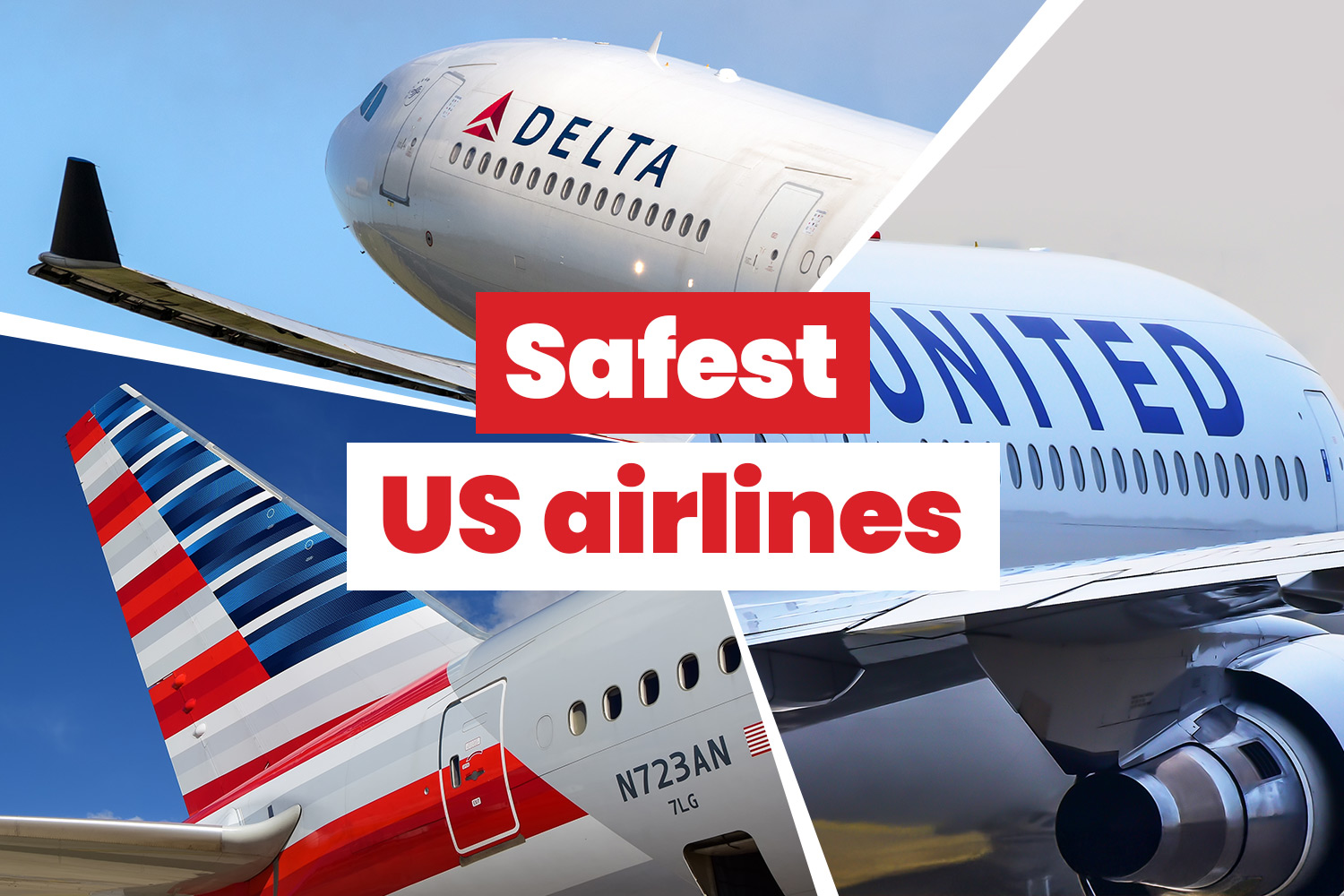
Legacy carriers (e.g., American, Delta, United) often have vast financial resources, established infrastructure, and decades of operational history. This can translate into significant investments in diverse fleets, extensive training programs, sophisticated maintenance facilities, and advanced safety technologies. Their sheer scale often allows for economies of scale in safety infrastructure. Low-cost carriers (e.g., Southwest, Spirit, Allegiant), while equally subject to FAA regulations, typically operate with tighter margins and often with younger, more homogenous fleets (e.g., primarily Boeing 737s for Southwest). While a newer, simpler fleet can paradoxically simplify maintenance and training, their financial model demands extreme efficiency. Evaluating them financially means looking at how they balance cost containment with non-negotiable safety investments. All operate safely under FAA scrutiny, but their financial approaches to sustaining that safety can differ.
The Role of Financial Stability in Sustaining Safety Standards
An airline’s overall financial stability is a critical, albeit indirect, indicator of its capacity to maintain high safety standards. Airlines facing severe financial distress may be tempted to defer non-critical maintenance, delay fleet upgrades, or reduce training budgets—though regulatory oversight aims to prevent this. Conversely, financially robust airlines have the capital to invest proactively in the latest safety enhancements, redundant systems, and comprehensive training, allowing them to remain at the forefront of aviation safety. Investors seeking to mitigate risk would naturally favor airlines demonstrating sustained profitability and healthy balance sheets, as these are prerequisites for continuous safety investment.
External Ratings and Their Financial Underpinnings
Several independent organizations, such as AirlineRatings.com and JACDEC (Jet Airliner Crash Data Evaluation Centre), provide safety ratings for airlines globally. These ratings often consider factors like accident history, regulatory audits, fleet age, and safety initiatives. While not directly financial metrics, these evaluations are implicitly tied to an airline’s financial capability to invest in and sustain high safety standards. A top rating from these bodies indicates an airline that has likely made the necessary financial commitments to operational excellence, offering an external validation for passengers and investors alike.
Strategic Investment in Future Safety
The “safest” airline of today is one that is strategically investing in the safety of tomorrow. This forward-looking approach is inherently a financial one, requiring continuous allocation of capital to research, development, and adoption of emerging safety technologies.
Emerging Technologies and Their Financial Commitment
The future of aviation safety involves technologies like artificial intelligence for predictive maintenance, advanced automation in cockpits, enhanced cybersecurity for aircraft systems, and sustainable aviation fuels that reduce environmental risk. Investing in these areas requires substantial R&D budgets and capital expenditure. Airlines that are pioneers in adopting and integrating these technologies are not only enhancing their safety profile but also demonstrating financial foresight and a commitment to long-term operational resilience.
Long-Term Financial Planning for Operational Excellence
Ultimately, the safest airline in the United States is the one whose financial planning consistently prioritizes and budgets for operational excellence. This means setting aside capital for fleet renewal, maintaining robust emergency funds, committing to ongoing training and technological upgrades, and ensuring that safety management systems are not just compliant, but continuously improved. For the financially savvy consumer or investor, identifying the safest airline means looking beyond simple accident statistics to the underlying financial health, investment philosophy, and sustained commitment to safety that truly defines a resilient and responsible air carrier.
aViewFromTheCave is a participant in the Amazon Services LLC Associates Program, an affiliate advertising program designed to provide a means for sites to earn advertising fees by advertising and linking to Amazon.com. Amazon, the Amazon logo, AmazonSupply, and the AmazonSupply logo are trademarks of Amazon.com, Inc. or its affiliates. As an Amazon Associate we earn affiliate commissions from qualifying purchases.