
The Power of Place Branding: Crafting Hawaii’s Island Identities
The quest to identify the “prettiest” island in Hawaii is a deeply subjective one, yet it is profoundly shaped by the meticulous place branding each island cultivates. In the competitive landscape of global tourism, destinations like the Hawaiian islands are not merely geographical locations; they are carefully constructed brands, each with a distinct identity, a compelling narrative, and a targeted appeal. The natural splendor of Hawaii provides an unparalleled foundation, but it is through strategic branding that each island differentiates its unique aesthetic, experience, and emotional resonance for potential visitors.

“Prettiness” in this context transcends mere visual appeal. It encompasses the entirety of an island’s brand—its iconic landmarks, the sensory experiences it offers, the historical narratives it embodies, and the emotional connection it fosters. From the rugged cliffs of Kauai to the urban sophistication of Oahu, the romantic allure of Maui, and the raw power of the Big Island, each destination has meticulously crafted a brand identity that emphasizes specific aspects of its natural beauty and cultural offerings, aiming to capture the hearts and imaginations of distinct traveler segments. Understanding these unique brand strategies helps us appreciate why one island might be deemed “prettiest” by one individual, while another holds that title for someone else. It’s a testament to effective branding—the successful projection of an island’s core identity and its ability to align with a visitor’s desired aesthetic and experiential values.
Maui: Branding Romance, Luxury, and Panoramic Grandeur
Maui’s brand identity is meticulously built around themes of romance, luxury, and breathtaking panoramic grandeur. Often hailed as a honeymoon paradise, its marketing narrative consistently highlights its diverse landscapes, from golden beaches to lush rainforests and volcanic peaks, all presented through an elevated lens of sophistication and escapism.
The Road to Hana: A Journey Through Maui’s Lush Visual Identity
A cornerstone of Maui’s brand is the iconic Road to Hana. This winding coastal highway is branded not just as a drive, but as an immersive journey into the island’s verdant soul. The branding emphasizes the dramatic waterfalls, black sand beaches, and vibrant tropical flora encountered along the way, positioning the route as an essential, almost spiritual, experience that unveils the island’s raw, untamed beauty. The marketing collateral for Hana often features lush, saturated imagery that promises an unforgettable visual feast, reinforcing Maui’s image as a vibrant, natural masterpiece.
Kaanapali and Wailea: Luxury Resorts as Brand Experience
Maui’s western and southern coasts, particularly Kaanapali and Wailea, are central to its luxury branding. Here, meticulously landscaped resorts, championship golf courses, and upscale dining establishments contribute to an image of refined indulgence. The architecture, the service, and the curated experiences—like sunset sailing and gourmet luaus—are all designed to reinforce a brand promise of effortless elegance and aspirational comfort. These areas actively market themselves to a demographic seeking high-end relaxation and an environment that exudes exclusivity and natural beauty harmoniously intertwined with modern amenities. The visual branding often showcases infinity pools merging with the Pacific, designer boutiques, and perfectly manicured beachfronts, signalling a premier vacation experience.
Haleakalā’s Summit: Branding Awe and Transformation
The dormant volcano, Haleakalā, plays a critical role in Maui’s branding of awe and natural spectacle. Its summit, particularly famous for sunrise views, is promoted as a transcendent experience—a place where visitors can witness the birth of a new day above the clouds. The brand narrative around Haleakalā often includes spiritual undertones, emphasizing reflection, wonder, and an almost otherworldly encounter with nature. The visuals associated with Haleakalā are dramatic: stark volcanic landscapes, vibrant sunrises painting the sky, and vistas stretching across the entire island. This element of the brand appeals to those seeking profound natural experiences and a sense of connection to the sublime, reinforcing Maui’s multifaceted aesthetic appeal.
Kauai: The Verdant Brand of Pristine Wilderness and Dramatic Beauty
Kauai, known as the “Garden Isle,” has meticulously branded itself as the embodiment of pristine wilderness and dramatic, untamed beauty. Its identity appeals to those seeking raw nature, adventure, and a sense of secluded paradise, distinguishing it from the more developed Hawaiian islands.
Na Pali Coast: A Dramatic Icon of Kauai’s Brand
The Na Pali Coast is arguably the most iconic visual representation of Kauai’s brand. Its towering emerald cliffs, carved by centuries of wind and water, plunging into the azure Pacific, are a testament to the island’s powerful natural forces. Marketing materials for Kauai invariably feature this majestic coastline, portraying it as an untouched, almost mythical landscape accessible primarily by boat or helicopter, thus adding an element of exclusivity and adventure to its brand. The imagery is often dramatic, emphasizing scale, vibrant colors, and the sheer grandeur of nature, positioning Kauai as a destination for breathtaking visual discovery and intrepid exploration.
Waimea Canyon: Branding the “Grand Canyon of the Pacific”
Another key component of Kauai’s brand is Waimea Canyon, frequently dubbed the “Grand Canyon of the Pacific.” This impressive geological feature reinforces the island’s identity as a place of immense natural wonder and diverse landscapes. The brand narrative highlights the canyon’s vibrant hues—reds, oranges, and greens—and its vastness, inviting visitors to explore its depths through hiking trails and scenic overlooks. By drawing a comparison to a globally recognized landmark, Kauai effectively communicates the scale and impact of its natural beauty, appealing to visitors who appreciate monumental landscapes and geological marvels.
Lush Valleys and Waterfalls: The Essence of Kauai’s Verdant Brand Identity
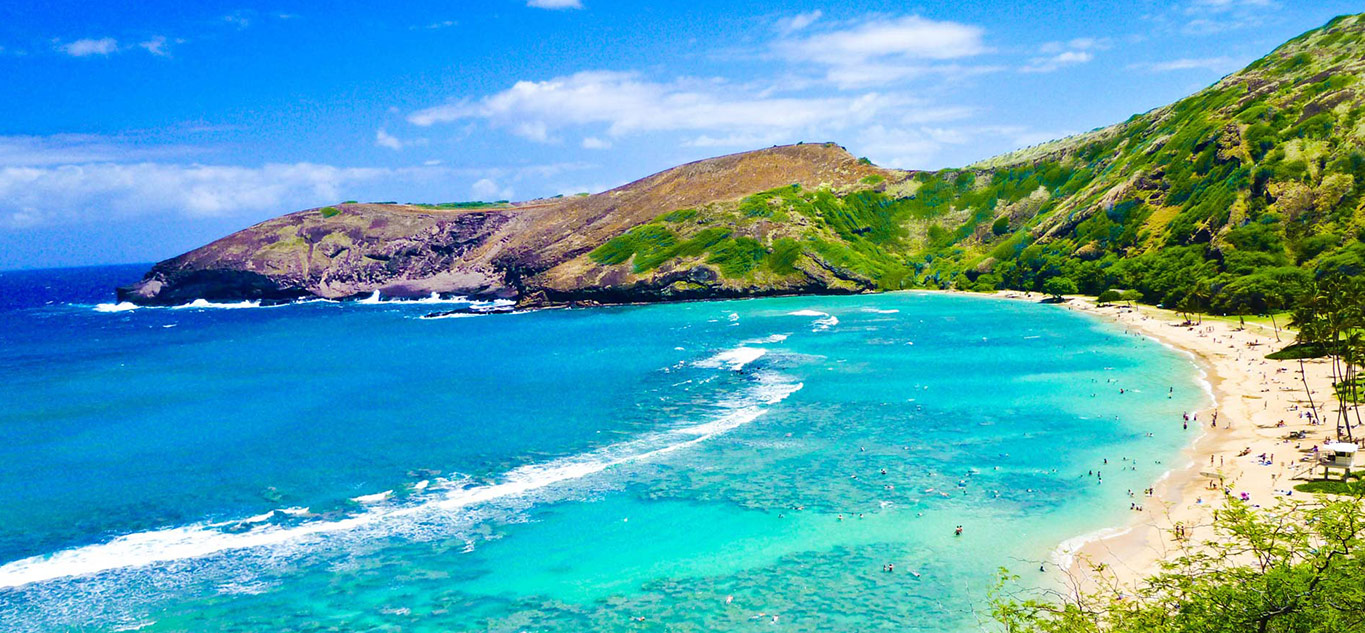
Beyond its dramatic coast and canyon, Kauai’s brand is steeped in its lush, verdant interior. Countless waterfalls, dense rainforests, and fertile valleys are central to its “Garden Isle” moniker. The branding emphasizes a sense of peace, tranquility, and immersion in nature. Activities like kayaking up rivers to secret waterfalls, exploring botanical gardens, and hiking through rich jungle trails are promoted to highlight this aspect of its identity. Visuals often feature cascading water, vibrant tropical foliage, and misty landscapes, positioning Kauai as a haven for nature lovers and those seeking a serene, green escape.
Oahu: Branding Iconic Landscapes and Vibrant Cultural Hubs
Oahu’s brand identity is a dynamic fusion of iconic natural beauty, a rich historical narrative, and a vibrant, accessible urban cultural experience. It positions itself as the “Gathering Place,” offering a diverse array of experiences that cater to a wide audience, from bustling city life to world-famous surf breaks.
Waikiki Beach: The Global Face of Oahu’s Brand
Waikiki Beach is unequivocally the most recognizable face of Oahu’s brand, and by extension, a powerful ambassador for Hawaii tourism globally. Its branding emphasizes accessibility, iconic views of Diamond Head, and a lively atmosphere suitable for families, couples, and solo travelers alike. The visual identity of Waikiki is often characterized by golden sands, active surfers, luxury hotels lining the shore, and the iconic volcanic backdrop. It projects an image of quintessential Hawaiian vacation—sun, surf, and tropical relaxation, seamlessly integrated with shopping, dining, and entertainment, making it a highly marketable and universally appealing segment of Oahu’s brand.
North Shore: Branding Surf Culture and Laid-Back Authenticity
In stark contrast to Waikiki, Oahu’s North Shore cultivates a brand identity centered on authentic surf culture, raw natural beauty, and a laid-back, bohemian vibe. During the winter months, its massive waves become the stage for world-renowned surf competitions, solidifying its brand as the global epicenter of big-wave surfing. The marketing for the North Shore emphasizes a more rustic, adventurous, and authentic Hawaiian experience, appealing to a younger, more active demographic. Visuals often include surfers catching epic waves, food trucks, and local artisans, painting a picture of an unpretentious, thrilling escape from the city. This dual branding—Waikiki’s mass appeal and the North Shore’s niche authenticity—showcases Oahu’s strategic versatility.
Pearl Harbor and Diamond Head: Historical and Natural Icons in Oahu’s Narrative
Beyond its beaches, Oahu leverages its significant historical sites and natural landmarks to enrich its brand narrative. Pearl Harbor is a profound reminder of a pivotal moment in history, adding depth and solemnity to the island’s identity. Its branding emphasizes remembrance, education, and respect, drawing visitors seeking historical understanding. Diamond Head, an iconic volcanic crater overlooking Waikiki, is branded as both a scenic hiking destination and a powerful natural symbol. The panoramic views from its summit are heavily featured in marketing, linking the island’s natural beauty with an active, rewarding experience. These elements collectively broaden Oahu’s appeal, proving that its “prettiness” extends beyond just resort-lined beaches to include historical significance and accessible natural grandeur.
Hawaii Island: The Brand of Volcanic Majesty and Diverse Ecosystems
Hawaii Island, often called the “Big Island,” distinguishes its brand through its sheer scale, geological dynamism, and unparalleled ecological diversity. It positions itself as a destination of raw power, evolving landscapes, and a microcosm of the world’s climates, appealing to explorers and those fascinated by natural processes.
Hawaii Volcanoes National Park: The Evolving Landscape as Brand Core
The undisputed core of the Big Island’s brand is Hawaii Volcanoes National Park. This active volcanic landscape is marketed as a unique opportunity to witness creation and destruction in real-time, offering an experience unlike anywhere else on Earth. The imagery associated with the park—glowing lava flows, steam vents, and vast, dark volcanic fields—is primal and awe-inspiring, solidifying the island’s identity as a living, breathing geological wonder. The brand narrative emphasizes discovery, geological significance, and the privilege of observing an ever-changing natural environment, making it “pretty” in a powerful, dramatic sense rather than a serene one.
Kona Coffee and Mauna Kea: Unique Offerings Shaping the Island’s Identity
Beyond its volcanic heart, the Big Island leverages unique products and natural wonders to further sculpt its brand. Kona coffee, celebrated globally for its rich flavor, brands a specific region of the island for its agricultural heritage and quality produce. Tours of coffee farms and tasting experiences add a sensory and cultural dimension to the island’s appeal. Mauna Kea, the tallest sea mountain in the world, is branded as a premier astronomical observation site, offering unparalleled stargazing opportunities. The branding for Mauna Kea emphasizes its clear skies and scientific significance, appealing to those with an intellectual curiosity and a desire for profound, celestial experiences. These distinct offerings diversify the Big Island’s “prettiness” beyond volcanic landscapes.
Diverse Climate Zones: Branding a World in Miniature
A crucial aspect of the Big Island’s brand strategy is its claim to host nearly all of the world’s climate zones. This ecological diversity—from snow-capped mountains and deserts to rainforests and black sand beaches—is heavily marketed to position the island as a “world in miniature.” The brand narrative highlights the incredible variety of experiences available within a single destination, appealing to visitors who seek comprehensive exposure to natural wonders. This breadth of ecosystems creates a unique kind of “prettiness,” one that is dynamic, expansive, and continually surprising, catering to those who value environmental richness and variety.
Decoding “Prettiness”: How Island Branding Shapes Visitor Perception
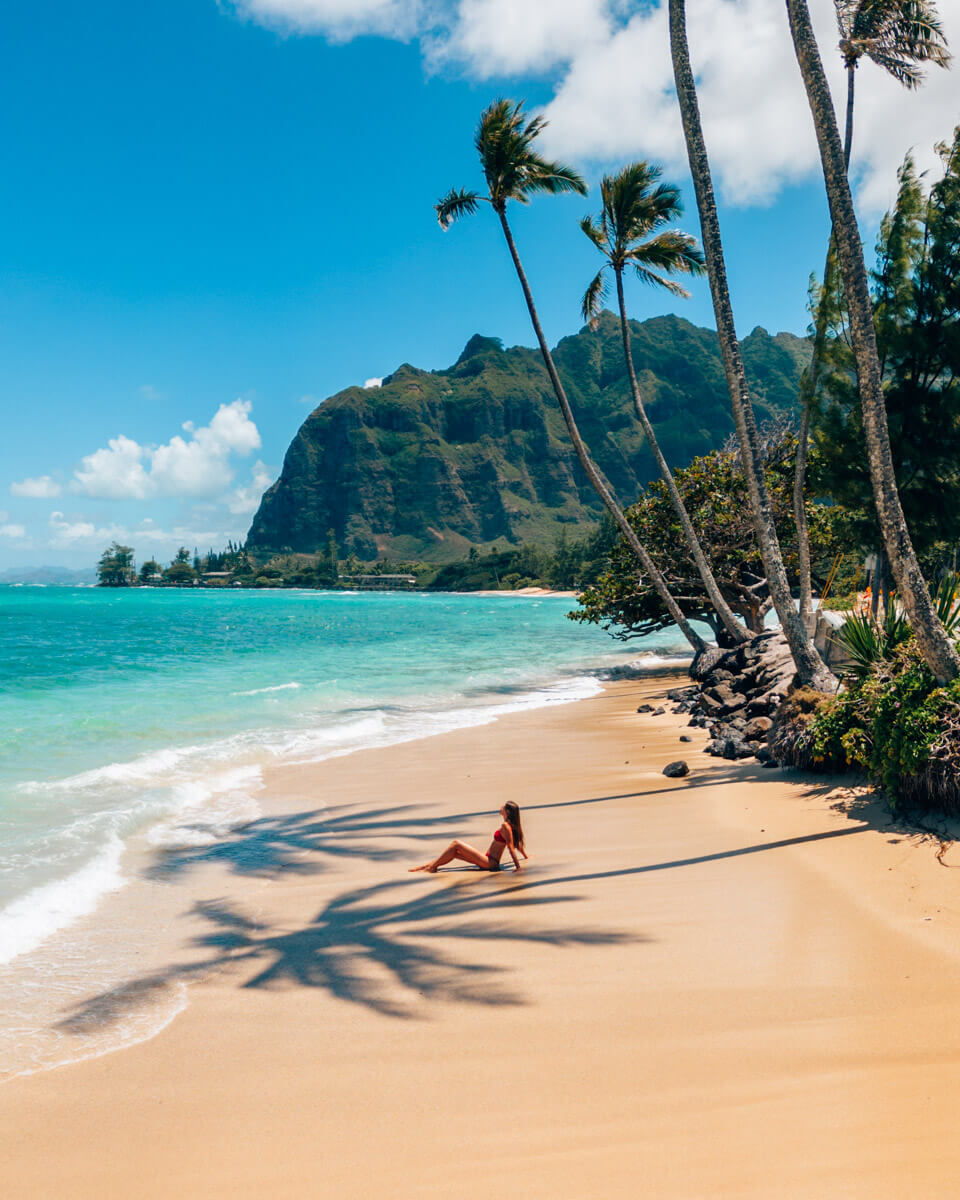
Ultimately, determining the “prettiest” island in Hawaii is a highly personal decision, yet it is undeniably influenced by how successfully each island has branded itself to resonate with individual aesthetic preferences and desired experiences. An island’s brand strategy effectively pre-sells a vision of beauty, highlighting specific attributes—be it Maui’s romantic luxury, Kauai’s wild nature, Oahu’s vibrant energy, or the Big Island’s dramatic scale—to attract a particular audience.
The perception of “prettiness” is a complex interplay between an island’s inherent natural assets and the narrative, imagery, and experiences it meticulously cultivates through branding. For some, prettiness lies in pristine, undeveloped wilderness; for others, it’s found in luxurious beachfronts and sophisticated amenities. Still others find beauty in powerful geological forces or in the vibrant tapestry of urban life intertwined with natural wonders. Each Hawaiian island excels at projecting a distinct and compelling brand identity, ensuring that for every definition of “prettiest,” there is an island ready to claim that title in the heart of a visitor. The true beauty lies not in a single, universal answer, but in the rich diversity of narratives that the islands, through their branding, offer to the world.
aViewFromTheCave is a participant in the Amazon Services LLC Associates Program, an affiliate advertising program designed to provide a means for sites to earn advertising fees by advertising and linking to Amazon.com. Amazon, the Amazon logo, AmazonSupply, and the AmazonSupply logo are trademarks of Amazon.com, Inc. or its affiliates. As an Amazon Associate we earn affiliate commissions from qualifying purchases.