
Understanding the “poverty level” in a state like Washington requires a nuanced perspective that goes beyond simple federal thresholds. While the federal poverty line (FPL) provides a national benchmark, the unique economic landscape, high cost of living, and regional disparities within Washington mean that many residents face significant financial struggles even if their income technically places them above the official poverty mark. Delving into this complex issue reveals critical insights for personal finance, economic policy, and community well-being in the Evergreen State.
Defining Poverty: Federal Guidelines and Local Realities
The concept of “poverty” is often anchored to a standardized measure set by the U.S. federal government. However, applying a uniform national standard to the diverse economic realities across states, particularly one with a booming economy and high cost of living like Washington, highlights the limitations of such a measure.
The Federal Poverty Line: A National Benchmark
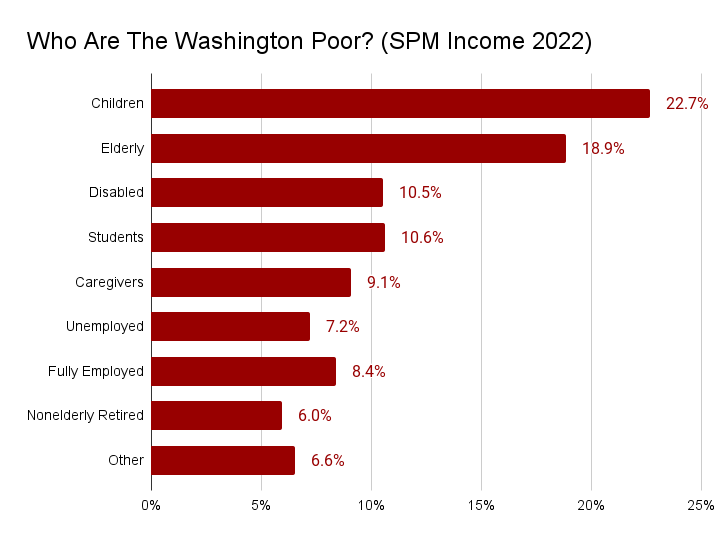
The Federal Poverty Line (FPL) is determined annually by the U.S. Department of Health and Human Services. It represents the minimum income deemed necessary to afford basic necessities like food, shelter, and clothing. The FPL varies based on family size, with higher income thresholds for larger households. For example, in 2023, the FPL for a single individual was $14,580, and for a family of four, it was $30,000. These figures are critical for determining eligibility for various federal assistance programs, including Medicaid, food stamps, and housing subsidies. Organizations, government agencies, and researchers frequently use the FPL as a baseline to measure poverty rates and identify populations in need across the country.
The Limitations of FPL in High-Cost-of-Living Areas
While the FPL serves an important administrative purpose, its applicability as a true indicator of financial hardship is severely challenged in states with a high cost of living, such as Washington. The FPL was originally developed in the 1960s based on a formula that multiplied the cost of a minimum food diet by three. This methodology has not significantly changed, nor does it adequately account for dramatic increases in non-food expenses like housing, childcare, healthcare, and transportation, which have escalated disproportionately over decades.
In Washington State, particularly in metropolitan areas like Seattle, Bellevue, and Tacoma, the cost of housing alone can consume a substantial portion of a household’s income, leaving little for other essentials, even if that household earns above the FPL. A family of four earning $35,000 might be considered “above poverty” by federal standards, but in reality, they would struggle immensely to afford even modest housing in many parts of the state, let alone cover all other living expenses. This disconnect between federal benchmarks and local economic realities creates a significant population of “working poor” who are technically not in poverty but are far from financially secure.
Washington State’s Economic Landscape and Cost of Living
Washington State’s economy is a tale of two extremes: a dynamic, high-growth tech sector driving immense wealth and opportunity, juxtaposed with a rapidly escalating cost of living that makes basic financial stability elusive for many. Understanding this duality is crucial to grasping the true extent of financial hardship in the state.
Housing as a Primary Driver of Cost
Housing costs are arguably the single most significant factor driving up the cost of living in Washington. The Puget Sound region, in particular, has seen a relentless surge in real estate prices and rental rates over the last decade, fueled by an influx of high-paying tech jobs and limited housing inventory. Seattle, Bellevue, and surrounding communities consistently rank among the most expensive housing markets in the United States. Even more rural and eastern Washington communities, once affordable havens, have experienced significant price increases as people seek alternatives to the costly western side. This means that a substantial portion of a typical household’s budget must be allocated to shelter, often leaving minimal discretionary income, regardless of federal poverty thresholds. For many, finding affordable housing options remains a constant, grueling challenge, impacting their ability to save, invest, or plan for the future.
Regional Disparities: East vs. West
While the image of expensive Washington is often dominated by its western, Puget Sound corridor, the state exhibits profound regional economic disparities. Eastern Washington, encompassing areas like Spokane, Yakima, and the Tri-Cities, generally offers a lower cost of living, particularly regarding housing. Wages in these areas, however, tend to be lower than their western counterparts, and job opportunities, while growing, may not always match the diversity or high-income potential found in the tech hubs.
This creates a complex picture: a family above the FPL in Spokane might have a much higher quality of life and greater financial stability than a similar family in Seattle earning significantly more but grappling with exorbitant expenses. Policies aimed at addressing poverty and financial hardship must therefore consider these regional nuances, avoiding a one-size-fits-all approach that fails to capture the distinct economic challenges faced by different communities within the state.
Wage Growth vs. Inflation
Washington has experienced robust wage growth in certain sectors, especially those tied to technology and specialized industries. However, this growth has often been outpaced by or merely kept pace with the soaring costs of living, particularly inflation in essential goods and services. While median incomes in Washington are higher than the national average, the purchasing power of those incomes is eroded by steep prices for everything from groceries and gasoline to childcare and healthcare. For many working-class families and individuals in lower-wage jobs, wage increases have been insufficient to keep pace with these escalating expenses, pushing them closer to financial precarity despite steady employment. This ongoing battle between stagnant real wages and persistent inflation traps many households in a cycle of just barely making ends meet.

Beyond the Threshold: Understanding “Working Poor” and ALICE
To truly understand financial hardship in Washington, it’s essential to look beyond the strict definition of the FPL and consider broader measures that reflect the actual cost of living. This brings into focus the concept of the “working poor” and the Asset Limited, Income Constrained, Employed (ALICE) population.
The ALICE Threshold: A More Realistic Measure
The ALICE Report, a project of United Way, provides a more comprehensive and localized measure of financial hardship. It identifies the percentage of households that earn above the Federal Poverty Line but below the basic cost of living for their county. ALICE households are “Asset Limited, Income Constrained, Employed,” meaning they work, often full-time, but their earnings are not enough to afford a household survival budget that includes housing, childcare, food, transportation, healthcare, and a minimal emergency savings fund.
The ALICE threshold varies significantly by county in Washington, reflecting local costs. In expensive counties like King, a family of four might need an income upwards of $90,000 or even $100,000 just to be considered financially stable, far exceeding the FPL of $30,000. Statewide, a significant percentage of Washington households fall into the ALICE category, highlighting that official poverty statistics dramatically underestimate the number of families struggling to meet their basic needs. These are often the individuals serving essential roles in the economy—teachers, healthcare assistants, retail workers, and service industry employees—who are vital to the state’s functioning but are themselves teetering on the edge of financial instability.
The Challenges Faced by ALICE Households
ALICE households face a unique set of challenges that distinguish them from those officially categorized as impoverished. Because their income is above the FPL, they often do not qualify for many government assistance programs designed for the very poor. This creates a “benefits cliff” where a slight increase in income can lead to a loss of critical subsidies, leaving them worse off financially.
These households are constantly navigating trade-offs: deciding between paying rent or buying healthy food, deferring medical care, or foregoing necessary car repairs. They have little to no disposable income, making it nearly impossible to build savings, pay down debt, or invest in their future. A single unexpected expense, such as a medical emergency, a car breakdown, or a job loss, can quickly plunge an ALICE household into deep financial crisis, demonstrating their extreme vulnerability despite being employed. Understanding the ALICE population is crucial for developing effective financial tools and policies that address the true scope of economic struggle in Washington.
Financial Impact and Strategies for Washington Residents
The high cost of living and the prevalence of ALICE households in Washington State have profound personal finance implications. Navigating this environment requires diligent financial planning, access to relevant resources, and a strong understanding of available support systems.
Budgeting in a High-Cost Environment
Effective budgeting is paramount for Washington residents, especially those with moderate incomes. Given the substantial portion of income allocated to housing, individuals and families must rigorously track and manage their remaining expenses. This often means making difficult choices and prioritizing needs over wants. Strategies include:
- Detailed Expense Tracking: Utilizing budgeting apps or spreadsheets to monitor every dollar spent.
- Aggressive Savings Goals: Even small, consistent contributions to an emergency fund can provide a critical buffer against unexpected costs.
- Identifying Cost-Saving Opportunities: Seeking out affordable alternatives for groceries, transportation, and entertainment. This might involve utilizing public transit, cooking at home more often, or taking advantage of free community events.
- Housing Cost Mitigation: Exploring options like shared housing, living further from urban centers (if commute allows), or seeking out income-restricted housing programs. For homeowners, carefully managing mortgage payments and property taxes is essential.
Accessing State and Local Financial Assistance
While ALICE households may not qualify for all federal programs, Washington State and various local governments and non-profits offer a range of assistance programs that can provide crucial support. These include:
- Housing Assistance: Rent and utility assistance programs, affordable housing initiatives, and tenant resources.
- Food Security Programs: State-specific food benefits, food banks, and community meal programs that may have broader eligibility criteria than federal SNAP.
- Childcare Subsidies: Washington offers programs to help low- and moderate-income families afford childcare, which is a major expense for working parents.
- Healthcare Access: State-run health insurance marketplaces and programs like Washington Apple Health (Medicaid) may offer coverage options for those above the FPL but still struggling.
- Workforce Development: Programs designed to help individuals acquire new skills or advance in their careers, potentially leading to higher-paying jobs.
Identifying and applying for these programs often requires research and navigating complex application processes, but they can significantly alleviate financial pressure.
The Role of Financial Literacy
In an economically dynamic yet challenging state like Washington, strong financial literacy is a powerful tool for personal empowerment. Understanding how to manage debt, save effectively, make informed investment decisions, and plan for long-term financial goals becomes even more critical when facing high living costs. Educational resources on personal finance, workshops offered by community organizations, and guidance from certified financial planners can equip individuals with the knowledge and skills needed to build resilience and navigate their economic circumstances more effectively. Financial literacy can transform an individual’s ability to move from just surviving to thriving, regardless of their income bracket relative to the federal poverty line.
aViewFromTheCave is a participant in the Amazon Services LLC Associates Program, an affiliate advertising program designed to provide a means for sites to earn advertising fees by advertising and linking to Amazon.com. Amazon, the Amazon logo, AmazonSupply, and the AmazonSupply logo are trademarks of Amazon.com, Inc. or its affiliates. As an Amazon Associate we earn affiliate commissions from qualifying purchases.