
The Parapro Test, formally known as the Praxis Parapro Assessment, serves as a pivotal entry point for individuals aspiring to work as paraprofessionals in educational settings. While often viewed simply as an academic hurdle, for many, understanding and passing the Parapro test represents a critical strategic step towards establishing financial stability, securing a steady income, and investing in a sustainable career path within the robust education sector. This examination, mandated by the No Child Left Behind Act (NCLB) for certain paraprofessional positions in Title I schools, certifies foundational knowledge and skills essential for supporting student learning under the supervision of a certified teacher. From a financial perspective, achieving Parapro certification is less about the test itself and more about the economic opportunities it unlocks, acting as a direct pathway to employment, benefits, and future financial growth.
The Parapro Test as a Gateway to Financial Stability
For countless individuals seeking reliable employment with consistent income and benefits, the Parapro test is not merely an assessment of academic skills but a crucial investment in their professional future. It opens doors to roles that offer more than just a paycheck, providing a framework for financial planning and long-term security.
Understanding the Paraprofessional Role and Its Economic Value
Paraprofessionals, often referred to as teacher’s aides, instructional assistants, or paraeducators, play an indispensable role in classrooms across the nation. Their responsibilities can range from providing one-on-one student support, assisting with classroom management, preparing instructional materials, to working with students with special needs. From an economic standpoint, these positions offer a compelling value proposition:
- Steady Employment: The demand for educational support staff remains consistently high, driven by evolving educational policies, increasing student populations, and the need for individualized instruction. This inherent stability makes a paraprofessional career an attractive option for those prioritizing consistent income.
- Accessible Entry Point: Compared to teaching roles that require extensive university degrees and often significant student loan debt, becoming a certified paraprofessional typically requires a high school diploma or GED, coupled with the Parapro certification (or two years of college education/an associate’s degree). This lower barrier to entry means less upfront educational investment while still securing a professional position.
- Foundational Income: While salaries vary by district and region, paraprofessional positions provide a reliable baseline income that can cover living expenses, contribute to savings, and support personal financial goals. This predictable income stream is foundational for budgeting and financial planning.
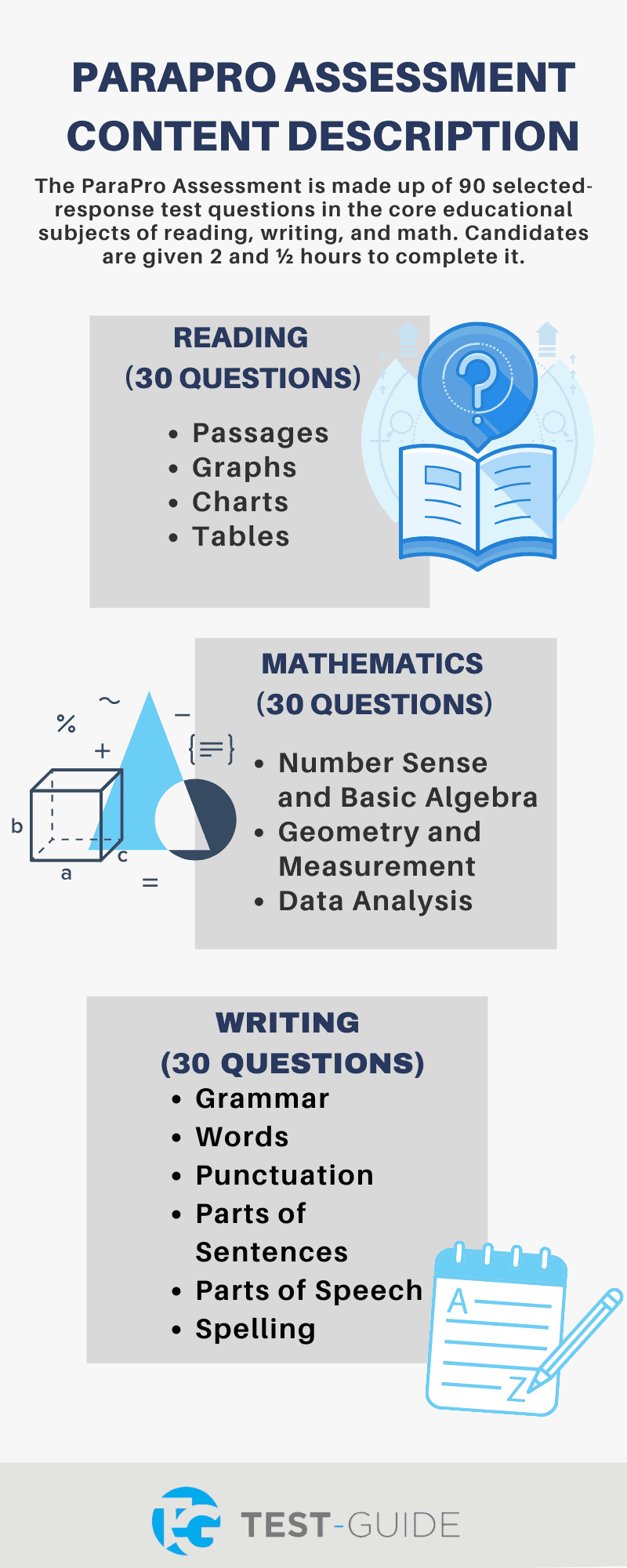
The Parapro test directly facilitates entry into this economically viable career. By demonstrating proficiency in reading, writing, and mathematics, test-takers prove they possess the fundamental skills to contribute effectively to a classroom environment, thereby qualifying for paid positions.
Initial Investment: Test Fees and Preparation Costs
Like any career-advancing certification, the Parapro test requires an initial financial investment. Understanding these costs is crucial for a comprehensive financial strategy.
- Test Registration Fees: The cost to take the Parapro test typically ranges from $50 to $100, varying slightly depending on the testing center and specific state requirements. This fee is a direct expenditure for certification.
- Preparation Materials: While some individuals may feel confident taking the test with minimal preparation, others might opt for study guides, practice tests, or online courses. These resources, which can range from $20 for a basic study guide to several hundred dollars for comprehensive online programs, are an investment in increasing the likelihood of passing on the first attempt, thereby avoiding re-testing fees and delaying employment.
- Time as an Investment: Beyond monetary costs, the time dedicated to studying and taking the exam is an investment. Time spent preparing is time not spent earning, so a focused and efficient study plan maximizes the return on this time investment by expediting entry into the workforce.
Viewing these expenditures as an investment rather than merely a cost helps frame the Parapro test as a strategic financial decision. A relatively modest upfront investment can lead to years of stable income and benefits.
Unlocking Earning Potential in Education Support
Beyond just gaining employment, passing the Parapro test opens the door to a career with specific earning potentials and a range of benefits that contribute significantly to an individual’s overall financial well-being.
Salary Expectations and Regional Variations
The compensation for paraprofessionals is influenced by several factors, including geographic location, level of experience, specific job duties (e.g., special education support often commands higher pay), and the local cost of living.
- Average Hourly and Annual Wages: Nationally, paraprofessionals often earn an hourly wage that, when annualized for a full-time position, can range from approximately $25,000 to $40,000 per year. In areas with a higher cost of living or strong union representation, these figures can be higher.
- Impact of Experience and Specialization: As paraprofessionals gain experience, their earning potential typically increases. Districts often have pay scales that reward longevity. Furthermore, specializing in areas like special education, ESL support, or behavior intervention can lead to higher wages due to the increased demand for specialized skills.
- Budgeting with a Paraprofessional Salary: For individuals and families, a paraprofessional salary provides a foundational income for budgeting. It allows for the planning of essential expenses, savings goals, and potentially discretionary spending, fostering a sense of financial control and predictability.
Understanding these salary dynamics is crucial for prospective paraprofessionals to set realistic financial expectations and integrate this income into their broader personal finance strategy.
Benefits Beyond the Paycheck: Stability and Growth
The financial advantages of a paraprofessional career extend well beyond the direct wages. Many school districts offer comprehensive benefits packages that represent significant monetary value and long-term financial security.
- Health and Retirement Benefits: Full-time paraprofessional positions often include access to health insurance (medical, dental, vision), which can save individuals thousands of dollars annually in out-of-pocket healthcare costs. Furthermore, participation in state or district retirement plans (e.g., pension plans, 403(b)s) provides a critical component of long-term financial planning and security for retirement years.
- Paid Time Off: School calendars typically include holidays, sick days, and vacation periods, which often translate into paid time off for full-time paraprofessionals. This ensures income continuity even when not actively working, aiding in financial stability and work-life balance.
- Tuition Reimbursement and Professional Development: Many school districts invest in their employees’ growth. Some offer tuition reimbursement programs for paraprofessionals pursuing further education (e.g., teaching certification), effectively reducing the financial burden of career advancement. Access to free or subsidized professional development courses also enhances skills, potentially leading to higher-paying specialized roles.
- Job Security: Employment within the public education system generally offers a high degree of job security, particularly for those with good performance records. This stability contrasts sharply with more volatile private sector jobs, providing peace of mind and a solid foundation for financial planning.
These benefits, often overlooked when solely considering salary, significantly augment the financial attractiveness of a paraprofessional career, providing a robust safety net and avenues for future financial growth.
Strategic Career Planning: Maximizing Return on Investment
Passing the Parapro test should be viewed as an initial investment in a career that offers numerous opportunities for financial growth and enhanced personal finance over time. Strategic planning can help maximize this return on investment.
Bridging Gaps: The Parapro Path to Further Education and Higher Income
For many, the paraprofessional role is a stepping stone. It provides invaluable classroom experience and a steady income stream that can support further educational pursuits, ultimately leading to higher-paying positions.
- Funding Higher Education: Working as a paraprofessional allows individuals to earn an income while pursuing a bachelor’s degree or teaching certification. This reduces reliance on student loans and minimizes post-graduation debt, a critical factor in long-term financial health.
- Career Ladder Advancement: With a teaching degree and certification, paraprofessionals can transition into certified teacher roles, which command significantly higher salaries and benefits. The hands-on experience gained as a paraprofessional is often highly valued in teacher hiring processes.
- Specialized Certifications: Beyond teaching, paraprofessionals can pursue certifications in specific areas like applied behavior analysis (ABA) for students with autism or become registered behavior technicians (RBTs), further increasing their earning potential and career options within education or related fields.
This strategic use of the paraprofessional role as a financially stable platform for career advancement exemplifies a smart long-term investment strategy.
Online Income and Side Hustle Opportunities for Paraprofessionals
The skills and experience gained as a paraprofessional can also be leveraged for additional income streams, particularly in the growing online education and support sectors.
- Online Tutoring: Paraprofessionals have direct experience supporting students in core subjects. This expertise can be converted into a profitable online tutoring side hustle, offering flexible hours and supplementary income.
- Educational Content Creation: With a deep understanding of student needs and classroom dynamics, paraprofessionals can create and sell educational resources, lesson plans, or study guides online through platforms like Teachers Pay Teachers. This taps into the online income economy.
- Virtual Assistant Services for Educators: Teachers often need administrative support. Paraprofessionals can offer virtual assistant services, helping with digital organization, online material creation, or parent communication, providing another avenue for flexible income.
These side hustles allow paraprofessionals to capitalize on their professional skills, augmenting their primary income and strengthening their overall financial portfolio.
Financial Tools and Resources for Aspiring Paraprofessionals
Successfully navigating the journey to becoming a paraprofessional and optimizing its financial benefits requires effective use of personal finance tools and awareness of available resources.
Budgeting for Certification and Career Transition
A well-structured budget is essential for managing the initial costs of certification and planning for the transition into a new career.
- Expense Tracking: Using budgeting apps or spreadsheets to track test fees, study material costs, and potential loss of income during study periods ensures transparency and control over finances.
- Savings Goals: Setting specific savings goals for these upfront costs helps mitigate financial stress and ensures that funds are available when needed.
- Emergency Fund: Maintaining an emergency fund is particularly important during career transitions, providing a safety net for unexpected expenses or delays in employment.
Effective budgeting transforms the certification process from a financial burden into a managed investment.

Exploring Financial Aid and Employer Reimbursement Programs
Prospective and current paraprofessionals should actively seek out programs that can reduce their financial outlay or enhance their income.
- Workforce Development Grants: Some local or state workforce development agencies offer grants or funding for individuals pursuing certifications in high-demand fields, including education support.
- School District Support: Certain school districts, eager to recruit and retain quality paraprofessionals, may offer to reimburse test fees or provide paid professional development, especially if the individual commits to working for the district for a specified period.
- Federal Student Aid for Further Education: If the paraprofessional role is a bridge to a teaching degree, understanding federal student aid options (FAFSA) for college tuition is crucial for minimizing debt.
The Parapro test is far more than an academic assessment; it is a calculated investment in a career path that promises financial stability, growth, and a wealth of benefits. By understanding its economic implications, prospective paraprofessionals can strategically plan their finances, maximize their earning potential, and build a secure professional future.
aViewFromTheCave is a participant in the Amazon Services LLC Associates Program, an affiliate advertising program designed to provide a means for sites to earn advertising fees by advertising and linking to Amazon.com. Amazon, the Amazon logo, AmazonSupply, and the AmazonSupply logo are trademarks of Amazon.com, Inc. or its affiliates. As an Amazon Associate we earn affiliate commissions from qualifying purchases.