
The question of America’s oldest soft drink delves deeper than a simple historical date; it unearths a rich tapestry of brand strategy, evolving consumer tastes, and the enduring power of a well-crafted corporate identity. Pinpointing a single “oldest” often becomes a nuanced discussion, as the very definition of a “soft drink” has shifted dramatically since the 19th century. Yet, the longevity of these pioneering brands offers invaluable insights into establishing and maintaining a dominant market presence across generations.
The Quest for America’s Original Sip: Defining “Oldest”
The genesis of soft drinks in the United States is inextricably linked to pharmacies and apothecaries. Before they became ubiquitous leisure beverages, many early carbonated concoctions were marketed for their purported medicinal properties. This initial positioning as health tonics laid a unique foundation for their brand identities, a far cry from the refreshment-focused marketing of today. The challenge in identifying the “oldest” lies in distinguishing between a local, uncommercialized syrup, a carbonated beverage served at a soda fountain, and a mass-produced, bottled product distributed nationwide. Each stage represents a significant evolution in brand reach and market penetration.

Soft Drink Genesis: Early Concoctions and Pharmacies
The mid-19th century saw a proliferation of “elixirs” and “tonics” served at drug store soda fountains. Pharmacists, often blending their own recipes, discovered that carbonated water could enhance the palatability and perceived therapeutic benefits of various herbal extracts and fruit flavors. These early beverages, though often delicious, were primarily dispensed on-site and lacked a standardized brand identity or widespread distribution. Their existence speaks to an nascent market demand for flavored, carbonated drinks, laying the groundwork for future branding efforts. The success of these initial offerings encouraged pharmacists to formalize their recipes, often giving them distinctive names, marking the very first steps towards brand recognition.
Commercialization and Mass Production
The true test of a brand’s longevity begins with commercialization—the transition from a localized curiosity to a product available to a broader audience. This required bottling, distribution networks, and consistent quality, all critical components of building a sustainable brand. The first brands to successfully navigate these challenges not only had a compelling product but also a strategic vision for market dominance. Their ability to standardize their formula, protect their intellectual property (through trademarks), and develop effective marketing channels allowed them to transcend their pharmacy origins and establish a lasting corporate identity that resonated with consumers beyond immediate therapeutic claims.
The Contenders: A Legacy of Flavor and Innovation
Several iconic American soft drink brands lay claim to pioneering status, each with a compelling history that underscores fundamental branding principles. Their individual journeys illustrate how distinct flavors, strategic marketing, and adaptable corporate identities have allowed them to endure through economic shifts, cultural changes, and intense competition.
Dr Pepper: A Texas Original with Enduring Appeal
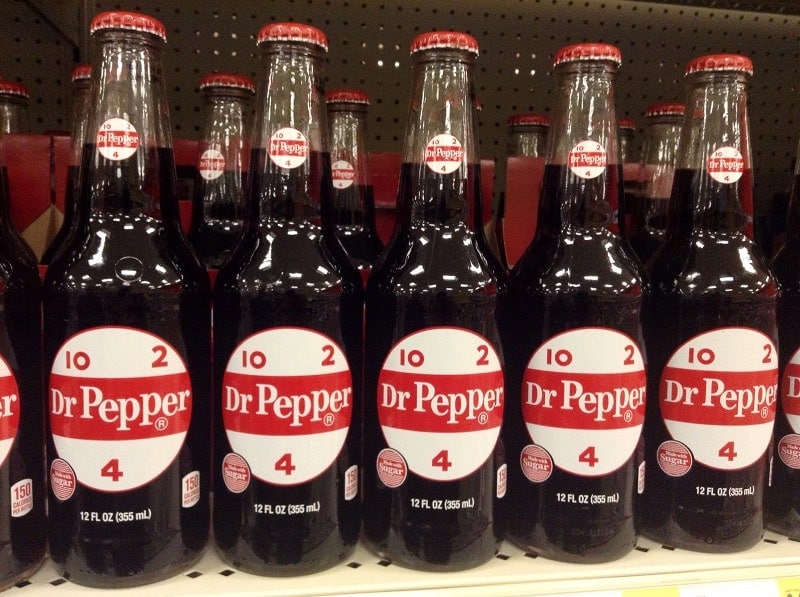
Often cited as the oldest major soft drink brand, Dr Pepper was first served in 1885 at Morrison’s Old Corner Drug Store in Waco, Texas. Its unique 23-flavor blend immediately set it apart, establishing a distinctive taste profile that remains a core part of its brand identity today. The brand’s early marketing emphasized its “peculiar taste,” a brave strategy that turned an unusual flavor into a unique selling proposition rather than a potential barrier. This daring approach to flavor differentiation, combined with consistent branding (the distinctive font, the “Dr” without a period in later branding), allowed Dr Pepper to carve out a loyal niche in a rapidly growing market. Its longevity is a testament to the power of a truly unique product that cultivates a dedicated following, resisting the urge to conform to mainstream flavor profiles.
Hires Root Beer: From Health Tonic to Household Staple
Charles Elmer Hires, a Philadelphia pharmacist, began developing his root beer recipe in 1876, initially as a health tonic. He started selling extract in 1884, allowing consumers to make the drink at home, and bottled root beer debuted in 1893. Hires’s journey from a health-oriented “temperance drink” to a widely consumed bottled beverage exemplifies a successful brand pivot. The initial positioning as a “healthful and invigorating” alternative to alcohol resonated with the temperance movement, giving it an early moral high ground. As societal norms shifted, the brand smartly transitioned its messaging, focusing on refreshment and family enjoyment, yet retaining its wholesome image. This adaptability, coupled with consistent branding around its distinctive root beer flavor, allowed Hires to maintain relevance and appeal to new generations of consumers without losing its core identity.
Coca-Cola: The Global Icon’s Formative Years
While often perceived as the oldest, Coca-Cola was invented in 1886 by John Pemberton, just a year after Dr Pepper. First served at Jacob’s Pharmacy in Atlanta, Georgia, its initial branding highlighted its “delicious and refreshing” qualities, along with its supposed medicinal benefits for ailments like headaches. What truly propelled Coca-Cola to global dominance, however, was its visionary branding and marketing strategy. Early efforts focused on pervasive advertising, distinctive packaging (the iconic contour bottle introduced in 1916), and a consistent, universal message of refreshment and happiness. Coca-Cola’s early strategic decision to expand rapidly through franchising and bottling partnerships created an unparalleled distribution network, cementing its corporate identity as a truly national, then international, brand. Its genius lay not just in the formula, but in building an emotional connection with consumers, making it synonymous with American culture and later, global joy.
Moxie: A Distinctive Taste and Pioneering Brand
Originating in 1884 in Lowell, Massachusetts, Moxie claims to be America’s first mass-produced soft drink. Its founder, Augustin Thompson, initially marketed it as “Moxie Nerve Food,” a patent medicine. Moxie’s highly distinctive, somewhat bitter taste has always been its defining characteristic and its biggest branding challenge. Unlike its sweeter counterparts, Moxie embraced its unique, acquired taste, cultivating a dedicated, almost cult-like following, particularly in New England. The brand’s early advertising was bold and sometimes outlandish, contributing to its quirky corporate identity. Its longevity, despite its niche flavor profile, speaks to the power of authenticity and catering to a specific audience rather than attempting to appeal to everyone. Moxie’s brand strategy demonstrates that a strong, unique identity, even if it limits mass appeal, can sustain a brand for over a century.
The Enduring Power of Pioneer Brands
The ability of these early soft drink brands to not only survive but often thrive for over a century offers invaluable lessons in brand strategy. Their success wasn’t accidental but rather a product of deliberate choices in identity, marketing, and adaptation.
Crafting a Timeless Brand Identity
The oldest soft drink brands understood the importance of a clear, consistent brand identity from their inception. Whether it was Dr Pepper’s 23 unique flavors, Hires’s wholesome root beer image, Coca-Cola’s universal appeal, or Moxie’s distinctive bitterness, each brand cultivated a specific personality. This identity was reinforced through distinctive product design (e.g., Coca-Cola’s bottle), memorable slogans, and consistent visual elements. A timeless brand identity isn’t static; rather, it’s one that has a core essence durable enough to withstand changing trends while allowing for stylistic updates. This ensures that the brand remains recognizable and relevant, even as its market context evolves.
Marketing Heritage and Nostalgia
A significant element in the longevity of these brands is their effective leveraging of heritage and nostalgia. As they age, their history becomes a valuable asset, conferring authenticity and a sense of tradition. Marketing campaigns often tap into this rich past, reminding consumers of the brand’s origins, its role in cultural moments, and its presence across generations. This strategy creates an emotional connection, turning the brand into more than just a beverage, but a link to personal memories and a shared cultural past. This is a powerful tool for customer retention and for attracting new consumers who value authenticity and legacy.
Adapting Without Losing Core Essence
Perhaps the most crucial branding lesson from these enduring companies is the art of adaptation. While their core identities have remained steadfast, their marketing tactics, product extensions (e.g., diet versions, new flavors), and distribution channels have constantly evolved. They’ve embraced new media, responded to health trends, and expanded into new markets, all while safeguarding the fundamental elements that make them unique. For example, Coca-Cola has introduced countless variations but the “Classic” formula and branding remain paramount. This strategic balance—innovating to stay relevant while protecting the brand’s original DNA—is essential for long-term success in any competitive industry.
Lessons from the Originals: Brand Longevity in Action
The centennial presence of these soft drink brands provides a masterclass in building and sustaining brand equity. Their journeys highlight principles that are just as relevant for modern businesses seeking enduring success.
Authenticity as a Cornerstone
Each of these brands cultivated a deep sense of authenticity, rooted in their unique formulations and compelling origin stories. Dr Pepper’s “peculiar taste,” Hires’s natural ingredients, Coca-Cola’s secret formula, and Moxie’s distinct bitterness all contributed to an original, unreplicable identity. This authenticity fosters trust and loyalty, as consumers perceive the brand as genuine rather than a fleeting trend. For contemporary brands, this means developing a genuine value proposition and a consistent narrative that truly reflects their identity and purpose.
Innovation within Tradition
While heritage is a powerful asset, stagnation is a brand killer. The oldest soft drink brands demonstrate a consistent ability to innovate within the bounds of their tradition. This includes developing new packaging, introducing line extensions, or adapting marketing messages for new demographics, all without alienating their core consumer base or diluting their established identity. This strategic evolution ensures that the brand remains dynamic and relevant without sacrificing the equity built over decades. It’s about finding new ways to tell an old story, or new ways to experience a familiar product.
Cultivating Community and Loyalty
Ultimately, the longevity of these brands is a testament to their ability to cultivate and maintain strong communities of loyal consumers. Through consistent quality, emotional resonance, and a shared sense of history, these brands have transcended mere product status to become cultural institutions. They foster a sense of belonging and shared identity among their drinkers. For brands today, this underscores the importance of community engagement, personalized experiences, and building genuine relationships with customers, transforming them from mere buyers into advocates and lifelong patrons. The oldest soft drink brands offer living proof that a well-conceived and meticulously nurtured brand can indeed stand the test of time.
aViewFromTheCave is a participant in the Amazon Services LLC Associates Program, an affiliate advertising program designed to provide a means for sites to earn advertising fees by advertising and linking to Amazon.com. Amazon, the Amazon logo, AmazonSupply, and the AmazonSupply logo are trademarks of Amazon.com, Inc. or its affiliates. As an Amazon Associate we earn affiliate commissions from qualifying purchases.