
Understanding the normal hearing range is not merely a biological curiosity; it forms the foundational blueprint for a vast array of technological advancements, from diagnostic tools and assistive devices to high-fidelity audio systems and immersive digital experiences. In an era increasingly defined by sound—be it communication, entertainment, or critical alerts—the precision with which we can measure, interpret, and enhance human auditory perception underpins innovation across the tech landscape.
The Technological Lens on Human Auditory Fundamentals
The human ear is an incredibly sophisticated biological transducer, converting mechanical vibrations into electrical signals that the brain interprets as sound. For technologists, understanding the parameters of its operation is paramount. The “normal hearing range” refers to the spectrum of frequencies and sound pressure levels that a healthy human ear can typically detect. This physiological baseline is the starting point for developing any sound-related technology, dictating everything from speaker design to the algorithms behind noise cancellation.

Deciphering Frequency and Amplitude in a Digital Context
Technically, hearing is defined by two primary characteristics: frequency and amplitude. Frequency, measured in Hertz (Hz), corresponds to the perceived pitch of a sound. Humans can typically hear sounds ranging from 20 Hz (a very low rumble) to 20,000 Hz (a very high-pitched whine). Sounds below 20 Hz are infrasound, and those above 20,000 Hz are ultrasound—both are beyond the normal human auditory threshold but are frequently utilized in specialized tech applications like sonar or medical imaging.
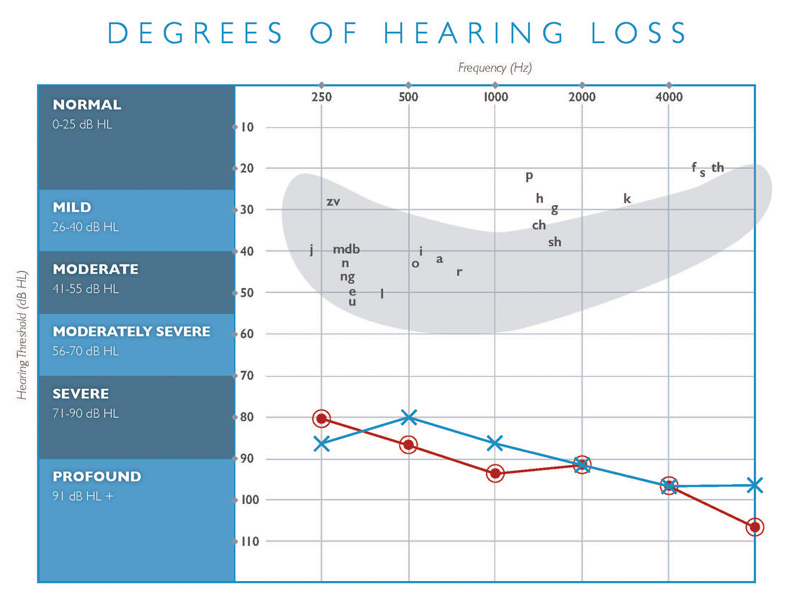
Amplitude, measured in decibels (dB), corresponds to the perceived loudness or intensity of a sound. The threshold of human hearing is generally around 0 dB HL (hearing level), which is the quietest sound a young, healthy ear can detect. Conversational speech typically falls in the 40-60 dB range, while prolonged exposure to sounds above 85 dB can cause permanent hearing damage. For tech designers, these ranges are critical. Audio engineers calibrate speakers and headphones to deliver sound accurately across the audible frequency spectrum without exceeding safe amplitude levels. Software developers create audio processing algorithms that compress or expand dynamic ranges to fit these parameters, ensuring clarity without discomfort.
Establishing the Standard Aural Spectrum for Device Calibration
The “normal hearing range” serves as a benchmark for calibrating and testing audio equipment. When a manufacturer states their headphones offer a frequency response of 20 Hz to 20 kHz, they are directly referencing the typical human hearing range. Similarly, audiometers, which are specialized electronic instruments used for hearing testing, are calibrated against standardized decibel scales to accurately measure a person’s hearing threshold across various frequencies. This standardization ensures that diagnostic results are comparable and that audio playback devices are designed to cover the full potential of human hearing, maximizing the user experience for the majority. Without this fundamental understanding, audio tech would be designed in a vacuum, leading to inconsistent performance and user dissatisfaction.
Technology’s Role in Assessing and Augmenting Hearing
The tech sector has profoundly transformed how we diagnose hearing issues and provide solutions for those outside the normal hearing range. From sophisticated diagnostic software to miniaturized assistive devices, technology is at the forefront of extending and improving auditory health.
Diagnostic Audiometry: Tech for Precision Measurement
Modern audiology clinics are replete with advanced technology. Digital audiometers, often integrated with computer software, allow audiologists to conduct highly precise hearing tests. These systems generate specific tones at various frequencies and amplitudes, recording a patient’s responses with unprecedented accuracy. Speech audiometry, another critical diagnostic tool, uses recorded speech stimuli and advanced signal processing to assess an individual’s ability to hear and understand spoken words, providing a comprehensive picture of their auditory function. Beyond the traditional sound booth, newer technologies like otoacoustic emission (OAE) and auditory brainstem response (ABR) testing leverage sophisticated sensors and signal analysis to objectively measure inner ear and brainstem responses to sound, even in infants or uncooperative patients. These technologies remove the need for subjective patient responses, offering invaluable insights into the physiological mechanisms of hearing.
The Evolution of Hearing Aids and Cochlear Implants
For individuals with hearing loss, technology has offered life-changing solutions. Early hearing aids were bulky, analog devices. Today, digital hearing aids are miniature computers, often featuring multiple microphones, advanced digital signal processing (DSP) chips, and AI-driven algorithms. These devices can selectively amplify specific frequencies, suppress background noise, and even learn user preferences over time. Many connect wirelessly to smartphones, allowing users to stream audio, adjust settings via an app, and even receive remote audiology support.
Cochlear implants represent an even more significant technological leap. These sophisticated electronic devices bypass damaged parts of the inner ear, directly stimulating the auditory nerve. Comprising an external sound processor and an surgically implanted internal receiver/stimulator, they convert sound into electrical signals, enabling profoundly deaf individuals to perceive sound. The ongoing development of these implants involves microelectronics, bio-compatible materials, and advanced signal coding strategies to mimic natural hearing as closely as possible.
Wearable Tech and Personal Sound Amplifiers
Beyond traditional medical devices, the consumer electronics market has seen an explosion of wearable technology that touches upon hearing. Personal Sound Amplification Products (PSAPs) are designed for individuals with mild hearing difficulties who may not require medical-grade hearing aids. These devices, often resembling wireless earbuds, use sophisticated microphones and amplifiers to boost ambient sounds. More broadly, noise-canceling headphones, while primarily for comfort, represent a powerful application of audio tech, actively analyzing ambient sound waves and generating inverse waves to cancel them out, creating quieter listening environments. Smart earbuds with integrated health monitoring, voice assistants, and adaptive sound profiles are blurring the lines between consumer electronics and assistive listening, pushing the boundaries of what is possible within and beyond the normal hearing range.
Optimizing Audio Experiences: Engineering for the Human Ear
The digital age demands not just sound, but quality sound. Engineers and designers leverage deep insights into the normal hearing range to craft audio experiences that are immersive, clear, and engaging, whether in entertainment, communication, or virtual environments.
High-Fidelity Audio and Speaker Design
The pursuit of “high fidelity” in audio playback is directly tied to the normal hearing range. High-end audio systems aim to reproduce sound as accurately as possible across the entire human audible spectrum. This involves meticulous speaker design—from the drivers (woofers for low frequencies, tweeters for high frequencies) and crossover networks to cabinet acoustics. Digital audio formats like FLAC or high-resolution streaming services offer vastly more data than older formats, allowing for a richer, more nuanced sound experience that fully leverages the ear’s capabilities, especially at the extremes of the frequency range. Understanding how the human ear perceives spatial audio, timbre, and dynamic range informs every decision in professional audio engineering, ensuring that recorded sound translates effectively to the listener.
The Science Behind Noise-Canceling Technology
Noise-canceling technology is a prime example of advanced audio engineering that directly interacts with our perception of sound. Active noise cancellation (ANC) systems employ microphones to pick up ambient noise, then use sophisticated digital signal processors to generate an “anti-noise” sound wave that is precisely out of phase with the incoming noise. When these two waves meet, they cancel each other out, significantly reducing the perceived volume of background distractions. This technology is particularly effective at attenuating low-frequency, steady noises, allowing for clearer hearing of desired audio within the normal range, or simply providing a quieter environment for concentration. Its effectiveness hinges on real-time analysis of ambient sounds and precise manipulation of sound waves to counter them.
Software for Personalized Audio Profiles
Beyond hardware, software plays a crucial role in tailoring audio experiences to individual hearing profiles. Many modern audio devices and streaming services now offer features that allow users to customize their sound based on a simple hearing test or personal preferences. These apps can adjust equalization curves, boost certain frequencies, or even balance channels to compensate for minor hearing asymmetries. AI and machine learning are increasingly used to create adaptive audio profiles, where the system learns from user feedback and environmental conditions to optimize sound delivery. This level of personalization moves beyond a generic “normal hearing range” to cater to the subtle variations in individual auditory perception, enhancing clarity and enjoyment for a broader audience.
Emerging Tech for Hearing Health and Accessibility
The future of hearing technology promises even more revolutionary changes, driven by advancements in AI, sensor technology, and bio-integration. These innovations aim to push the boundaries of diagnosis, treatment, and daily living for those both within and outside the normal hearing range.
AI-Powered Hearing Diagnostics
Artificial intelligence is poised to revolutionize hearing diagnostics, making tests more accessible, accurate, and personalized. AI algorithms can analyze vast datasets of audiometric results, identifying subtle patterns that might indicate early-stage hearing loss or specific auditory processing disorders. Mobile apps integrated with AI can provide preliminary hearing screenings using calibrated headphones, making initial assessments more convenient and widespread. Furthermore, AI can assist audiologists in interpreting complex diagnostic data, recommending personalized treatment plans, and even predicting the effectiveness of certain interventions, leading to more efficient and targeted care.
Virtual Reality and Auditory Training
Virtual reality (VR) and augmented reality (AR) are opening new frontiers for auditory training and rehabilitation. VR environments can simulate real-world listening challenges, allowing individuals with hearing aids or cochlear implants to practice discerning speech in noisy restaurants or busy streets in a safe, controlled setting. These immersive experiences can be tailored to target specific frequency ranges or types of noise, providing highly effective training. AR applications can overlay auditory cues onto real-world scenes, guiding users to sound sources or enhancing environmental sounds to improve spatial awareness, making the world more accessible and understandable for those with hearing difficulties.
Future of Immersive Soundscapes and Bio-Integrated Tech
Looking further ahead, research into brain-computer interfaces (BCIs) and neuro-prosthetics could lead to entirely new ways of interacting with sound. Imagine systems that could directly stimulate auditory pathways in the brain, offering alternative forms of hearing perception. The development of advanced sensors and miniaturized implants could lead to seamless bio-integrated hearing solutions, moving beyond external devices. Furthermore, the creation of truly immersive and personalized digital soundscapes, driven by advancements in spatial audio and personalized audio rendering, promises to enrich the auditory experience for everyone, pushing the perceived boundaries of the “normal” hearing range through enhanced clarity and dimensionality.
Protecting Your Hearing in a Tech-Saturated World
While technology offers incredible advancements for hearing, it also presents potential risks. The ubiquitous nature of personal audio devices and loud digital environments necessitates a conscious approach to hearing preservation.
Safe Listening Practices with Personal Audio Devices
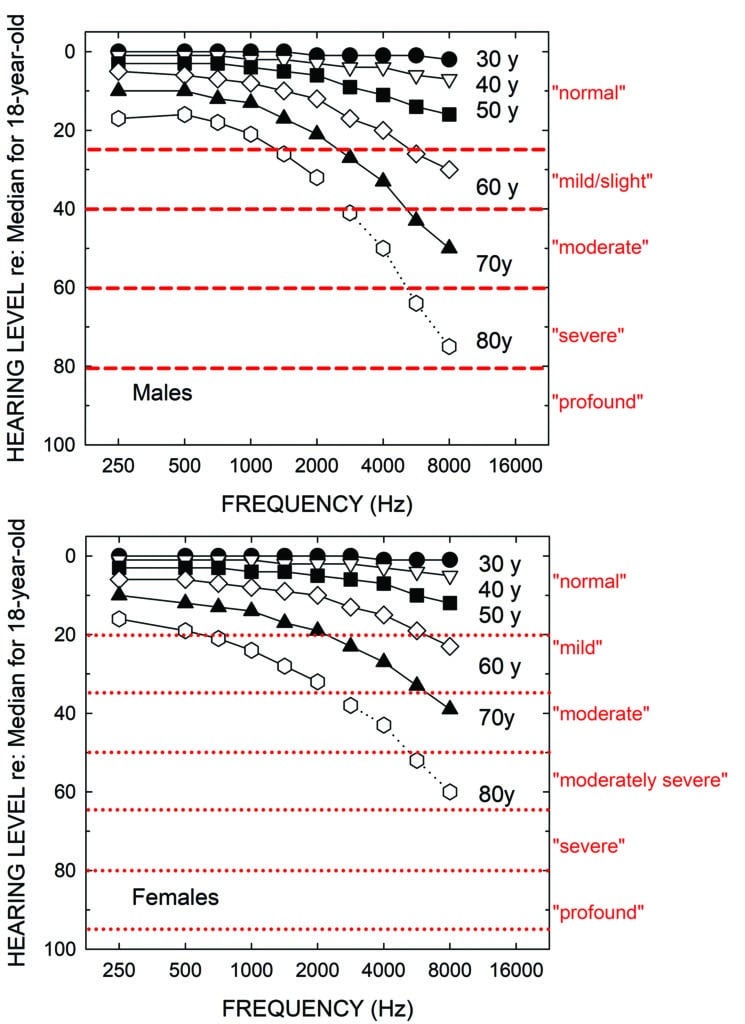
Headphones and earbuds are integral to modern life, but their misuse is a leading cause of noise-induced hearing loss. Understanding the relationship between sound amplitude, duration of exposure, and potential damage is crucial. Prolonged listening at high volumes, even if not immediately painful, can progressively damage the delicate hair cells in the inner ear, leading to permanent hearing loss. Tech companies are responding by incorporating features like volume limits, sound exposure tracking, and personalized listening recommendations into their devices and operating systems. These tools empower users to monitor their listening habits and adhere to safe sound levels, typically recommending that listening sessions at 80% volume should not exceed 90 minutes per day, and even shorter durations for higher volumes.
Occupational Noise Hazards and Industrial Solutions
Beyond personal devices, many industries expose workers to noise levels far exceeding the safe threshold. Manufacturing, construction, aviation, and entertainment sectors all pose significant risks. Here, technology offers both protective gear and monitoring solutions. Advanced active noise-canceling headphones and earplugs are designed to attenuate dangerous frequencies while maintaining critical communication. Industrial monitoring systems use networks of sensors to track noise levels in real-time, alerting managers when thresholds are exceeded and identifying areas for intervention. Software solutions can simulate noise propagation in work environments, allowing for predictive analysis and the design of quieter workspaces. Protecting the normal hearing range in these high-risk environments is not just a health imperative but a regulatory and ethical responsibility, driven by continuous innovation in safety tech.
aViewFromTheCave is a participant in the Amazon Services LLC Associates Program, an affiliate advertising program designed to provide a means for sites to earn advertising fees by advertising and linking to Amazon.com. Amazon, the Amazon logo, AmazonSupply, and the AmazonSupply logo are trademarks of Amazon.com, Inc. or its affiliates. As an Amazon Associate we earn affiliate commissions from qualifying purchases.