
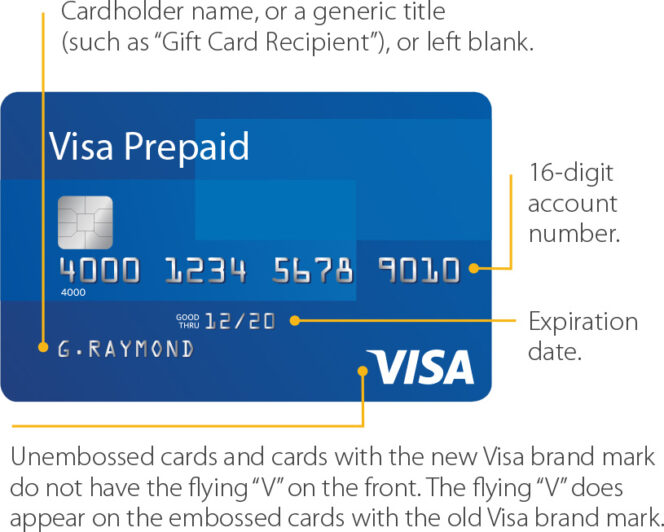
The question “What is the name of a Visa gift card?” often stems from a slight misunderstanding about this ubiquitous financial instrument. Unlike named credit cards such as “Visa Signature” or “Visa Platinum,” a “Visa gift card” is, quite simply, its own name. It’s a type of prepaid debit card issued by various financial institutions and retailers, all operating on the extensive Visa payment network. The name itself defines its core identity: a giftable, prepaid card leveraging Visa’s global acceptance. Understanding this fundamental concept is the first step in appreciating its significant role in personal finance and gifting strategies.

Demystifying the Visa Gift Card: More Than Just a Name
While the generic term “Visa gift card” suffices, the true depth of this financial product lies in its mechanics and purpose. It’s not a brand-new card product with a hidden, unique identifier but rather a category of prepaid cards that share a common underlying infrastructure.
Understanding the “Visa” Affiliation
The “Visa” in “Visa gift card” signifies that the card operates on the Visa payment network. This network is a global leader in payment technology, facilitating transactions between cardholders, merchants, and financial institutions worldwide. When you use a Visa gift card, you’re tapping into the same secure and widely accepted system that powers traditional Visa credit and debit cards. This affiliation is crucial, as it ensures the card can be used almost anywhere Visa is accepted, from local shops to international online retailers. It’s a testament to the card’s interoperability and convenience, making it a powerful financial tool for both givers and recipients.
How Visa Gift Cards Function
At its core, a Visa gift card is a prepaid debit card. This means it holds a specific amount of money that has been pre-loaded onto it. Unlike a credit card, which allows you to borrow funds up to a certain limit, a gift card lets you spend only the money that is already on the card. Once the loaded balance is depleted, the card typically becomes unusable unless it’s a reloadable version (though most gift cards are not). Each transaction you make with the card reduces its balance, functioning much like a debit card tied to a limited bank account. This straightforward functionality makes them easy to understand and use, fitting perfectly into simple budgeting and spending scenarios.
The Distinction from Bank Debit/Credit Cards
While they share the Visa logo and transaction processing capabilities, Visa gift cards differ significantly from personal debit and credit cards. A personal debit card is linked directly to your bank account, allowing access to your deposited funds. A credit card offers a line of credit, enabling you to borrow money up to a limit and pay it back later, often with interest. Visa gift cards, by contrast, are standalone financial instruments with a fixed, predetermined value. They are generally not linked to a personal bank account, nor do they build credit history. This distinction is vital for financial literacy, highlighting their role as a closed-loop spending tool rather than a comprehensive banking solution.
The Financial Utility and Versatility of Visa Gift Cards
Beyond their primary function as a gift, Visa gift cards offer a surprising range of financial utilities, making them a valuable component in various personal finance strategies.
A Flexible Gifting Solution
The most apparent utility is their role as a superior alternative to cash or store-specific gift cards. Cash can feel impersonal and is easily lost or misplaced. Store-specific gift cards restrict the recipient to a single retailer, potentially leading to unused funds if the store isn’t to their preference. A Visa gift card, by contrast, offers the universal acceptance of Visa, empowering the recipient to choose exactly what they want, where they want it. This flexibility maximizes the value of the gift, ensuring the funds are utilized effectively for items or experiences that truly matter to the individual.
Budgeting and Spending Control
For individuals, Visa gift cards can serve as an effective budgeting tool. Parents might use them to manage allowances for children, setting a predefined spending limit for specific categories or periods. Adults can employ them for discretionary spending, loading a specific amount for entertainment, dining out, or online shopping. This “envelope system” in a digital format helps prevent overspending, as once the balance is gone, the spending stops. It instills financial discipline by creating a hard limit on expenditure for designated purposes, a key principle in sound personal finance management.
Online Purchases and Digital Transactions
In an increasingly digital economy, Visa gift cards offer a convenient way to make online purchases without exposing personal bank account or credit card details. For those wary of online security or who wish to keep their primary financial accounts private, a gift card provides a secure alternative. It limits potential exposure, as only the pre-loaded amount is at risk. Furthermore, they are excellent for one-off online purchases or subscriptions where you don’t want to auto-renew or provide long-term payment information, offering a layer of financial privacy.
International Acceptance: A Global Wallet
Given Visa’s global network, many Visa gift cards are accepted internationally, both online and in physical stores. This makes them a useful tool for travelers who prefer not to carry large amounts of cash or expose their primary bank accounts while abroad. While foreign transaction fees may apply, the ability to make purchases in local currency using a universally recognized card offers convenience and security. For those with international online shopping habits, a Visa gift card facilitates cross-border transactions seamlessly, embodying the idea of a truly global financial instrument.
Navigating the Nuances: Fees, Activation, and Expiration
While highly convenient, Visa gift cards come with specific terms and conditions, including various fees and expiration policies, which are critical for maximizing their financial value.
Activation Fees and Purchase Costs
It’s common for Visa gift cards to incur an activation or purchase fee at the time of acquisition. This fee, typically a small flat rate (e.g., $3.95 to $6.95), covers the cost of issuing the card, maintaining the service, and the profit margin for the issuer or retailer. This means that a $100 Visa gift card will often cost more than $100 to purchase. Savvy financial consumers factor this into their gifting or budgeting calculations, understanding that the face value is not always the total cost.
Understanding Maintenance and Inactivity Fees
Some Visa gift cards may also come with maintenance or inactivity fees. These fees are typically charged monthly if the card remains unused for a certain period (e.g., 12 consecutive months). While regulations like the CARD Act of 2009 have placed restrictions on these fees, they can still exist, particularly for cards that have been dormant for extended periods. It’s crucial to read the cardholder agreement to understand the fee structure and avoid unexpected deductions that erode the card’s balance. Prompt use of the card can easily circumvent these charges.
The Importance of Card Registration and Balance Tracking
Most Visa gift cards offer an option to register the card online. Registering your card is a crucial financial safeguard. It typically links the card to your identity, which can be invaluable if the card is lost or stolen. Without registration, lost funds are often irrecoverable. Furthermore, knowing your balance is essential. Gift cards often don’t provide real-time transaction alerts like bank cards. Regular balance checks, usually via the issuer’s website or a toll-free number, prevent declined transactions at checkout and ensure you fully utilize the funds available.
Expiration Dates and Fund Recovery
Visa gift cards, by law, cannot expire for at least five years from the date of activation or the last time funds were added. However, the funds on the card may not expire at the same time as the card itself. If the card expires, but funds remain, the issuer is generally obligated to provide a replacement card or refund the balance. Understanding these nuances is key to ensuring that every dollar loaded onto the card is eventually spent. It’s important to track expiration dates and contact the issuer well in advance if a card is nearing its expiry with a remaining balance.
Strategic Integration into Personal Finance
Beyond mere transactions, Visa gift cards can be strategically integrated into a broader personal finance framework, serving specific needs from emergency planning to secure online activities.
Emergency Funds and Contingency Planning
While not a substitute for a robust emergency savings account, a low-value Visa gift card can serve as a micro-contingency fund. Kept in a wallet or glove compartment, it could cover unexpected small expenses like a forgotten lunch, minor roadside assistance, or a temporary public transport fare. This small, accessible fund can prevent dipping into larger savings or relying on credit for incidental needs, contributing to financial preparedness.
Managing Allowances and Dependent Spending
For families, Visa gift cards offer an excellent mechanism for managing allowances for children or providing controlled spending for other dependents. Instead of handing out cash that can be easily lost or spent impulsively, a gift card provides a tangible, trackable limit. It introduces younger individuals to responsible card usage in a low-risk environment, teaching them about budgeting and transaction management without the complexities of a full bank account.
Leveraging for Travel and Online Security
As noted earlier, their global acceptance makes them useful for travel. Pre-loading a card with a specific travel budget helps stick to spending limits while abroad. For online security, using a gift card for new or less trusted online merchants minimizes risk. If a merchant experiences a data breach, only the limited funds on the gift card are exposed, not your entire bank account or credit line. This creates a financial firewall for uncertain online interactions.
Comparing with Other Financial Instruments
When considering a Visa gift card, it’s beneficial to compare its advantages and disadvantages against other financial instruments. For long-term savings, a traditional bank account or investment vehicle is superior. For building credit, a secured credit card is more appropriate. However, for controlled, flexible, and widely accepted immediate spending or gifting, the Visa gift card often outperforms these alternatives. Its simplicity and pre-paid nature carve out a distinct and valuable niche in the personal finance ecosystem.
Best Practices for Using and Managing Your Visa Gift Card
To maximize the benefits and avoid potential pitfalls, responsible management of your Visa gift card is paramount.
Checking Your Balance Regularly
The most crucial best practice is to frequently check your card’s balance. Since gift cards don’t typically provide transaction notifications, a diligent check before making a purchase ensures you have sufficient funds and avoids the embarrassment of a declined transaction. Most cards provide an issuer website and a toll-free number for balance inquiries, often printed on the back of the card. Incorporate this into your routine, especially for cards with smaller, easily depletable balances.
Protecting Your Card from Loss or Theft
Treat a Visa gift card like cash. If it’s lost or stolen and not registered, the funds are likely gone forever. If it is registered, immediately contact the issuer to report the loss and inquire about fund replacement or a new card. Keeping a record of the card number, security code (CVV), and the issuer’s contact information (perhaps a photo on your phone) can significantly aid in recovery efforts. Store it securely, just as you would any valuable financial instrument.
Understanding Merchant Acceptance
While Visa is widely accepted, certain types of merchants or transactions might present challenges. For instance, gas stations often pre-authorize a higher amount (e.g., $75-$100) before you pump gas, which can exceed the gift card’s balance and cause a decline. To avoid this, pay inside and specify the exact amount you wish to put on the card. Similarly, some recurring subscription services may not accept gift cards, or hold funds, given their single-use nature. Always be mindful of the type of transaction and the merchant’s policies.

Redeeming Remaining Balances
Don’t let small remaining balances go to waste. If you have a small amount left on a card that isn’t enough for a standalone purchase, try using it in conjunction with another form of payment (e.g., cash or a debit card) for a larger purchase. Many retailers allow split payments. Alternatively, some online retailers allow you to use a gift card for a partial payment and then another card for the remainder. This ensures that every dollar is utilized, preventing the common issue of “orphaned” funds on nearly empty gift cards.
aViewFromTheCave is a participant in the Amazon Services LLC Associates Program, an affiliate advertising program designed to provide a means for sites to earn advertising fees by advertising and linking to Amazon.com. Amazon, the Amazon logo, AmazonSupply, and the AmazonSupply logo are trademarks of Amazon.com, Inc. or its affiliates. As an Amazon Associate we earn affiliate commissions from qualifying purchases.