
The pursuit of the “most expensive” precious stone is a fascinating journey into the confluence of geology, market economics, rarity, and human desire. While a definitive, singular answer remains elusive due to the dynamic nature of the market, the factors that elevate certain gems into stratospheric financial valuations are well-understood. This exploration delves into the financial intricacies that crown a gemstone as the pinnacle of expense, examining the forces that drive these multi-million-dollar transactions and positioning precious stones within the broader context of high-value assets.
Defining Scarcity and Value in the Elite Gem Market
The concept of “expensive” in the realm of precious stones is fundamentally rooted in scarcity, combined with an insatiable demand from ultra-high-net-worth individuals, investors, and collectors. Unlike commodities, which have a relatively predictable supply and can be traded on open exchanges, elite gemstones are unique assets. Their value is not just in their inherent beauty but in their extreme rarity and the meticulous processes required to unearth, cut, and certify them. Understanding this intrinsic value requires moving beyond simple aesthetics to a rigorous financial and geological appraisal.
The Four Cs and Beyond: Objective Valuation Metrics
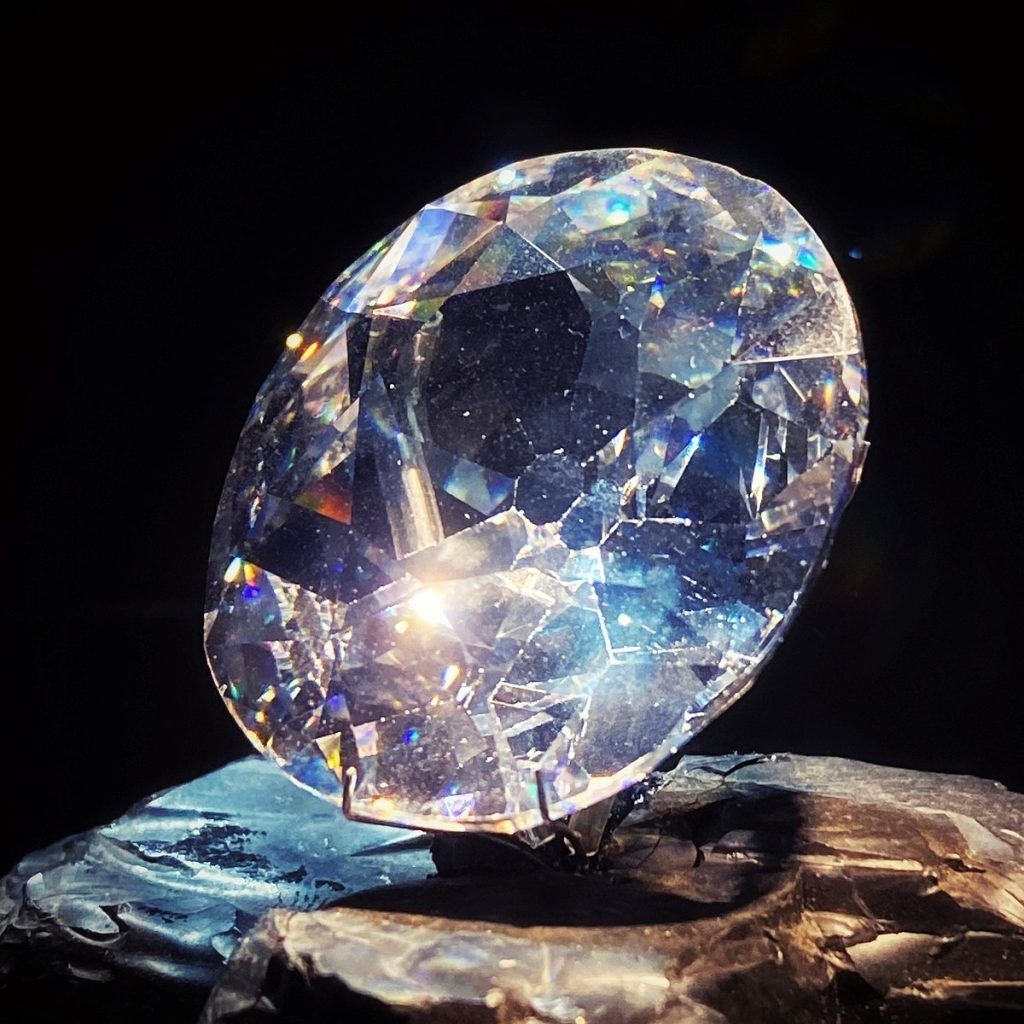
The widely recognized “Four Cs” – Carat weight, Color, Clarity, and Cut – form the foundational framework for evaluating a gemstone’s quality and, consequently, its base market value. However, for stones commanding millions, these basic metrics are merely the starting point.
- Carat Weight: A measure of mass, larger stones are inherently rarer and command disproportionately higher prices per carat, especially when coupled with exceptional quality in other Cs.
- Color: For colored diamonds, intensity and purity of hue are paramount. For other gemstones like rubies, sapphires, and emeralds, a vibrant, saturated, and pure color without secondary modifiers drives extreme value. Pink, blue, and red diamonds with vivid saturation are particularly prized.
- Clarity: The absence of inclusions or blemishes impacts light reflection and overall brilliance. Flawless or internally flawless stones are exceedingly rare, particularly in larger sizes.
- Cut: A master cutter’s ability to maximize a stone’s brilliance, fire, and scintillation significantly adds to its aesthetic and financial appeal. For colored stones, the cut often prioritizes color display over sheer sparkle.
Beyond these traditional Cs, several additional factors critically influence the financial valuation of elite gems:
- Origin: The geographical source can dramatically impact value. For example, Kashmir sapphires, Mogok rubies, and Colombian emeralds are historically renowned for their superior quality and fetch premium prices due to their rare origins and associated prestige.
- Treatment: Whether a stone has been treated (e.g., heat treatment, fracture filling) to enhance its appearance is crucial. Untreated stones of exceptional quality are far rarer and more valuable.
- Provenance: The history of ownership, especially if linked to royalty, famous collectors, or significant historical events, can add a substantial premium, making a gemstone a cultural artifact as much as a financial asset.
- Certification: Independent gemological reports from reputable labs like GIA, Gubelin, or SSEF are indispensable for authenticating a stone’s characteristics and ensuring its market liquidity and investor confidence.
The Paradox of Supply: Geological Rarity vs. Market Availability
While precious stones are by definition rare, the market availability of truly exceptional specimens is what creates hyper-scarcity and drives prices to astronomical levels. Many gem deposits are depleted, and new discoveries of world-class quality are exceedingly rare. For instance, natural pink diamonds predominantly originated from Australia’s Argyle mine, which ceased operations in 2020, effectively cutting off the primary supply of these coveted gems and further escalating their value in secondary markets. This dwindling supply, coupled with ever-increasing global wealth, creates an ideal environment for exponential price appreciation for the very finest stones.
The Illustrious Contenders: Record-Breaking Auctions and Private Sales
While pinpointing the single most expensive precious stone is challenging due to private sales and fluctuating market conditions, auction records offer a transparent glimpse into the highest valuations. These events showcase extraordinary gems that have captured the attention of the world’s wealthiest collectors and investors, setting benchmarks for value per carat.
Pink Diamonds: The Pinnacle of Color and Rarity
Pink diamonds frequently command the highest prices per carat, making them consistent contenders for the most expensive title. Their rarity is astounding; only a tiny fraction of mined diamonds exhibit a natural pink hue, and even fewer possess the intense saturation desired by collectors.
- The Pink Star Diamond: This internally flawless, vivid pink diamond, weighing 59.60 carats, holds the record for the most expensive diamond ever sold at auction. It fetched $71.2 million in 2017, translating to approximately $1.2 million per carat. Its immense size, perfect clarity, and intense color make it an unparalleled marvel and a prime example of a precious stone as a financial instrument.
- The Graff Pink: A 24.78-carat fancy intense pink diamond, this magnificent stone sold for $46.2 million in 2010. Its exceptional quality and clarity, combined with its rarity, solidified its place as one of the world’s most valuable gems.
Blue Diamonds: A Spectrum of Investment Potential
Blue diamonds, second only to pinks in terms of extreme rarity and value, are another category that consistently breaks auction records. Their captivating color, caused by trace amounts of boron in their atomic structure, makes them highly sought after.

- The Oppenheimer Blue: A 14.62-carat fancy vivid blue diamond, this emerald-cut gem sold for $57.5 million in 2016, making it, at the time, the most expensive jewel ever sold at auction. Its rarity is compounded by its significant size and vivid color grade.
- The Blue Moon of Josephine: This 12.03-carat fancy vivid blue diamond sold for $48.4 million in 2015, translating to over $4 million per carat, setting a per-carat record for any diamond at that time.
Unrivaled Emeralds and Rubies: The Market for Colored Stones
Beyond diamonds, certain colored gemstones can also command multi-million-dollar sums, particularly those from historically significant mines known for producing specimens of unparalleled quality.
- The Sunrise Ruby: This 25.59-carat “pigeon’s blood” ruby from Myanmar (Burma) set a world record for a ruby at auction, selling for $30.3 million in 2015. Its exceptional size, intense red color, and lack of heat treatment made it an extraordinary gem. Its per-carat price of over $1.18 million demonstrated that rubies of this caliber can rival the financial might of top-tier diamonds.
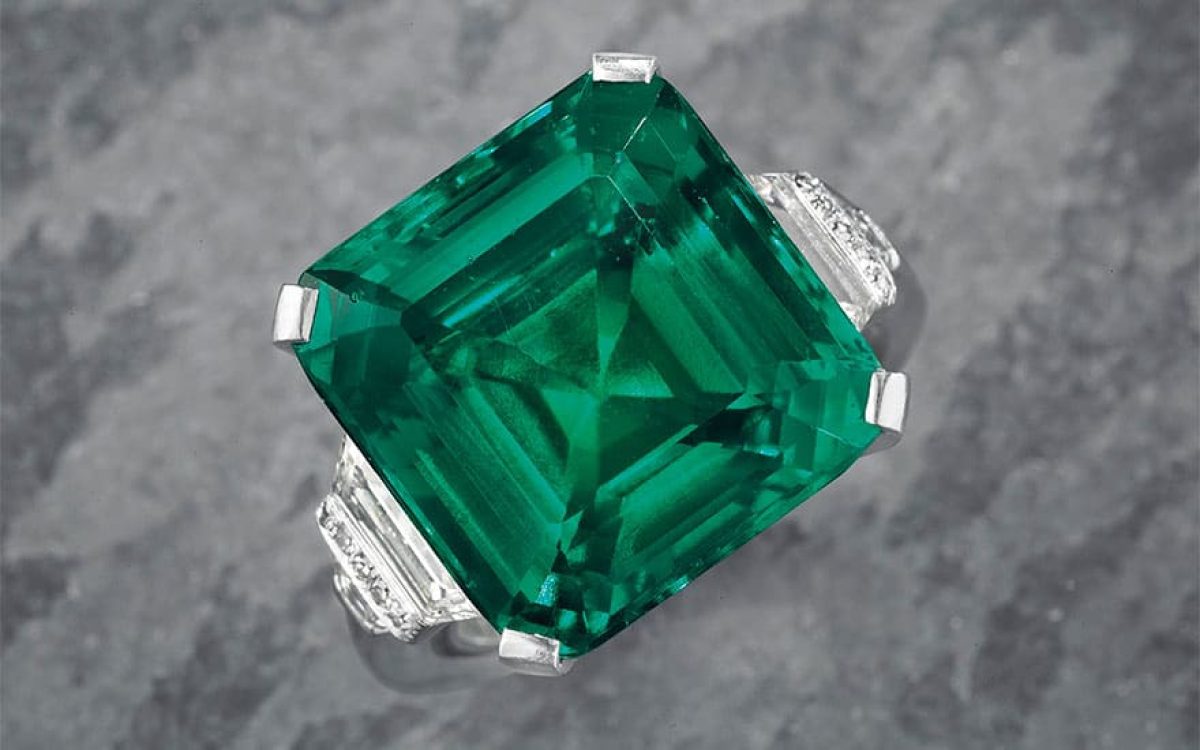
- The Rockefeller Emerald: This 18.04-carat Colombian emerald, once owned by John D. Rockefeller, Jr., sold for $5.5 million in 2017, achieving a per-carat price of over $305,000, setting a world record for an emerald. Its pristine quality, vibrant green color, and prestigious provenance contributed immensely to its value.
Gemstones as Tangible Assets: An Investment Perspective
For the financially astute, precious stones transcend mere adornment; they represent tangible assets that can play a significant role in a diversified investment portfolio. Their finite supply, coupled with increasing global demand from emerging economies and wealth accumulation, positions them as a unique class of alternative investment.
Diversification and Wealth Preservation: Stability in Volatility
In times of economic uncertainty or market volatility, high-value gemstones can serve as a powerful hedge against inflation and currency depreciation. Their portability, discretion, and intrinsic value make them a favored store of wealth, particularly in regions where political or economic stability is a concern. Unlike stocks or bonds, which can be subject to corporate or sovereign risks, a truly exceptional gemstone retains its global appeal and value regardless of geopolitical shifts. Wealth managers often advise allocating a portion of an ultra-high-net-worth portfolio to such tangible, rare assets.
Liquidity, Portability, and Appraisal Challenges
While highly valuable, gemstones are not as liquid as publicly traded stocks or bonds. Selling a multi-million-dollar stone often requires accessing a niche market of wealthy collectors, potentially involving auction houses or specialized dealers, which can take time. However, their extreme portability – a fortune can fit in a pocket – is an unmatched advantage for wealth transfer and global mobility. The challenge lies in consistent, objective appraisal; while certification provides a baseline, market sentiment, rarity, and provenance can influence the final sale price, making expert valuation critical and regular re-appraisals advisable for insurance and investment tracking purposes.
Navigating the High-Value Gem Market: Expert Insights for Financial Prudence
Engaging with the market for multi-million-dollar precious stones demands a level of expertise and due diligence far exceeding typical consumer purchases. For investors, collectors, or family offices, strategic navigation is paramount to protect and grow this unique asset class.
The Importance of Certification and Provenance Verification
For any significant acquisition, obtaining comprehensive certification from internationally recognized independent gemological laboratories is non-negotiable. These reports provide an unbiased assessment of the stone’s characteristics, including its identity, natural origin, any treatments, and its quality grades. Furthermore, meticulously verifying the stone’s provenance – its documented history of ownership – can significantly add to its financial and historical value, assuring authenticity and adding a layer of security regarding its ethical sourcing.
Engaging with Reputable Dealers and Auction Houses
The high-stakes nature of this market necessitates working exclusively with established and reputable dealers, jewelers, or international auction houses like Sotheby’s or Christie’s. These entities possess the expertise, network, and ethical standards required to facilitate transactions involving such valuable assets. They provide access to rare inventory, offer expert advice, ensure transparency in pricing, and handle the intricate logistics of secure transactions and global shipping. Building long-term relationships with trusted professionals is key to successful acquisition and disposition strategies.
Insurance and Security: Protecting High-Value Assets
Once acquired, a multi-million-dollar gemstone requires specialized insurance coverage. Standard home insurance policies are typically insufficient. Tailored “fine art” or “jewelry” policies from specialized insurers are essential, covering risks such as theft, loss, and damage. Beyond insurance, physical security measures for storage, transportation, and display must be of the highest standard. This includes secure vaults, sophisticated alarm systems, and potentially professional armed transport, reflecting the asset’s immense financial worth. Integrating these security protocols into a comprehensive wealth management strategy is crucial for protecting these invaluable treasures.
aViewFromTheCave is a participant in the Amazon Services LLC Associates Program, an affiliate advertising program designed to provide a means for sites to earn advertising fees by advertising and linking to Amazon.com. Amazon, the Amazon logo, AmazonSupply, and the AmazonSupply logo are trademarks of Amazon.com, Inc. or its affiliates. As an Amazon Associate we earn affiliate commissions from qualifying purchases.