
The Strategic Ambiguity of a Brand Icon
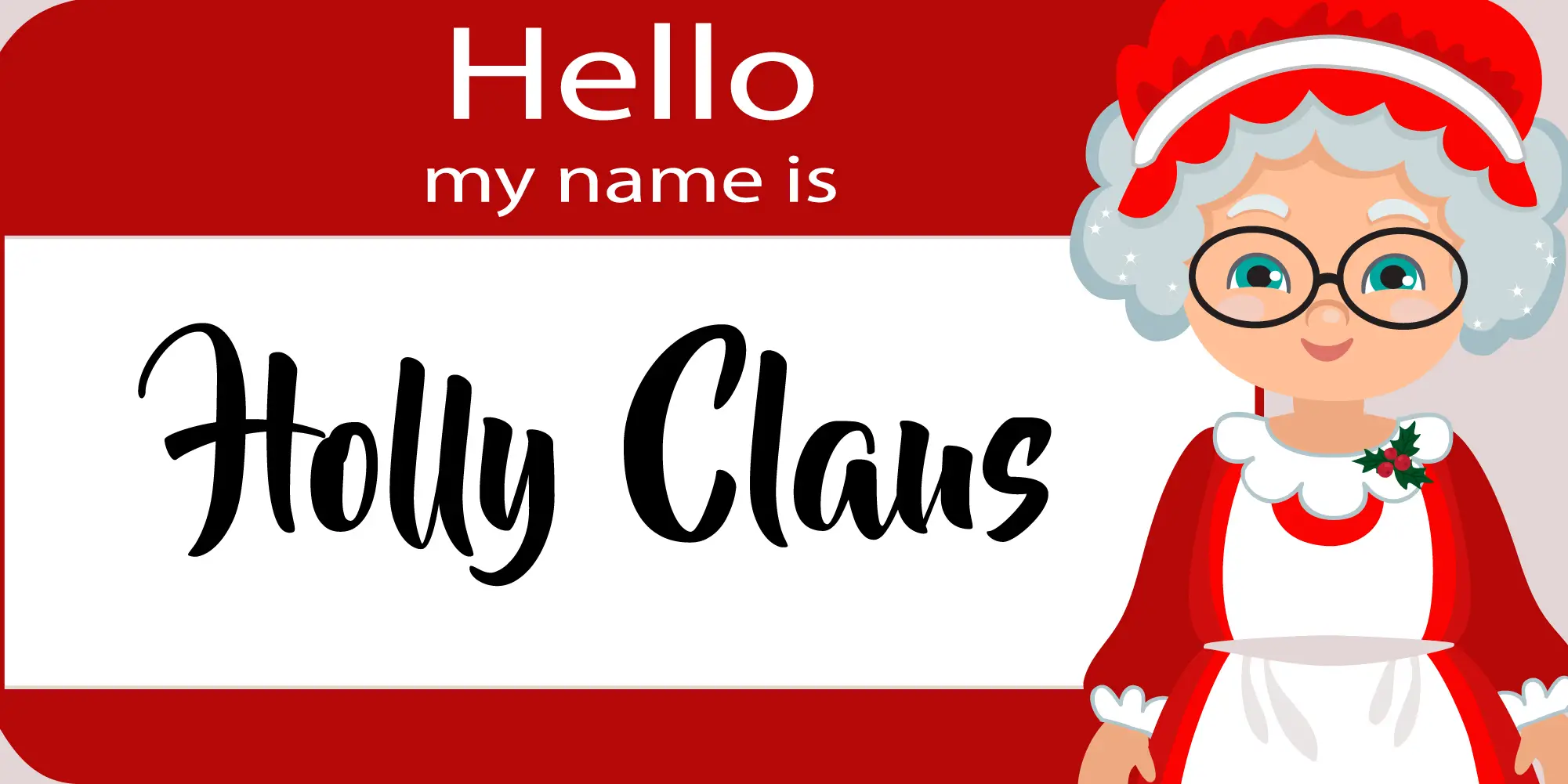
The question of Mrs. Claus’s first name, or lack thereof, offers a fascinating case study in brand development, the power of archetypes, and the strategic implications of ambiguity within established cultural narratives. Unlike many iconic characters who are meticulously defined with backstories and personal attributes, Mrs. Claus largely operates within the public consciousness without a universally recognized given name. This absence is not merely an oversight but can be interpreted as a powerful, albeit often unconscious, branding choice that contributes significantly to the enduring mystique and adaptability of the broader “Santa Claus brand.”
Origins and Evolution of a Supporting Character
Mrs. Claus’s presence in popular culture is a relatively recent addition compared to Santa Claus himself, solidifying her role in the latter half of the 19th century. Early depictions, like those by James Rees in 1849 and Katharine Lee Bates in 1889 (who penned the poem “Goody Santa Claus on a Sleigh Ride”), began to give form to Santa’s domestic partner. She was initially conceived to add depth and domesticity to Santa’s persona, humanizing the mystical gift-giver and providing a relatable maternal figure in the North Pole narrative. Her function was primarily supportive, reinforcing Santa’s image as a kindly patriarch. This supporting role often meant her individual identity was secondary to her relationship with Santa, leading to less emphasis on personal details like a first name. From a brand perspective, she was introduced to strengthen the core brand (Santa) by adding a layer of warmth, tradition, and domestic order, without needing a distinct, separate identity that might dilute the primary focus. Her lack of a fixed first name allowed her to remain a flexible archetype, universally recognizable yet open to interpretation.
The Power of Undefined Brand Elements
In brand strategy, sometimes what is not said or defined can be as powerful as what is explicitly stated. For Mrs. Claus, the absence of a definitive first name grants her a certain universality and timelessness. If she were named “Martha” or “Sarah,” it would anchor her in a specific era or cultural context, potentially limiting her appeal across diverse audiences and generations. By remaining simply “Mrs. Claus,” she embodies an archetypal mother figure or loving wife, making her accessible and relatable to a broader global audience without the cultural baggage that a specific name might carry. This strategic ambiguity allows consumers worldwide to project their own ideal of warmth, kindness, and festive spirit onto her, fostering a deeper, more personal connection to the overall Christmas brand experience. It reflects an intuitive understanding that some brand elements thrive on broad interpretation, allowing for greater cultural adoption and longevity.
Mrs. Claus as a Brand Extension and Identity Multiplier
Mrs. Claus functions as a critical brand extension, enriching the narrative and emotional appeal of the Santa Claus universe without ever overshadowing the primary brand. Her presence multiplies the identity attributes of the North Pole operation, adding layers of care, organization, and domestic charm that complement Santa’s magical yet somewhat singular focus on gift delivery.
Reinforcing the Santa Claus Brand Universe
The Santa Claus brand is built on core values such as generosity, magic, tradition, and childhood wonder. Mrs. Claus embodies and reinforces many of these values, particularly those related to nurturing, home, and the tireless work behind the scenes. She is often depicted managing the elves, baking cookies, preparing Santa’s sleigh, or generally overseeing the North Pole’s operations, transforming it from a magical workshop into a warm, bustling home. This portrayal enhances the brand’s authenticity and relatability; it suggests that even magical operations require a touch of domestic management and loving care. Her role ensures that the “brand experience” extends beyond the fleeting excitement of Christmas Eve, anchoring it in the comforting imagery of a well-run, benevolent household. In essence, she helps build out the “lifestyle” aspect of the Santa brand, making the fantastical more grounded and aspirational for consumers.
Archetype, Resonance, and Emotional Connection
Mrs. Claus leverages the power of archetypes – specifically, the nurturing mother or grandmother figure. This archetype resonates deeply across cultures, tapping into universal human desires for comfort, security, and unconditional love. Her undefined first name actually strengthens this archetypal power, preventing her from being limited by a specific identity. Consumers don’t relate to her as a specific individual, but as the embodiment of warmth, kindness, and the festive spirit. This broad appeal fosters a profound emotional connection, making the Santa Claus brand more inclusive and emotionally resonant. She provides a softer, more approachable facet to the magical world, inviting a different kind of engagement than Santa’s larger-than-life presence. This emotional resonance is invaluable for brand loyalty, particularly in a market saturated with holiday-themed products and narratives.
Marketing Implications of a Blank Slate Identity
The lack of a fixed first name for Mrs. Claus has significant, often underestimated, marketing advantages. It offers unparalleled flexibility in how her character is interpreted, adapted, and monetized across various media and products.
Creative Freedom in Storytelling and Adaptations

For creators in film, television, books, and advertising, Mrs. Claus’s blank slate identity is a tremendous asset. Writers and directors are not bound by specific canonical details about her personal name or detailed backstory, allowing them immense creative freedom to shape her character to fit a particular narrative or brand message. She can be portrayed as a meticulous organizer, a wise mentor to the elves, a spirited adventurer, or the calming anchor of the North Pole, all without contradicting a pre-existing definitive identity. This adaptability ensures her continued relevance and appeal across different cultural interpretations and evolving audience expectations. From a marketing perspective, this allows for diverse campaigns and content creation that can target various demographics and market segments without needing to retcon or reinterpret a fixed brand identity.
Merchandising and Licensing Opportunities
The merchandising and licensing potential of Mrs. Claus is also amplified by her archetypal nature and adaptable identity. Products featuring Mrs. Claus – from kitchenware and apparel to greeting cards and holiday décor – often focus on generic attributes like warmth, comfort, and festive cheer, rather than specific character traits tied to a unique name. This broad appeal makes her an easily recognizable and marketable figure. Licensors can integrate her into a vast array of products without having to worry about intellectual property issues related to a specific name that might be owned by a particular publisher or creator. Her image is instantly recognizable and evokes a specific set of emotions, making her a valuable asset in holiday-themed marketing, capable of driving significant consumer spending across multiple product categories.
The Consumer’s Role in Brand Co-creation
In contemporary brand strategy, consumer engagement and co-creation are highly valued. The absence of a definitive first name for Mrs. Claus inadvertently empowers consumers to participate in her identity. Children, in particular, might imagine her having a name that resonates with them, or they simply accept her as “Mrs. Claus,” a title that conveys her role and relationship rather than a personal identity. This encourages a more active, imaginative engagement with the character, fostering a deeper sense of ownership and connection. For brands, this level of consumer-driven narrative building is gold; it means the character remains fresh and relevant, adapting organically to the collective imagination rather than being rigidly defined from above.
Intellectual Property and the Public Domain
The discussion around Mrs. Claus’s identity also touches upon fascinating aspects of intellectual property and the evolution of characters within the public domain.
Protecting Brand Lore vs. Enabling Cultural Diffusion
Santa Claus, Mrs. Claus, and the entire North Pole mythology largely reside in the public domain, meaning no single entity holds exclusive trademark or copyright over their fundamental concepts. While specific artistic renditions or narratives (e.g., a particular movie’s version of Mrs. Claus) can be copyrighted, the core idea remains free for cultural use. The lack of a definitive first name for Mrs. Claus exemplifies this open-source nature of folkloric characters. It has prevented any single entity from effectively “claiming” her identity through a proprietary name, ensuring her widespread adoption and diffusion across countless cultural products. While modern brands meticulously protect every aspect of their IP, the Santa Claus brand thrives precisely because its core elements are shared cultural property, constantly reimagined and reinforced by collective contributions.
The Enduring Value of Folkloric Characters
Folkloric characters like Mrs. Claus possess an enduring value because their brand identity is not tied to a single corporate entity but to the collective imagination of humanity. Their lack of rigid definition, including personal names, allows them to transcend commercial trends and remain relevant across centuries. This stands in stark contrast to many contemporary branded characters, whose longevity is often tied to the fortunes of the companies that own them. Mrs. Claus’s elusive first name is a testament to the power of a brand built on myth, shared stories, and cultural consensus, demonstrating that sometimes, less specificity can lead to greater, more universal, and more resilient brand presence.
Lessons for Modern Brand Building
The intriguing case of Mrs. Claus’s unnamed identity offers valuable insights for contemporary brand strategists navigating an increasingly complex and competitive landscape.
The Balance Between Specificity and Universality
Modern brands often strive for hyper-specific brand identities, believing that precision leads to stronger differentiation. However, the Mrs. Claus phenomenon suggests that there is immense power in finding the right balance between specificity and universality. While core brand values and a clear mission are crucial, leaving certain elements open to interpretation can foster broader appeal and deeper emotional connections. It allows a brand to become an archetype in its own right, resonating with a wider audience by inviting personal projection rather than dictating every detail. Brands can learn to identify which elements benefit from clear definition and which are stronger when imbued with a degree of evocative ambiguity.

Building Brands with Enduring Mystique
In an age of transparency and constant information flow, building and maintaining mystique around a brand is challenging. Mrs. Claus, with her powerful archetypal presence yet undefined individual identity, demonstrates how a carefully cultivated sense of wonder and the unknown can contribute to enduring appeal. Brands can benefit from strategically withholding certain information or creating narratives that encourage curiosity and imagination. This doesn’t mean being secretive, but rather understanding that a touch of enigma can make a brand more engaging, memorable, and ultimately, more magical, ensuring its legacy transcends fleeting trends and secures a cherished place in the cultural fabric.
aViewFromTheCave is a participant in the Amazon Services LLC Associates Program, an affiliate advertising program designed to provide a means for sites to earn advertising fees by advertising and linking to Amazon.com. Amazon, the Amazon logo, AmazonSupply, and the AmazonSupply logo are trademarks of Amazon.com, Inc. or its affiliates. As an Amazon Associate we earn affiliate commissions from qualifying purchases.