
In the intricate world of fragrance, understanding the subtle yet significant distinctions between various concentrations is crucial, not just for the discerning consumer but, more importantly, for brands striving to define their identity, capture market segments, and communicate value effectively. The terms “perfume” (often referred to as Parfum or Extrait de Parfum) and “Eau de Parfum” (EDP) represent more than just different levels of aromatic oil; they signify distinct branding strategies, target consumer experiences, and positioning within a brand’s portfolio. For a fragrance brand, the choice to offer a scent in multiple concentrations is a deliberate strategic decision, impacting everything from pricing and packaging to marketing narrative and consumer perception.
The Art of Concentration: Defining Brand Identity Through Potency
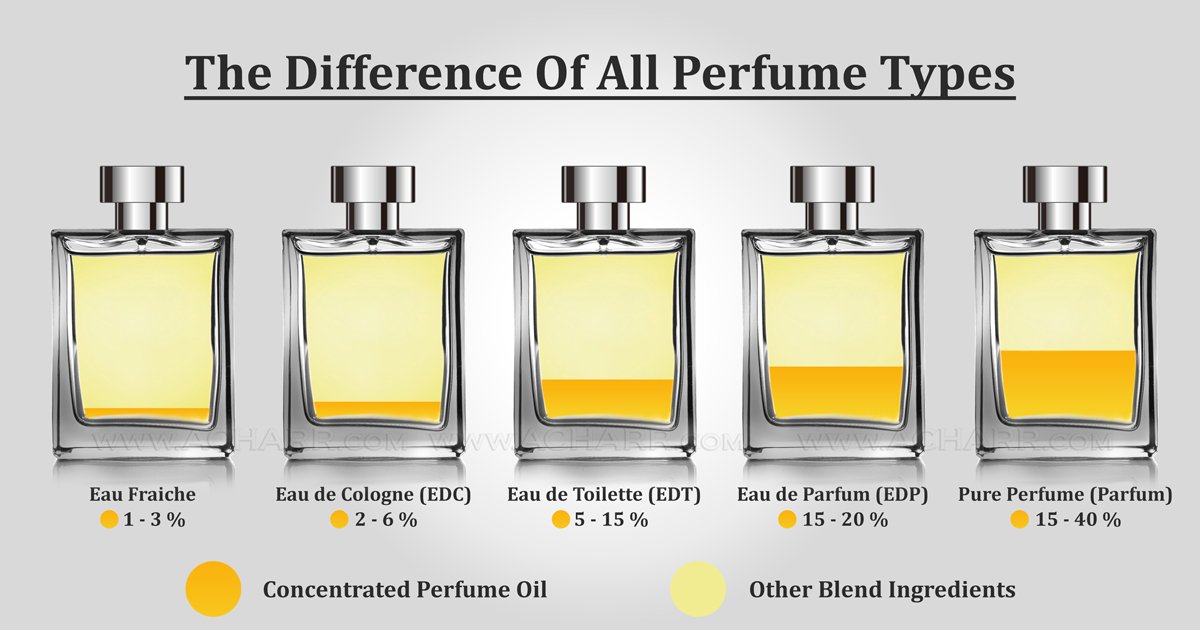
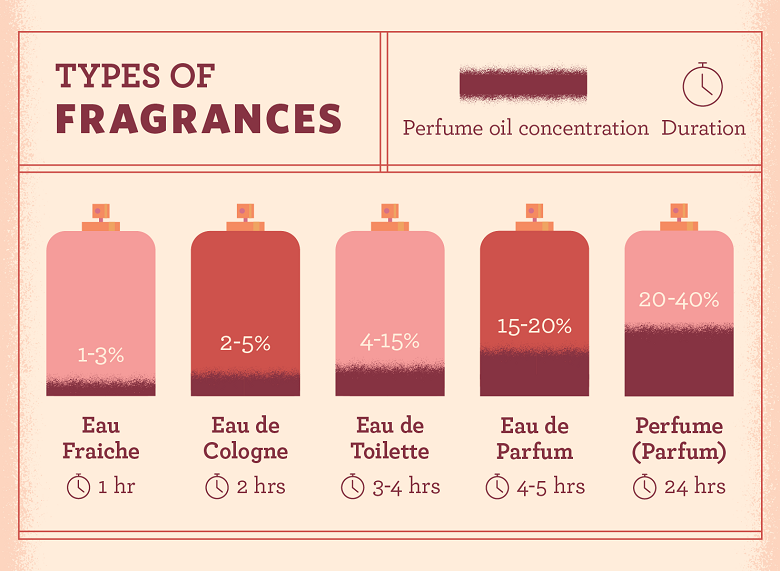
The primary technical difference between perfume and eau de parfum lies in their concentration of fragrance oils. Perfume, or Parfum, represents the highest concentration, typically containing 20-40% pure fragrance extract. Eau de Parfum, on the other hand, usually features a concentration ranging from 15-20%. This seemingly numerical difference translates into profound implications for a brand’s identity, the wearer’s experience, and the overall market positioning of the product.
Perfume (Parfum/Extrait de Parfum): The Pinnacle of Luxury and Exclusivity
For brands, offering a scent as a Parfum is a powerful statement of luxury, exclusivity, and uncompromising quality. This concentration embodies the apex of the perfumer’s art and is often positioned as the signature expression of a fragrance.
Brand Positioning and Value Perception
Parfum is intrinsically linked with opulence and prestige. Brands strategically reserve this highest concentration for their most iconic or exclusive creations. The higher concentration of precious oils not only ensures exceptional longevity and sillage (the trail a fragrance leaves) but also allows the full complexity and richness of the scent profile to unfold over many hours. This extended performance reinforces a perception of superior craftsmanship and enduring value, justifying a significantly higher price point. Marketing efforts for Parfum often emphasize heritage, rarity, and an unhurried, luxurious lifestyle, speaking to a consumer base that values investment pieces and singular experiences. It’s not just a scent; it’s an heirloom, a statement of enduring style.
Marketing Narrative and Target Audience
The narrative around Parfum is typically one of intimacy, depth, and sophistication. It’s often marketed for special occasions, evening wear, or as a personal indulgence. The sillage of a Parfum is usually potent but tends to stay closer to the skin, creating an elegant, personal aura rather than an overwhelming presence. This controlled projection appeals to consumers who seek a profound, personal connection with their fragrance, valuing subtlety and refinement over overt declaration. Brands selling Parfum often target a mature, affluent demographic that appreciates understated luxury and understands the nuanced language of high-end perfumery. Packaging for Parfum often reflects this exclusivity, featuring heavier glass bottles, intricate designs, and often smaller sizes, reinforcing its precious nature.
Product Strategy and Portfolio Management
Including a Parfum in a fragrance line allows a brand to create a tiered offering, establishing a clear hierarchy of luxury and price points. It serves as an anchor product, elevating the perception of the entire collection. While sales volume might be lower for Parfum compared to other concentrations, its presence significantly boosts brand equity and desirability, acting as a halo product that attracts attention and lends credibility to the brand’s broader range. It caters to collectors, connoisseurs, and those seeking the purest expression of a beloved scent.
Eau de Parfum (EDP): Versatility, Accessibility, and Everyday Elegance

Eau de Parfum represents a strategic sweet spot for many brands, balancing robust performance with wider accessibility. With its 15-20% fragrance oil concentration, EDP offers excellent longevity and projection, making it the most popular and versatile concentration for everyday wear.
Brand Accessibility and Market Reach
EDP strikes a balance between the intense luxury of Parfum and the lighter touch of other concentrations like Eau de Toilette. This makes it an ideal choice for brands aiming for a broader market appeal without compromising on quality or lasting power. Its concentration provides a significant olfactive presence that endures for several hours, typically 6-8 hours, making it suitable for both day and evening wear. This versatility allows brands to position EDP as a go-to option for the modern consumer who desires a noticeable, long-lasting fragrance that seamlessly fits into various aspects of their lifestyle.
Marketing Strategy and Consumer Engagement
The marketing for Eau de Parfum often focuses on adaptability, modern elegance, and aspirational yet attainable luxury. Brands highlight its ability to transition from professional settings to social events, emphasizing its dynamic character. Advertising campaigns for EDP often feature scenarios that resonate with a wider demographic, portraying confident, stylish individuals leading active lives. The messaging aims to connect with consumers seeking a signature scent that projects their personality and enhances their daily presence, offering a sophisticated experience that is both impactful and appropriate for regular use.
Product Differentiation and Consumer Choice
For brands, offering a fragrance in both Parfum and Eau de Parfum concentrations allows for strategic product differentiation within their own line. It provides consumers with a choice based on their desired intensity, longevity, and budget. An EDP might be the entry point for a consumer into a high-end brand, offering a taste of luxury at a more accessible price point than the Parfum. This tiered approach is crucial for building a diverse customer base and fostering loyalty, as consumers can choose the concentration that best aligns with their personal style and usage habits. It also enables brands to tell a more comprehensive story around their scent, showcasing its core essence in a universally appealing format while retaining the ultimate expression in its Parfum iteration.
Strategic Implications for Brand Portfolios
The decision to formulate and market a fragrance as a Parfum or an Eau de Parfum is a cornerstone of a brand’s overall strategy. It shapes not only how a product performs but, more critically, how it is perceived, positioned, and valued in the marketplace.
Building a Coherent Brand Narrative
A brand’s fragrance concentrations are integral to its narrative. A brand that consistently offers a high-quality EDP alongside an even more exclusive Parfum signals a commitment to excellence across various price points and consumer needs. This consistency builds trust and reinforces the brand’s image as a sophisticated authority in perfumery. The Parfum tells a story of heritage and ultimate luxury, while the EDP extends that story to an everyday canvas, making the brand’s essence more accessible without diluting its core values.
Pricing Strategy and Perceived Value
The cost structure and pricing tiers for Parfum and EDP are meticulously planned. Parfum, with its higher concentration of expensive raw materials and smaller production batches, naturally commands a premium. This premium is not just for the ingredients but for the perceived exclusivity and prestige. EDP, while still a luxury item, is positioned at a more approachable price, allowing for broader market penetration. Brands leverage these price differences to segment their audience, ensuring they capture both the high-net-worth individual seeking ultimate luxury and the aspirational consumer looking for accessible sophistication. The differing price points enhance the perceived value of the entire fragrance range, solidifying the brand’s status.
Consumer Education and Brand Loyalty
Effective branding involves educating the consumer. By clearly articulating the differences between Parfum and Eau de Parfum, brands empower consumers to make informed choices that align with their preferences and lifestyles. This transparency fosters a deeper connection and builds loyalty. When consumers understand why one concentration is priced differently or offers a unique experience, they develop a greater appreciation for the brand’s craftsmanship and strategic intent. This educational aspect is often woven into marketing materials, product descriptions, and in-store consultations, becoming a key touchpoint in the brand-consumer relationship.
In essence, the difference between perfume and eau de parfum is a masterclass in brand strategy. It’s about leveraging technical nuances to craft distinct product experiences, define market positioning, communicate specific values, and ultimately, build a compelling and enduring brand identity in the competitive fragrance landscape.
aViewFromTheCave is a participant in the Amazon Services LLC Associates Program, an affiliate advertising program designed to provide a means for sites to earn advertising fees by advertising and linking to Amazon.com. Amazon, the Amazon logo, AmazonSupply, and the AmazonSupply logo are trademarks of Amazon.com, Inc. or its affiliates. As an Amazon Associate we earn affiliate commissions from qualifying purchases.