
The distinction between body spray and cologne extends far beyond their names; it is a meticulously crafted differentiation rooted in brand strategy, market segmentation, and the very essence of corporate and personal identity. While both are designed to impart fragrance, their fundamental disparities lie in their composition, longevity, application, and, crucially, their intended brand perception and target audience. Understanding these differences is key to effective product positioning and consumer choice within the competitive fragrance market.
Understanding Olfactory Branding and Market Segmentation
At its core, the difference between body spray and cologne is an exercise in olfactory branding and market segmentation. Companies strategically design these products to appeal to distinct consumer groups, fulfilling varying needs and occasions. This starts with the product formulation itself, which dictates much of its brand identity and market placement.

The Core of Product Identity: Concentration and Longevity
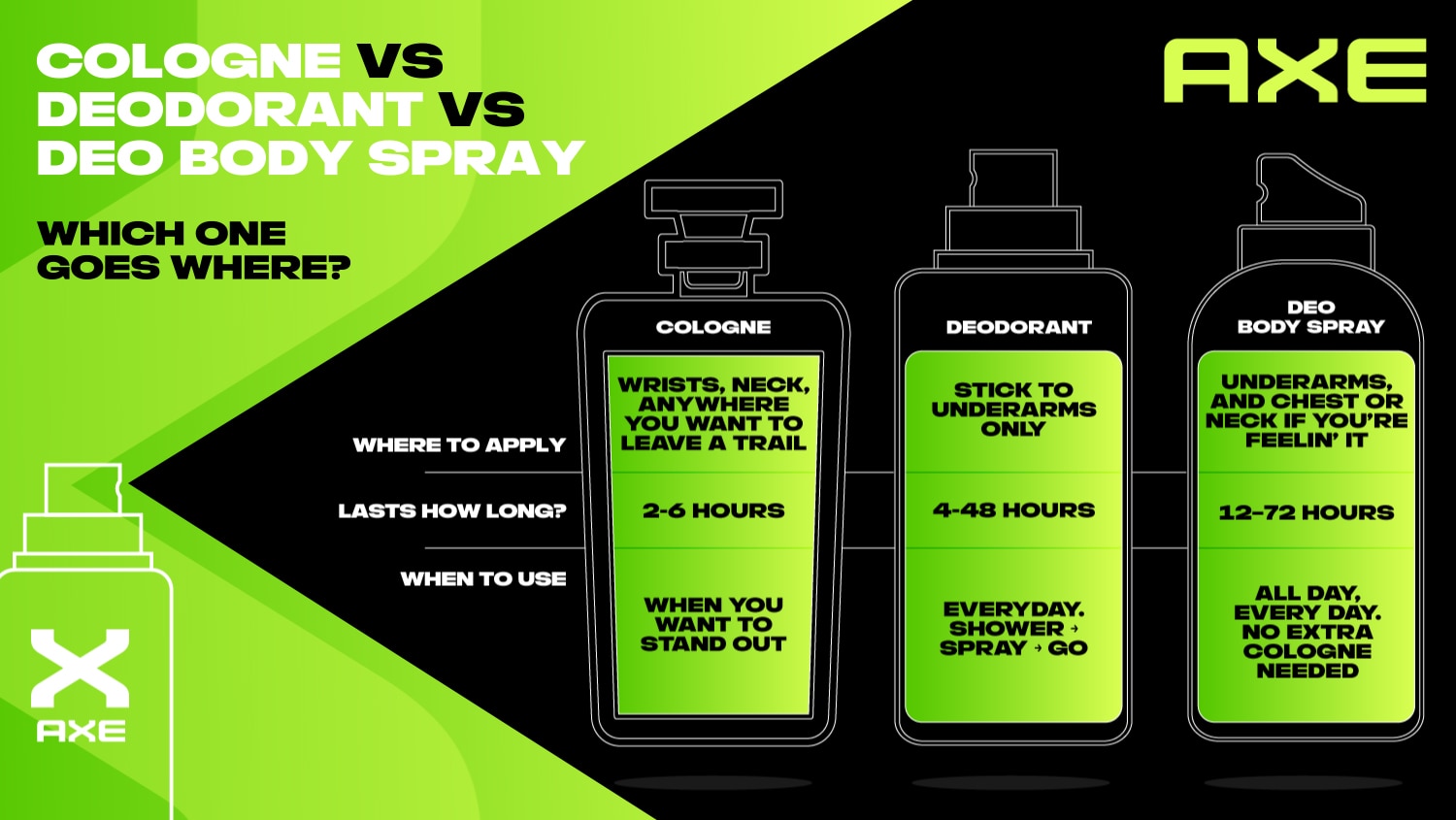
The most significant technical difference, which underpins much of the branding, is the concentration of aromatic compounds. Cologne, typically referring to Eau de Cologne (EdC) or Eau de Toilette (EdT) in common parlance, contains a higher percentage of fragrance oils—usually between 2% and 15%. This higher concentration dictates a stronger, more enduring scent profile, designed to last several hours. From a branding perspective, this longevity contributes to a sense of value, sophistication, and deliberate application. A consumer investing in cologne expects a persistent, nuanced aroma that makes a statement throughout the day or evening. The brand promise here often revolves around luxury, distinctiveness, and lasting impression.
Body sprays, on the other hand, contain a much lower concentration of fragrance oils, typically ranging from 1% to 3%. They are often diluted with water and alcohol, resulting in a lighter, more transient scent. This formulation supports a different brand narrative: one of instant refreshment, casual application, and frequent reapplication. The ephemeral nature of a body spray encourages liberal use and positions it as an everyday essential, rather than a curated luxury. The branding often emphasizes freshness, energy, and accessibility, making it suitable for a younger demographic or for quick, routine applications.
Formulating for a Target Persona
Beyond concentration, the actual scent profiles are often tailored to specific target personas. Cologne brands frequently invest in complex, multi-layered fragrances with top, middle, and base notes that evolve over time. These intricate compositions are designed to evoke specific moods, memories, or impressions—be it power, romance, mystery, or sophistication. The marketing campaigns for colognes often feature aspirational figures, luxurious settings, and narrative-driven storytelling to reinforce these emotional connections and high-end associations. The target consumer is often perceived as someone who meticulously curates their personal brand and seeks a signature scent.
Body spray formulations tend to be simpler, often focusing on single, dominant notes like fresh citrus, marine, or clean musk. Their immediate impact is paramount. The branding for body sprays typically targets a broader, often younger audience seeking convenience, instant appeal, and a quick sensory boost. Advertising often showcases active lifestyles, social confidence, and a sense of effortless cool. The goal is to create a product that integrates seamlessly into a daily routine without demanding a significant “event” of application or a deep understanding of fragrance notes. This democratic approach allows for wider market penetration and volume sales.
Marketing Narratives: Crafting the Experience
The way body sprays and colognes are marketed is central to their differentiation, transforming them from mere scented liquids into tools for personal expression and identity construction. Brand narratives are meticulously crafted to resonate with the distinct psychological and social needs of their respective audiences.
Body Spray: The Everyday, Accessible Aura
The marketing narrative for body sprays often centers on spontaneity, energy, and an approachable confidence. Brands typically promote body sprays as an extension of daily hygiene and grooming, suitable for post-gym refreshment, a quick pick-me-up before heading out with friends, or simply for feeling “fresh” throughout the day. The message is one of immediate gratification and widespread appeal.
Advertising campaigns frequently depict individuals in dynamic, social settings – at parties, sports events, or casual hangouts. The emphasis is on feeling good, being present, and exuding an easy charm. The imagery is vibrant, youthful, and relatable, often featuring diverse groups of people enjoying life. The accessibility of body sprays is a core part of their brand identity; they are positioned as an affordable luxury that anyone can incorporate into their routine, without needing to understand the nuances of fragrance families or application techniques. The brand strategy here is to achieve high volume sales through broad appeal and frequent repurchase cycles, building loyalty through consistency and convenience.
Cologne: The Statement, The Signature Scent
Cologne’s marketing narrative is far more refined and aspirational. It’s positioned not merely as a scent but as a statement, a signature, an integral component of one’s personal brand. Brands selling colognes often tell stories of heritage, craftsmanship, and exclusivity. The focus is on the wearer’s individuality, sophistication, and discerning taste. Applying cologne is presented as a deliberate ritual, a final touch that completes an ensemble or sets the tone for an important occasion.
Marketing for colognes utilizes sophisticated imagery, often featuring successful, charismatic individuals in elegant or impactful settings – business meetings, intimate dinners, or grand social events. The messaging highlights depth, complexity, and lasting impression. Celebrity endorsements are common, lending an air of prestige and aspiration. The brand promise of cologne often includes enhancing one’s presence, evoking desire, or signifying status. For the consumer, choosing a cologne is often a more considered decision, reflecting a desire to project a specific image and to invest in a product that contributes to a carefully cultivated personal identity. The pricing strategy reflects this perceived value, positioning cologne as a premium product.

Packaging, Design, and Perceived Value
The visual and tactile elements of product packaging and design play a critical role in reinforcing the distinct brand identities of body sprays and colognes. These elements are not merely functional; they are powerful communicators of value, quality, and intended use.
Visual Cues and Materiality
Body spray packaging typically prioritizes functionality, durability, and a casual aesthetic. Cans are often made of aluminum or plastic, designed to be lightweight, shatterproof, and easy to use with a simple spray nozzle. The graphics are usually bold, colorful, and direct, reflecting the product’s youthful and energetic brand personality. Information is often presented clearly and concisely, emphasizing scent notes and immediate benefits. The design communicates accessibility and ease of integration into daily life, often aligning with modern, minimalist, or sporty aesthetics. The materiality suggests utility and mass-market appeal.
Cologne bottles, conversely, are crafted to convey luxury, artistry, and permanence. They are frequently made of heavy, polished glass, sometimes with intricate designs, unique caps, and metallic or etched accents. The design often reflects architectural influences, classic aesthetics, or abstract art, signifying a timeless quality. The packaging itself is often part of the sensory experience, feeling substantial and premium in the hand. Brand logos are often embossed, engraved, or presented with sophisticated typography. These visual and tactile cues contribute significantly to the perceived value and exclusivity of the product, positioning it as an item to be displayed and cherished. The deliberate weight and craftsmanship of a cologne bottle reinforce the idea of a considered purchase and a product with enduring quality.
Price Point as a Brand Indicator
The pricing strategy for body sprays and colognes is a direct reflection of their brand positioning and perceived value. Body sprays are typically priced significantly lower, often in the single to low double-digit range. This affordability is a core component of their brand promise, emphasizing accessibility and making them available to a broad consumer base. The lower price encourages impulse purchases and frequent replenishment, driving volume sales. It aligns with the brand narrative of an everyday, disposable item.
Colognes, with their higher concentration of expensive fragrance oils, complex formulations, and premium packaging, command significantly higher price points, often ranging from dozens to hundreds of dollars. This premium pricing is a deliberate branding tactic, reinforcing the product’s exclusivity, quality, and luxurious status. A higher price point often suggests a more specialized product, superior ingredients, and a more sophisticated development process. Consumers are willing to pay more for cologne because they are buying into a brand story that promises distinction, lasting impact, and an investment in their personal presentation. The price acts as a filter, segmenting the market and aligning with the aspirational branding.
Personal Branding and Scent Selection
In the realm of personal branding, the choice between body spray and cologne is not arbitrary; it is a conscious decision that reflects an individual’s desired self-image, lifestyle, and the specific message they wish to convey. Scent becomes an invisible, yet powerful, extension of one’s identity.
Aligning Scent with Identity and Occasion
For many, a body spray serves a functional role in personal branding, focused on projecting an image of freshness, cleanliness, and approachability. It’s the scent for the casual outing, the quick errand, the gym, or for when one wants to feel good without making a grand statement. The simplicity and lightness of body sprays align with an unpretentious, effortless personal brand. They contribute to a general aura of well-being and social comfort, suggesting an individual who is easygoing and mindful of basic grooming. The brand persona here is often “the friendly, approachable individual.”
Cologne, by contrast, is a more deliberate tool for personal branding, akin to selecting a specific outfit for a significant event. It’s chosen to define a presence, communicate confidence, and leave a memorable impression. The intricate nature of cologne allows for a more nuanced expression of self – whether one aims to project power, elegance, creativity, or allure. A specific cologne can become a “signature scent,” inextricably linked to an individual’s identity, capable of evoking memories and associations long after they have left a room. This choice reflects a higher degree of intentionality in shaping one’s personal brand, signifying someone who invests in their image and understands the subtle power of olfactory communication. The brand persona here is “the sophisticated, impactful individual.”
The Role of Brand Story in Consumer Choice
Beyond the immediate sensory experience, consumers often choose between body spray and cologne based on the broader brand stories they embody. A brand’s narrative—its history, its values, its advertised lifestyle—plays a significant role in how consumers perceive themselves in relation to the product.
Body spray brands often emphasize inclusivity, community, and contemporary relevance. Their stories are about fitting in, feeling good, and connecting with peers. The consumer is drawn to the idea of being part of a larger, dynamic group, and the product becomes a badge of belonging or a simple enhancer for daily interactions.
Cologne brands, however, typically craft narratives around aspiration, exclusivity, and personal transformation. Their stories might focus on a journey of self-discovery, the pursuit of excellence, or the art of seduction. The consumer is drawn to the promise of elevated status, unique expression, and the ability to command attention. The brand story of a particular cologne allows individuals to align their personal aspirations with a product that symbolizes those very qualities. This deeper connection to brand narrative underscores the profound difference in how these two product categories function within the broader landscape of personal and corporate branding.
Strategic Positioning in a Competitive Market
Ultimately, the distinction between body spray and cologne is a masterclass in strategic market positioning. Brands continually refine their offerings, marketing, and distribution to secure their specific niche within the crowded fragrance industry. This involves not just product development, but also a keen understanding of consumer behavior, evolving trends, and the psychology of scent. By clearly segmenting the market based on concentration, application, price, and desired personal identity, companies effectively manage different product lifecycles and revenue streams. Body sprays cater to the mass market, volume-driven segment, while colognes target the premium, value-driven segment. This dual approach maximizes market reach and ensures that every consumer, regardless of their budget or lifestyle, can find a product that aligns with their personal branding goals and olfactory preferences. The strategic genius lies in making these differences so palpable that consumers instinctively understand the distinct roles each product plays in their self-presentation.
aViewFromTheCave is a participant in the Amazon Services LLC Associates Program, an affiliate advertising program designed to provide a means for sites to earn advertising fees by advertising and linking to Amazon.com. Amazon, the Amazon logo, AmazonSupply, and the AmazonSupply logo are trademarks of Amazon.com, Inc. or its affiliates. As an Amazon Associate we earn affiliate commissions from qualifying purchases.